
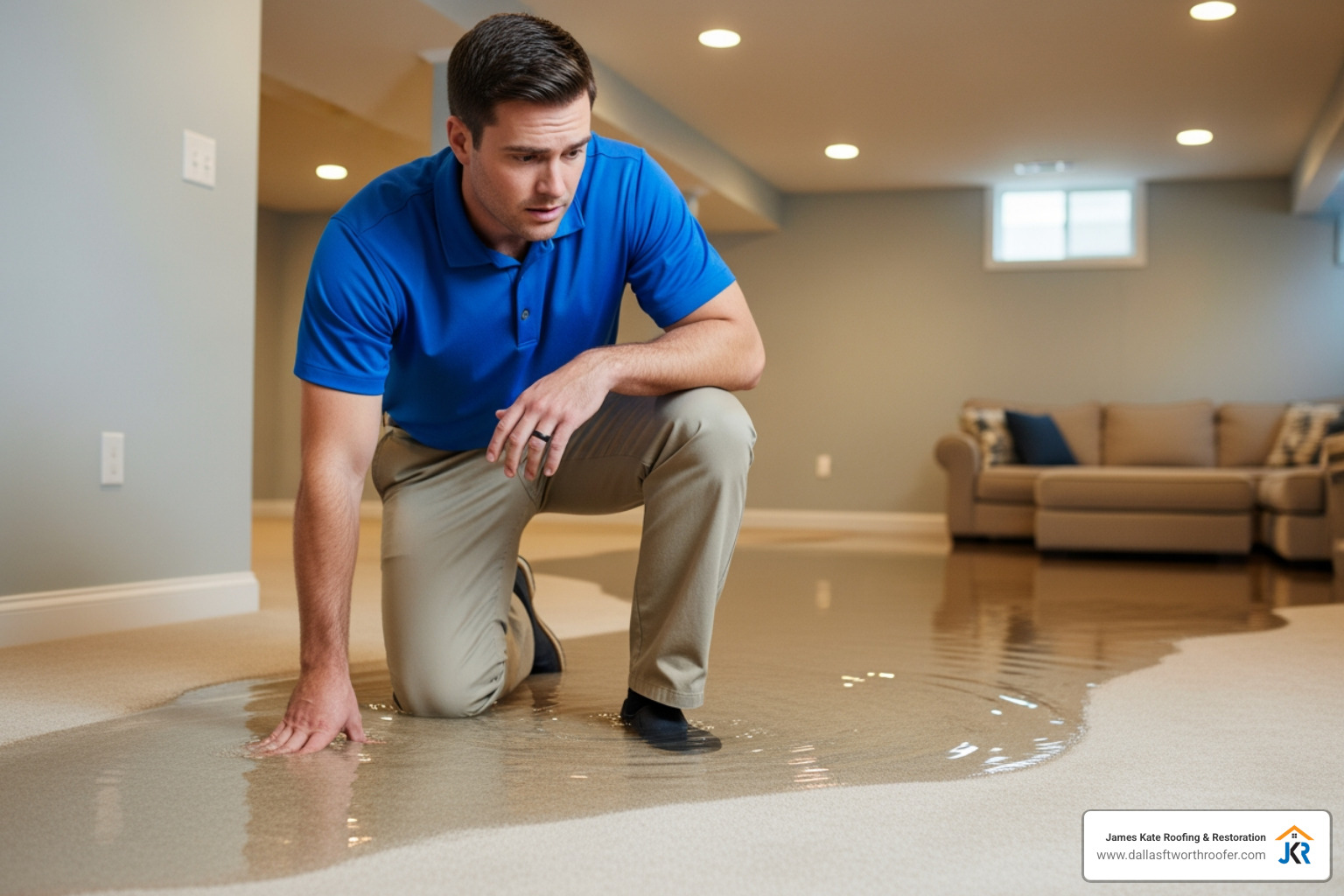
Safety First: Immediate Steps When Your Basement Floods
When your basement floods, immediate action is key. Here are the critical first steps to take:
- Prioritize Safety: Do not enter standing water until you confirm electricity is off.
- Turn Off Power: If safe, shut off the main electrical breaker to the affected area.
- Identify & Stop Water Source: Find where the water is coming from (e.g., burst pipe, heavy rain) and stop it if possible.
- Document Damage: Take photos and videos of the flooded area and damaged belongings for insurance claims.
- Wear Protective Gear: Put on rubber boots, gloves, and a mask to protect against contaminated water.
Finding a flooded basement is a homeowner’s nightmare. Too many homeowners have come down their basement steps to find a pool of murky water. But understanding basement flooding remediation is your first step toward recovery. This guide will help you steer the process. We will cover everything from immediate safety measures to preventing future incidents. Our goal is to help you restore your home and gain peace of mind.
Dustin Eatman is a seasoned roofing professional and owner of James Kate Roofing & Solar in Dallas-Fort Worth. His deep expertise in insurance Solar and property management makes him uniquely qualified to guide homeowners through the complexities of basement flooding remediation. This article provides a clear roadmap for anyone facing a flooded basement.
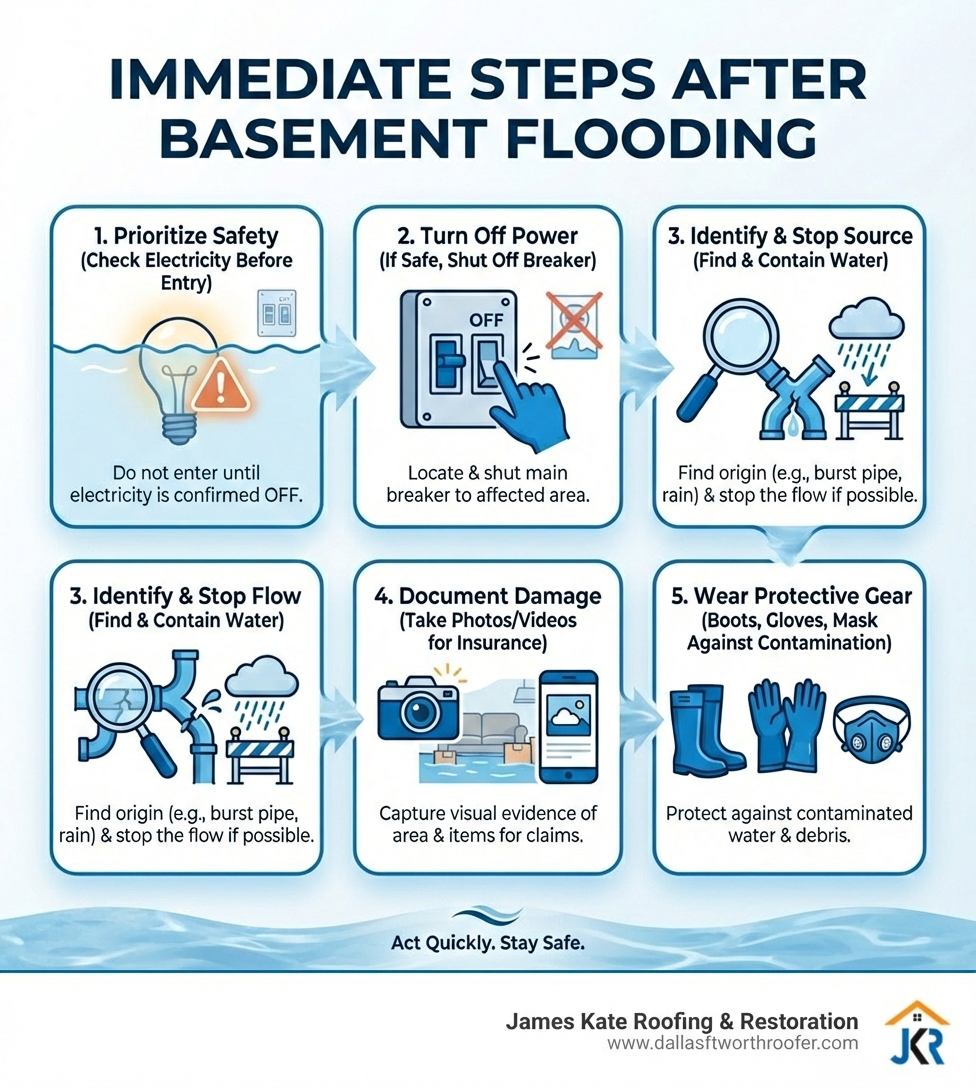
When water unexpectedly invades your basement, our first and foremost concern is always safety. Floodwaters and electricity do not mix, and the presence of standing water can create dangerous electrical hazards. Your immediate priority should be to ensure that the electrical supply to the flooded area is turned off. If it’s safe to do so, locate your main electrical panel and shut off the circuit breakers for your basement. If you can’t safely reach the panel or if it’s submerged, do not risk it – call an electrician or your power company immediately. The National Electrical Manufacturers Association (NEMA) provides crucial guidance on electrical safety in such situations, emphasizing the dangers of wet electrical items. Guidance from the National Electrical Manufacturers Association reminds us never to turn on wet electrical appliances, as they can cause shock, overheat, or even start a fire.
Beyond electrical risks, we must also consider potential gas leaks. If you smell gas, hear a hissing sound, or see any other signs of a leak, evacuate your home immediately and call your gas company and the fire department from a safe location. Never try to find the source of a gas leak yourself.
Structural stability is another critical factor. Before entering a flooded basement, carefully assess the situation. Look for any visible signs of structural damage, such as large cracks in the foundation, bowing walls, or sagging ceilings. If you notice any of these, or if you have any doubts about the stability of your home, do not enter. It’s always better to wait for a professional assessment to ensure your safety.
Finally, we need to talk about health hazards. Floodwater is rarely clean water. It can be contaminated with harmful bacteria, viruses, sewage, chemicals, and other pollutants. Direct contact with floodwater can lead to illness or infection. That’s why Personal Protective Equipment (PPE) is non-negotiable. When working in a flooded basement, we always recommend wearing:
- Rubber boots: To protect your feet from contaminated water and electrical hazards.
- Heavy-duty gloves: To shield your hands from contaminants and debris.
- N95 mask or respirator: To protect your respiratory system from airborne mold spores and other particulate matter, especially if mold is already present or suspected.
- Protective clothing: Long sleeves and pants, or disposable overalls, to minimize skin exposure.
These precautions are not just suggestions; they are vital steps to protect your health and well-being during a stressful and potentially dangerous situation.
The Cleanup Process: A Step-by-Step Guide to Basement Flood Remediation
Once safety is assured, the real work of basement flooding remediation begins. This process requires a methodical approach to ensure your home is restored properly and safely.
Step 1: Assess the Source and Document the Damage
Before we can effectively clean up, we need to understand why the flood happened. Identifying the source of the water is crucial for both remediation and preventing future incidents. Common causes of basement flooding often include:
- Burst pipes: Home piping systems have an average lifespan of 50 to 80 years, but PVC pipes might need replacement every 25 to 40 years. A burst pipe can release a significant amount of water quickly.
- Sump pump failure: A faulty sump pump is a common culprit, especially in areas prone to heavy rainfall or high water tables.
- Sewer backup: Overwhelmed municipal drain systems or clogs in home or municipal sewer lines can cause raw sewage to back up into your basement, presenting serious health hazards.
- Heavy rain: Observable floodwater outside that surrounds your home and/or neighborhood, often after severe weather, can seep in through cracks or overwhelm drainage.
- Foundation leaks: Groundwater, causing hydrostatic pressure, can push water through cracks in foundation walls, or outside surface water can leak in due to poor grading or drainage.
As soon as you find the flood, and after ensuring safety, your next critical step is documentation. This is paramount for insurance claims. We advise taking extensive photos and videos of the flooded area and all damaged belongings before you start any cleanup efforts. This visual evidence will be invaluable when filing your claim. Capture the water level, the extent of the damage to walls, floors, and personal items. Make a detailed list of everything that was damaged or destroyed. For comprehensive guidance on this, we recommend reviewing resources like How to Document Flood Damage Insurance Claims.
Step 2: Water Removal and Extraction
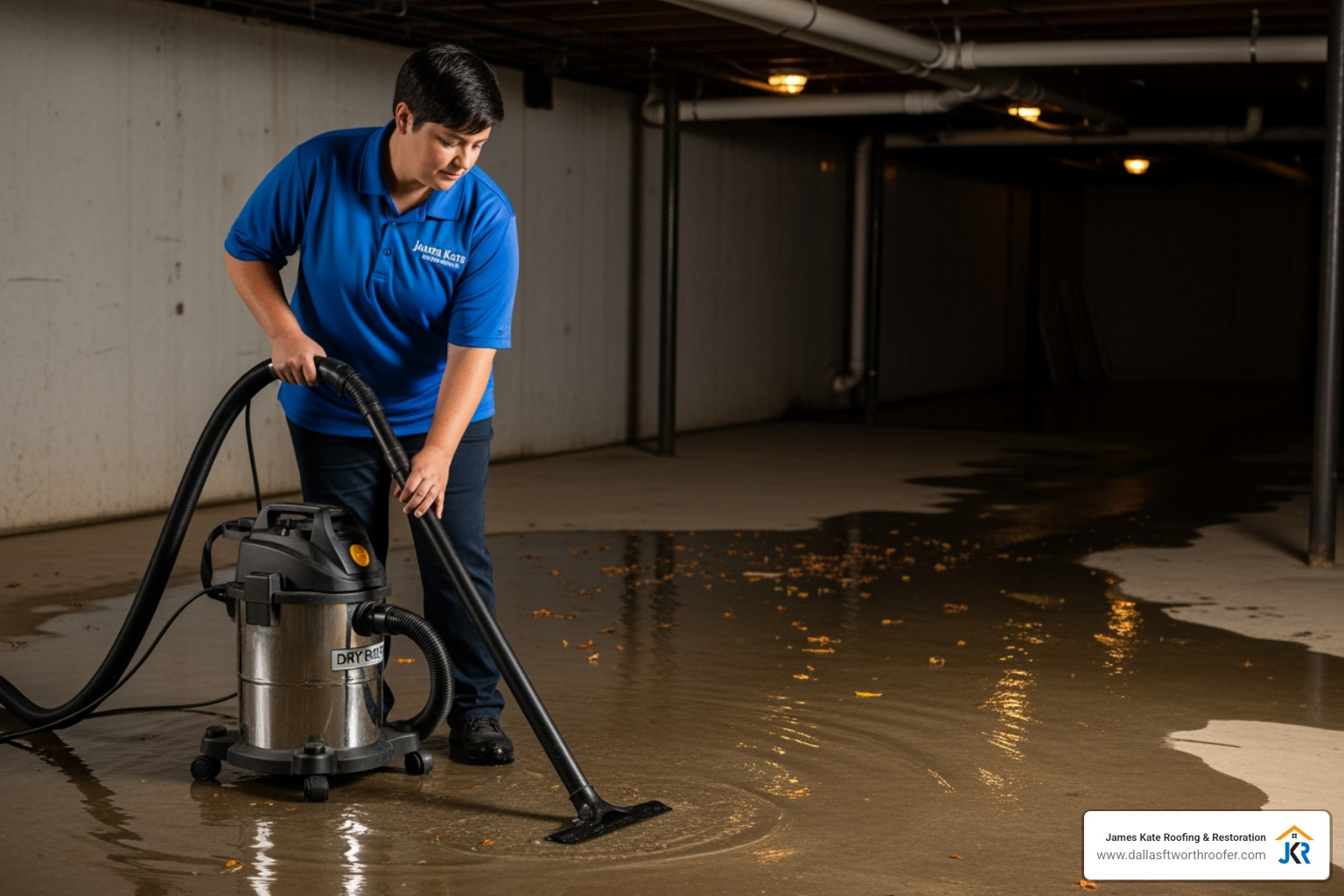
With safety checks complete and damage documented, it’s time to remove the water. The method we use will depend on the depth of the water.
- Minor flooding (a few inches): For shallow water, wet/dry vacuums, buckets, and mops can be effective.
- Moderate to severe flooding (several inches to feet): A submersible sump pump is typically required to remove larger volumes of standing water. If your electrical panel is flooded, we might need to use a 12-volt auto battery pump or a gasoline pump (ensuring proper ventilation for the exhaust).
It’s important to exercise caution when pumping out water, especially if your basement has been flooded by external sources like heavy rain or groundwater. Pumping water out too quickly can cause structural damage. If the water pressure outside your basement walls is significantly higher than the pressure inside, rapidly removing the internal water can cause the walls to collapse inward or the floor to heave upward. FEMA (Federal Emergency Management Agency) recommends pumping out only about 1 foot of water every 24 hours in such situations, allowing the exterior soil to stabilize. We aim to match the rate at which floodwaters outside recede. Basements flooded with surface water, seepage, or backflow often suffer little or no structural damage because the internal water braces the walls against the pressure of outside water and waterlogged soil.
Step 3: Drying and Dehumidifying the Space
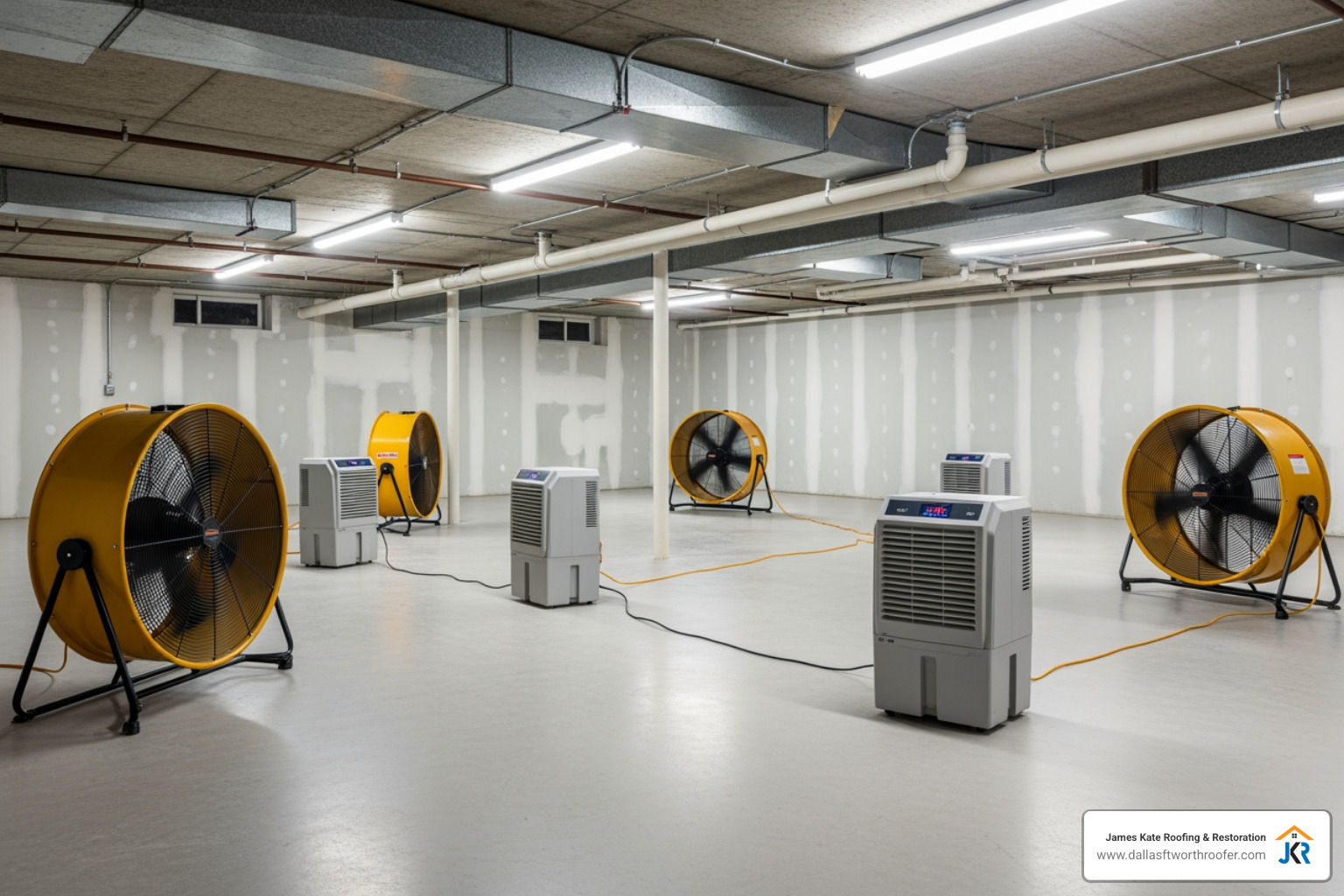
Once the standing water is gone, the real race against mold begins. Thorough drying and dehumidification are critical for successful basement flooding remediation. Mold can grow on a damp surface after just 24 to 48 hours, so speed is of the essence.
We achieve optimal drying by:
- Air circulation: Opening windows and doors (if weather permits and it’s safe) creates natural airflow. We also deploy high-volume fans strategically to circulate air throughout the basement, focusing on wet areas.
- Industrial-grade dehumidifiers: These powerful machines are essential for extracting moisture from the air, preventing it from settling back into materials.
- Target humidity level: Our goal is to bring the humidity level in the basement down to between 30% and 50%. This range is crucial for inhibiting mold growth and ensuring materials dry thoroughly.
- Average drying time: While every situation is unique, an average drying situation typically takes approximately 3-5 days. However, depending on the severity of the problem and external humidity, drying time can take as little as a few hours to up to six weeks.
- Using a moisture meter: We use moisture meters to accurately assess the dryness of materials like drywall, wood, and concrete. This scientific approach ensures that all affected areas are genuinely dry, not just surface dry, validating that the property is dry after water removal.
Step 4: Cleaning, Sanitizing, and Deodorizing
After drying, the basement needs a thorough cleaning, sanitizing, and deodorizing to eliminate any lingering contaminants and prevent future problems.
- Cleaning all surfaces: We start by cleaning all hard surfaces, including walls and floors, with an unscented detergent and warm water. For concrete walls and masonry foundations, we might use a high-pressure hose to remove silt and dirt, followed by scrubbing with a stiff brush.
- Disinfecting to prevent mold: For disinfection, especially if the water was contaminated, we may use a bleach solution (e.g., 3/4 cup bleach to 1 gallon water for concrete floors and walls). However, it’s important to note that bleach isn’t always necessary for mold cleanup, according to some guidelines. The EPA provides comprehensive EPA mold cleanup guidelines that we follow to ensure proper cleaning and disinfection protocols.
- Removing musty odors: Good ventilation during and after cleaning is key to removing musty odors. If odors persist, placing dry charcoal in an open container can help absorb them. For stubborn odors on concrete surfaces, the bleach solution mentioned above, with proper rinsing and ventilation, can be effective.
After the Water is Gone: Salvage, Mold, and Structural Checks
The physical cleanup is just one part of basement flooding remediation. What comes next is equally important for your health and the long-term integrity of your home.
Sorting Your Belongings: What to Keep and What to Toss
One of the most heartbreaking aspects of a basement flood is deciding what can be saved and what must be discarded. We differentiate items based on their porosity and the type of water contamination.
- Porous items: Materials that absorb water readily are often difficult, if not impossible, to salvage, especially if exposed to contaminated water or wet for extended periods. These include:
- Wet drywall and insulation: These materials absorb water like a sponge and are prime breeding grounds for mold. They should be removed as soon as possible. If the flood level was lower than 2.5 feet, the EPA recommends removing drywall to a height of 4 feet; if higher, remove it to 8 feet or the ceiling junction.
- Carpeting and padding: Carpeting prevents the floor underneath from drying and can harbor mold and bacteria.
- Particleboard furniture: This material swells and disintegrates when wet and cannot be effectively dried or disinfected.
- Mattresses, box springs, stuffed toys, pillows, cushions, and furniture coverings: These items are highly absorbent and challenging to clean and dry thoroughly, making them high-risk for mold and bacterial growth.
- Electrical items: The National Electrical Manufacturers Association advises discarding any electrical items that have been exposed to floodwater.
- Non-porous or semi-porous items: Items made of metal, solid wood, plastic, or glass can often be cleaned and disinfected, provided they haven’t sustained significant damage or been submerged in heavily contaminated water for too long. We assess each item carefully, prioritizing safety and thorough cleaning.
The 48-Hour Rule: Identifying and Addressing Mold Growth
As we’ve mentioned, mold can grow on a damp surface after just 24 to 48 hours. This makes prompt and thorough drying absolutely critical. Even after the water is gone, we remain vigilant for signs of mold.
- Mold growth timeline: The rapid onset of mold means that any delay in drying significantly increases the risk.
- Signs of mold: Look for musty odors, which often indicate hidden mold, or visible discoloration (green, black, white, or fuzzy patches) on surfaces.
- Health risks of mold exposure: Mold can cause various health issues, including allergic reactions, respiratory problems, and other adverse health effects. Protecting your family from these risks is a key part of our remediation efforts.
- DIY mold cleanup: For small areas of mold growth (less than 10 square feet – roughly a 3×3 foot patch), the EPA suggests homeowners can often handle cleanup themselves using proper protective equipment and cleaning solutions.
- When to call a mold remediation specialist: If the mold growth is extensive, if you suspect hidden mold behind walls, or if anyone in your household has severe allergies or respiratory issues, we strongly recommend calling a professional mold remediation specialist. Our team is equipped to provide comprehensive mold remediation services, following a seven-step process to help remediate mold growth in your flooded basement.
Checking the Bones: How to Spot Structural Damage
A basement flood can do more than just ruin your belongings; it can also compromise the structural integrity of your home. After the water is removed and the area is dry, we carefully inspect for signs of structural damage.
- Inspecting the foundation: Look for new or expanding cracks in your foundation walls. While vertical cracks are often less severe and can result from normal settling, diagonal cracks can indicate differential settling, and horizontal cracks are the most serious. Horizontal cracks often suggest significant pressure from saturated soil or hydrostatic pressure, which can cause basement walls to bow. More information about identifying these can be found in resources like cracks in your house’s foundation.
- Bowing walls: If basement walls appear to be bulging inward, this is a serious sign of structural stress.
- Uneven or sagging floors: Floors above the basement that feel uneven or sag could indicate damage to floor joists or the foundation.
- Sticking doors and windows: Doors and windows that suddenly become difficult to open or close can be a subtle sign of foundation movement or shifting.
- When to consult a structural engineer: If we observe any of these significant signs of structural damage, or if you have any lingering concerns about the stability of your home, we always recommend consulting a qualified structural engineer. Their expert assessment will determine the extent of the damage and the necessary repairs.
Preventing a Sequel: Waterproofing and Future Flood Protection
After going through the ordeal of basement flooding remediation, the last thing anyone wants is a repeat performance. Preventing future floods is a crucial step in securing your home and your peace of mind. This is where effective waterproofing and drainage systems come into play.
- Interior and exterior waterproofing: We offer various solutions to prevent water intrusion. Exterior waterproofing often involves applying membranes to the outside of your foundation walls and ensuring proper drainage. Interior waterproofing can include sealants, crack injections, and interior drainage systems that collect water before it enters your living space.
- Sump pump installation: A reliable sump pump is your basement’s first line of defense against groundwater. It automatically pumps collected water out of your basement and away from your foundation.
- Battery backup systems: What happens if the power goes out during a heavy storm, precisely when your sump pump is most needed? A battery backup system ensures your sump pump continues to operate, even without electricity, providing continuous protection.
- Sealing foundation cracks: Even hairline cracks can allow water to seep in. For minor cracks, we can use specialized sealants or epoxy injections. More significant cracks may require professional structural repair.
- Proper yard grading: Ensuring your yard slopes away from your home, directing rainwater away from the foundation, is a simple yet highly effective preventative measure. We recommend extending downspouts at least 2 to 3 meters from your home.
- Gutter and downspout maintenance: Clogged gutters and downspouts can cause water to overflow and pool around your foundation. Regular cleaning and ensuring they are properly channeling water away from your home is vital. For more information on maintaining your roof and its drainage components, you can visit our page on More info about roof maintenance.
These preventative measures, custom to your home’s specific needs and the local conditions in areas like Mansfield, Arlington, Granbury, Grand Prairie, and Midlothian, TX, are an investment in keeping your basement dry and secure for years to come.
Frequently Asked Questions about Basement Flooding Remediation
We understand that a basement flood brings many questions. Here are some of the most common ones we encounter:
How long does the basement flood remediation process typically take?
The timeline for basement flooding remediation can vary significantly depending on the severity of the flood and the extent of the damage.
- Drying phase: The initial drying and cleanup, which focuses on removing standing water and thoroughly drying the affected area to prevent mold, typically takes 3-7 days. For severe cases, it could extend up to six weeks.
- Repair and Solar phase: This phase involves rebuilding and restoring any damaged structures or finishes, such as replacing drywall, flooring, or insulation. This can take anywhere from a few weeks to several months, depending on the scope of the rebuild.
Factors affecting the timeline include:
- The volume of water and the size of the flooded area.
- The type of water (clean water vs. contaminated water requires different cleaning protocols).
- The materials affected (porous materials take longer to dry or need replacement).
- The efficiency of the drying equipment and environmental conditions (humidity, temperature).
How does insurance typically cover basement flood damage?
This is a critical question, and the answer can sometimes be surprising to homeowners.
- Homeowner’s insurance vs. flood insurance: Standard homeowner’s insurance policies typically do not cover flood damage caused by natural disasters, heavy rainfall, or groundwater seepage. This is a common misconception. Flood damage from these sources requires a separate flood insurance policy, often obtained through the National Flood Insurance Program (NFIP). More than 25 percent of all flood claims each year come from homes outside areas at high risk for flooding, highlighting the importance of this coverage for everyone.
- Covered perils: Homeowner’s insurance may cover damage from sudden and accidental internal events, such as a burst pipe, a leaky appliance, or an overflowing toilet, provided these issues weren’t caused by neglect or deferred maintenance.
- Common exclusions: Groundwater seepage, sewer backups (unless a specific rider is purchased), and damage from external natural flooding are generally excluded from standard policies.
We always advise our clients to review their specific policy with their insurance agent to understand exactly what is covered and what isn’t, before a flood occurs.
When is it necessary to call professional Solar services for a flooded basement?
While some minor water issues can be handled with a DIY approach, there are clear indicators that call for professional basement flooding remediation services. We recommend calling us if you encounter any of the following:
- Extensive flooding: If the water level is more than a couple of inches, or especially if it’s over 2 feet deep, professional equipment and expertise are needed for efficient and safe water removal.
- Sewage contamination (black water): Floodwater containing raw sewage is highly unsanitary and poses severe health risks. This requires specialized cleaning, disinfection, and disposal protocols that only professionals can safely handle.
- Significant mold growth: If you find mold covering an area larger than 10 square feet, or if you suspect hidden mold, a professional mold remediation specialist should be called. They have the training and equipment to safely contain and remove mold.
- Signs of structural damage: As discussed earlier, if you see bowing walls, significant foundation cracks, or other signs of structural instability, professionals are needed to assess and repair the damage safely.
- Lack of proper equipment: If you don’t have access to industrial-grade pumps, wet/dry vacuums, fans, and dehumidifiers, professionals can bring the necessary tools to dry your basement quickly and thoroughly.
- Overwhelmed or unsure: If the situation feels too big to handle, or if you’re simply unsure of the best course of action, calling a professional is always the safest and most effective choice.
Conclusion: From Cleanup to Complete Solar
Dealing with a flooded basement is undoubtedly one of the most stressful experiences a homeowner can face. However, with a clear understanding of basement flooding remediation and a methodical approach, you can steer this challenge successfully. We’ve walked through the crucial steps: prioritizing safety, carefully assessing and documenting damage, efficiently removing water, thoroughly drying and sanitizing your space, and making informed decisions about what to salvage.
Beyond the immediate cleanup, addressing mold growth and checking for structural damage are paramount for your home’s long-term health and your family’s safety. And looking ahead, implementing robust waterproofing and drainage solutions is your best defense against future floods.
At James Kate Roofing & Solar, we understand the complexities of water damage. We’re not just about cleanup; we’re about complete Solar. Our commitment to honesty, integrity, and Biblical principles guides every project, from the initial water mitigation to the “build back” construction phase that restores your home to its pre-loss condition, or even better. We’re proud to serve our community in Mansfield, Arlington, Granbury, Grand Prairie, and Midlothian, TX, providing top-tier Solar services.
For comprehensive water mitigation and Solar services backed by honesty and integrity, trust a local expert. Don’t drown in doubt – let us help you restore your home and your peace of mind. Schedule your free inspection and estimate today.

Dustin Eatman is a seasoned roofing professional with deep, hands-on expertise that spans residential and commercial roofing, insurance solar, and long-term roof asset management. As the owner of James Kate Roofing & solar in the Dallas–Fort Worth metroplex, he’s built a reputation for diagnosing roof systems accurately, communicating clearly, and executing projects with a high standard of workmanship and documentation. Dustin understands the technical details that make roofs perform—proper underlayment selection, slope and drainage considerations, ventilation strategy, flashing and penetration detailing, and manufacturer-specific installation requirements—because he’s worked through the real-world challenges that cause leaks, premature wear, and warranty issues. He’s equally fluent in the operational side of roofing: jobsite planning, quality control, safety, material ordering, crew coordination, and customer experience from inspection to closeout. In insurance-related projects, Dustin brings practical knowledge of claim workflows, adjuster meetings, scope alignment, supplements, and the importance of photo evidence and thorough records, helping property owners navigate stressful situations with confidence. For commercial clients—especially property and facility managers—he emphasizes proactive maintenance and targeted repairs that reduce disruption, extend roof life, and prevent expensive interior damage. Dustin also stays focused on doing things the right way: educating customers on realistic options, setting expectations, and prioritizing solutions that hold up over time rather than quick fixes. That blend of technical skill, field experience, process discipline, and owner-level accountability is what makes Dustin Eatman a trusted expert in the roofing industry.