Why Choosing the Right Roof Patch Matters
A roof patch is a targeted repair solution for minor roof damage that can save you thousands of dollars compared to a full replacement. Here’s what you need to know when choosing one:
- For small cracks and holes: Use roofing cement or bituminous sealant
- For missing shingles: Replace with matching shingles properly nailed and sealed
- For quick temporary fixes: Apply waterproof adhesive tape or peel-and-stick patches
- For flat or low-slope roofs: Use liquid flashing or rubberized sealants
- Cost range: $100 to $1,000 depending on damage severity and method
The bottom line: A roof patch works great for isolated damage on roofs under 20 years old, but widespread issues or structural damage require professional replacement.
Roof damage doesn’t always mean you need a new roof. A small leak or a few damaged shingles can often be fixed quickly and affordably with the right roof patch material and technique. The challenge is knowing which type of patch to use for your specific situation.
Choose wrong, and you’ll waste money on a repair that fails in weeks. Apply it incorrectly, and you risk making the leak worse. Wait too long to address even minor damage, and you’re looking at rotted wood, mold growth, and interior water damage that costs far more to fix.
I’m Dustin Eatman, owner of James Kate Roofing & Solar in the Dallas-Fort Worth area, and I’ve diagnosed and repaired hundreds of roof leaks using everything from simple roof patch sealants to full shingle replacements. This guide will walk you through exactly how to identify your damage, select the right materials, and decide whether this is a DIY job or time to call in the pros.
Explore more about roof patch:
Is a Roof Patch Your Best Solution?
When we visit homes in Mansfield or Arlington, the first question we usually get is: “Do I need a whole new roof, or can we just use a roof patch?” The answer depends entirely on the scope and nature of the damage.
Minor Damage vs. Major Damage
A roof patch is ideal for minor, localized issues. If a stray branch from a Texas storm poked a small hole in your shingles, or if you have a single isolated cracked shingle, a patch is a cost-effective and smart move. These are “surgical” repairs that address the problem without disturbing the rest of the system.
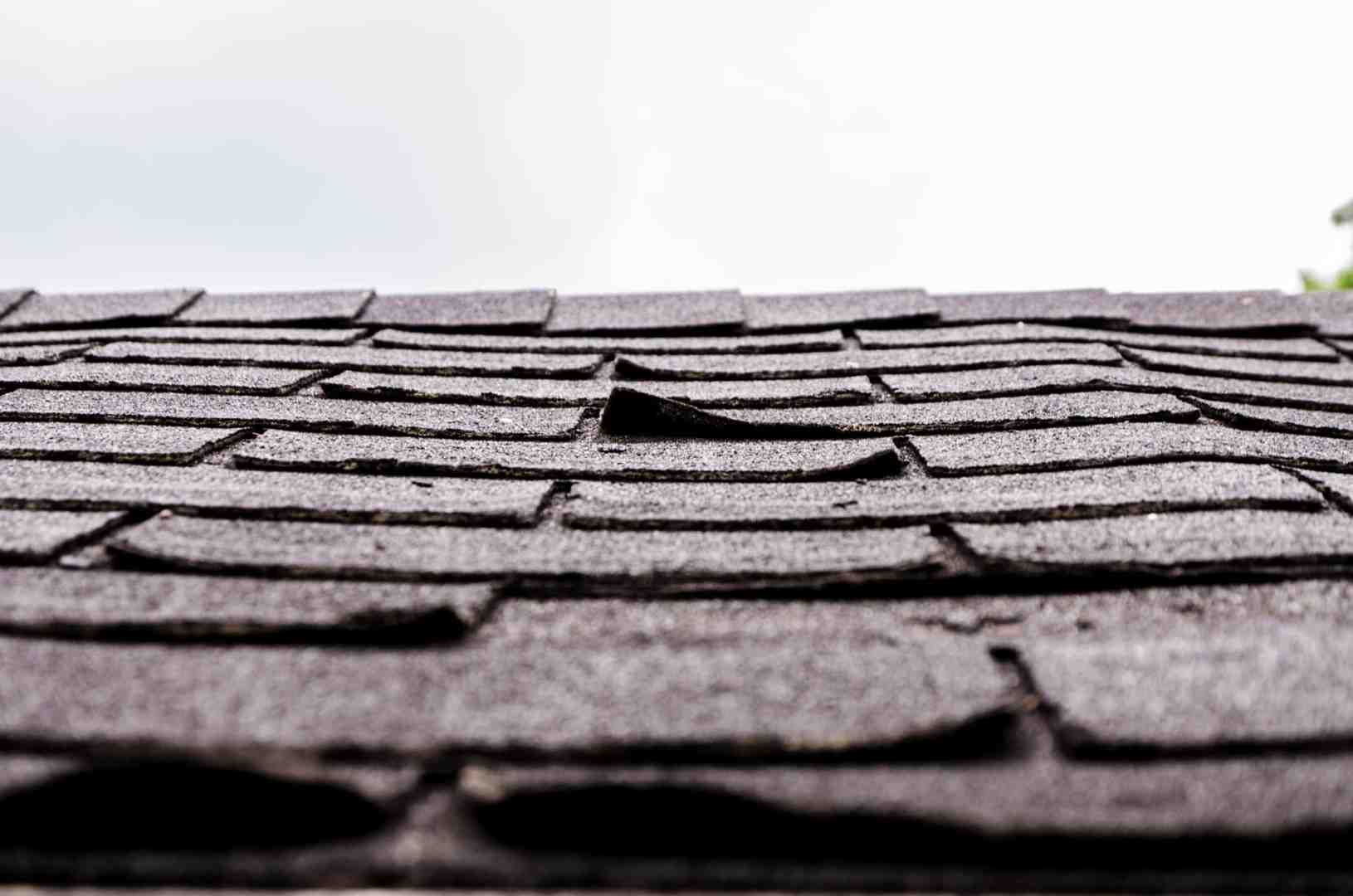
However, major damage—such as widespread granule loss, shingles that are curling across the entire roof surface, or large sections destroyed by high winds—usually signals that the roof’s lifespan has ended. In these cases, a patch is like putting a Band-Aid on a broken arm.
When to Consider a Full Roof Replacement
We recommend considering a full roof replacement if:
- The Age of the Roof: If your asphalt shingle roof is over 20 years old, the materials are likely too brittle to hold a patch effectively.
- Widespread Damage: If more than 20-30% of the roof is affected, patching becomes inefficient.
- Structural Sagging: If you see “dips” or sagging in the roofline, this indicates structural damage to the decking or rafters, which a simple roof patch cannot fix.
Signs You Need a Patch
Keep an eye out for these red flags that suggest you need to act fast with a repair:
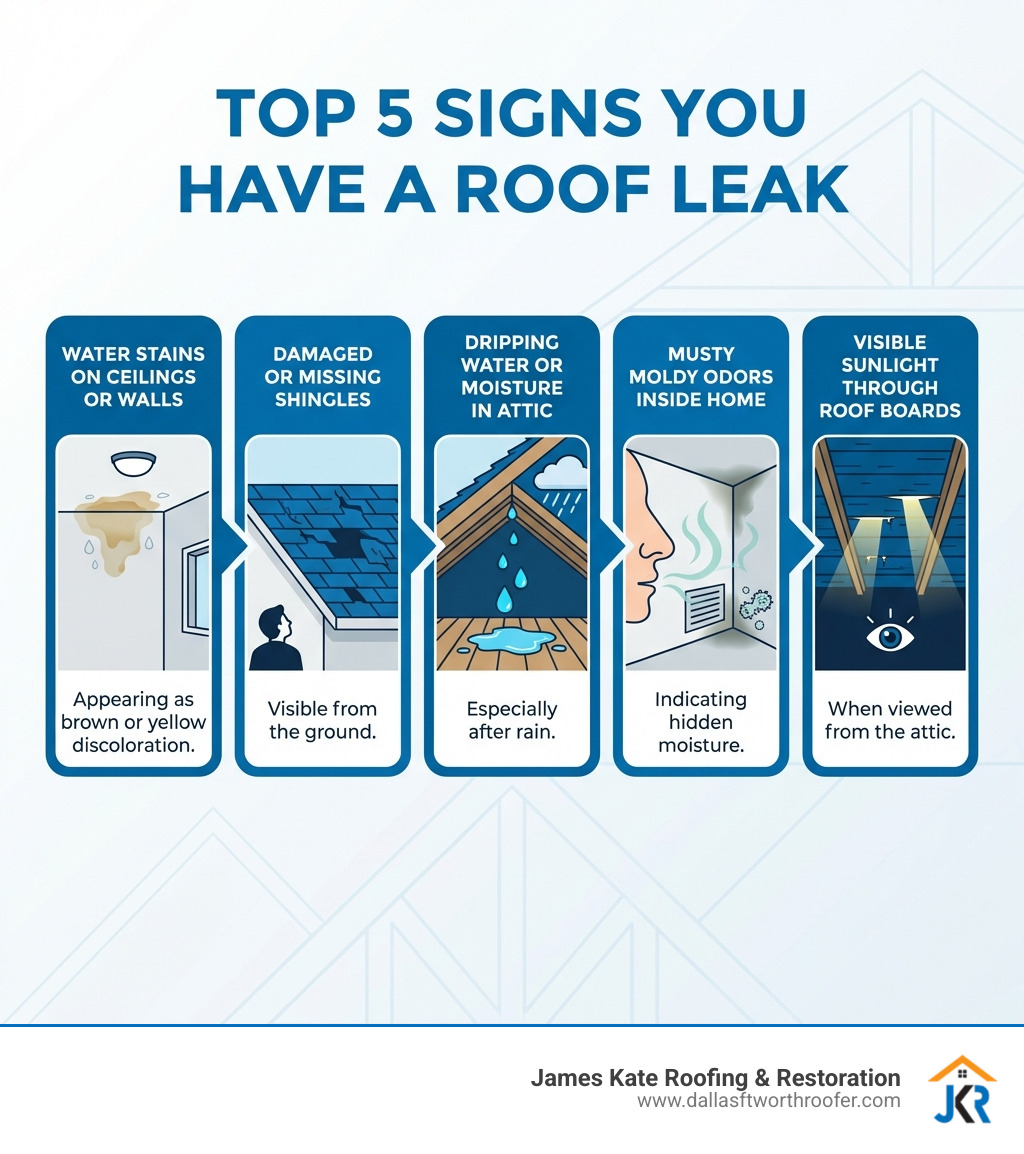
- Water stains on the ceiling: Often appearing as brown, tea-colored rings.
- Dripping water in the attic: Especially during our heavy North Texas rainstorms.
- Musty odors: A persistent smell of mildew in upper rooms or the attic.
- Sunlight visible through roof boards: If you’re in the attic during the day and see “stars,” you have a hole.
- Damaged flashing: Cracked or pulling sealant around chimneys and vents.
- Curled or missing shingles: These are the primary entry points for water.
When to Call a Professional Instead
While DIY is tempting, some situations are too risky or complex for a Saturday afternoon project. You should call us for a professional roof inspection if the damage covers a large area (typically more than 3×3 feet), if you aren’t comfortable on a ladder, or if you simply can’t find the source of a persistent leak.
Choosing the Right Type of Roof Patch
Selecting the right material is the difference between a leak that stays fixed and one that returns with the next storm. Your choice depends heavily on your roof type.
Sealants and Cements
These are the “go-to” products for small, intricate repairs.
- Roof Cement: A thick, asphalt-based material used to fill gaps in flashing or secure loose shingle tabs. It’s incredibly durable but can be messy.
- Bituminous Sealant: This dries through solvent evaporation and is excellent for sealing small gaps (less than 1/4 inch) around shingles and foundations.
- Silicone/Rubberized Sealants: These are often used for elastomeric roof coatings and are great for flat roofs because they handle ponding water better than asphalt-based products.
Tapes and Peel-and-Stick Patches
For a quick, temporary fix, waterproof adhesive tapes are lifesavers. They are particularly useful for repairing seams on metal roofing or small punctures. These products are best applied in dry weather to ensure the adhesive creates a permanent bond with the surface.
Using Replacement Shingles for a Roof Patch
When a shingle is missing or severely torn, the best roof patch is a new shingle. This provides a long-term, semi-permanent solution. The trick is matching the shingle color and style so your house doesn’t look like a patchwork quilt. For homeowners with asphalt shingle roofs, we always suggest keeping a spare bundle of shingles in the garage for these exact moments.
How to Apply a Roof Patch: A Step-by-Step Guide
Applying a roof patch isn’t just about slapping some “goop” on a hole. It requires precision and the right tools.
Step 1: Safety and Preparation
Safety is our top priority. Before you even think about climbing up, ensure your ladder is on level ground and you are wearing non-slip shoes.
- Clean the area: Use a stiff brush to remove dirt, moss, and loose granules. A roof patch will not stick to a dirty surface.
- Dry the surface: Unless you are using a specific “wet-surface” roof cement, the area must be bone-dry for the sealant to bond.
Step 2: Application
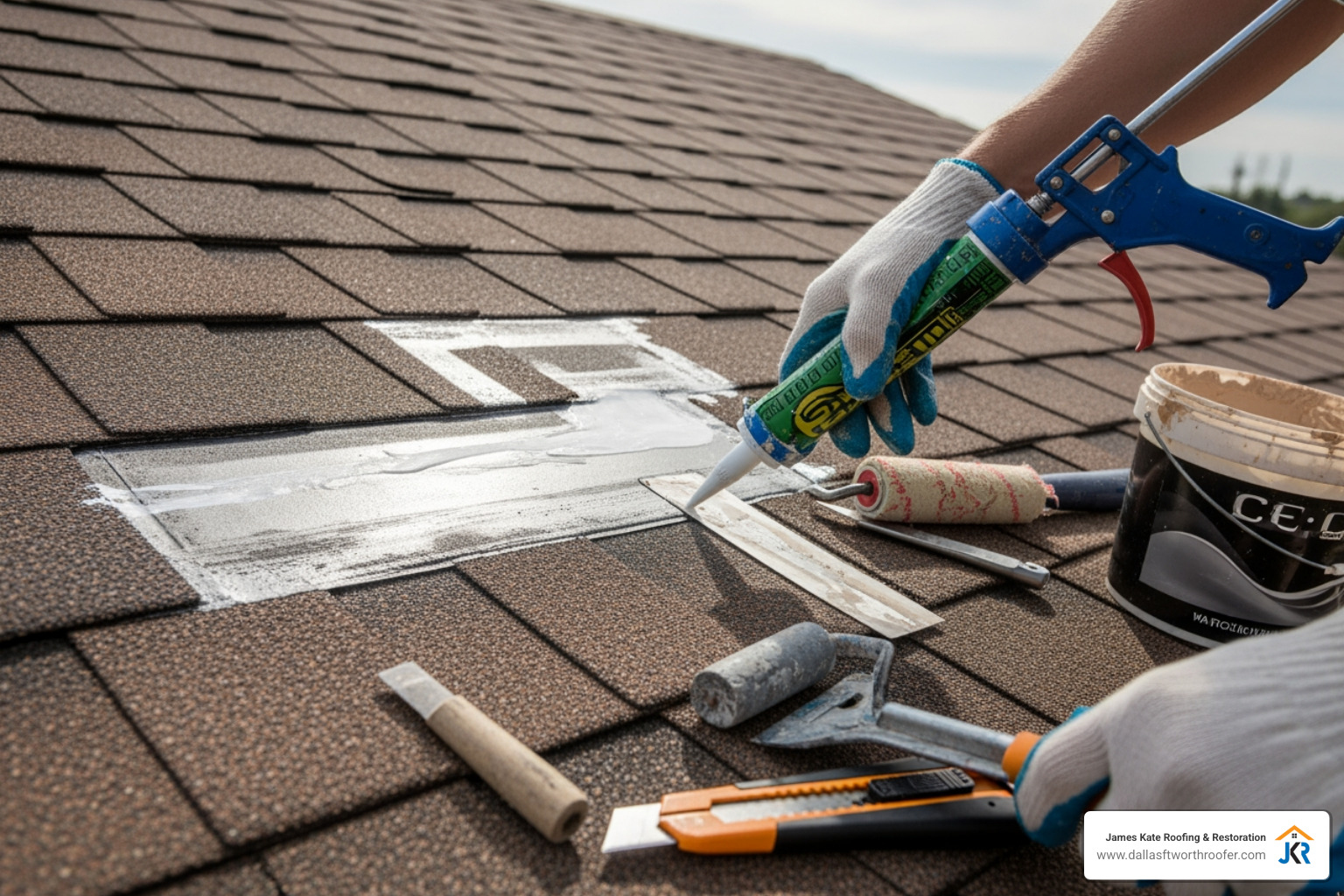
- For Sealants: Use a caulk gun or trowel to apply a thick, even layer. If you’re sealing a crack, make sure the sealant overlaps the edges by at least two inches.
- For Shingles: Use a pry bar to carefully lift the tabs of the shingles above the damaged one. Remove the old nails, slide the new shingle into place, and secure it with four roofing nails. Apply a small dab of roof cement under the tabs to keep them from lifting in the wind.
Step 3: Curing and Inspection
Patience is key. Most sealants take 24 to 48 hours to cure fully. We recommend checking your work after the first heavy rain. If you still see moisture in the attic, the leak might be coming from a different entry point “uphill” from the patch. If you’re unsure, our professional roof repairs come with the peace of mind that the job was done right the first time.
DIY vs. Professional Repair and Emergency Measures
Should you do it yourself? Let’s look at the numbers and the risks.
DIY vs. Hiring a Professional Roofer
| Feature | DIY Roof Patching | Professional Roof Repair |
|---|---|---|
| Cost | $50 – $150 (Materials only) | $300 – $1,000+ |
| Safety | High Risk (Falls, Heat) | Low Risk (Pro handles it) |
| Quality | Dependent on skill | Guaranteed / Warrantied |
| Time | 2 – 6 hours | 1 – 2 hours |
| Longevity | 1 – 2 years | 5 – 10+ years |
DIY is great for a single nail hole or a loose shingle tab. However, for anything more complex, the long-term value of a professional repair-backed by a warranty-usually outweighs the initial savings.
Emergency Roof Tarping
Sometimes, you can’t get a permanent roof patch on immediately-perhaps a storm is still raging or it’s the middle of the night. This is when emergency tarping is necessary.
- Cost: The cost to tarp a roof averages around $450, though it can range from $200 to $1,000 depending on size.
- Duration: A properly installed tarp can last up to 90 days, giving you time to file an insurance claim and schedule a permanent fix.
- Technique: Ensure the tarp goes over the ridge (peak) of the roof so water flows over it, not under it. Never use staples; use wood “furring strips” and screws to secure the edges. For those in Midlothian or Grand Prairie, our emergency roofing services can handle this safely for you.
Critical Safety on the Roof
We cannot stress this enough: roofing is dangerous. According to OSHA, falls are the leading cause of death in construction.
- Always use a spotter: Never work on a roof alone.
- Power lines: Stay at least 10 feet away from any overhead lines.
- Weather: Never go on a roof if it is wet, icy, or if winds exceed 15-20 mph.
- Attire: While we wear our royal blue James Kate shirts, we also wear specialized roofing boots. For DIYers, a good pair of rubber-soled sneakers is a must.
Learn more about roofing fall protection and ladder safety from OSHA here: OSHA – Fall Protection
Longevity, Maintenance, and Costs
A roof patch is often a temporary or semi-permanent fix. Understanding its limits helps you avoid surprises.
How Long Does a Roof Patch Last?
- Temporary Patches: Roofing tape or quick-dry caulk may only last 6 to 12 months.
- Semi-Permanent Patches: Roofing cement and replacement shingles can last 5 to 10 years if the surrounding roof is healthy.
- Maintenance: To make your patch last, perform regular roof maintenance. This includes clearing debris like leaves and branches that trap moisture against the patch.
The Cost of Ignoring a Leak
The $100 you spend on a roof patch today could save you $10,000 tomorrow. If you ignore a small leak:
- Rotted Sheathing: The wood deck under your shingles will rot, requiring expensive replacement.
- Mold Growth: Moisture in the attic leads to black mold, which is a health hazard and expensive to remediate.
- Insulation Damage: Wet insulation loses its R-value, causing your energy bills in Mansfield and Arlington to skyrocket.
Frequently Asked Questions about Roof Patching
Can I patch my roof in any weather?
No. Most roof patch products require a clean, dry surface and moderate temperatures (typically between 40-90°F) to adhere and cure properly. If you apply a patch during a Texas summer heatwave, the sealant may become too thin; if you apply it during a rare freeze, it may not bond at all.
How do I find the exact source of a roof leak?
Start by locating the water stain on your ceiling. In the attic, look directly above the stain and trace the water trail “uphill” on the underside of the roof deck. The entry point is often several feet away from where the drip appears because water travels along rafters before falling. Common culprits are roof penetrations like vents, chimneys, or skylights.
Can a roof leak be fixed without replacing the whole roof?
Absolutely. If your roof is generally healthy and the damage is isolated, a professional roof patch is a highly effective, cost-efficient solution. It stops the damage in its tracks and can extend the life of your roof by several years.
Your Partner in Protecting Your Home
A roof patch is an excellent tool in your home maintenance arsenal. By identifying problems early and using the right materials, you can protect your biggest investment without breaking the bank. Whether you’re dealing with a few missing shingles after a storm in Granbury or a pesky leak in Midlothian, safety and material compatibility are your top priorities.
While small fixes are manageable for many homeowners, a professional repair ensures a watertight seal that is guaranteed to last. At James Kate Roofing & solar, we bring our family-owned values and GAF-certified expertise to every job, ensuring your home stays dry and your family stays safe.
Ready to have a professional assess your roof? Schedule your free, no-obligation inspection today!

Dustin Eatman is a seasoned roofing professional with deep, hands-on expertise that spans residential and commercial roofing, insurance solar, and long-term roof asset management. As the owner of James Kate Roofing & solar in the Dallas–Fort Worth metroplex, he’s built a reputation for diagnosing roof systems accurately, communicating clearly, and executing projects with a high standard of workmanship and documentation. Dustin understands the technical details that make roofs perform—proper underlayment selection, slope and drainage considerations, ventilation strategy, flashing and penetration detailing, and manufacturer-specific installation requirements—because he’s worked through the real-world challenges that cause leaks, premature wear, and warranty issues. He’s equally fluent in the operational side of roofing: jobsite planning, quality control, safety, material ordering, crew coordination, and customer experience from inspection to closeout. In insurance-related projects, Dustin brings practical knowledge of claim workflows, adjuster meetings, scope alignment, supplements, and the importance of photo evidence and thorough records, helping property owners navigate stressful situations with confidence. For commercial clients—especially property and facility managers—he emphasizes proactive maintenance and targeted repairs that reduce disruption, extend roof life, and prevent expensive interior damage. Dustin also stays focused on doing things the right way: educating customers on realistic options, setting expectations, and prioritizing solutions that hold up over time rather than quick fixes. That blend of technical skill, field experience, process discipline, and owner-level accountability is what makes Dustin Eatman a trusted expert in the roofing industry.