
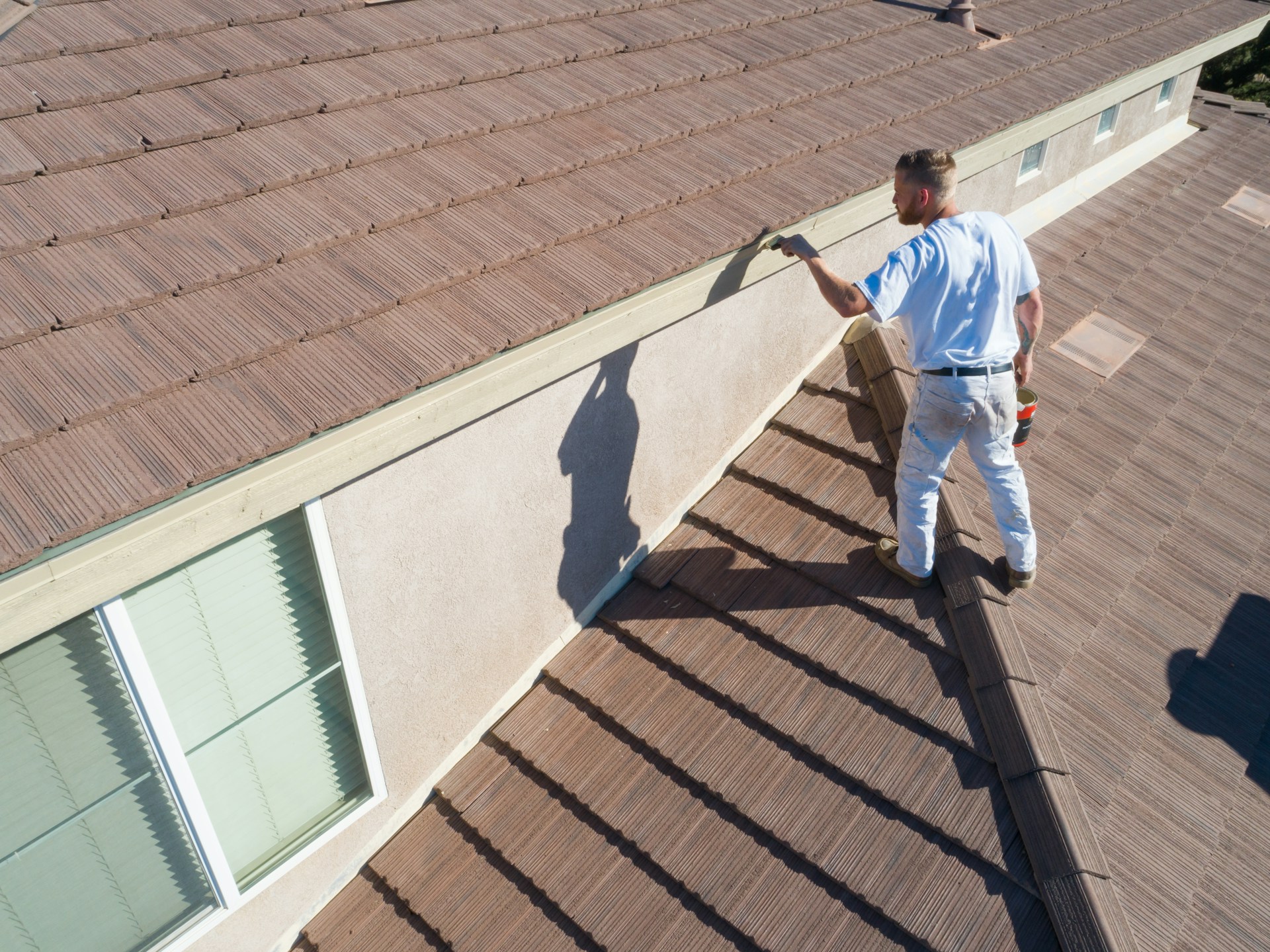
If you’ve noticed a water stain on your ceiling, a mysterious drip during a rainstorm, or even just a damp spot in your attic, you’re already on the right track by searching for answers. Finding roof leaks quickly is key to preventing expensive water damage and mold growth in your Dallas-Fort Worth home. The good news is that most leaks start in just a few vulnerable roof areas, flashings, valleys, and penetrations. Understanding what these are, how they fail, and what you can safely check on your own will help you spot problems early and know when it’s time to call in a roofing pro like James Kate Roofing & Solar.
Why Finding Roof Leaks Early Matters in DFW
North Texas weather can be tough on roofs. Hail, gusty winds, and big temperature swings all take a toll, especially on older roofs or those with minor existing issues. Even a small leak can rapidly become a major headache if left unchecked, soaking insulation, warping wood, and spawning mold in just days. That’s why finding roof leaks at the earliest signs, before water damage spreads, is so important for homeowners in the Dallas-Fort Worth area.
What Are the Most Common Places Roofs Leak?
While a leak might seem like it could start anywhere, the vast majority originate in three key spots:
- Flashings: Thin metal pieces that seal joints and roof edges.
- Valleys: Where two roof slopes meet and channel water off your roof.
- Penetrations: Anything that sticks up through your roof, like vents, pipes, or chimneys.
Let’s break down each one so you know exactly what to look for.
Flashings: The Unsung Heroes (and Trouble Spots) of Your Roof
What Are Flashings?
Flashings are the strips of metal (usually aluminum or galvanized steel) that seal the edges and joints on your roof. You’ll find them:
- Around chimneys and skylights
- Where the roof meets a wall
- Along roof edges and ridges
Flashings are designed to direct water away from seams and vulnerable joints, basically, anywhere shingles alone aren’t enough.
Why Do Flashings Leak?
Over time, Texas weather can cause flashings to:
- Rust or corrode, especially after hail or heavy rain
- Lift or bend from wind gusts
- Pull away from the roof if the sealant underneath dries out or cracks
- Become damaged by shifting shingles or debris
Even a small gap in flashing can let water sneak underneath, leading to leaks and hidden water damage.
Signs of Flashing Damage or Leaks
You might spot trouble with your flashings if you see:
- Rust stains on chimneys or walls below rooflines
- Pieces of metal sticking up or looking bent from the ground
- Water stains or dampness around your fireplace, attic walls, or where the roof meets the siding
Tip: If you’re comfortable, use binoculars to scan for bent or missing metal along roof edges and around chimneys or vents from the ground. Never climb onto your roof yourself.
What Can Homeowners Check?
- Look for rust, loose metal, or gaps where flashing meets brick or siding.
- From inside your attic, check for daylight shining through around chimneys or vent pipes (a sure sign of a flashing problem).
- After a storm, inspect for new water stains on ceilings or near fireplaces.
If you spot any of these warning signs, it’s best to have a professional roofer like James Kate Roofing inspect further. Flashing repair often requires specialized tools and expertise to ensure a proper seal.
Valleys: Where Water Collects (and Sometimes Sneaks In)
What Are Roof Valleys?
A valley is where two roof slopes meet, forming a channel that directs rainwater down to your gutters. Because so much water flows through valleys during storms, they’re one of the most leak-prone areas on any roof.
Why Do Valleys Leak?
Valleys are vulnerable because:
- The constant water flow can wear away shingles and underlayment faster than elsewhere.
- Debris like leaves and branches can collect, trapping moisture and causing rot.
- Poor installation or aging can cause the metal (or “woven”) valley materials to gap or crack.
- Hail can dent valley metal or knock shingles loose, letting water seep underneath.
Signs of Valley Leaks
Watch for:
- Water stains on ceilings that line up with where valleys are on your roof
- Visible debris buildup in valleys from the ground
- Sagging or “dipped” rooflines where two slopes meet
- Shingle edges curling or missing along valleys
Example: If you notice a brown spot on your upstairs hallway ceiling and it’s directly under a spot where two roof slopes meet outside, there’s a good chance the valley is the culprit.
What Can Homeowners Check?
- Use binoculars from the ground to scan valleys for missing or shifted shingles, or piles of leaves.
- After a heavy rain, check your attic for wet spots or drips under the valleys.
- Feel for soft or damp drywall along the ceiling under roof valleys.
If you suspect valley leaks, professional repair is crucial. Valley problems often require removing and replacing large sections of roofing to ensure water is properly diverted.
Penetrations: Pipes, Vents & Chimneys, Common Leak Sources
What Are Roof Penetrations?
Penetrations are anything that comes through your roof surface, such as:
- Plumbing vent pipes
- Exhaust fans or dryer vents
- Skylights
- Chimneys
- Satellite dishes or
Choosing a dfw roofing company that specializes in both solar services offers several distinct advantages.
Streamlined Process: Instead of coordinating two separate contractors (one for the roof, one for solar), you have a single point of contact for the entire project. This simplifies communication, scheduling, and accountability.
Integrated System Design: Our solar experts can design a system where the solar panels are seamlessly integrated with your new or existing roof, optimizing both the roof’s integrity and the solar array’s performance.
Potential Cost Savings: Combining services can sometimes lead to efficiency savings, both in terms of time and potentially cost.
Expertise in Roof Penetration and Sealing: Installing solar panels requires penetrating the roof, which, if not done correctly, can lead to leaks. Our dual expertise ensures that all roof penetrations are properly sealed and waterproofed, preserving your roof’s warranty and integrity. We specialize in rack-mounted solar options that are installed with the utmost care for your roof.
It’s a holistic approach that ensures your roof and solar system work in perfect harmony, providing both protection and energy independence.
Partner with a DFW Roofer You Can Trust
Navigating the complexities of roofing in the Dallas-Fort Worth metroplex requires more than just a contractor; it demands a trusted partner. Our journey through the qualities of a top dfw roofing company highlights the critical importance of local experience, an outstanding reputation, elite certifications, proven trust, and comprehensive warranties. We hope this guide empowers you to make an informed decision for your home or business.
The key takeaway is clear: research is paramount. Always choose local and reputable contractors who demonstrate a long-term commitment to our community. This ensures not only the immediate quality of your roofing project but also the long-term value and protection of your investment.
For a comprehensive evaluation of your roofing needs and a partner committed to quality, schedule your free inspection today. We’re here to serve you with honesty, integrity, and the expertise you deserve.
panel mounts
Each penetration needs a special waterproof seal (usually a rubber “boot” or metal flashing) to keep water out.
Why Do Penetrations Leak?
North Texas weather is rough on these seals. Penetrations leak when:
- Rubber boots crack or split after years of sun and temperature changes
- Hail or wind physically damages the flashing or rubber
- Sealant dries out and peels away
- Installation was rushed or not up to code
Signs of Penetration Leaks
Look for:
- Water stains or mold rings around ceiling vents or light fixtures
- Drips or wet insulation in the attic directly under pipes or vents
- Sunlight visible around vent pipes when in your attic, a dead giveaway of a failed seal
- Cracked rubber boots or loose metal collars visible from the ground
Pipe boot leaks are especially common after hailstorms or during periods of intense heat that cause rubber to dry and crack.
What Can Homeowners Safely Check?
- From the attic, look during the day for any pinholes of light around pipes or vents.
- Check ceilings under bathrooms or laundry rooms for new water stains.
- Use binoculars outside to look for cracked or missing rubber seals on vent pipes.
If you suspect a penetration leak, don’t wait. These can quickly lead to water damage and even electrical issues if water reaches wiring in the attic.
How DFW Weather Makes Leak-Prone Areas Worse
Dallas-Fort Worth roofs face unique challenges:
- Hail: Dents flashings and valleys, cracks shingle seals, and can tear rubber boots on penetrations.
- Wind: Lifts shingles, bends flashings, and can loosen vent pipes.
- Temperature Swings: Hot summers and cold snaps cause materials to expand and contract, weakening seals over time.
- Debris: High winds can pile up leaves and branches in valleys, trapping moisture and accelerating rot.
After major storms, always keep an eye out for new leaks, especially in the areas covered above. Even roofs that look fine from the outside may have hidden damage that leads to water intrusion.
DIY Roof Leak Checks (Without Climbing on the Roof)
You don’t need to risk your safety to spot early signs of roof leaks. Here’s what you can do from the ground and inside your home:
- Use binoculars to scan rooflines for bent flashings, missing shingles, or debris in valleys.
- Check the attic after rain, look for wet insulation, dark spots on wood, or daylight around penetrations.
- Inspect ceilings for new stains, bubbling paint, or peeling wallpaper.
- Walk the exterior and look for rust streaks or water running down siding under flashings or valleys.
If you notice any of these warning signs, take photos for your records and contact a reputable local roofer for a closer inspection.
When to Call a Professional for Roof Leak Repair
Some problems, like a small stain, might seem minor. But even tiny leaks can quickly escalate, especially with our unpredictable North Texas weather. Here’s when it’s time to call in the experts at James Kate Roofing:
- You see recurring water stains or new drips after storms
- There’s visible damage to flashings, valleys, or rubber boots from the ground
- You find wet insulation or daylight in your attic around penetrations
- Your roof is older or has survived several hail events
Professional roofers can safely access your roof, identify the exact source of leaks, and recommend the right repairs. Trying to fix these issues yourself, especially without the right safety equipment or experience, can be dangerous and may even void your roof warranty.
Protect Your Home: Trust Local DFW Roof Leak Experts
Finding roof leaks quickly is the best way to protect your home from costly water damage and stressful insurance claims. By understanding how flashings, valleys, and penetrations work, and what signs of leaks to watch for, you’re already one step ahead.
If you spot warning signs or just want peace of mind, James Kate Roofing & Solar is here to help. We’re your local, experienced DFW roofing experts, and we know exactly how North Texas storms impact these vulnerable roof areas. Our team provides honest assessments, clear explanations, and professional repairs, without the pushy sales tactics.
Don’t wait for small leaks to become big problems. Schedule a professional inspection and get answers you can trust. For help finding roof leaks, roof leak repair, or storm damage assessments in Dallas-Fort Worth, contact James Kate Roofing & solar today.
Ready to protect your home from leaks and water damage?
Request your free inspection online. Serving Dallas, Fort Worth, Arlington, and all of North Texas with honest, expert roofing solutions.