Why Finding the Right Roofer Matters More Than You Think
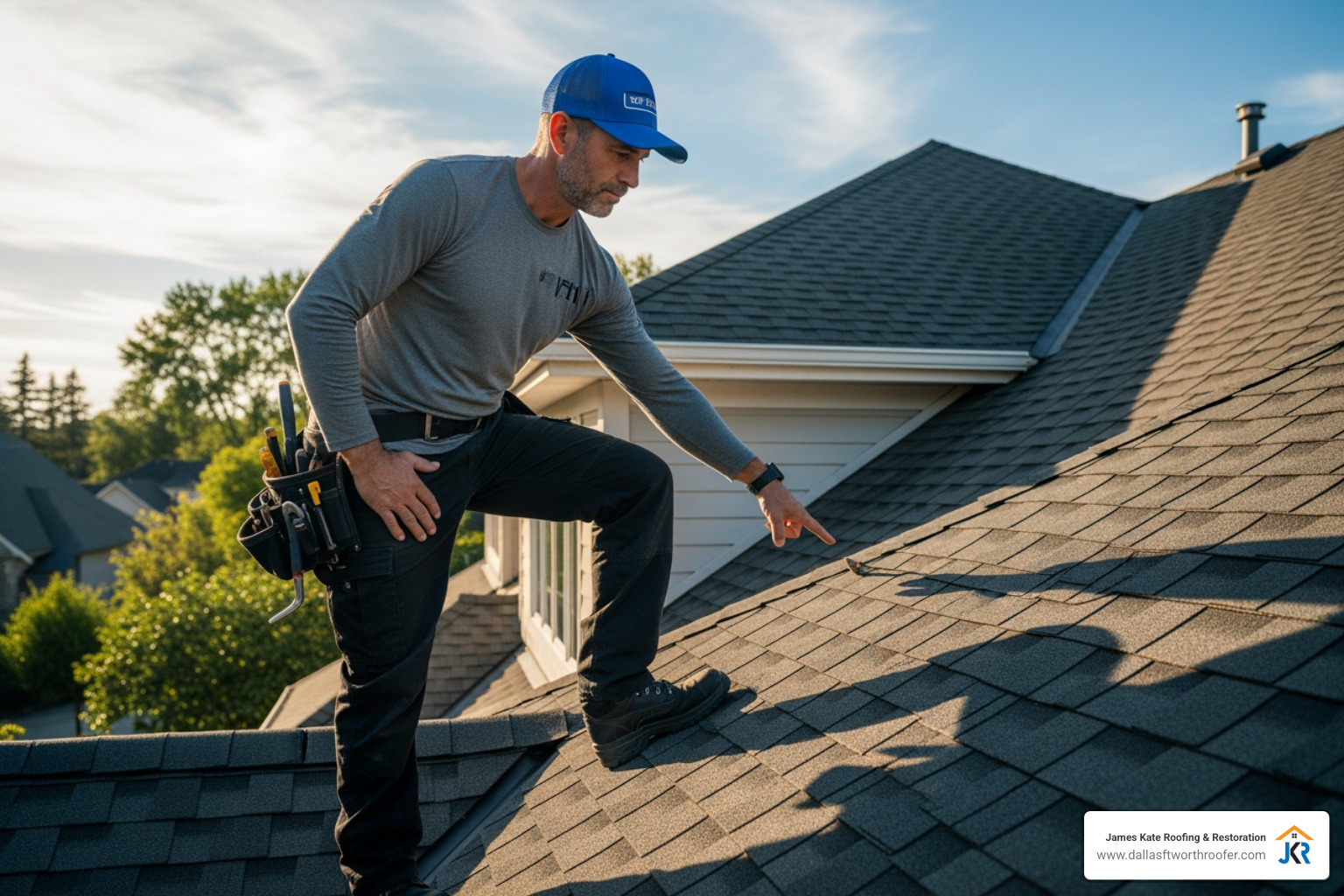
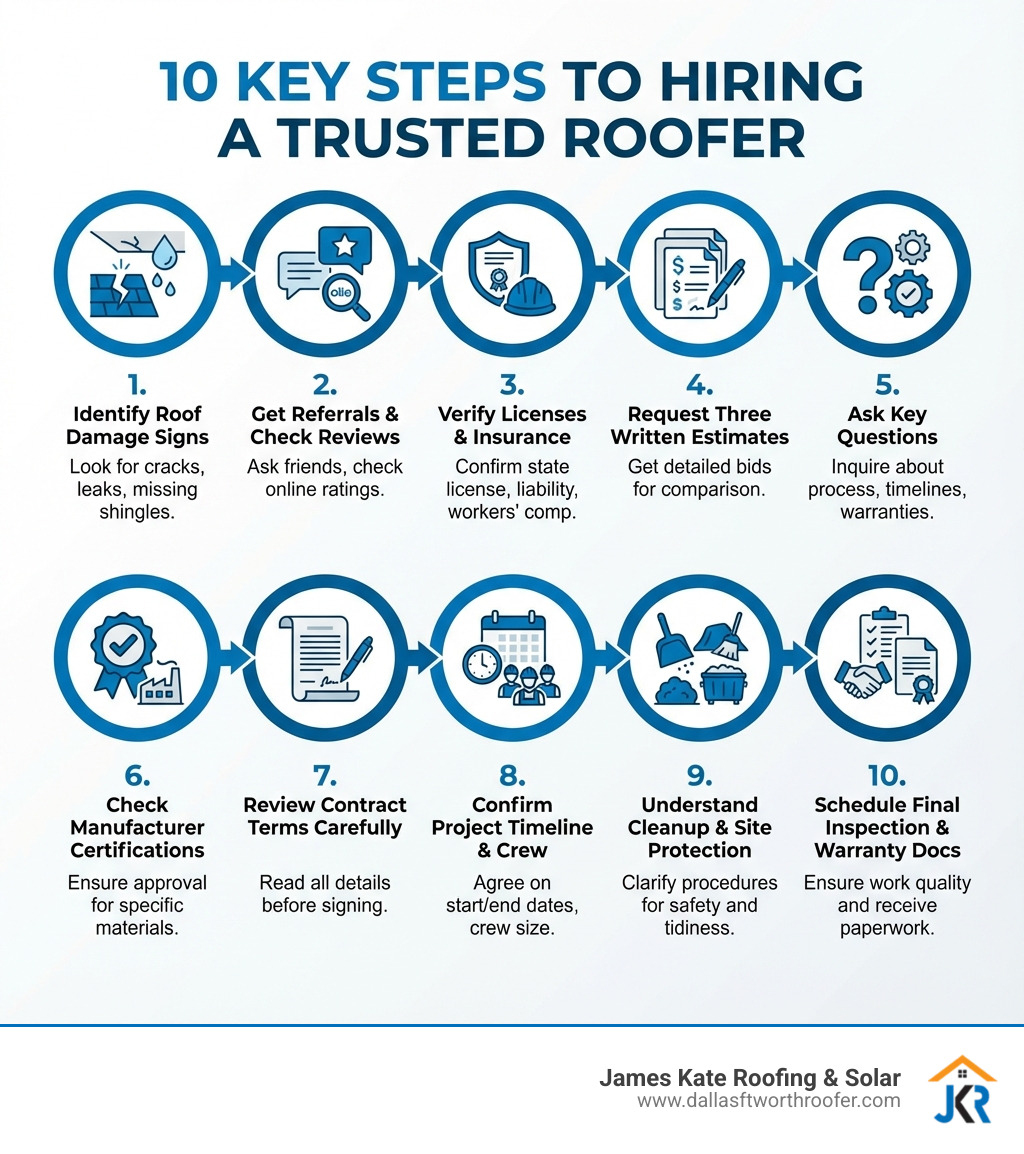
When I need a roofer, the first step is to verify they’re licensed, insured, and have a proven local track record. Start by checking online reviews, asking for references, and confirming manufacturer certifications like GAF Master Elite status. Get at least three written estimates, verify their insurance coverage, and ensure they offer clear warranties on both materials and workmanship.
Quick Steps to Find a Trusted Roofer:
- Check credentials – Verify licensing, insurance, and manufacturer certifications
- Read reviews – Look at BBB ratings and online customer feedback
- Get multiple bids – Request at least three detailed written estimates
- Verify insurance – Confirm liability and workers’ compensation coverage
- Ask about warranties – Understand what’s covered and for how long
- Check references – Contact past clients about their experience
Realizing your roof might be failing is stressful. A leak in the attic, water stains spreading across your ceiling, or shingles scattered in your yard after a storm—these aren’t just inconveniences. They’re urgent problems that can lead to thousands of dollars in interior damage if you don’t act quickly.
But finding a trustworthy professional to fix it can feel just as overwhelming. How do you know who’s qualified? Who will give you a fair price? Who will actually show up and do quality work?
This guide simplifies the entire process. We’ll walk you through identifying real problems that need immediate attention, finding and vetting qualified contractors in your area, understanding costs and materials, and navigating the project from the first inspection to the final walkthrough. You’ll also learn how to work with insurance after storm damage and how to extend your roof’s life through smart maintenance.
I’m Dustin Eatman, owner of James Kate Roofing & solar in the Dallas-Fort Worth area, and I’ve helped hundreds of property owners steer the exact situation you’re facing when you realize “I need a roofer.” From insurance solar to full replacements, I’ve seen what separates a smooth project from a nightmare—and I’m here to share what actually works.
First, Do You Really Need a Roofer? Key Warning Signs
Before you even start searching for a roofing contractor, it’s helpful to understand what signs indicate you truly need a roofer for repairs or even a full replacement. Spotting these issues early can save you from more extensive and costly damage down the line.
Here are some common red flags that your roof is in distress:
- Leaks in the attic: This is often the most obvious sign. If you see water dripping or pooling in your attic, your roof’s integrity has been compromised.
- Water stains on ceilings: Stains, especially yellowish or brownish discoloration, on your interior ceilings or walls, directly below your roof, are clear indicators of a leak.
- Missing or broken shingles: Strong winds, hail, or even just age can cause shingles to detach or crack. This leaves your roof deck exposed to the elements.
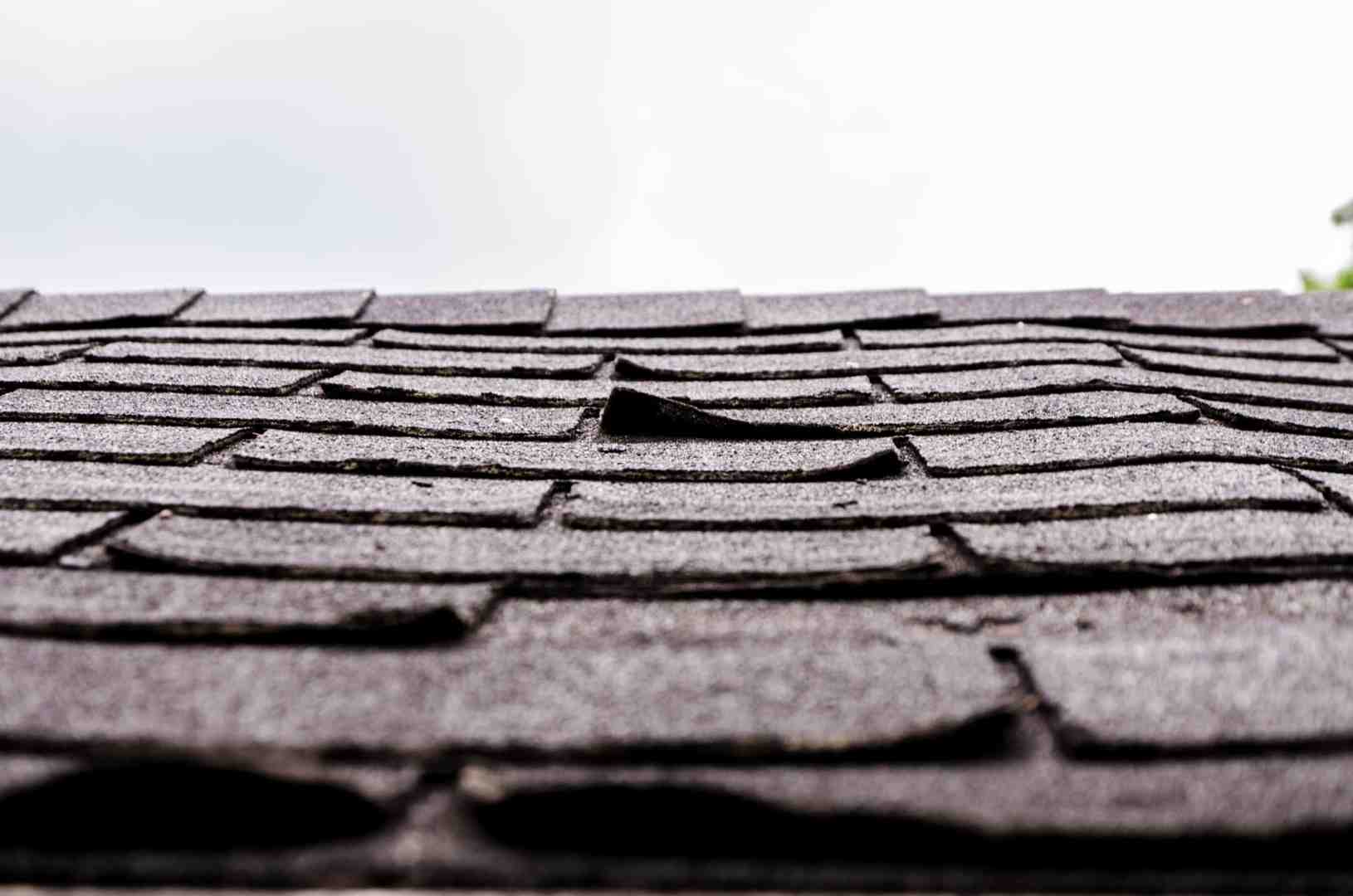
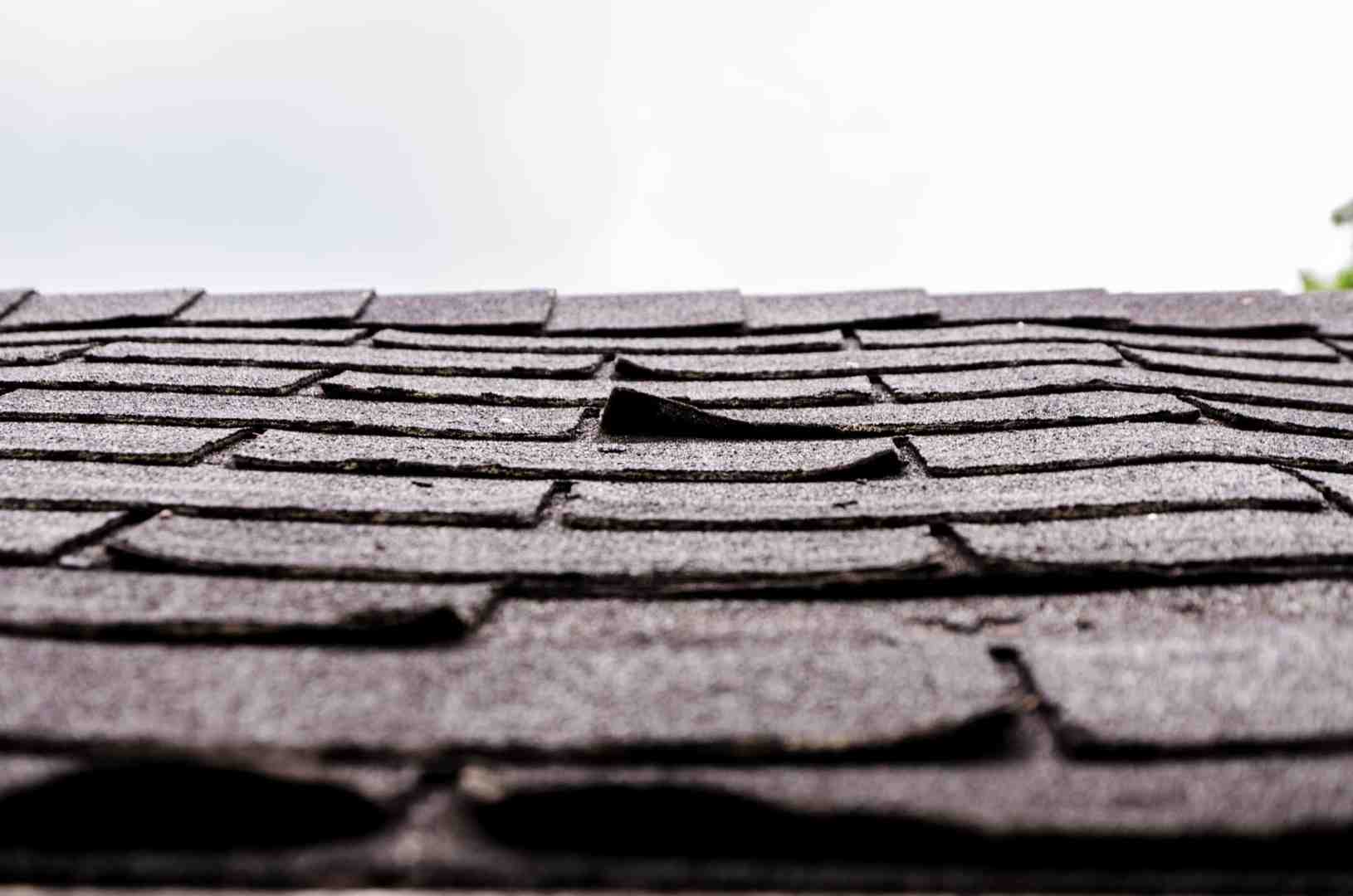
- Curling or buckling shingles: Shingles that are curling at the edges or buckling in the middle are often a sign of moisture absorption, improper installation, or simply that they’re nearing the end of their lifespan.
- Shingle granules in gutters: If you notice a significant amount of sand-like granules in your gutters or downspouts, it means your asphalt shingles are losing their protective top layer. This layer shields the shingles from UV rays and helps them shed water. Losing it reduces their effectiveness and lifespan.
- A spongy or soft feel when walking on the roof: If your roof feels soft or bouncy when walked on, it could indicate water damage to the underlying decking. This can be a serious structural issue.
- Roof age over 20 years: A typical asphalt shingle roof has a lifespan of 20-25 years. If your roof is approaching or has exceeded this age, it’s wise to have it inspected, even if there are no obvious signs of damage. It might be time for a proactive replacement to avoid emergency situations.
- Visible damage after a storm: After a severe storm with high winds or hail, always inspect your roof from the ground for obvious damage. Even if you don’t see anything immediately, a professional inspection is crucial, as hidden damage can lead to future leaks.
If you observe any of these signs, it’s definitely time to call in the professionals. Ignoring these warnings can lead to structural damage, mold growth, and significantly higher repair costs. For specific issues, we can help with roof repairs. You can learn more about roof repairs and how we can assist you by visiting our dedicated page: Learn more about roof repairs.
How to Find and Vet a Reputable Roofing Contractor
Once you’ve determined that you need a roofer, the next crucial step is finding a contractor you can trust. This is where many homeowners feel overwhelmed, but with a clear process, you can confidently select a reputable and qualified professional.
Here’s how we recommend approaching the search and vetting process:
- Local reputation: Start by asking friends, family, and neighbors in the DFW area (Mansfield, Arlington, Granbury, Grand Prairie, Midlothian) for recommendations. A contractor with a strong local reputation often indicates reliable service.
- Online reviews: Check online platforms like the Better Business Bureau (BBB) for ratings and customer feedback. The BBB assigns ratings from A+ (highest) to F (lowest), which can be a good indicator of a company’s reliability. You can check for contractors on the BBB by visiting their near-me page: Check for contractors on the BBB.
- Manufacturer certifications: Look for contractors who hold certifications from major manufacturers like GAF. GAF is North America’s largest roofing manufacturer, and their certified contractors (like us, with GAF President’s Club recognition) are trusted to offer stronger guarantees and warranties. You can find GAF-certified roofers in your area by entering your zip code on their site: Find GAF-certified roofers in your area.
- Insurance verification: Always ask for proof of liability and workers’ compensation insurance. This protects you in case of accidents or damage during the project.
- Licensing checks: Most states, including Texas, require roofers to be licensed. Verify their license to ensure they meet professional standards and avoid potential issues with quality or code violations.
- Written estimates: Never proceed without a detailed, written estimate. This should outline all costs, materials, timelines, and scope of work.
- Experience: A contractor’s years in business can speak volumes. We’ve been serving the DFW area for years, building a reputation for quality and integrity.
How Do I Find a Reputable Contractor When I Need a Roofer?
Finding a reputable contractor when you need a roofer involves a bit of detective work, but it’s well worth the effort.
- Ask for local referrals: This is often the most reliable way to find good service. Personal recommendations from people you trust carry significant weight.
- Check for industry association memberships: Membership in respected industry associations like the National Roofing Contractors Association (NRCA) demonstrates a commitment to professionalism and industry standards. The NRCA recommends prequalifying roofing contractors and offers guidelines to help you do so. You can learn more about selecting a contractor from the NRCA: NRCA guidelines for selecting a contractor.
- Verify their permanent business address: A contractor with a permanent, local office is usually more reliable than one operating out of a truck. This ensures accountability and that they’ll be around if you need them after the job is done.
- Get at least three detailed bids to compare: Don’t just go with the first quote. Compare bids from different contractors, ensuring they all propose the same scope of work and materials so you’re comparing apples to apples. Beware of bids that seem too good to be true; roofing labor costs generally make up about 60% of the overall project cost, so significantly lower bids might indicate shortcuts.
Key Questions to Ask Before You Hire
Once you’ve narrowed down your choices, prepare a list of questions for each potential contractor. This will help you assess their expertise, process, and customer service.
Here are some essential questions to ask a potential roofer:
- Do you use subcontractors? If so, ask about their vetting process for subcontractors and who will be responsible for their work.
- What is your project timeline? Get a clear understanding of when they can start, how long the project is expected to take, and what factors might cause delays (like weather).
- How do you handle cleanup? A professional roofer should have a plan for protecting your property during the project and thoroughly cleaning up all debris afterward.
- Will you remove the old roof? Most roof replacements involve tearing off the old roof, as layering new shingles over old ones can void warranties and lead to premature failure. Confirm this is part of their process.
- What does your warranty cover? Understand both the material warranty from the manufacturer and the workmanship warranty from the contractor. Ask for copies in writing.
- Can you provide references from recent projects in my area (e.g., Mansfield, Arlington, Granbury, Grand Prairie, Midlothian)? Speaking to past clients can provide valuable insights into a contractor’s reliability and quality of work.
- Are you licensed and insured? Always confirm they have current licenses and appropriate insurance (liability and workers’ compensation).
We believe in transparency and are always ready to answer any questions you have. You can get your questions answered and reach out to us directly here: Get your questions answered.
Understanding the Costs and Materials When I Need a Roofer
When you realize I need a roofer, one of the first things on your mind is likely, “How much will this cost?” Roofing projects represent a significant investment, and understanding the factors that influence pricing is key to budgeting and making informed decisions.
On average, roof repair costs between $380 and $1,800, with most homeowners spending approximately $1,100 on a roofing repair project. However, the cost to replace a roof ranges from $5,890 to $12,800 on average. These are broad averages, and your specific costs will depend on several factors:
- Roof size: Larger roofs naturally require more materials and labor.
- Roof pitch (steepness): Steeper roofs are more challenging and dangerous to work on, often requiring specialized equipment and more labor hours, which increases costs.
- Material choice: Different roofing materials have vastly different price points (more on this below!).
- Location: Costs can vary slightly based on regional labor rates and local material availability in areas like Mansfield, Arlington, Granbury, Grand Prairie, or Midlothian.
- Complexity: Features like multiple valleys, skylights, chimneys, or intricate rooflines add to the labor and material costs.
- Extent of damage: If there’s underlying damage to the roof deck, flashing, or other components, these repairs will add to the overall expense.
That roofing labor costs generally make up about 60% of the overall project cost. This highlights the importance of choosing skilled professionals who ensure proper installation, which is crucial for your roof’s longevity and performance.
To help manage these costs, we understand that financing options can be incredibly helpful. We offer various financing solutions to make your roofing project more manageable. You can explore our financing options here: Financing options.
Common Roofing Materials: Pros & Cons
Choosing the right roofing material is a big decision when you need a roofer, as it impacts cost, lifespan, aesthetics, and performance. Here’s a look at some common options:
| Material | Lifespan | Cost (Installation) | Key Benefits |