Why Understanding Architectural Shingles vs 3-Tab Matters for Your Home
Architectural shingles vs 3-tab is one of the most important decisions you’ll make when replacing your roof. These two types of asphalt shingles differ significantly in construction, performance, and cost—and understanding those differences can save you thousands of dollars while protecting your biggest investment.
Quick Comparison:
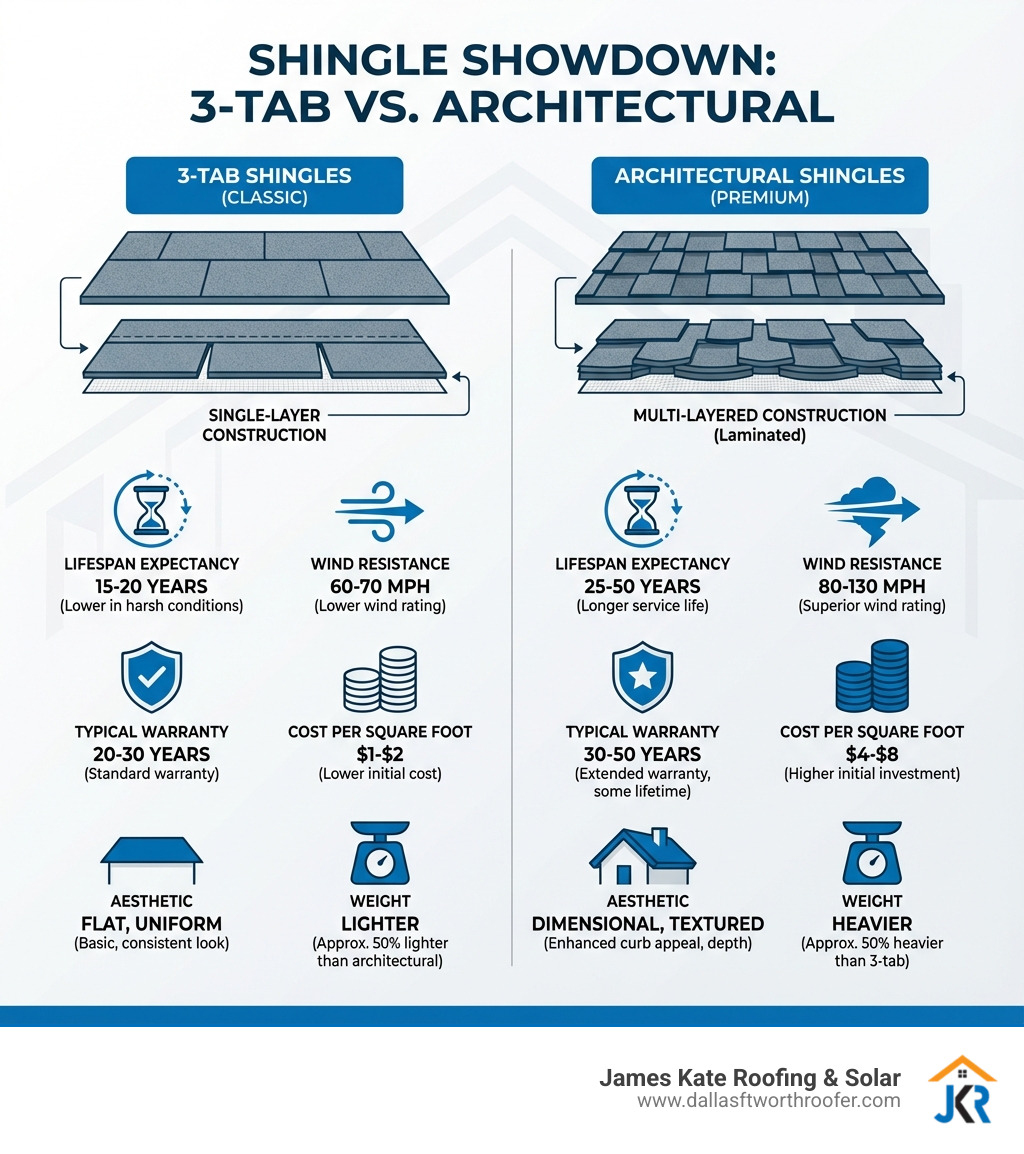
| Feature | 3-Tab Shingles | Architectural Shingles |
|---|---|---|
| Lifespan | 15-20 years (often less in harsh conditions) | 25-50 years |
| Wind Resistance | 60-70 mph | 80-130 mph |
| Warranty | 20-30 years | 30-50 years (some lifetime) |
| Cost per Square Foot | $1-$2 | $4-$8 |
| Appearance | Flat, uniform | Dimensional, textured |
| Weight | Lighter | About 50% heavier |
The Bottom Line: Architectural shingles cost more upfront but last significantly longer, resist severe weather better, and dramatically improve your home’s curb appeal. For most DFW homeowners, they represent a smarter long-term investment—especially given our region’s high winds and hail storms.
I’m Dustin Eatman, owner of James Kate Roofing & Solar in the Dallas-Fort Worth metroplex, and I’ve installed, inspected, and repaired both architectural shingles vs 3-tab on hundreds of homes throughout North Texas. I’ve seen how the right shingle choice can mean the difference between a roof that fails after the next storm and one that protects your family for decades.
The Building Blocks: Construction and Appearance
When you look at a roof, the shingles are the first thing you notice. But beyond their visual appeal, the way they’re constructed tells a story about their durability and performance. The fundamental differences between architectural shingles vs 3-tab begin right here, at their very core.

Both types of shingles are made from similar materials: an asphalt-saturated fiberglass mat, covered with ceramic-coated mineral granules. However, it’s how these materials are put together that creates their distinct characteristics. This difference in material composition directly impacts their shingle weight, visual texture, and overall resilience.
What Are 3-Tab Shingles?
Imagine a single, flat strip of asphalt shingle with three evenly spaced cutouts along its bottom edge. That’s essentially a 3-tab shingle. This single-layer construction gives them a flat profile and a very uniform appearance when installed. Each shingle looks like three individual pieces because of these cutouts, or “tabs,” but it’s all one continuous strip.
Because of this simpler design, 3-tab shingles are lighter than their architectural counterparts. This can sometimes be a consideration for older homes with potentially weaker roof structures, though it often comes with trade-offs in durability. Their lightweight nature also contributes to their lower cost.
What Are Architectural Shingles?
In contrast, architectural shingles—also known as laminated or dimensional shingles—are crafted from multiple layers of asphalt fused together. This multi-layer construction creates a thicker, heavier shingle with a dimensional, textured appearance. Unlike the uniform look of 3-tab, architectural shingles often feature varied shapes and sizes within their design, creating a more sophisticated, sculpted look.
This heavier weight, about 50 percent more than 3-tab shingles, isn’t just for show. It contributes significantly to their strength and durability. One of the most popular features of architectural shingles is their ability to mimic the high-end look of more expensive roofing materials like natural slate or wood shakes, without the added cost or maintenance. You can see how they achieve this dimensional look by checking out this explanation of Mimics high-end materials like slate or wood shakes.
Architectural Shingles vs. 3-Tab: A Head-to-Head Comparison
Choosing between architectural shingles vs 3-tab is more than just a cosmetic decision; it’s a strategic investment in your home’s future. When we compare them head-to-head, we’re really looking at long-term value, performance under pressure, and how they contribute to your home’s overall protection and appeal. The initial table in our introduction gave you a quick overview, but let’s dive deeper into the key metrics that truly differentiate these two popular asphalt shingle options.
Durability and Lifespan
When it comes to how long your roof will protect your home, architectural shingles are the clear winner. They typically last between 25 to 30 years, with some premium products offering lifespans of 40 to 50 years. Even in the face of harsh conditions, architectural shingles can last anywhere from 18-20 years, extending up to 30 years in more favorable climates. Their multi-layered construction makes them much more resistant to common roofing woes like curling, cracking, and general weathering. This resilience is particularly valuable in the DFW area, where extreme heat, sudden temperature changes, and intense storms can put a significant strain on roofing materials.
On the other hand, 3-tab shingles have a shorter typical lifespan, generally ranging from 15 to 20 years. In the challenging DFW climate, this can often be even less, with some reports indicating a life expectancy of just 7-10 years in harsh conditions, and 12-15 years at best in mild climates. Their single-layer design makes them more susceptible to curling, cracking, and granule loss, which can accelerate their deterioration and lead to earlier roof replacement.
For more information on the various asphalt shingle options available, you can visit our page on More on asphalt shingle options.
Wind and Weather Resistance
If there’s one area where architectural shingles truly shine in the DFW metroplex, it’s wind and weather resistance. Our region is no stranger to severe thunderstorms, high winds, and hailstorms, making robust roofing a necessity, not a luxury.
Architectural shingles are engineered to withstand higher wind speeds, typically rated between 80 and 130 miles per hour. For instance, CertainTeed’s Landmark architectural shingle boasts a 110-mph wind rating, which can be increased even further with improved installation methods. This superior rating means they are much less likely to lift, tear, or blow off during strong storm events.
In stark contrast, 3-tab shingles are usually rated for wind speeds between 60 and 70 miles per hour. While this might suffice in extremely mild climates, it often falls short of the demands of DFW weather. This lower wind resistance makes them more vulnerable to storm damage, potentially leading to costly repairs or premature replacement after a significant weather event.
These wind resistance ratings are based on rigorous testing standards, such as those set by the American Society for Testing and Materials (ASTM). For example, ASTM D3161 classifies shingles based on their ability to withstand fan-induced winds at various speeds (Class A: 60 mph, Class D: 90 mph, Class F: 110 mph). Another standard, ASTM D7158, assesses a shingle’s resistance to uplift forces. While these technical details might seem complex, the bottom line is that architectural shingles consistently meet and exceed higher ratings, offering superior storm damage protection. As the National Roofing Contractors Association advises, choosing the right materials for your climate is paramount.
Cost and Long-Term Value
Let’s talk dollars and sense. The upfront installation cost is often the first thing homeowners consider, and here, 3-tab shingles typically have the advantage. They are among the least expensive roofing material options available, typically costing just $1 to $2 per square foot for materials, or around $4.00 per square foot installed. This makes them an appealing choice for those on a tight budget or for properties where long-term value isn’t the primary concern, such as rental units or outbuildings.
However, a lower initial investment doesn’t always translate to long-term savings. Architectural shingles come at a higher upfront cost, generally ranging from $4 to $8 per square foot for materials, or around $5.86 per square foot installed. While this might seem like a significant difference, it’s crucial to consider the long-term investment.
Because architectural shingles last significantly longer and are more resistant to damage, they typically require fewer repairs and replacements over their lifespan. This means that while your initial outlay is higher, your cost of ownership over 20-30 years can actually be lower than with 3-tab shingles. They offer a better return on investment (ROI) because they effectively defer future expenses and add tangible value to your home. In fact, upgrading to architectural shingles can significantly boost your home’s curb appeal and resale value, making them a smart choice if you plan to sell your home in the future. You can learn more about how home improvements like this can impact your property’s value on Angi’s article about Impact on home resale value.
From Basic to Beautiful: Aesthetics and Curb Appeal
Your roof is one of the largest and most visible components of your home’s exterior, playing a monumental role in its overall aesthetic and curb appeal. When it comes to architectural shingles vs 3-tab, the visual impact is arguably one of the most striking differences. This choice can transform your home from basic to beautiful, influencing everything from perceived value to how much you enjoy pulling into your driveway each day.
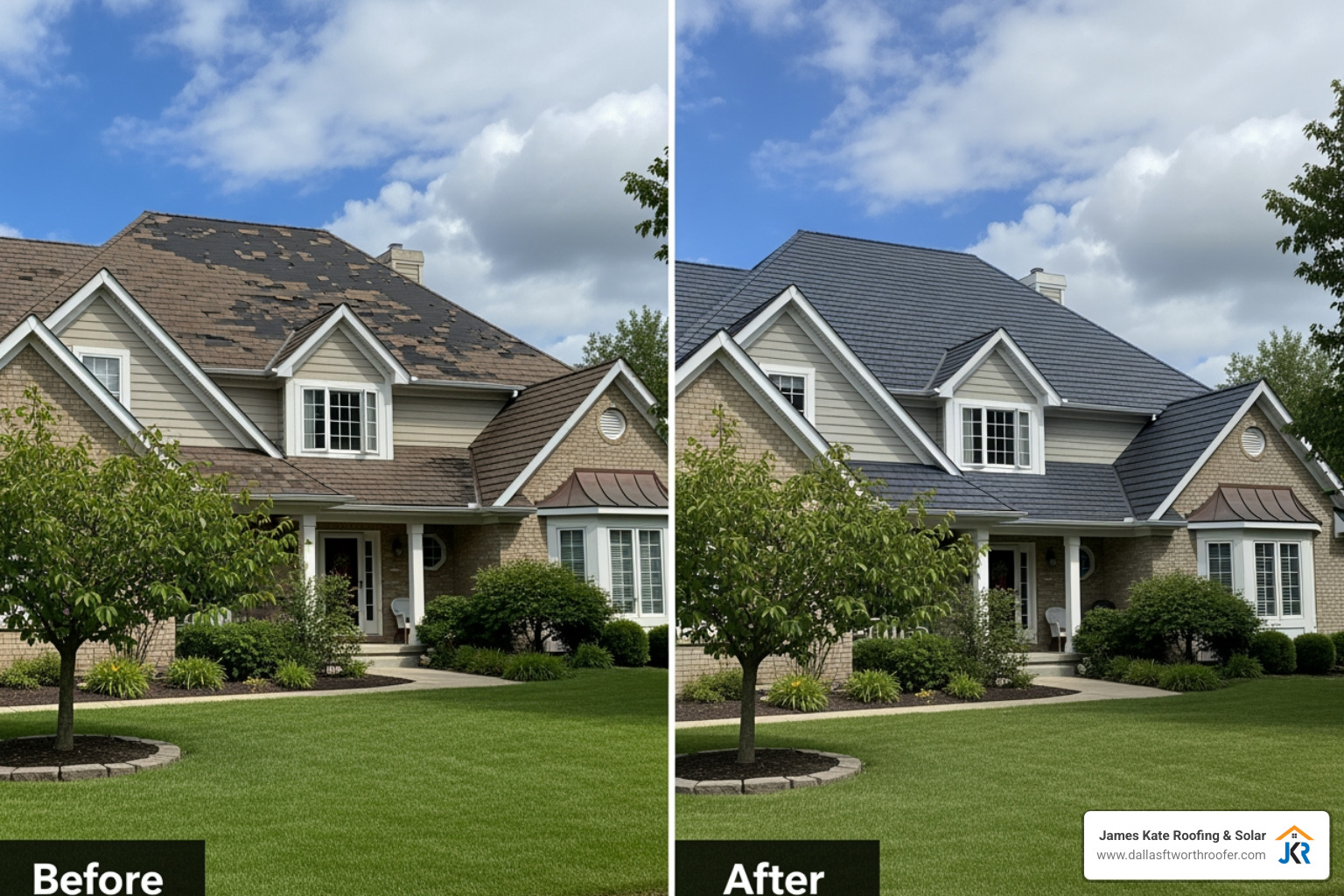
Architectural shingles offer a vast palette of color options and design versatility, providing visual depth that 3-tab shingles simply can’t match. This improved aesthetic often directly translates into increased property value and a more appealing home.
The Classic Look of 3-Tab Shingles
For decades, 3-tab shingles were the standard, offering a classic, unassuming look. Their flat, uniform pattern creates a clean and simple aesthetic that has a certain traditional charm. Each shingle strip is designed to look like three separate, identically sized and shaped tabs, resulting in a very consistent, almost tiled appearance across the roof.
While they are available in various colors, their inherent flat profile means they lack the visual depth and dimension of architectural shingles. They offer limited design choices and are primarily chosen for their practicality and budget-friendliness. If you’re working on a budget-focused project, perhaps for a rental property or an outbuilding, the classic look of 3-tab shingles can be a perfectly suitable and economical choice.
The Premium Look of Architectural Shingles
If you’re looking to make a statement and lift your home’s exterior, architectural shingles deliver a premium look. Their multi-layered, laminated construction creates a dimensional, textured appearance that adds significant visual interest and sophistication. This varied, often random, pattern mimics the natural beauty of materials like wood shakes or slate, giving your home a high-end finish without the associated cost or maintenance.
The wide range of colors, blends, and profiles available means you can select a style that perfectly complements your home’s architecture and exterior finishes. Whether you have a modern farmhouse, a traditional brick home, or a contemporary design, there’s an architectural shingle to improve its curb appeal. This visual depth and design versatility not only make your home stand out in the neighborhood but also contribute to a higher perceived value, making it an attractive feature for potential buyers down the line.
Installation, Warranty, and Maintenance Explained
Beyond aesthetics and durability, practical considerations like installation, warranty coverage, and ongoing maintenance play a crucial role in deciding between architectural shingles vs 3-tab. Understanding these aspects ensures that your investment is not only well-placed but also protected for years to come.
Installation Requirements
The installation process for architectural shingles vs 3-tab differs primarily due to their weight and construction.
3-tab shingles are lighter and have a simpler, more uniform design, which can make their installation seem straightforward. However, their flimsier nature can make them more prone to breakage if not handled carefully.
Architectural shingles, being about 50 percent heavier and thicker, require more precise and careful installation. Their layered construction means they don’t lay as flat as 3-tab shingles, and proper alignment is key to achieving their signature dimensional look and optimal performance. This increased weight also means that a professional roofing company will need to assess if your roof structure can adequately support the heavier load, especially for older homes.
Regardless of the shingle type, professional installation is paramount. Improper installation, even of the most durable shingles, can lead to premature failure and void your manufacturer’s warranty. Our team at James Kate Roofing & Solar has the expertise and experience to ensure your roof is installed correctly, efficiently, and safely. For a deeper dive into our process, check out our Roof replacement and installation process.
Understanding Your Warranty
Roofing warranties can be a bit of a maze, often promising “lifetime” protection that isn’t quite what it seems. When comparing architectural shingles vs 3-tab, warranties are another area where architectural shingles typically offer superior coverage.
3-tab shingles generally come with a 20 to 30-year limited warranty. Architectural shingles, however, typically offer 30 to 50-year warranties, with some premium products even boasting lifetime warranties.
It’s important to understand what a “lifetime” warranty truly means in roofing. Often, it refers to the product’s lifespan for the original owner, with a shorter period (typically 10 years) of full, non-prorated replacement coverage. After this initial period, the warranty usually becomes prorated, meaning it only covers a depreciated value of the shingles, not the full cost of replacement.
However, many manufacturers offer improved warranties for architectural shingles when installed by a certified contractor (like James Kate Roofing & Solar, a GAF President’s Club award winner). These improved warranties can extend the full, non-prorated coverage period significantly, sometimes up to 50 years or even for the entire material life of the roof. This means that if a defect occurs, the manufacturer covers the full cost of replacement materials and sometimes even labor, for a much longer duration.
It’s also crucial to distinguish between a manufacturer’s product warranty and a contractor’s workmanship warranty. The product warranty covers defects in the shingles themselves, while the workmanship warranty covers errors made during installation. At James Kate Roofing & Solar, we stand behind our work with up to a 25-year workmanship warranty, giving you peace of mind that your roof is protected from both material defects and installation issues. Be aware that most warranties do not cover damage from “acts of God” (like severe DFW hailstorms or tornadoes) or issues stemming from inadequate attic ventilation.
Long-Term Maintenance Needs
While no roof is truly maintenance-free, the differences between architectural shingles vs 3-tab can influence your long-term roof care.
Architectural shingles, with their thicker, multi-layered construction, are inherently more durable and resistant to damage. This often translates to fewer repair needs over their lifespan. Their thicker profile can also help mask minor imperfections in the roof deck and offers better resistance to impact from small debris, meaning less frequent attention might be required compared to their thinner counterparts. Some architectural shingles also come with copper granules infused to resist algae growth, a common issue in humid DFW summers that can lead to unsightly black streaks.
3-tab shingles, being thinner and less robust, may require more frequent inspections and repairs, especially after severe weather events. Their simpler design can make individual shingle replacement easier, but the overall frequency of such repairs might be higher.
Regardless of your shingle choice, regular inspections are critical. We recommend annual roof inspections, and certainly after any major storm, to catch minor issues before they become major problems. Proactive roof maintenance, including keeping gutters clear and ensuring proper attic ventilation, is key to maximizing the lifespan of any asphalt shingle roof. You can find more comprehensive tips on our Proactive roof maintenance tips page.
Frequently Asked Questions about Shingle Choices
We often get asked many questions when homeowners are trying to decide between architectural shingles vs 3-tab. Here are some of the most common ones:
Which shingle is more popular today?
Architectural shingles have become the dominant choice for residential roofing in North America. Their superior durability, longer lifespan, and improved aesthetic appeal have made them the preferred option for most homeowners. While 3-tab shingles are still available, they are typically used for budget-sensitive projects, older home renovations seeking to maintain a traditional look, or quick patch repairs. The trend clearly favors architectural shingles for their overall value and performance.
Can I put architectural shingles over 3-tab shingles?
While it’s sometimes technically possible to install new shingles over existing ones (known as a “re-cover” or “layover”), we generally do not recommend it, especially when upgrading from 3-tab to architectural shingles.
Here’s why:
- Weight: Architectural shingles are significantly heavier. Laying them over existing 3-tab shingles can exceed your roof’s structural capacity, potentially leading to sagging or other structural issues.
- Warranty: Most manufacturers require a complete tear-off of old shingles for a new shingle warranty to be valid. Skipping this step could void your warranty, leaving you unprotected.
- Inspection: A complete tear-off allows us to inspect the roof deck for any underlying damage, rot, or soft spots. Covering these issues up only postpones bigger, more expensive problems.
- Aesthetics: Laying new shingles over old ones can result in a less uniform, lumpier appearance, detracting from the aesthetic benefits of architectural shingles.
A complete tear-off ensures a flat, stable surface for your new roof, allows for proper inspection of the roof deck, and is required by most manufacturers to validate the new shingle warranty. It’s an extra step, but it’s the best practice for a long-lasting, problem-free roof.
How do I choose the right color for my roof?
Choosing the right roof color is a fun but important decision! Here are some tips:
- Consider your home’s exterior: Look at your siding, brick, stone, trim, and even your landscaping. You want a roof color that harmonizes with these existing elements, rather than clashing.
- Think about your climate: In the DFW heat, lighter-colored roofs can help reflect sunlight, potentially reducing attic temperatures and energy costs. Darker roofs absorb more heat.
- Match your home’s style: Traditional homes might suit classic grays, browns, or blacks, while a more modern home might pull off a bolder color or a multi-tonal blend.
- Look at samples in natural daylight: Colors can look very different under showroom lights compared to direct sunlight. Get large samples and view them at different times of day against your home’s exterior before making a final decision.
- Check HOA rules: If you live in an HOA community, make sure your chosen color complies with their architectural guidelines.
The best color is one that you love and that improves your home’s overall curb appeal.
Making the Right Choice for Your DFW Home
Deciding between architectural shingles vs 3-tab for your home in Mansfield, Arlington, Granbury, Grand Prairie, Midlothian, or any surrounding DFW area is a significant decision. While 3-tab shingles offer an attractive initial price point, architectural shingles consistently prove to be the superior choice for long-term value, durability, and aesthetic appeal. Given our region’s challenging weather, from scorching summers to severe hailstorms and high winds, investing in the improved protection of architectural shingles is often the most prudent decision for DFW homeowners.
At James Kate Roofing & Solar, we are committed to helping you make the best choice for your specific needs and budget. Our commitment to honesty, integrity, and Biblical principles guides every recommendation we make. As a GAF President’s Club award winner, we not only provide top-tier products but also back our work with up to a 25-year workmanship warranty, giving you unparalleled peace of mind.
Don’t let the complexities of roofing overwhelm you. Let us help you steer the options and choose a roof that will protect your family and improve your home’s value for decades to come.
Ready to explore the best roofing solution for your home? Get a professional roof inspection and estimate from James Kate Roofing & Solar today. We’ll assess your current roof, discuss your goals, and provide a custom recommendation that fits your needs and budget.