
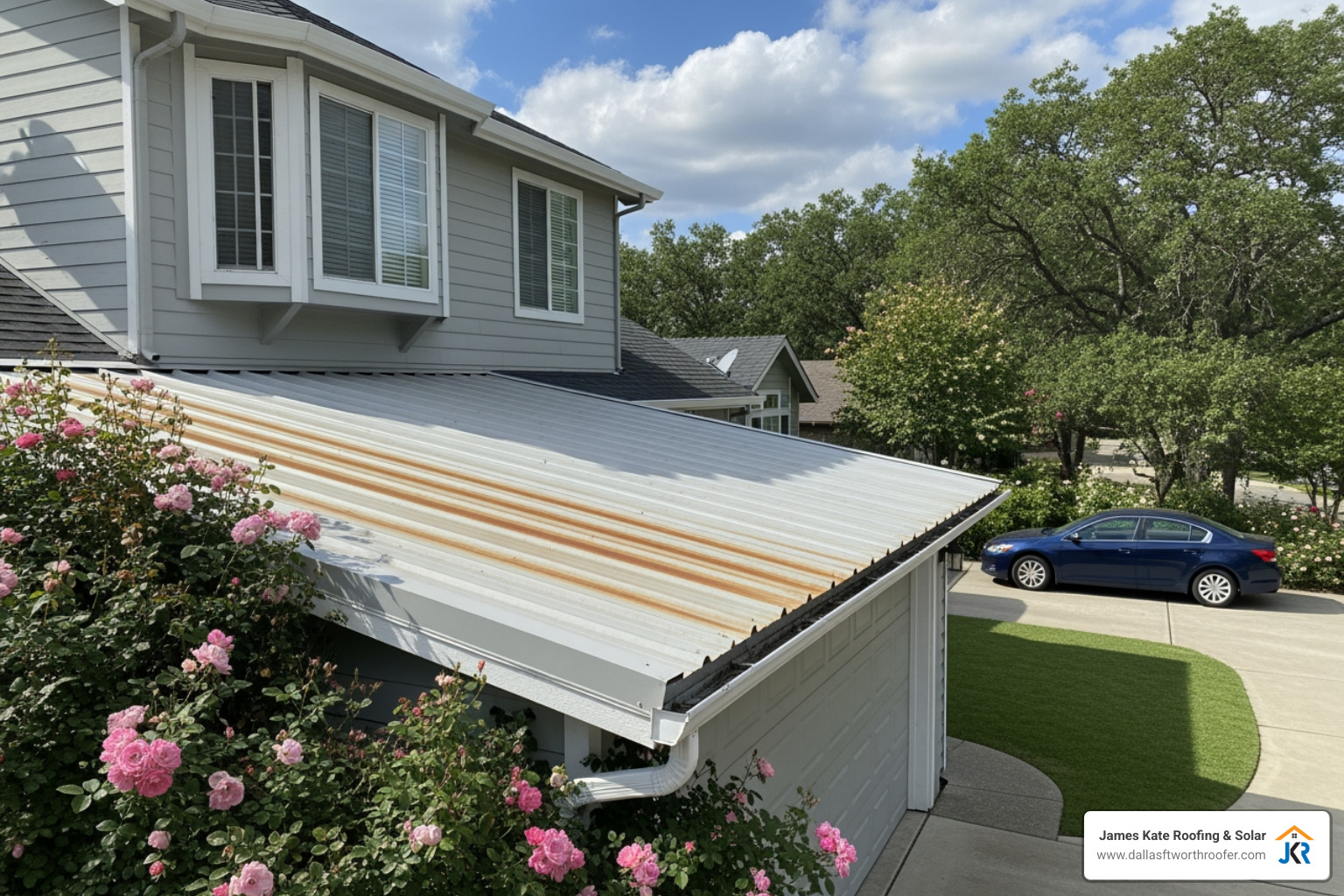
Cracks snaking across your foundation, doors that suddenly stick, or water pooling along the edges of your home—these are more than cosmetic annoyances. In the Dallas-Fort Worth area, such symptoms often signal a deeper, costlier problem: foundation damage. What many homeowners don’t realize is that the humble gutter system—usually dismissed as a mere shield from rain—is actually your home’s first and most important defense against foundation problems. Gutters that protect foundation health are not just a maintenance detail; they’re a critical home investment strategy. This article will reveal how gutters and downspouts safeguard your foundation, the warning signs your system might be failing, what a truly protective gutter setup looks like in North Texas, and why preventive maintenance with the right gutter system is far less expensive than foundation repairs after the fact.
How Gutters Protect Your Foundation (and Why It Matters in North Texas)
Your roof collects thousands of gallons of rainfall during a typical North Texas storm. A single 2,000-square-foot roof can channel over 1,000 gallons of water in just an hour. The job of your gutters and downspouts is to capture this immense volume, route it safely through the gutter system, and disperse it well away from your home’s foundation.
Here’s how this process works:
– Rain hits your roof and flows into gutters lining the roof edge.
– Gutters channel water to strategically placed downspouts.
– Downspouts direct water away from your foundation, ideally 6-10 feet or more.
When this system is undersized, clogged, or improperly configured, water overflows or discharges too close to the house. Over time, this creates persistent moisture near your foundation, which is especially problematic for homes in the Dallas-Fort Worth region. Why? North Texas sits atop expansive clay soil. This soil swells dramatically when wet and shrinks as it dries out—causing the ground to move and shift. Excess moisture from poor water drainage accelerates this expansion and contraction, leading to foundation settling, cracks, and even structural failure.
In short, gutters protecting foundation integrity are not just about aesthetics—they’re about managing the water cycle that directly impacts your home’s stability, particularly in regions like DFW, where soil movement is a leading cause of foundation issues.
Warning Signs Your Gutters Aren’t Protecting Your Foundation
Even if you have gutters, they may not be providing the foundation protection your home needs. Look for these specific, observable warning signs around your property:
1. Water Pooling Within 6 Feet of the Foundation
After a storm, if you notice standing water or saturated soil close to your home, your gutters and downspouts may not be diverting water far enough away. This is a primary early indicator of drainage failure.
2. Soil Erosion Around the Foundation Perimeter
Exposed roots, washed-out mulch, or gaps where the soil has receded are telltale signs that water is flowing off your roofline and eroding the ground that supports your foundation.
3. Overflowing Gutters During Moderate Rainfall
If you see water spilling over the edges of your gutters—not just during torrential downpours, but even during average storms—your system may be undersized, clogged, or improperly pitched.
4. Downspouts Depositing Water Too Close to the House
Downspouts that end at the base of your wall or with only a short splash block are not providing adequate water diversion. Extensions must be installed to move water at least 6-10 feet from the foundation.
5. Cracks in Foundation Walls or Floors
Visible fissures, especially those that grow larger over time, often result from uneven soil moisture and foundation movement driven by poor drainage.
6. Gutters Sagging or Pulling Away from the Roofline
Structural failure of the gutter system—often due to the weight of standing water caused by poor pitch or blockages—means water is not being managed as designed.
7. Water Staining on Exterior Walls Below the Roofline
Stains or streaks on brick, siding, or stucco just below your gutters indicate that water is bypassing its intended drainage path and saturating the walls and the soil below.
8. Basement Moisture or Musty Odors
In homes with basements or crawl spaces, persistent dampness, musty smells, or visible water intrusion are strong signals that your gutter system is failing to protect foundation areas.
These warning signs are your opportunity to act before the damage becomes catastrophic. Addressing gutter issues now is vastly more cost-effective than waiting until foundation repairs are unavoidable.
What a Proper Foundation-Protecting Gutter System Looks Like
Many North Texas homes have gutters, but far fewer have systems truly designed for foundation protection. Here’s what you should expect from a foundation-protecting gutter setup:
- Proper Sizing for Roof and Rainfall
Gutters must be sized to handle the volume from your roof—most DFW homes require 6-inch K-style gutters to cope with intense Texas storms. Undersized gutters quickly overflow, defeating their purpose. - Correct Gutter Pitch
Gutters should be installed with a gentle slope—typically 1/4 inch per 10 feet—so water flows efficiently toward downspouts without pooling. - Adequate Downspout Placement
A good rule of thumb is one downspout per 30-40 feet of gutter. This ensures water is removed quickly and doesn’t back up. Strategic downspout placement is crucial for even water distribution around your property. - Downspout Extensions
Downspouts must discharge water at least 6-10 feet from your foundation. Shorter distances can allow water to seep back toward the house, especially during heavy rainfall or with poor grading. - Seamless Construction
Seamless gutters reduce the risk of leaks and joint failures, providing consistent water management along the entire roofline. - Secure Fascia Attachment
Gutters should be firmly attached to the fascia board with proper supports. Sagging or loose gutters are a sign of improper installation or system overload.
It’s important to understand that simply “having gutters” is not the same as having a system designed for foundation protection. Many existing systems in Dallas-Fort Worth are too small, lack sufficient downspouts, or don’t extend drainage far enough from the home. A professional assessment can determine whether your current system meets the bar for true gutter foundation protection.
The Cost of Prevention vs. The Cost of Repair
Investing in a quality gutter system for foundation protection is one of the smartest moves you can make as a North Texas homeowner. Here’s why:
- Gutter System Cost: Professionally installed, seamless gutters with proper downspouts and extensions typically range from $3,000 to $7,000+, depending on home size and complexity.
- Foundation Repair Cost: Foundation repairs in the DFW area often start at $10,000 and can easily exceed $50,000, especially if structural issues or extensive settling have occurred.
- Return on Investment: A properly installed gutter system can last 20-30 years with routine maintenance, providing decades of protection. The peace of mind and avoided repair costs make the value of gutters protecting the foundation clear.
- Added Benefits: Proper gutters can also reduce insurance claims, protect landscaping, and enhance home value—benefits that are critical for long-term residents and those considering resale.
When you compare the relatively modest cost of foundation-protecting gutters to the staggering expense of foundation repairs, the decision becomes a preventive investment rather than a discretionary expense.
FAQ
Can gutters really prevent foundation damage?
Yes—gutters protect foundation integrity by channeling rainwater away from the soil around your home, and without them, or with undersized systems, water pools near the foundation, leading to soil movement and cracking, especially in Texas clay soil.
How do I know if my gutters are adequate for foundation protection?
Look for signs like gutter overflow, pooling water near your home, or downspouts that end too close to the foundation. An expert assessment will check gutter capacity, pitch, downspout placement, and discharge distance—all vital for gutters protecting foundation health.
Do I need to replace my gutters or just add downspout extensions?
Adding extensions can help if your system is otherwise properly sized and pitched. However, if your gutters are undersized, sagging, or improperly installed, a full upgrade may be necessary for effective foundation protection.
What’s special about North Texas that makes gutter systems so important?
This region’s expansive clay soil swells when wet and shrinks during drought, causing significant foundation movement. Combined with intense rainfall and common slab foundations, DFW homes are uniquely vulnerable to water-related foundation problems—making high-performing gutters essential.
Conclusion: Protect Your Home’s Value with Smart Gutter Choices
Understanding the critical connection between gutters, water drainage, and your home’s foundation is essential for every Dallas-Fort Worth homeowner. Gutters protecting foundation health isn’t just a contractor’s talking point—it’s a proven way to avoid the massive costs and headaches of foundation repair. While it’s easy to overlook the role of gutters, you now know they’re a frontline investment in your home’s long-term stability and value.
Don’t leave your largest financial asset at risk. Schedule a gutter system assessment with James Kate Roofing & Solar—North Texas’s experts in foundation protection and complete water management. Our team understands the unique challenges posed by local soil and weather, and we’ll ensure your gutters are truly up to the task of safeguarding your foundation. Protect your home investment today with gutters designed for lasting foundation defense.
