Why Your Roofing Material Choice Matters More Than You Think
When you’re facing a roof replacement, the decision between asphalt shingles vs composite can significantly impact your home’s protection, appearance, and long-term value. Both materials are popular, but they serve different needs and budgets.
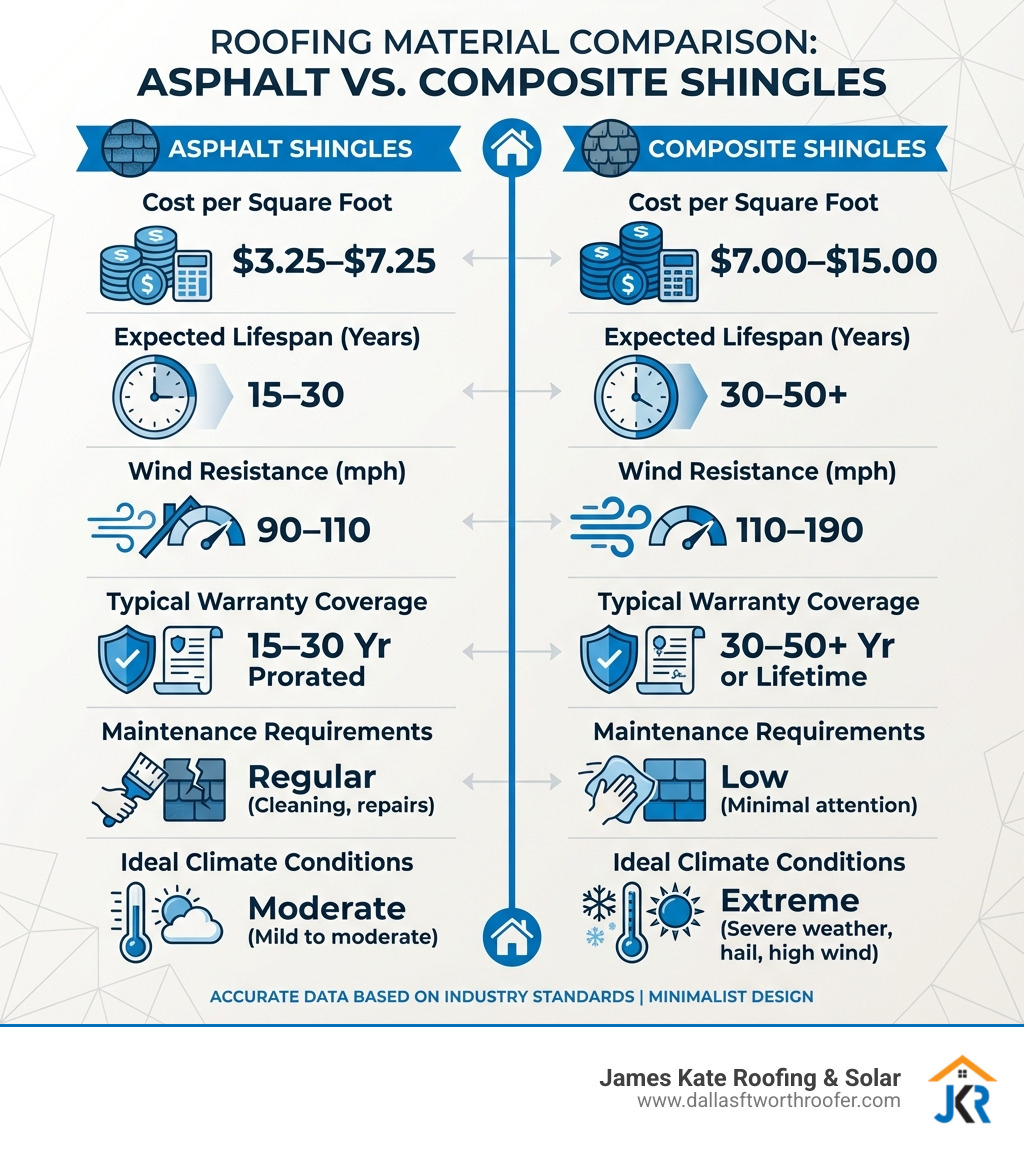
Quick Comparison: Asphalt vs. Composite Shingles
| Factor | Asphalt Shingles | Composite Shingles |
|---|---|---|
| Cost | $3.25–$7.25/sq ft | $7.00–$15.00/sq ft |
| Lifespan | 15–30 years | 30–50+ years |
| Wind Resistance | 90–110 mph | 110–190 mph |
| Best For | Budget-conscious projects, mild climates | Long-term investment, extreme weather |
| Warranties | 15–30 years (prorated) | 30–50 years or lifetime |
Asphalt shingles are the most common roofing material in North America for good reason—they’re affordable, versatile, and relatively easy to install. Composite (or synthetic) shingles are a newer premium option, engineered from advanced polymers and recycled materials to mimic the look of slate or cedar shake while offering superior durability and weather resistance.
Your roof is a major investment that protects everything inside your home. The right choice depends on your budget, how long you plan to stay in your home, and the weather conditions you face here in the Dallas–Fort Worth area.
I’m Dustin Eatman, owner of James Kate Roofing & solar, and I’ve guided hundreds of DFW homeowners through the asphalt shingles vs composite decision by focusing on what actually matters: proper installation, realistic expectations, and roofing solutions that hold up over time. In this guide, I’ll walk you through everything you need to know to make the right choice for your home.
Understanding the Materials: What Are Asphalt and Composite Shingles?
Before we dive into the nitty-gritty of asphalt shingles vs composite, let’s first understand what each material is made of. Knowing their fundamental composition is key to appreciating their performance differences.
What Are Asphalt Shingles?
Asphalt shingles are the reigning champion of residential roofing materials, and for good reason. They are a composite product, constructed from a fiberglass or cellulose mat, which provides strength and stability. This mat is then saturated and coated with asphalt, making it waterproof. Finally, a top layer of ceramic granules is embedded into the asphalt. These granules protect the asphalt from harmful UV rays, add color, and provide fire resistance.
The world of asphalt shingles isn’t one-size-fits-all. There are three main types, each offering different aesthetics and performance levels:
- 3-Tab Shingles: These are the most basic and economical asphalt shingles. They have a flat, uniform appearance, resembling three individual tabs. While they offer decent protection, their lifespan is generally shorter, typically around 15-20 years.
- Architectural (Dimensional) Shingles: These are the most prevalent asphalt shingles today. They feature multiple layers of material, creating a thicker, more dimensional look that can mimic the appearance of wood shakes or natural slate. Architectural shingles are more durable and have a longer lifespan, often reaching 25-30 years, and sometimes up to 40 years for high-quality options.
- Luxury Shingles: As the name suggests, these are the highest-quality laminated asphalt shingles. They are designed to provide a premium, often heavy, and highly dimensional look, realistically representing old-world wood shake and quarried slate. Luxury shingles offer superior protection and can last up to 50 years, though 30-50 years is a more common range.
These different types mean that even within the asphalt category, there’s a spectrum of options to consider for your DFW home. For more detailed information on composition asphalt shingles, you can visit our page: More info about composition asphalt shingles.

What Are Composite (Synthetic) Shingles?
Now, let’s turn our attention to the “composite” side of the asphalt shingles vs composite debate. When we talk about composite shingles in the modern sense, we’re generally referring to advanced synthetic products that represent the cutting edge of roofing technology.
Composite shingles are made from synthetic polymers and often incorporate recycled materials, such as plastics and rubber. This blend is engineered to create a shingle that is incredibly durable, lightweight (in some cases, surprisingly lighter than asphalt), and highly resistant to environmental factors.
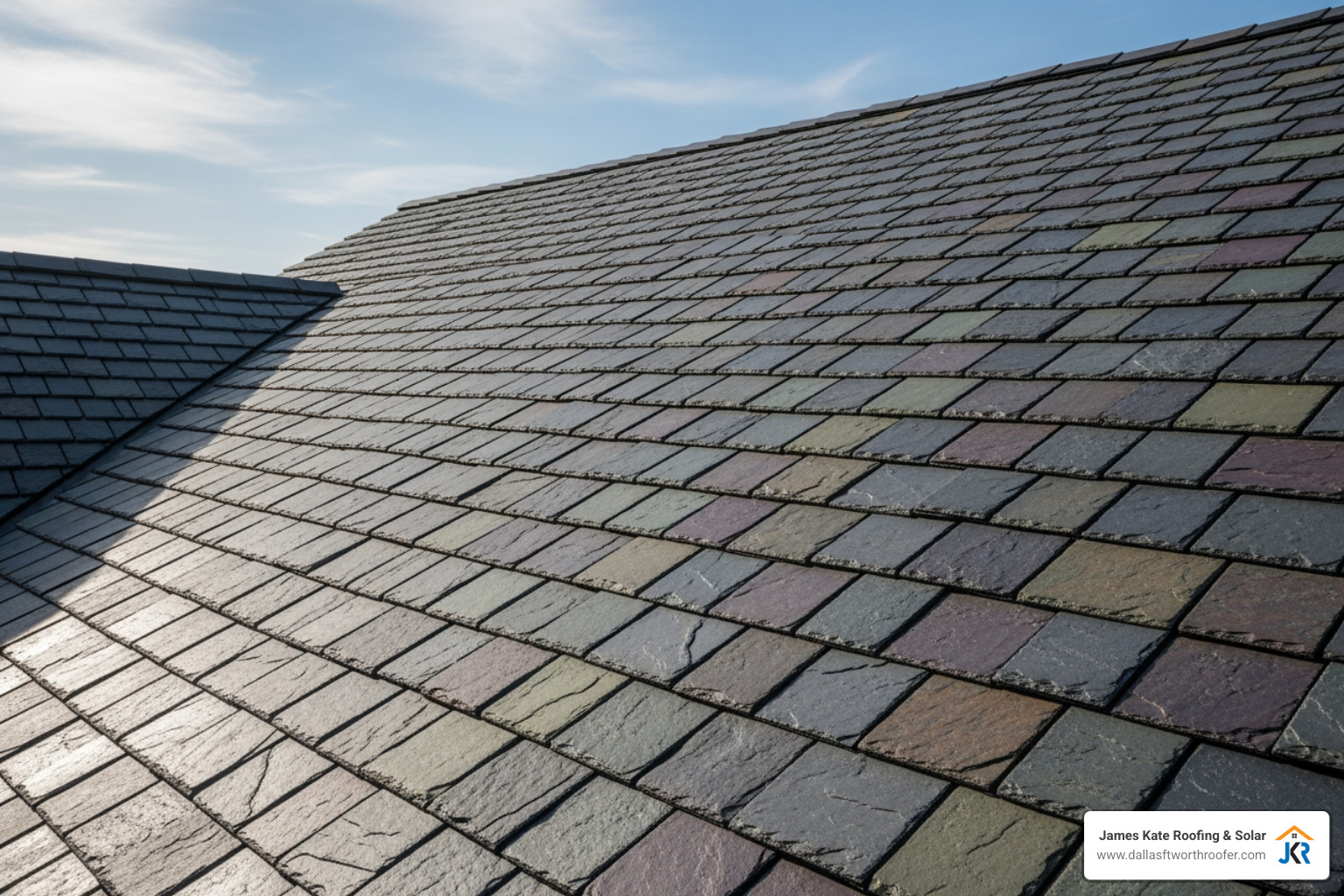
What truly sets composite shingles apart is their ability to flawlessly replicate the appearance of premium, natural roofing materials. Manufacturers use sophisticated molding techniques, often taking casts from genuine slate or cedar shakes, to create shingles with authentic textures, varied profiles, and rich, blended colors. This means you can achieve the luxurious look of wood shakes, natural slate, or even clay tiles without the associated maintenance, weight, or cost of the natural materials themselves. They offer a refined, natural appearance with modern durability, making them a fantastic choice for enhancing your home’s curb appeal in areas like Mansfield or Arlington.
Asphalt Shingles vs Composite: A Detailed Comparison
When it comes down to choosing the right roof for your DFW home, a head-to-head comparison of asphalt shingles vs composite is essential. We’ll weigh them against each other across several key categories that impact your wallet, your home’s longevity, and its aesthetic appeal.
Cost Breakdown: Initial Investment vs. Lifetime Value
Cost is almost always the first factor homeowners consider, and it’s where the most significant difference between asphalt shingles vs composite lies.
Asphalt shingles are significantly more affordable upfront. Our research shows that they generally range between one-third to one-half the cost of composite shingles. On average, you can expect to spend three to four times more for a composite roofing system than an asphalt roof. To put it in perspective, asphalt shingles typically cost $3.25 to $7.25 per square foot installed, with premium options reaching up to $10 per square foot. Composite shingles, however, range from $7.00 to $15.00 per square foot, with some high-end composite slate options potentially costing $12.00 to $20.00 per square foot, and composite cedar shake roofs around $14.00-$18.00 per square foot.
So, while the initial installation cost for asphalt is much lower, it’s crucial to look at the long-term value. Composite shingles, with their extended lifespan and durability, often represent a better value over time. Think of it this way: a cheaper roof might need replacing twice in the lifespan of a single composite roof, potentially racking up higher costs in the long run, especially when you factor in labor and disposal for two separate installations. We can help you explore financing options to make your ideal roof a reality: More info about roofing financing.
In terms of return on investment, composite shingles, with their superior durability and aesthetic appeal, can significantly boost your home’s resale value more than asphalt shingles. If you’re looking for a substantial increase in your home’s market value, the higher upfront cost of composite shingles might be justified.
Lifespan and Durability: Asphalt Shingles vs Composite
Durability and lifespan are critical considerations, especially with the unpredictable DFW weather. Here, composite shingles generally pull ahead in the asphalt shingles vs composite race.
Traditional asphalt shingles have a lifespan of between 15 to 30 years, depending on factors like climate, maintenance, and the quality of the shingle. High-quality architectural asphalt shingles can push that to 25-30 years, and some even up to 40 years in ideal conditions. In reality, you should expect around 80-85% of the manufacturer-specified lifespan, so an architectural asphalt shingle roof might realistically last 25-28 years.
Composite shingles, on the other hand, are engineered for superior longevity and can last between 30 to 50 years, and sometimes even longer. Their sturdy makeup prevents tearing, peeling, or warping under harsh conditions.
When it comes to weather resistance, the differences are stark:
- Wind Resistance: Most high-quality asphalt shingles are rated to withstand winds up to 90–110 mph. However, they may tear or rip away at around 90 mph under sustained pressure. Composite shingles can handle much more powerful wind storms, from 110 to 190 mph winds, making them a robust choice for wind-prone areas in Texas.
- Hail and Impact Resistance: Composite shingles are known for their superior impact resistance, often achieving a Class 4 rating, the highest possible. This means they can withstand significant hail impacts, which can be a game-changer for homeowners in hail-prone regions of DFW. While some asphalt shingles offer impact resistance, composite generally provides better protection.
- UV Degradation: Both materials face UV exposure, but composite shingles often have a protective coating or inherent material properties that make them highly resistant to UV rays. This helps prevent fading and material breakdown over time, regulating indoor temperatures and potentially saving on utility bills. Asphalt shingles can be prone to granule loss over time due which impacts their UV protection.
- Freeze-Thaw Cycles: Composite roofs perform exceptionally well in cold climates due to their flexibility, impact resistance, and ability to withstand freeze-thaw cycles, resisting cracking and brittleness. While DFW rarely sees extreme cold, these properties contribute to overall material integrity.
Finally, let’s talk weight. Asphalt shingles are relatively lightweight, making them suitable for most residential structures without requiring additional support. Architectural asphalt shingles are about 50 percent heavier than 3-tab shingles, but still generally manageable. Composite shingles are typically heavier than asphalt shingles, which may necessitate structural reinforcements for your roof deck, depending on the specific product and your home’s existing structure. This is something our team always assesses during an inspection.
Aesthetics and Curb Appeal: Finding the Perfect Look
The visual appeal of your roof plays a huge role in your home’s overall curb appeal and value. In the asphalt shingles vs composite debate, both offer attractive options, but composite shingles provide best versatility.
Asphalt shingles offer a wide variety of styles and colors.
- 3-tab shingles provide a classic, flat look.
- Architectural shingles offer more dimension and can effectively mimic the appearance of wood shakes or natural slate, adding depth and character to your roof.
- Luxury asphalt shingles are designed for a truly premium look, simulating cedar shake and natural slate tile roofs with impressive realism.
However, composite shingles excel in aesthetic versatility. They are specifically engineered to replicate the appearance of high-end roofing materials like wood, slate, and tile with stunning accuracy. Using molds of real slate tiles or cedar shakes, composite shingles achieve a dimensional, textured surface with authentic color variations and profiles. This allows homeowners to achieve a sophisticated, natural look that can significantly boost your home’s resale value. Whether you’re aiming for the rustic charm of cedar or the neat grandeur of slate, composite shingles offer a durable, low-maintenance alternative.
Want to see how different roofing options might look on your home? You can try out CertainTeed’s ColorView® home exterior visualizer tool – you can even upload a picture of your own home to try out different roofing, siding, paint, and trim combinations: Try out CertainTeed’s ColorView® home exterior visualizer tool. It’s a fun way to envision your dream roof!
Installation, Maintenance, and Environmental Impact
Beyond cost and durability, the practical aspects of installation, ongoing maintenance, and the environmental footprint are key factors in the asphalt shingles vs composite comparison.
The installation process for asphalt shingles is relatively straightforward, which typically translates to reduced labor costs and quicker installation times. They are lighter and easier to handle on the roof. Composite shingles, due to their advanced materials and design, can be more complex to install. This may require more specialized skills and could result in higher labor costs and potentially longer installation times. Our experienced roofers in Granbury and Grand Prairie are well-versed in installing both types with precision.
When it comes to maintenance, composite shingles generally require less over their lifespan. They are resistant to mold, algae, and impact damage, which means fewer worries about unsightly streaks or minor repairs. Asphalt shingles, while durable, require more frequent inspections and occasional repairs. Homeowners may need to address issues like granule loss, curling, blown-off shingles, or moss growth, especially in humid DFW conditions. Regular maintenance is crucial for maximizing the lifespan of any roof. For tips on how to keep your roof in top shape, check out our guide: More info about roof maintenance.
From an environmental perspective, there’s a clear distinction. Asphalt shingles are petroleum-based, and unfortunately, most asphalt shingles end up in landfills at the end of their life, as they are often not recyclable. This makes them a less eco-friendly option. Composite shingles, however, often incorporate recycled materials (like plastics and rubber) in their production, making them a more environmentally friendly choice. Furthermore, many composite options are themselves recyclable at the end of their long lifespan, reducing landfill waste.
Which Shingle is Right for Your Home and Climate?
The choice between asphalt shingles vs composite isn’t just about which material is “better” in a vacuum; it’s about which is better for your specific home, budget, and the unique climate challenges of the Dallas–Fort Worth area.
When to Choose Asphalt Shingles
Asphalt shingles remain an incredibly popular and viable option for many DFW homeowners, especially if these factors resonate with your situation:
- Budget-Conscious Projects: If you’re working with a tighter budget, asphalt shingles are the most affordable roofing material on the market. They allow you to get a high-quality, protective roof without breaking the bank.
- Homeowners Planning to Sell Soon: If you anticipate selling your home in the near future (within 10-15 years), the extended lifespan of composite shingles might not provide enough return on investment for you personally. Asphalt shingles offer excellent curb appeal and protection for the short to medium term.
- Mild to Moderate Climates: While DFW can experience extreme weather, asphalt shingles can hold up reasonably well in milder conditions. Most high-quality asphalt shingles are rated to withstand winds up to 90–110 mph, which is sufficient for many storms.
- Good for Standard Residential Structures: Their lighter weight makes them suitable for most existing residential structures without requiring any additional structural reinforcement.
When to Choose Composite Shingles
For other homeowners, particularly those in areas like Midlothian or Arlington that might experience more severe weather, composite shingles offer distinct advantages that justify their higher upfront cost.
- Long-Term Homeowners: If you plan to stay in your home for 20 years or more, the extended lifespan of 30-50+ years and minimal maintenance of composite shingles often makes them a more cost-effective choice over the long haul. You’ll likely avoid a second roof replacement.
- Performance in Extreme Climates: Composite shingles are designed for performance in extreme climates. They are an excellent choice for homes located in hurricane-prone regions (yes, we get those occasional remnants in DFW!), areas with frequent hail storms, or locations with high UV exposure. Their ability to withstand high winds (up to 190 mph), heavy rains, and freeze-thaw cycles makes them incredibly reliable.
- Desire for Premium Aesthetics: If you dream of the look of natural slate, wood shakes, or tile but want the durability and lower maintenance of a modern material, composite shingles are your answer. They significantly boost your home’s curb appeal and can be custom-matched to your home’s style.
- Energy Efficiency: Many composite shingle options include reflective technology that helps reduce heat absorption. This can lower indoor cooling costs during our hot Texas summers, making your home more comfortable and energy-efficient.
Frequently Asked Questions about Asphalt and Composite Shingles
Choosing a new roof often comes with a lot of questions. Let’s tackle some of the most common ones regarding asphalt shingles vs composite.
Are asphalt shingles and composition shingles the same thing?
This is a common point of confusion! The term “composition shingles” is often used broadly in the roofing industry to describe shingles made from a mix of materials—most commonly asphalt and fiberglass. So, yes, asphalt shingles are a type of composition shingle because they are composed of multiple materials.
However, when people refer to “composite shingles” today, they are usually talking about the more advanced, synthetic products made from polymers and recycled materials that are engineered to mimic natural slate or wood shakes. These modern composite shingles offer superior durability and weather resistance compared to standard asphalt composition shingles. So, while asphalt shingles are a type of composition shingle, “composite” often implies a distinct, higher-performance synthetic product.
What kind of warranty can I expect for each type?
Warranties are a crucial aspect of your roofing investment, offering peace of mind.
- Asphalt Shingles: These typically come with warranties ranging from 15 to 30 years, depending on the manufacturer and product quality. Architectural asphalt shingles, for instance, usually have a manufacturer-specified lifespan and prorated warranty of around 30 years. However, some manufacturers, like GAF (a brand we proudly work with), offer improved warranties. If you use all roofing components from a single manufacturer, you can sometimes qualify for a 50-year non-prorated improved warranty, which is an incredible benefit.
- Composite Shingles: These often come with extended warranties, sometimes up to 50 years or even a limited lifetime warranty. These warranties typically cover material defects and are a testament to the superior durability and longevity of composite products. However, like many warranties, they might prorate after a certain number of years.
It’s always important to read the warranty details carefully and understand what’s covered, for how long, and if it’s transferable to a new homeowner. Our team at James Kate Roofing & solar can walk you through the specifics of each warranty option.
How does proper installation affect my roof’s lifespan?
This is a critical question, and the answer is simple: proper installation is paramount for both asphalt and composite shingles. Even the highest-quality materials will fail prematurely if not installed correctly. A roof is a system, and every component, from the underlayment to the flashing and the shingles themselves, must be installed according to manufacturer specifications and local building codes.
Beyond the shingles, adequate attic ventilation plays a significant role in your roof’s longevity and performance. Poor ventilation can lead to excessive heat buildup in the attic, which can prematurely age asphalt shingles, causing them to curl or crack. It can also lead to moisture issues, which can degrade your roof deck and insulation.
At James Kate Roofing & solar, we emphasize that proper installation by skilled professionals is non-negotiable. Our GAF President’s Club recognition speaks to our commitment to superior workmanship. We stand behind our work with up to a 25-year workmanship warranty, giving you confidence that your roof will perform as expected. For more information on roof replacement and installation, check out our services: More info about roof replacement and installation.
Your Trusted Partner for a Lasting Roof
Deciding between asphalt shingles vs composite is a significant investment in your home, impacting its protection, energy efficiency, and curb appeal for decades to come. As we’ve explored, both options offer distinct advantages. Asphalt shingles provide an affordable, versatile, and time-tested solution, especially for budget-conscious homeowners or those in milder climates. Composite shingles, while a higher initial investment, offer superior durability, an extended lifespan, improved weather resistance, and unparalleled aesthetic versatility, making them an excellent long-term value, particularly for DFW homes facing extreme weather.
The “best” choice is the one that aligns with your budget, your long-term plans for your home, and the specific environmental conditions of your property in Mansfield, Arlington, Granbury, Grand Prairie, or Midlothian, TX.
At James Kate Roofing & solar, we believe in honesty, integrity, and providing top-tier services to our DFW community. We’re proud to be a family-owned company recognized with GAF President’s Club status, backing our work with up to a 25-year workmanship warranty. We’re here to guide you through every step of the decision-making process, ensuring you choose a roofing solution that you’ll be happy with for years to come.
For a professional evaluation and to find the perfect roofing solution for your DFW home, we invite you to schedule a free roof inspection and estimate today. Let us help you protect your most valuable asset with a roof built to last.

Dustin Eatman is a seasoned roofing professional with deep, hands-on expertise that spans residential and commercial roofing, insurance solar, and long-term roof asset management. As the owner of James Kate Roofing & solar in the Dallas–Fort Worth metroplex, he’s built a reputation for diagnosing roof systems accurately, communicating clearly, and executing projects with a high standard of workmanship and documentation. Dustin understands the technical details that make roofs perform—proper underlayment selection, slope and drainage considerations, ventilation strategy, flashing and penetration detailing, and manufacturer-specific installation requirements—because he’s worked through the real-world challenges that cause leaks, premature wear, and warranty issues. He’s equally fluent in the operational side of roofing: jobsite planning, quality control, safety, material ordering, crew coordination, and customer experience from inspection to closeout. In insurance-related projects, Dustin brings practical knowledge of claim workflows, adjuster meetings, scope alignment, supplements, and the importance of photo evidence and thorough records, helping property owners navigate stressful situations with confidence. For commercial clients—especially property and facility managers—he emphasizes proactive maintenance and targeted repairs that reduce disruption, extend roof life, and prevent expensive interior damage. Dustin also stays focused on doing things the right way: educating customers on realistic options, setting expectations, and prioritizing solutions that hold up over time rather than quick fixes. That blend of technical skill, field experience, process discipline, and owner-level accountability is what makes Dustin Eatman a trusted expert in the roofing industry.