Why Your Home Deserves an Independent Roof Assessment
A roofer inspector is a certified professional who provides an unbiased, detailed evaluation of your roof’s condition, identifying damage, wear, and potential issues without the goal of selling you repairs. Unlike roofing contractors who may have a financial interest in recommending work, an independent roof inspector delivers an objective assessment—typically costing between $125 and $571 nationally—that serves as a trusted foundation for maintenance decisions, insurance claims, and real estate transactions.
When to Hire a Roofer Inspector:
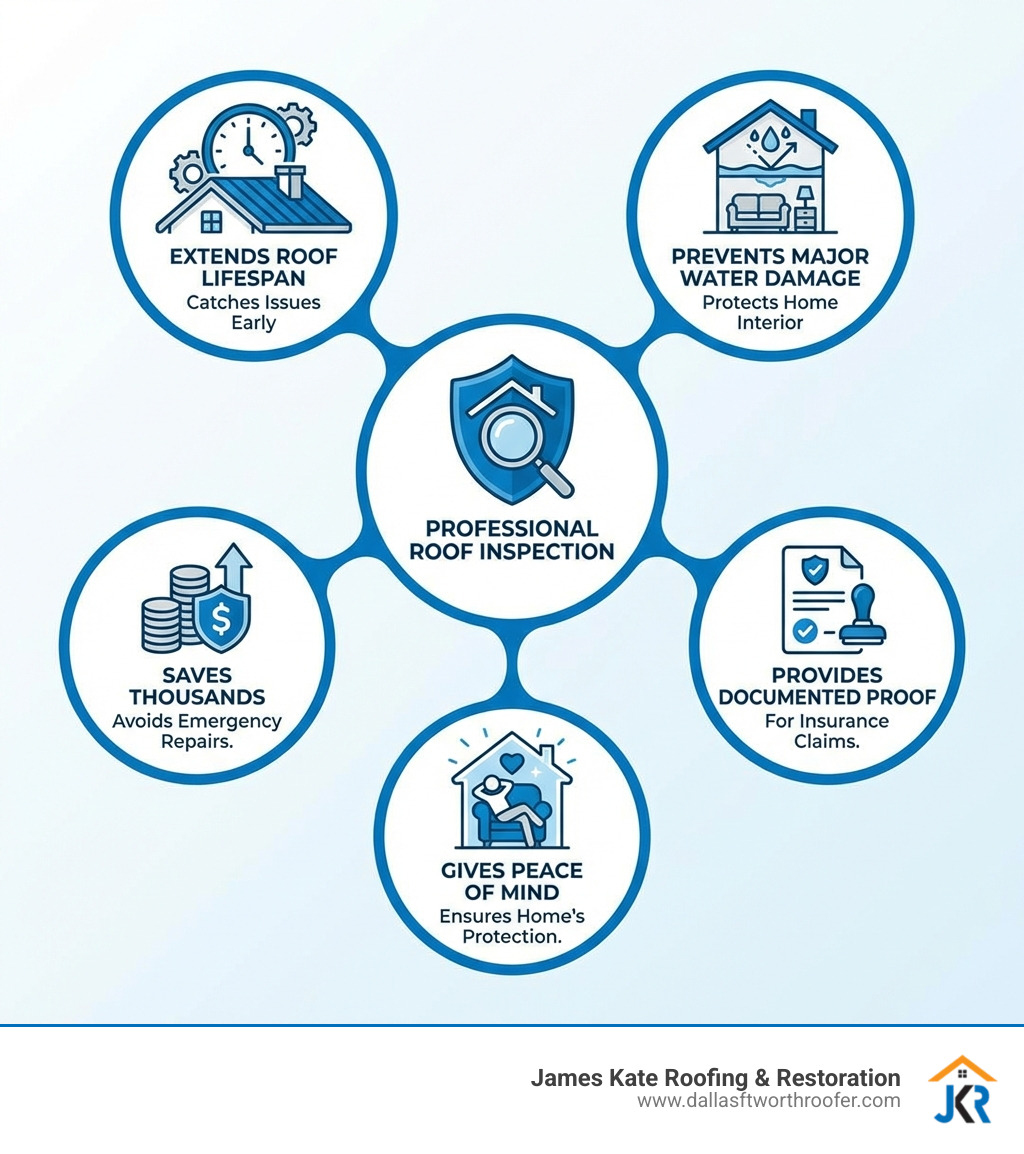
- Annual maintenance to catch small issues before they become costly repairs
- After severe weather events like hailstorms or high winds common in DFW
- Before buying or selling a home to understand the roof’s true condition
- When you notice warning signs such as water stains, missing shingles, or granules in gutters
- For insurance claims requiring documented, unbiased evidence of damage
Your roof is your home’s first line of defense against the unpredictable Texas weather. When that protection is compromised—whether by storm damage, age, or poor workmanship—you need clear, honest information, not a sales pitch.
The challenge is that not all roof evaluations are created equal. A free estimate from a contractor serves their business interests. An independent inspection serves your interests. It gives you the unbiased facts you need to make smart decisions about one of your largest investments.
The value of an independent assessment cannot be overstated. In the DFW area, where severe weather strikes without warning and insurance claims can be complex, having a detailed, professional report from a certified roofer inspector is the difference between guessing and knowing. It’s the difference between overpaying for unnecessary work and investing in exactly what your roof needs.
I’m Dustin Eatman, and over my career I’ve conducted countless roof inspections as both an independent assessor and as owner of James Kate Roofing & Solar, giving me unique insight into what separates a thorough roofer inspector evaluation from a surface-level look. This experience has shown me that homeowners who invest in professional inspections make better decisions, avoid costly surprises, and protect their property’s value far more effectively than those who skip this critical step.
Terms related to roofer inspector:
The Critical Difference: Roof Inspector vs. Roofing Contractor
Understanding the fundamental difference between a roofer inspector and a roofing contractor is perhaps the most crucial step in making informed decisions about your roof. It’s not just a matter of semantics; it’s about whose interests are being served.
A roofing contractor’s business model is built on selling and performing repairs or replacements. When a contractor offers a “free inspection,” their assessment, however well-intentioned, is naturally tied to securing a job. They are looking for issues that lead to work they can perform. This creates a potential conflict of interest. While many contractors are honest and ethical, their primary goal isn’t just to inform you, but to secure your business.
A professional roofer inspector, on the other hand, is an independent third party. Their sole purpose is to provide an accurate, unbiased evaluation of your roof’s condition. They have no financial stake in finding problems that lead to repair or replacement work. We like to think of them as the “detectives” of the roofing world, carefully examining every detail to uncover the truth about your roof’s health. Their deliverable is not a sales pitch, but a detailed, objective report. This impartiality is why their findings are so highly trusted by insurance companies and real estate professionals.
Think of it this way: if you had a medical concern, would you prefer a diagnosis from a doctor who then also tries to sell you the medication or surgery, or an independent specialist whose only job is to tell you what’s wrong? For something as critical and expensive as your roof, that unbiased expertise is invaluable.
Here’s a quick comparison to highlight the distinction:
| Role | Goal | Deliverable | Bias |
|---|---|---|---|
| Roofer Inspector | Unbiased assessment of roof condition | Detailed, objective report | None (works for the client) |
| Roofing Contractor | Identify issues to secure repair/replace job | Repair/Replacement quote and service | Potential to sell services/products |
This independent perspective is especially vital in areas like the DFW metroplex, where severe weather events can lead to widespread damage and complex insurance claims. An objective report from a roofer inspector can be the strongest piece of evidence you have.
A Deep Dive into the Roof Inspection Process
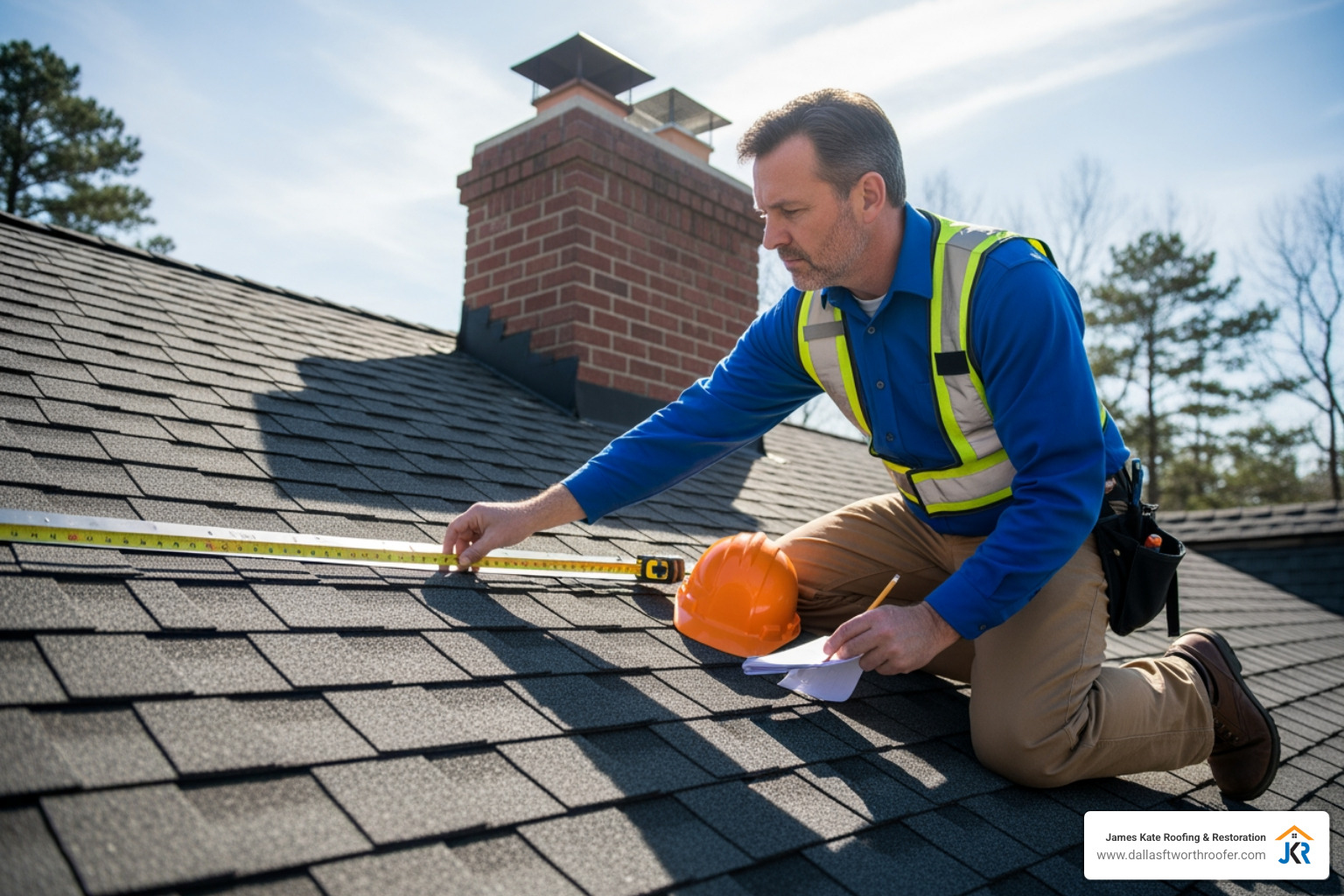
A professional roof inspection isn’t just a quick glance from the ground. It’s a comprehensive, systematic examination of your entire roofing system, both inside and out. Our goal at James Kate Roofing & solar is to ensure you understand every step, so you know exactly what to expect.
When to Schedule an Inspection
Knowing when to call a professional roofer inspector can save you significant time, money, and headaches. We recommend scheduling an inspection at several key times:
- Annual Maintenance: Just like your car needs regular check-ups, your roof benefits from an annual inspection. This proactive approach allows us to catch small vulnerabilities before they escalate into major problems. It’s a small investment that helps extend your roof’s lifespan and keeps repair costs down.
- After Severe Weather: The DFW area is no stranger to hail, high winds, and heavy storms. After any significant weather event, it’s crucial to have your roof inspected, even if you don’t see obvious damage from the ground. Hidden damage, like bruised shingles or compromised flashing, can lead to leaks down the line.
- When Buying or Selling a Home: A roof inspection is a non-negotiable step in any real estate transaction. For buyers, it uncovers potential issues that could lead to costly repairs after closing. For sellers, a clean report can be a powerful negotiating tool and provide peace of mind. It’s part of your due diligence!
- Visible Warning Signs: Don’t ignore the obvious! If you notice water stains on your ceiling, missing or cracked shingles, excessive shingle granules in your gutters, or a general “worn-out” look, it’s time for an immediate inspection. These are often the first cries for help from your roof. For more proactive tips, check out our guide on Proactive roof maintenance.
What a Professional Inspector Examines
A thorough roof inspection involves a top-to-bottom assessment, leaving no stone (or shingle) unturned. Here’s what a qualified roofer inspector typically examines:
- Exterior Components:
- Shingles: We look for missing, cracked, curling, blistering, or discolored shingles. We also check for excessive granule loss, which can indicate an aging roof.
- Flashing and Sealants: These are critical areas around chimneys, skylights, vents, and roof valleys. We inspect for gaps, corrosion, signs of pulling away, or deteriorated sealant that could allow water intrusion.
- Gutters and Downspouts: While not directly part of the roof covering, clogged or damaged gutters can lead to water backing up under shingles, so we ensure they are clear and properly directing water away from the foundation.
- Vents and Chimneys: We check for proper sealing, structural integrity, and any blockages or damage to these penetrations.
- Overall Sagging: A subtle dip in the roofline can indicate underlying structural problems.
- Interior Clues (Attic Inspection): If accessible, the attic provides invaluable insights. We look for:
- Signs of Leaks or Moisture: Water stains on the underside of the roof deck, damp insulation, or active drips are clear indicators.
- Insulation Condition: Damp or compressed insulation can be a sign of moisture issues or poor ventilation.
- Ventilation: Proper attic ventilation is crucial for a roof’s longevity. We assess if the ventilation system is adequate to prevent heat and moisture buildup.
- Structural Integrity: This involves looking for any signs of weakened or damaged roof decking, rafters, or trusses that could compromise the roof’s stability.
Our inspectors use a combination of visual assessment, hands-on examination, and sometimes even specialized tools like infrared cameras to detect hidden moisture, ensuring a truly comprehensive evaluation.
How to Prepare for the Inspection
To ensure our roofer inspector can perform the most thorough and efficient inspection, a little preparation from your side goes a long way:
- Clear Access to the Home’s Perimeter: Ensure the area around your house is clear of obstacles like ladders, tools, or anything that might impede the inspector’s movement or access points.
- Ensure Attic or Crawl Space is Accessible: If an interior attic inspection is part of the service, please make sure the access hatch is clear and easily reachable.
- Secure Pets Indoors: For the safety of both your beloved furry friends and our inspector, please keep pets secured indoors during the inspection.
- Gather Relevant Documents: If you have them, provide any past repair invoices, warranty information, or a record of your roof’s age. This background information can be very helpful for the inspector.
By taking these simple steps, you help us help you get the most accurate assessment of your roof’s condition.
Understanding the Inspection Report and Its Uses
The heart of any professional roof inspection is the detailed report. It’s more than just a piece of paper; it’s your objective roadmap to understanding your roof’s health and making informed decisions.
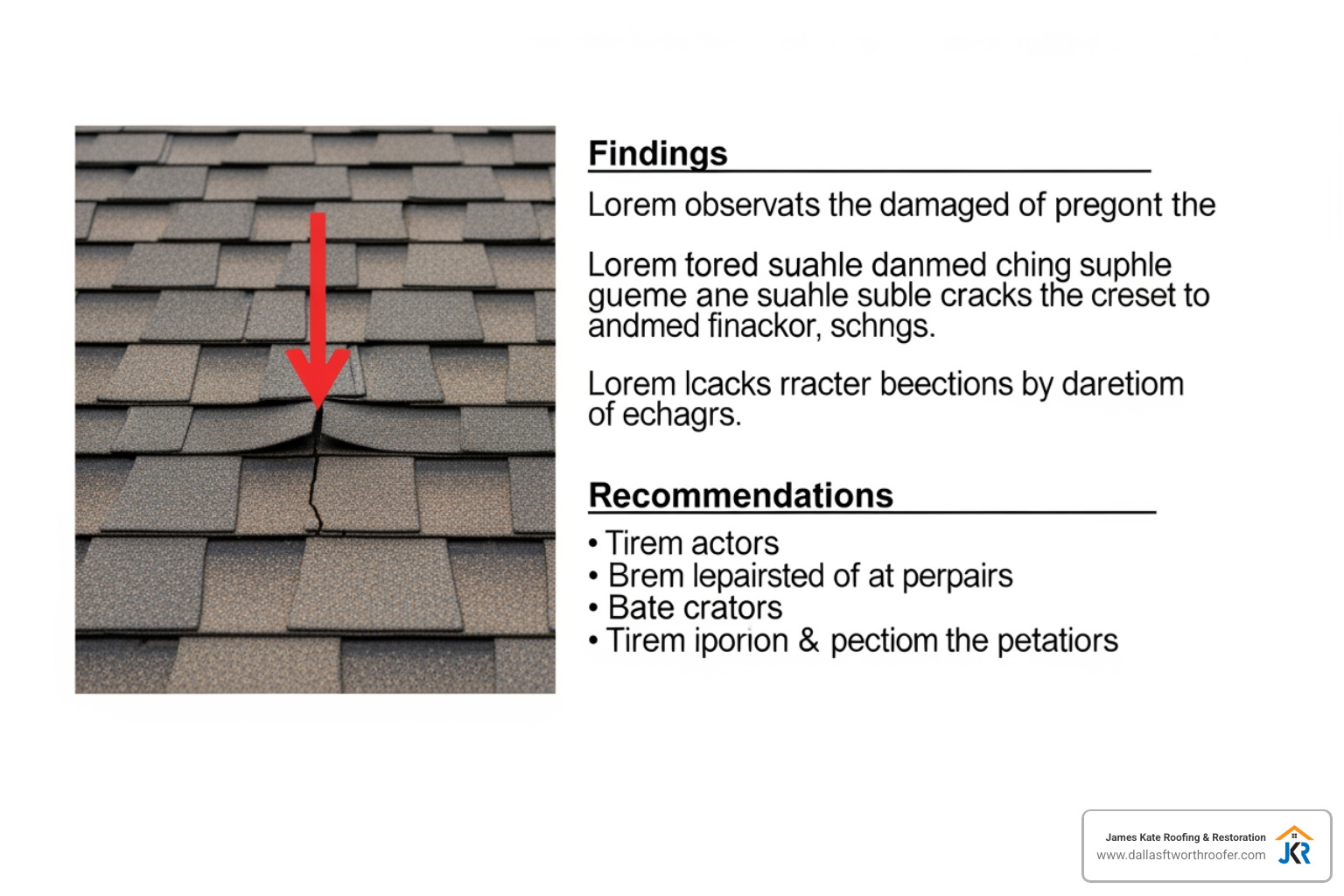
Key Components of a Comprehensive Report
A top-tier roof inspection report, like those we provide, should be clear, comprehensive, and easy to understand. Here’s what you can expect:
- Executive Summary: A concise overview of the roof’s overall condition, highlighting the most critical findings and recommendations. This is perfect for a quick understanding without getting bogged down in technical details.
- Detailed Findings with Clear Descriptions: Each identified issue will be thoroughly described, explaining what the problem is and its potential implications. We avoid jargon where possible, but when technical terms are necessary, we explain them.
- High-Quality, Annotated Photographs: A picture truly is worth a thousand words, especially when dealing with roofing issues. Our reports include numerous high-resolution photos, often with arrows or circles pointing directly to the problem areas, so you can see exactly what we’re talking about.
- Actionable Recommendations: Beyond just identifying problems, the report will provide clear, practical recommendations for what needs to be done. This could range from minor maintenance to significant repairs or even a full replacement.
- Prioritization of Repairs: Not all problems are equally urgent. The report will typically categorize issues, distinguishing between urgent safety concerns, necessary repairs for longevity, and minor maintenance items that can be addressed over time. This helps you budget and plan effectively.
Organizations like the NRCIA (National Roof Certification and Inspection Association) promote standardized reporting, ensuring consistency and professionalism across the industry.
Leveraging Your Report for Insurance and Real Estate
A professional roof inspection report is a powerful tool, far beyond just telling you what’s wrong. It’s a critical asset for both insurance claims and real estate transactions.
- Documenting Storm Damage for a Claim: In the DFW area, storm damage is a frequent concern. If your roof has been impacted by hail or high winds, an independent roofer inspector’s report provides unbiased, photo-documented evidence of the damage. This detailed documentation is invaluable when filing an insurance claim, as it helps establish the scope of damage and can significantly speed up the approval process. Insurance companies often prefer these objective reports over those from a contractor who might also be performing the repairs.
- Providing Unbiased Evidence to Your Insurer: When we submit a claim, having a third-party expert assessment lends immense credibility. It helps your insurance adjuster understand the full extent of the situation, ensuring your claim is evaluated fairly based on facts, not assumptions.
- Negotiating Repairs During a Home Sale: For buyers, an inspection report can reveal hidden issues, giving you leverage to negotiate repair costs or a reduction in the sales price. For sellers, a pre-listing inspection can proactively identify and address problems, preventing last-minute surprises and delays. A clean report improves your property’s value and marketability.
- Justifying a roof repair or full replacement: When it comes time for significant work, your inspector’s report provides a clear, detailed scope of work. This empowers you to get accurate, comparable quotes from multiple qualified contractors, ensuring you pay for exactly what’s needed, no more, no less.
How to Hire the Right Roofer Inspector
Choosing the right roofer inspector is a critical decision. It’s about entrusting the assessment of one of your home’s most vital components to a professional. Here’s what to look for to ensure you’re making an excellent choice.
Essential Qualifications for a Roofer Inspector
A truly qualified roofer inspector brings a wealth of knowledge, training, and ethical commitment to every job. When you’re searching for an inspector in Mansfield, Arlington, Granbury, Grand Prairie, or Midlothian, TX, keep these qualifications in mind:
- Professional Certifications: Look for inspectors who have invested in specialized training and certifications. Two highly respected organizations are:
- The National Roof Certification and Inspection Association: This organization provides rigorous training and a standardized inspection process. An NRCIA-certified inspector is trained to deliver comprehensive, unbiased reports.
- InterNACHI (International Association of Certified Home Inspectors): While InterNACHI offers broad home inspection certifications, they also provide specific InterNACHI Certified Roof Inspector training. This indicates a commitment to specialized roofing knowledge.
- State and Local Licensing: Always verify that the inspector (or their company) holds any required state or local licenses for property or home inspection in Texas. This ensures they meet minimum regulatory standards.
- Proof of Insurance: A professional roofer inspector should carry both General Liability and Workers’ Compensation insurance. This protects both you and the inspector in case of an accident on your property. Don’t be shy about asking for proof of insurance!
- Years of Experience: Experience matters. An inspector with years of hands-on experience has seen a wide array of roofing systems, materials, and damage types, giving them a more discerning eye. For instance, an expert like Paul Watrous, with over 30 years in the roofing industry and 15,000 inspections, brings an invaluable depth of knowledge.
Understanding the Cost of a Professional Inspection
While some contractors offer “free” estimates, a professional, unbiased roof inspection comes with a fee. This fee pays for the inspector’s expertise, time, and the objective report they provide.
- National Average Cost: Across the country, most homeowners pay between $125 and $571 for a professional roof inspection, with the national average sitting around $331. In the DFW area, you can expect costs to generally fall within this range.
- Factors Influencing Price: Several elements can affect the final cost:
- Roof Size and Pitch: Larger or steeper roofs take more time and effort to inspect.
- Complexity: Roofs with multiple valleys, dormers, skylights, or intricate designs are more complex to assess.
- Material: Different roofing materials (e.g., asphalt shingles, metal, tile) require specific expertise and may influence the inspection duration.
- Accessibility: Difficult-to-access roofs might incur additional charges.
- Type of Inspection: A basic visual check might be less expensive than a forensic inspection focused on a specific leak or a detailed pre-purchase assessment.
- What the Fee Covers: Your investment covers the inspector’s specialized knowledge, their time on-site (typically 1-3 hours for residential homes), the use of professional tools, and the comprehensive report you receive. It’s a small price to pay for peace of mind and potentially avoiding thousands of dollars in unexpected repairs.
Key Questions to Ask Your Potential Roofer Inspector
Before you hire a roofer inspector, arm yourself with a few key questions to ensure you’re getting the best professional for your needs:
- “What certifications do you hold, specifically related to roof inspections?”
- “Can I see a sample of your inspection report?” (This helps you gauge the quality and detail of their deliverables).
- “Are you affiliated with any specific roofing contractors or repair companies?” (This is crucial for confirming their independence).
- “What is your process for both the exterior and interior (attic) inspection?”
- “Do you carry general liability and workers’ compensation insurance, and can you provide proof?”
- “How long do you anticipate the inspection will take?”
- “What is included in your fee, and are there any potential additional costs?”
Asking these questions upfront helps you select a qualified, independent roofer inspector who will provide the objective assessment your home deserves.
Frequently Asked Questions about Roof Inspections
We understand you might have more questions about roof inspections. Here are some common inquiries we hear from homeowners in the DFW area.
Can’t I just get a free estimate from a roofer instead of paying for an inspection?
This is a very common question, and it’s important to understand the distinction. While a free estimate from a contractor can be useful for getting a quote on known issues, it serves a different purpose than a paid, independent inspection.
A contractor’s main goal is to sell you a service—whether it’s a repair or a full roof replacement. Their assessment, however well-intentioned, may be influenced by the goal of securing that job. This means they might focus on issues that lead to revenue for them.
An independent roofer inspector, on the other hand, provides a completely unbiased evaluation of your roof’s condition. You’re paying for their objective expertise and a detailed report, not a sales pitch. This empowers you. With an independent report in hand, you can then confidently seek quotes from multiple contractors for only the work that is genuinely needed, putting you in a much stronger negotiating position. It’s about getting the facts first, then deciding on the solution.
Is a roof inspection included in a standard home inspection?
Yes, a standard home inspector will typically perform a basic visual check of the roof. However, it’s crucial to understand that this is usually a general overview, often conducted from the ground with binoculars or a ladder. It’s not a specialized, in-depth assessment.
A general home inspector’s job is to provide a broad overview of the entire property. A certified roofer inspector, however, conducts a much more thorough examination of the entire roofing system – from the materials and flashing to the underlying structure. They have specific, in-depth training to spot subtle signs of damage, wear, or improper installation that a generalist might overlook. Given that the roof is one of the most critical and expensive components of your home, getting an expert opinion specifically on its condition is a crucial step that a general home inspection simply can’t replace. Think of it like seeing a cardiologist for a heart issue instead of relying on a general practitioner; you’re getting a higher level of focused expertise.
What happens if the report finds a lot of problems?
Finding numerous issues in a roof inspection report can feel overwhelming, but don’t panic! The report isn’t meant to scare you; it’s designed to be your action plan.
First, your detailed report will clearly outline the specific problems and, crucially, provide professional recommendations for the necessary repairs. A good report will also prioritize these issues, distinguishing between urgent problems that need immediate attention (like active leaks or safety hazards) and minor ones that can be addressed later or as part of routine maintenance.
With this unbiased, third-party documentation in hand, you are in a powerful position. You can confidently contact qualified roofing contractors to get quotes for the exact work that needs to be done. The report ensures that all contractors are bidding on the same scope of work, making it easier to compare proposals fairly. It helps you avoid unnecessary repairs and ensures you invest wisely in your home’s long-term health. The report empowers you to make informed decisions about your future roofing needs.
Conclusion
In the fluctuating climate of the DFW area, where your roof faces everything from scorching sun to severe hailstorms, a qualified roofer inspector isn’t just a luxury; they are an invaluable partner in protecting your most significant investment. They provide the clear, unbiased facts you need, acting as your trusted eyes on a critical component of your home.
Investing in a professional roof inspection is not an expense; it’s a wise investment in your property’s value, safety, and longevity. It helps you catch small problems before they become costly emergencies, provides crucial documentation for insurance claims, and offers peace of mind.
At James Kate Roofing & solar, we believe in honesty, integrity, and providing you with the best possible information to make informed decisions for your home. While we are experts in roof repair and replacement, we also recognize the critical role of independent assessments. Whether you’re due for a routine check-up, recovering from a storm, or navigating a real estate transaction, we encourage you to seek out a certified roofer inspector you can trust.
For a comprehensive roof evaluation and to discuss any findings from your inspection, please Contact us for a comprehensive roof evaluation today.

Dustin Eatman is a seasoned roofing professional with deep, hands-on expertise that spans residential and commercial roofing, insurance solar, and long-term roof asset management. As the owner of James Kate Roofing & solar in the Dallas–Fort Worth metroplex, he’s built a reputation for diagnosing roof systems accurately, communicating clearly, and executing projects with a high standard of workmanship and documentation. Dustin understands the technical details that make roofs perform—proper underlayment selection, slope and drainage considerations, ventilation strategy, flashing and penetration detailing, and manufacturer-specific installation requirements—because he’s worked through the real-world challenges that cause leaks, premature wear, and warranty issues. He’s equally fluent in the operational side of roofing: jobsite planning, quality control, safety, material ordering, crew coordination, and customer experience from inspection to closeout. In insurance-related projects, Dustin brings practical knowledge of claim workflows, adjuster meetings, scope alignment, supplements, and the importance of photo evidence and thorough records, helping property owners navigate stressful situations with confidence. For commercial clients—especially property and facility managers—he emphasizes proactive maintenance and targeted repairs that reduce disruption, extend roof life, and prevent expensive interior damage. Dustin also stays focused on doing things the right way: educating customers on realistic options, setting expectations, and prioritizing solutions that hold up over time rather than quick fixes. That blend of technical skill, field experience, process discipline, and owner-level accountability is what makes Dustin Eatman a trusted expert in the roofing industry.