
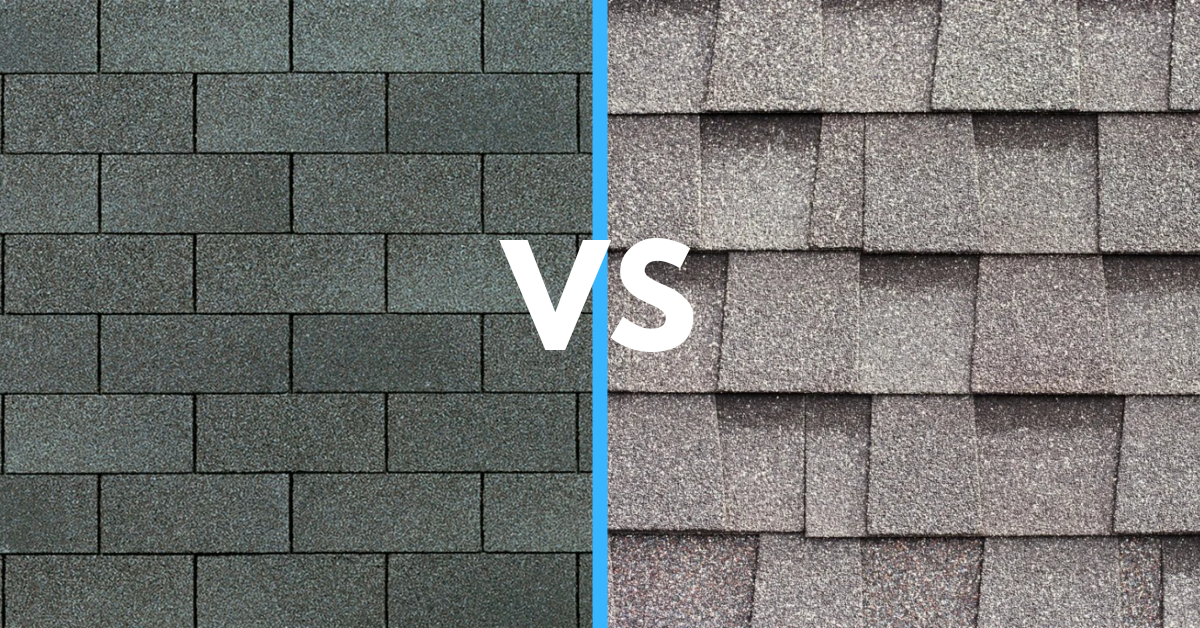
What Is the Difference Between Asphalt Shingles and Composition Shingles?
The difference between asphalt shingles and composition shingles is one of the most misunderstood topics in residential roofing — and it matters a lot when you’re making a decision that affects your home for the next 20 to 50 years.
Here’s the short answer:
| Term | What It Actually Means |
|---|---|
| Asphalt shingles | Traditional shingles made from a fiberglass or organic mat, coated in asphalt and topped with mineral granules |
| Composition shingles | Often used as another name for asphalt shingles — “composition” simply refers to the layered, multi-material construction |
| Composite shingles | A different product — synthetic shingles made from polymers, recycled materials, and resins, designed to mimic slate or cedar shake |
So “composition” and “asphalt” are largely the same thing. “Composite” (or synthetic) shingles are a separate, premium category — and the two are often confused.
That distinction changes everything when comparing cost, lifespan, durability, and performance — especially in a climate like DFW, where hail, heat, and high winds put every roof to the test.
I’m Dustin Eatman, owner of James Kate Roofing & solar, and I’ve spent years helping DFW homeowners navigate exactly this kind of decision — from diagnosing the difference between asphalt shingles and composition shingles on a job site to helping families choose the right material for their budget and their roof’s long-term performance. Let’s break it all down clearly so you can make a confident choice.
Difference between asphalt shingles and composition shingles terms explained:
Material Composition: What Goes Into Your Roof?
When we talk about the difference between asphalt shingles and composition shingles, we have to look under the hood. Or, in this case, under the granules.
The Anatomy of an Asphalt (Composition) Shingle
Most modern asphalt shingles are technically “composition” shingles because they aren’t just one big slab of tar. They are a carefully engineered sandwich. The core is typically a fiberglass mat, which provides the structural strength and fire resistance. This mat is then saturated with petroleum-based asphalt to make it waterproof. Finally, the top layer is coated with mineral granules. These granules aren’t just for color; they protect the asphalt from UV rays and provide impact resistance.
According to industry data, asphalt shingles still cover 75–80% of U.S. residential roofs. Their popularity in places like Mansfield and Arlington stems from their reliability and the fact that they are very cost-effective to manufacture.
The Anatomy of a Composite (Synthetic) Shingle
Now, let’s look at the “Composite” shingle—the premium contender. These are often called “synthetic” shingles because they don’t rely on a fiberglass-and-asphalt core. Instead, they are made from a blend of:
- Synthetic polymers
- Recycled rubber or plastics
- Resins
- Specialized UV inhibitors
These materials are molded to look exactly like natural slate tiles or hand-split cedar shakes. Because they are made from high-strength synthetics, they don’t “dry out” or lose granules like traditional asphalt products do over time.
The Difference Between Asphalt Shingles and Composition Shingles
If you’ve been browsing roofing websites and feel like you’re drowning in jargon, you aren’t alone. The difference between asphalt shingles and composition shingles is often more about linguistics than physics.
In the roofing world, “composition” was a term coined to describe shingles that were no longer made of just one material (like old-fashioned wood or pure slate). Because asphalt shingles are “composed” of a mat, asphalt, and granules, the names became interchangeable. If a contractor in Grand Prairie tells you that you need a “composition roof,” 99% of the time, they are talking about standard asphalt shingles.
Identifying the Difference Between Asphalt Shingles and Composition Shingles in Terminology
To keep things simple for our clients at James Kate Roofing & solar, we usually break it down like this:
- Asphalt/Composition: The standard, reliable, budget-friendly choice.
- Composite/Synthetic: The high-end, long-lasting, luxury-look choice.
The manufacturing process for asphalt shingles involves high-speed rollers pressing granules into hot asphalt. In contrast, composite shingles are often injection-molded. This molding process allows for much deeper textures and more realistic shadows, which is why a composite roof often looks indistinguishable from a $50,000 slate roof from the curb.
How the Difference Between Asphalt Shingles and Composition Shingles Affects Your Warranty
Warranties are where the rubber (or asphalt) meets the road. Because asphalt shingles are prone to “granule loss” and can become brittle as the oils in the asphalt evaporate over 20 years, their warranties are structured differently.
A standard architectural asphalt shingle usually comes with a 30-year limited warranty. However, “limited” is the keyword there. Many of these warranties are prorated, meaning the value of the coverage drops every year the roof gets older.
Composite shingles, on the other hand, often come with “Lifetime” warranties. Because they are made of stable polymers that don’t decay the same way petroleum does, manufacturers are much more confident in their long-term performance. At James Kate, we also provide up to a 25-year workmanship warranty, which is vital regardless of which material you choose. More info about roofing services can help you understand how these manufacturer guarantees pair with our local service.
Performance and Durability: Weathering the DFW Climate
In North Texas, we don’t just have weather; we have “events.” Between the scorching July heat in Midlothian and the spring hail storms in Granbury, your roof is essentially in a heavyweight boxing match 365 days a year.
Wind Resistance
Standard asphalt shingles are usually rated for winds between 60 and 90 mph. Premium architectural asphalt shingles can go up to 130 mph if they use specialized nailing patterns (like the SureNail technology we often use).
Composite shingles are in a different league. Many synthetic products are tested to withstand winds of 110 mph up to 190 mph. They don’t have the same “lifting” issues that asphalt shingles can experience because they are often thicker and more rigid.
Hail and Impact
This is the big one for DFW. Asphalt shingles are rated by “Classes.” A Class 4 impact rating is the highest. While you can buy Class 4 asphalt shingles, they still rely on the asphalt remaining flexible to absorb the hit. As asphalt shingles age and get “baked” by the Texas sun, they lose that flexibility and become more prone to hail damage.
Composite shingles are naturally impact-resistant. Most come standard with a Class 4 rating. They don’t crack or bruise the way asphalt does, which is why composite and synthetic shingles have an average service life of 30–50+ years, compared with 20–25 years for standard asphalt.
UV Degradation and Algae
The sun is the silent killer of roofs. UV rays break down the chemical bonds in asphalt, leading to curling and cracking. Composite shingles are engineered with UV inhibitors throughout the material, not just on the surface. Additionally, many of our composite options are naturally resistant to that unsightly black algae (Gloeocapsa magma) that streaks many roofs in humid Texas summers.
Cost Comparison: Upfront Pricing vs. Lifecycle Value
We know that budget is a primary factor for every family. When looking at the difference between asphalt shingles and composition shingles (and their composite cousins), you have to weigh the “now” versus the “later.”
| Feature | Architectural Asphalt | Synthetic Composite |
|---|---|---|
| Upfront Cost (Installed) | $3.50 – $5.50 per sq. ft. | $6.00 – $9.00+ per sq. ft. |
| Average 2,000 sq. ft. Roof | $7,000 – $11,000 | $12,000 – $18,000+ |
| Typical Lifespan | 20 – 30 years | 30 – 50+ years |
| Maintenance Needs | Moderate (granules, flashing) | Low (debris removal) |
| Insurance Discounts | Possible (if Class 4) | Likely (Class 4 standard) |
While the upfront cost of composite shingles can be double that of asphalt, the annual cost of ownership can actually be lower. If you plan on staying in your Mansfield home for the next 30 years, an asphalt roof will likely need to be replaced twice, whereas a composite roof will still be in its prime.
Using durability checklists help homeowners weigh maintenance demands and lifecycle costs is a smart way to remove the guesswork. If you’re planning to sell in five years, asphalt is a fantastic investment. If this is your “forever home,” composite starts looking like the better deal.
Aesthetics and Curb Appeal: Choosing Your Home’s Look
Your roof can account for up to 40% of your home’s visible exterior. It’s essentially the “hat” of your house.
The Asphalt Look
Modern architectural asphalt shingles look great. They have a “dimensional” look that mimics wood shakes better than the flat 3-tab shingles of the 1980s. They come in a wide variety of colors—from weathered wood to charcoal—and fit into almost any neighborhood HOA in Grand Prairie or Arlington.
The Composite Look
Composite shingles are for the homeowner who wants the “Wow” factor. Because they are molded from real slate and wood, they have deep grooves, realistic textures, and staggered edges.
- Slate Mimicry: Real slate is incredibly heavy and expensive. Composite slate gives you that historic, elegant look without needing to reinforce your attic rafters.
- Cedar Shake Mimicry: Real wood shakes are a fire hazard and rot quickly in Texas humidity. Composite shakes give you that rustic Mansfield ranch look with a Class A fire rating.
Frequently Asked Questions
Which shingle type is better for hail-prone areas like North Texas?
For pure durability, composite shingles are the winner. Their synthetic makeup allows them to bounce back from hail strikes that would traditionally “bruise” an asphalt shingle. However, a high-quality Class 4 architectural asphalt shingle is also an excellent, more affordable choice that can often earn you a significant discount on your homeowner’s insurance premiums in the DFW area.
Are composite shingles more environmentally friendly than asphalt?
Yes, generally speaking. Asphalt shingles are petroleum-based and are one of the largest contributors to landfill waste in the U.S. because they are difficult to recycle. Many composite shingles are made from recycled post-consumer plastics and rubber. Furthermore, because they last twice as long, you are effectively keeping one entire roof’s worth of waste out of the landfill over a 50-year period.
Do composite shingles require special roof reinforcement?
No! This is one of their biggest advantages over natural slate or clay tile. Composite shingles are designed to be lightweight. They can usually be installed on standard roof decking (like OSB or plywood) without any structural modifications. This makes them a perfect “upgrade” for older homes in historic parts of Granbury or Arlington that weren’t built to hold the weight of heavy stone.
Conclusion
Choosing between asphalt and composite shingles doesn’t have to be a headache. Whether you prioritize the immediate affordability of a high-quality asphalt roof or the “set it and forget it” luxury of a composite system, the most important factor is the team putting it on.
At James Kate Roofing & solar, we are a family-owned DFW company built on honesty, integrity, and Biblical principles. We aren’t just here to “sell a roof”—we’re here to protect your family. As a GAF President’s Club recognized contractor, we bring a level of expertise to Mansfield, Arlington, and the surrounding areas that ensures your investment is protected.
If your roof has seen better days—or if that last North Texas storm left you wondering about your shingles—don’t wait for a leak to start. Schedule a free inspection today, and we’ll help you navigate the difference between asphalt shingles and composition shingles in person, right on your own roof. We’ll give you a fair, honest assessment and help you choose the material that fits your home, your style, and your budget perfectly.

Dustin Eatman is a seasoned roofing professional with deep, hands-on expertise that spans residential and commercial roofing, insurance solar, and long-term roof asset management. As the owner of James Kate Roofing & solar in the Dallas–Fort Worth metroplex, he’s built a reputation for diagnosing roof systems accurately, communicating clearly, and executing projects with a high standard of workmanship and documentation. Dustin understands the technical details that make roofs perform—proper underlayment selection, slope and drainage considerations, ventilation strategy, flashing and penetration detailing, and manufacturer-specific installation requirements—because he’s worked through the real-world challenges that cause leaks, premature wear, and warranty issues. He’s equally fluent in the operational side of roofing: jobsite planning, quality control, safety, material ordering, crew coordination, and customer experience from inspection to closeout. In insurance-related projects, Dustin brings practical knowledge of claim workflows, adjuster meetings, scope alignment, supplements, and the importance of photo evidence and thorough records, helping property owners navigate stressful situations with confidence. For commercial clients—especially property and facility managers—he emphasizes proactive maintenance and targeted repairs that reduce disruption, extend roof life, and prevent expensive interior damage. Dustin also stays focused on doing things the right way: educating customers on realistic options, setting expectations, and prioritizing solutions that hold up over time rather than quick fixes. That blend of technical skill, field experience, process discipline, and owner-level accountability is what makes Dustin Eatman a trusted expert in the roofing industry.