Why Asphalt Shingle Replacement Matters for DFW Homeowners
Asphalt shingle replacement is essential when your roof shows signs of curling, cracking, missing granules, or water damage inside your home. Here’s when to act:
Quick Answer: When to Replace Asphalt Shingles
- Isolated Damage: Replace individual shingles if your roof is less than 15 years old and damage is limited to a few spots
- Widespread Issues: Full replacement needed when multiple areas show damage, especially if the roof is 20+ years old
- Average Cost: $12,000-$25,500+ for residential properties in the DFW area, depending on roof size
- Typical Lifespan: 20-30 years for asphalt shingles with proper maintenance
- Emergency Signs: Water stains on ceilings, sagging roof deck, or daylight visible through attic boards require immediate professional attention
Your roof is your home’s first line of defense against Texas weather. When shingles fail, they don’t just look bad; they put your entire property at risk.
Most DFW homeowners will eventually face the decision: repair or replace? The right answer depends on your roof’s age, the extent of the damage, and your long-term goals. Making the wrong call can lead to wasted money on temporary fixes or a premature replacement.
This guide covers everything about asphalt shingle replacement—from spotting warning signs to understanding costs and choosing between DIY and professional installation. You’ll learn how to protect your home and make smart, informed decisions.
I’m Dustin Eatman, owner of James Kate Roofing & Solar, and I’ve spent years diagnosing roof systems and executing asphalt shingle replacement projects across the Dallas-Fort Worth metroplex. My hands-on experience with everything from insurance claims to commercial roof management has taught me what works, what fails, and how to help property owners steer these decisions with confidence.
Identifying the Problem: When Do Shingles Need Attention?
Your asphalt shingle roof is designed to protect your home for years, typically lasting between 15 to 30 years, depending on the shingle type, installation quality, and, importantly, the harsh Texas climate. However, no roof lasts forever. Understanding when your shingles are signaling distress is the first step toward effective asphalt shingle replacement.
The best way to monitor your roof’s health is through routine inspections. We recommend a visual check at least twice a year, ideally in the spring and fall, and always after any severe weather event. From the ground, use a pair of binoculars to get a closer look at your roof’s surface. What you’re looking for are common signs of wear and tear.
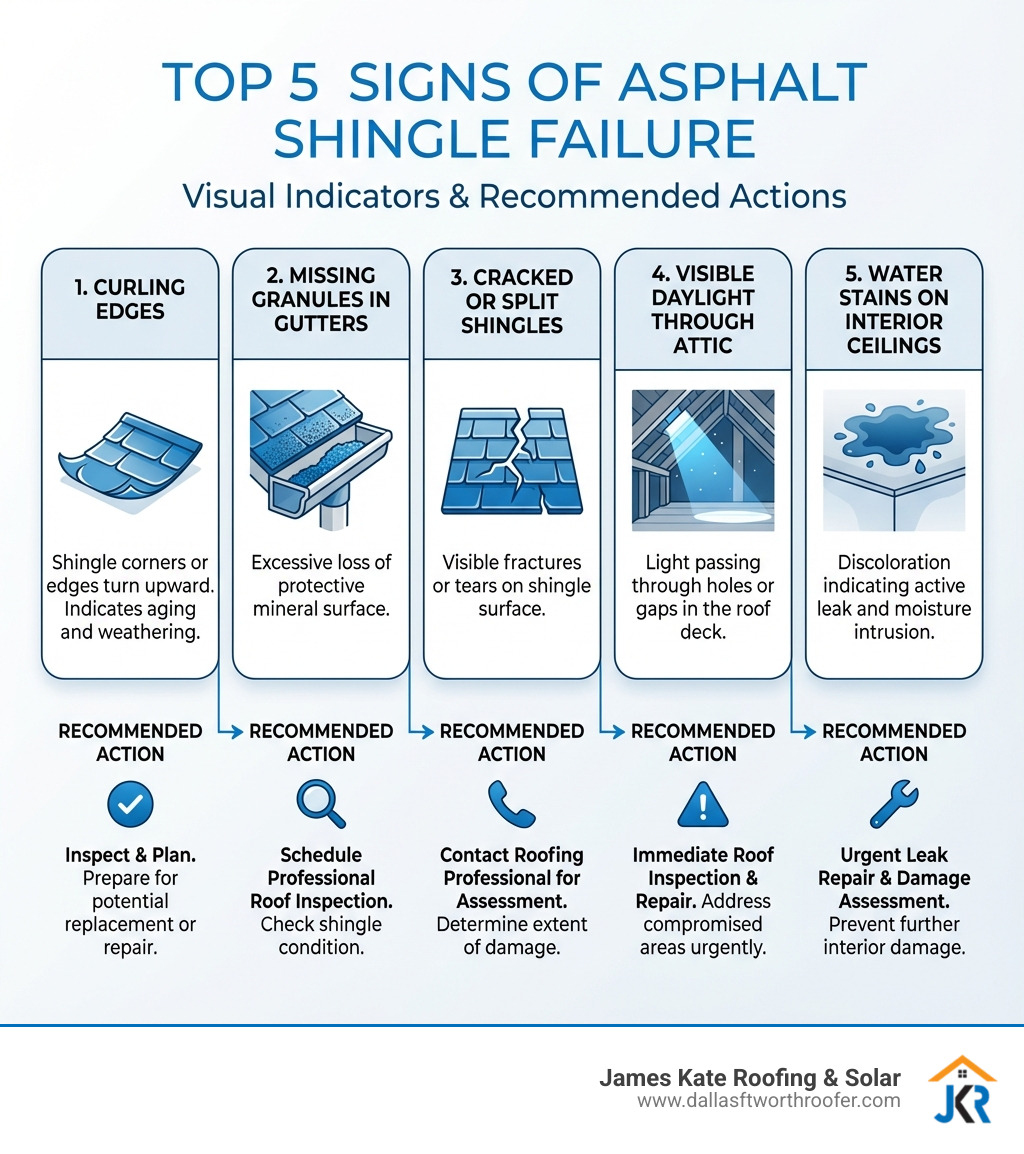
Don’t forget to check your attic, too! Head up there with a flashlight and look for any signs of water stains on the wood decking or, even more critically, any daylight peeking through the boards. If you see light, water can definitely get in, and that means it’s time for a serious assessment.
Common Signs of Shingle Damage
Several tell-tale signs indicate your asphalt shingles are nearing the end of their life or have sustained damage:
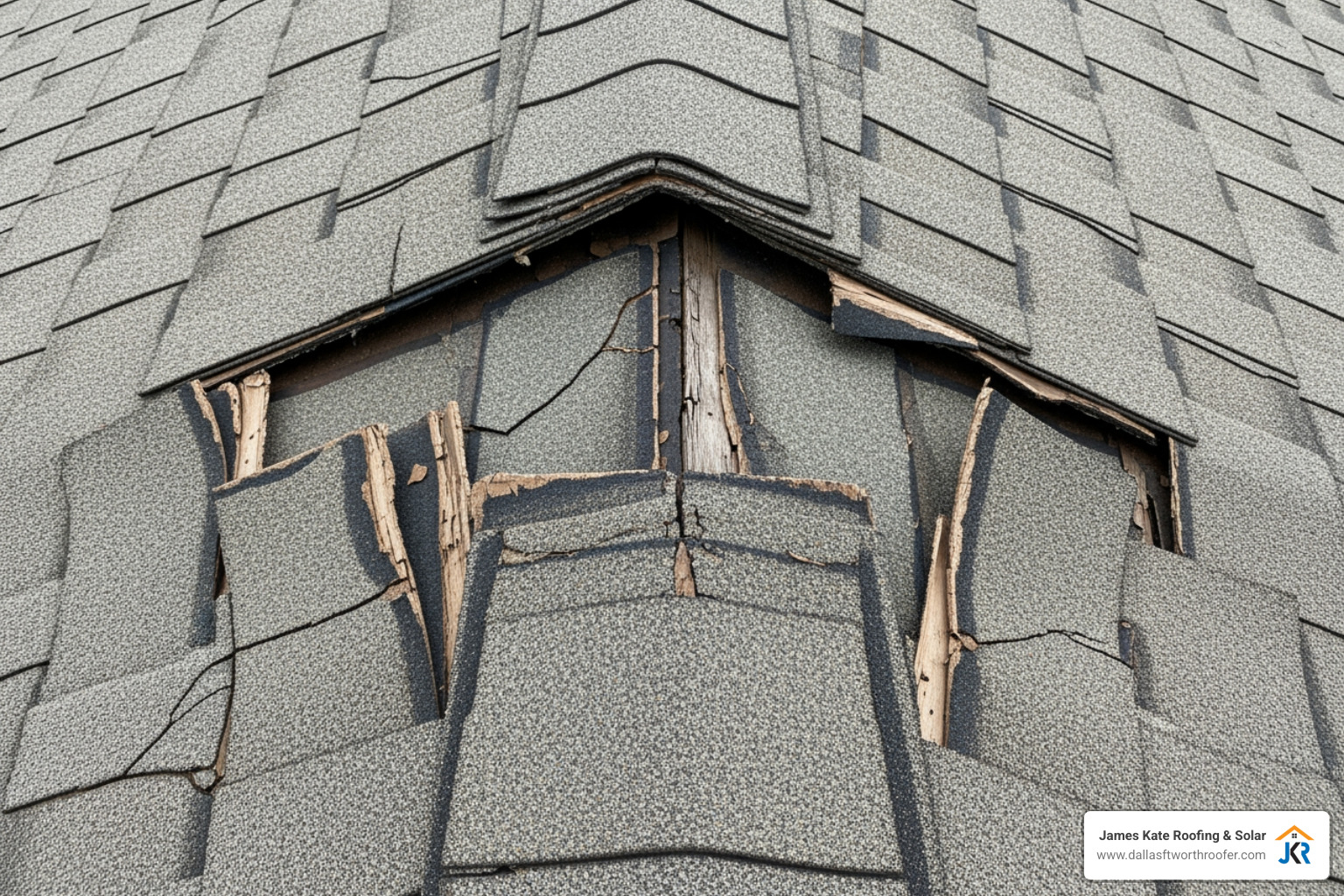
- Curling or Cracking Shingles: As shingles age, they lose flexibility and become brittle. This causes them to curl at the edges (cupping) or crack, which compromises their ability to shed water and makes them vulnerable to wind.
- Blistering: Bubbles on the shingle surface, often caused by trapped moisture or poor attic ventilation, can lead to granule loss and premature failure.
- Missing Granules: Finding shingle granules in your gutters is a sign that the protective top layer is wearing away, exposing the asphalt to UV rays and accelerating deterioration.
- Algae or Moss Growth: Dark streaks or moss, especially in shaded areas, can trap moisture and speed up shingle decay, sometimes indicating a larger moisture problem.
- Damaged Flashing: Bent, cracked, or rusted metal flashing around chimneys, vents, and valleys creates a direct path for water to enter your home.
- Sagging Roof Deck: A visibly sagging roof is a serious structural red flag, often caused by rotted sheathing from prolonged moisture exposure. This requires immediate professional help and a full asphalt shingle replacement.
Repair vs. Replacement: Making the Call
Once you’ve identified signs of damage, the next critical step is determining whether a simple repair will suffice or if a full asphalt shingle replacement is necessary. This decision hinges on the extent of the damage, the age of your roof, and your budget.
- Isolated Damage: If your roof is under 15 years old and damage is confined to a few shingles, a repair is often a cost-effective solution. This Old House offers a helpful guide on how to repair damaged shingles.
- Widespread Issues: If you see damage across multiple areas of your roof, it’s a sign that the system is failing. Constant patching can cost more in the long run than a full replacement.
- Age of Roof: For roofs 20-25 years or older, even minor issues can signal systemic failure. Proactively replacing an old roof is the most economically sound decision to prevent major damage.
- Water Damage Inside: Water stains on ceilings or walls are red flags. A leak often points to a larger problem that only a full asphalt shingle replacement can properly solve.
For more information on handling various roof issues, you can explore our comprehensive guide on roof repairs.
Planning Your Project: Materials, Costs, and Considerations
Starting on an asphalt shingle replacement project involves more than just picking a color. It requires careful planning, understanding material options, and budgeting for various costs. In the DFW area, several factors will significantly influence the overall expense and complexity of your project.
The average cost for residential asphalt shingle replacement in the DFW area can range from $12,000 to $25,500+, depending on the size and specifics of your roof. Nationally, replacing a typical roof using asphalt shingles costs between $3 and $6 per square foot, including demolition, permit fees, waste disposal, and cleanup.
Here’s a breakdown of the key factors that influence the cost and complexity:
- Roof Size: The primary cost driver. Larger roofs require more materials and labor. Costs can range from $9,000 – $12,800 for a typical 1500-2500 sq ft home, with larger roofs (4000+ sq ft) costing $16,500+.
- Roof Pitch (Inclination): Steeper roofs are more difficult and dangerous to work on, increasing labor costs.
- Accessibility: Obstructions like dense landscaping or limited property access can increase labor time and costs.
- Labor & Permits: Labor costs vary by job complexity and contractor. Permit fees, required by most DFW municipalities, are usually included in a professional estimate.
- Debris Disposal: The cost to remove and dispose of old roofing materials is part of the total project expense.
Choosing Your Asphalt Shingles
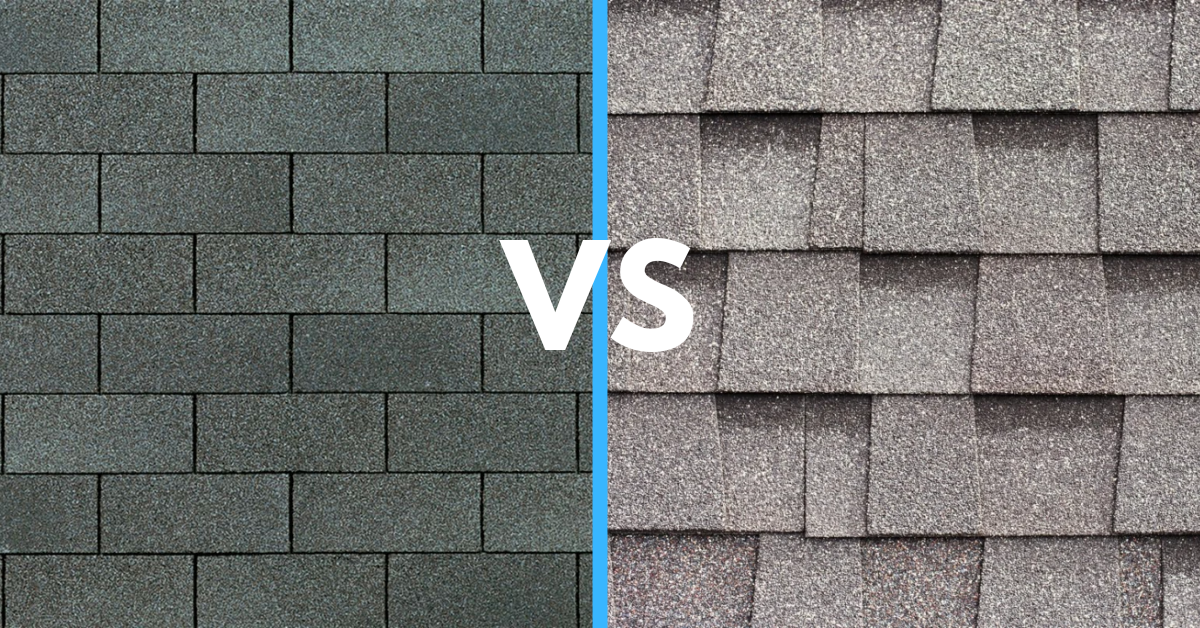
Asphalt shingles are the most popular roofing material in North Texas due to their affordability, versatility, and ease of installation. However, not all asphalt shingles are created equal. The two main types you’ll encounter are 3-tab and architectural (also known as laminated or dimensional) shingles.
| Feature | 3-Tab Shingles | Architectural Shingles |
|---|---|---|
| Cost | Lower cost, most budget-friendly | Higher cost, premium option |
| Lifespan | 20-25 years (typically 20- to 25-year warranty) | 30 years or more (often “lifetime” warranties) |
| Appearance | Flat, uniform look, single layer, less attractive | Dimensional, multi-layered, mimics wood shakes or slate, 3D look |
| Durability | Lighter weight, less wind resistance | Heavier, more durable, better wind resistance, can weigh up to 50% more |
For a deeper dive into these materials, check out our page on composition asphalt shingles.
Beyond these two, you can also find “designer” or “luxury” shingles, which are improved architectural shingles that offer even more intricate designs, colors, and textures, often mimicking natural slate or cedar shakes at a fraction of the cost.
When choosing your shingles, consider:
- Curb Appeal: The shingle color and style significantly impact your home’s aesthetic. We offer a wide range of colors and styles to complement your home’s exterior.
- Performance: Consider features like algae resistance (common in humid Texas weather), impact resistance (for hailstorms), and high wind resistance.
- Warranty: Understand both the manufacturer’s warranty (for material defects) and the workmanship warranty (for installation quality). James Kate Roofing & Solar proudly offers a 25-year workmanship warranty.
Exploring Modern Roofing Trends
While traditional asphalt shingles remain a dominant choice, the roofing industry is continuously innovating. When considering your asphalt shingle replacement, it’s worth exploring some modern trends that can offer improved performance, energy efficiency, or even energy generation, especially relevant in the Texas heat.
- Cool Roofs: Designed to reflect more sunlight and absorb less heat, cool roofs can reduce cooling costs by up to 15% in the Texas heat. Lighter-colored or specially coated shingles reflect more sunlight, lowering your energy bills. Find rated products at the Cool Roof Rating Council.
- Solar Shingles: Integrated photovoltaic shingles from manufacturers like GAF can generate electricity for your home, drastically reducing or eliminating power bills. While a larger investment, homeowners can benefit from a 30% federal tax credit (expiring end of 2025). You can learn more about Solar options from GAF Energy.
- Metal Roofing: Though this guide focuses on asphalt, metal roofing is a popular alternative in North Texas. It offers exceptional durability, wind resistance, and a lifespan of 40-70+ years. While the upfront cost is higher, it’s a long-term, low-maintenance solution.
Your Guide to Asphalt Shingle Replacement
Replacing an asphalt shingle roof is a significant undertaking that requires careful execution. While we highly recommend professional installation, understanding the process can empower you to make informed decisions and appreciate the work involved.
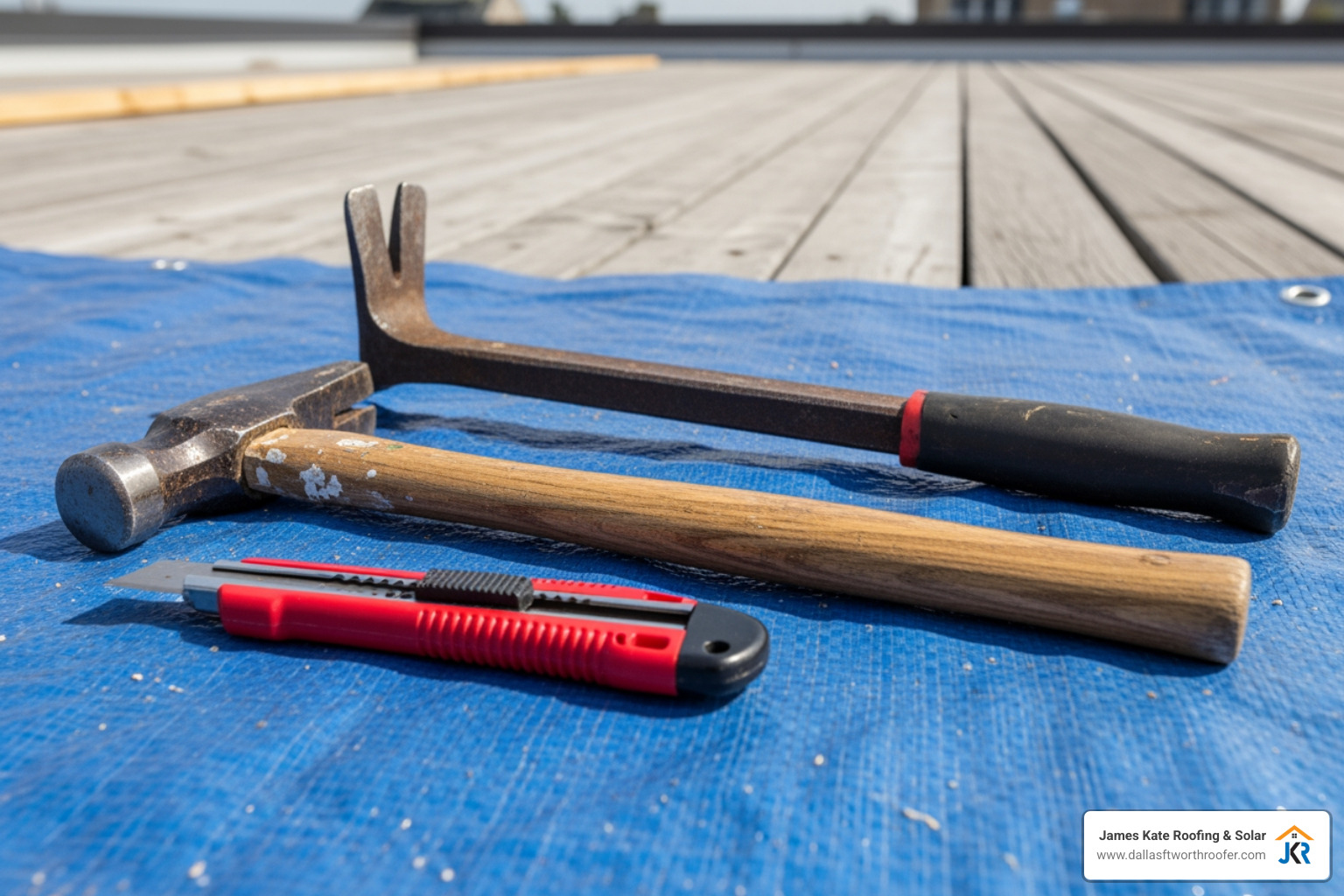
Safety is paramount in any roofing project. Working at heights is risky, so fall protection (harness, rope, anchor) is non-negotiable. Ideal weather is dry with low wind and moderate temperatures.
Most professional asphalt shingle replacement projects involve a full “tear-off,” removing all old materials down to the roof deck. This is often required by building codes, which limit roofs to two layers. A tear-off allows for inspection and repair of the decking, ensuring a solid foundation and compliance with manufacturer warranties. Always check with your local DFW municipality for permit requirements.
[LIST] of Essential Tools and Materials
Whether you’re attempting a minor repair or simply want to understand what goes into a full replacement, here’s a list of essential tools and materials:
- Pry bar (for removing old shingles and nails)
- Hammer (for nailing new shingles)
- Roofing nail gun (for efficiency in professional settings)
- Utility knife (for cutting shingles)
- Chalk line (for snapping straight guidelines)
- Ladder (stable and properly secured)
- Safety harness and fall protection kit
- Replacement asphalt shingles (matching type and color)
- Roofing nails (1-1/4 inch zinc-coated are common)
- Underlayment (roofing felt paper, usually 15-lb or 30-lb)
- Ice and water shield (self-adhesive membrane for vulnerable areas like eaves and valleys)
- Drip edge (metal flashing for roof edges)
- Flashing (for chimneys, vents, skylights, valleys)
- Roofing sealant (e.g., Lexel, for sealing nail heads and small gaps)
- Magnetic sweeper (for collecting nails after the job)
- Gloves, safety glasses, and non-slip shoes
The Step-by-Step Process for Asphalt Shingle Replacement
A professional asphalt shingle replacement is a multi-step process designed to ensure durability and weather resistance. Here’s a simplified overview:
- Tear-off and Prep: We protect your property with tarps before removing all old shingles and underlayment down to the bare roof deck. Old nails are removed, and debris is placed in a dumpster.
- Deck Inspection and Repair: The exposed roof decking (plywood or OSB) is thoroughly inspected for rot or damage. Any compromised sections are replaced to ensure a solid foundation.
- Install Protective Layers: A self-adhesive ice and water shield is applied to vulnerable areas like eaves and valleys for extra protection against wind-driven rain. Then, a layer of roofing felt (underlayment) is installed over the entire deck as a secondary moisture barrier.
- Apply Drip Edge and Flashing: Metal drip edge is installed along all roof edges to direct water away from the fascia. New flashing is installed around chimneys, vents, and in valleys to create watertight seals.
- Install Starter Shingles: A special row of starter shingles is installed at the eaves and rakes to seal the edge and improve wind resistance.
- Lay the Shingle Field: Starting from the bottom and working up, the main shingles are installed. We follow the manufacturer’s specific nailing pattern precisely, as improper nailing is a primary cause of roof failure.
- Stagger Seams: To prevent water penetration and ensure a uniform look, shingle seams are staggered according to professional standards.
- Work Around Penetrations: Shingles are carefully cut to fit around vents and pipes. Flashing is integrated correctly, and exposed nail heads are sealed.
- Capping the Ridge: Specialized ridge cap shingles are installed along the roof’s peak and hips to provide a protective and finished look.
- Cleanup and Final Inspection: The job ends with a meticulous cleanup, including using magnetic sweepers to find stray nails. A final inspection ensures the installation meets our high standards.
For those interested in a more detailed, DIY-focused breakdown, you might find this resource helpful: A Full Guide to DIY Roof Installation.
DIY vs. Hiring a Professional: Making the Right Choice
When your roof needs attention, the thought of doing it yourself can be appealing, especially with the promise of cost savings. However, when it comes to asphalt shingle replacement, the decision between DIY and hiring a professional is not to be taken lightly. It involves weighing project complexity, safety, time commitment, and the potential for costly errors.
A DIY approach might save you on labor costs, but it comes with significant risks:
- Complexity and Codes: Roofing requires knowledge of layering, flashing, ventilation, and local building codes. Mistakes can cause leaks, mold, and structural damage.
- Safety Risks: Roofing is inherently dangerous. Professionals use specialized safety equipment and training to prevent falls, especially on high or steep-pitched roofs.
- Time Commitment: A DIY replacement can take weeks, leaving your home exposed to unpredictable Texas weather.
- Tool and Equipment Costs: Specialized tools like roofing nail guns and safety harnesses can be expensive to buy or rent.
- Costly Errors: Improper installation can void material warranties and lead to premature failure, resulting in more expensive repairs later.
The Benefits of Professional Asphalt Shingle Replacement
Choosing a professional roofing contractor for your asphalt shingle replacement offers numerous advantages, especially for homeowners in the DFW Metroplex:
- Expertise and Experience: Our team at James Kate Roofing & Solar has specialized experience with the Texas climate. We ensure your roof is installed to the highest standards to withstand intense sun, hail, and wind.
- Safety Compliance: Professionals are trained and equipped to work safely, adhering to strict standards to prevent accidents and protect your property.
- Workmanship Warranty: We stand behind our work with a 25-year workmanship warranty, giving you long-term peace of mind.
- Proper Insurance: As a fully insured contractor, we transfer all liability away from you, the homeowner.
- Quality Materials: We use durable, top-rated materials from trusted brands like GAF, CertainTeed, and Owens Corning to guarantee performance.
- Efficiency: Our experienced crews can complete most replacements in just a few days, minimizing disruption and exposure to the elements.
- Peace of Mind: Hiring skilled, insured professionals who guarantee their work ensures your investment is protected for decades.
When considering a major home improvement like a roof replacement, our professional services ensure quality results. Explore our dedicated page for roof replacement and installation services to learn more about how we can help.
Frequently Asked Questions about Asphalt Shingle Replacement
We understand that replacing your roof can bring up a lot of questions. Here are some of the most common inquiries we receive about asphalt shingle replacement:
Can I just replace a few damaged shingles instead of the whole roof?
Yes, if your roof is relatively new (under 15 years) and damage is isolated to a few shingles, a repair is a good choice. However, for older roofs (20+ years) or widespread damage, a full replacement is more cost-effective and necessary to ensure the roof’s integrity. Patching an old, failing roof often leads to a cycle of constant repairs.
How long does a typical asphalt shingle roof replacement take?
For a typical home in the DFW area, a professional crew can usually complete a full replacement in two to four days. The exact timeline depends on the roof’s size and complexity, as well as weather conditions. Steeper or more intricate roofs may take longer.
How can I extend the life of my new asphalt shingle roof?
Extending the life of your new asphalt shingle roof is all about proactive maintenance and attention to detail:
- Regular Inspections: Visually inspect your roof twice a year and after severe Texas weather to catch early signs of damage.
- Keep Gutters Clean: Ensure gutters are free of debris to prevent water backup, which can damage your roof’s edge.
- Remove Debris: Clear leaves and branches from your roof to prevent moisture buildup and shingle deterioration.
- Ensure Proper Attic Ventilation: Good ventilation prevents heat and moisture buildup in your attic, which can prematurely age shingles.
- Make Prompt Repairs: Address minor issues like cracked or missing shingles immediately to prevent them from becoming larger problems.
- Preventing Ice Dams in Winter: In rare cases of prolonged freezes in DFW, proper insulation and ventilation help prevent ice dams, which can force water under shingles. Learn more about how to prevent ice dams.
Conclusion
Your home is likely your most significant investment, and its roof is the primary protector of that investment. Understanding when and why asphalt shingle replacement is necessary, what your options are, and the process involved empowers you to make informed decisions. From recognizing the subtle signs of shingle fatigue to navigating the choices between different materials and professional services, being “shingle savvy” means safeguarding your home’s integrity and value for years to come.
For DFW homeowners seeking integrity and quality, James Kate Roofing & solar provides expert installation backed by up to a 25-year workmanship warranty. Our commitment to honesty and Biblical principles guides every project, ensuring you receive top-tier service and a roof built to last.
Don’t wait until a small leak becomes a major problem. Protect your home and your peace of mind. Schedule your free roof inspection today with James Kate Roofing & Solar, and let us help you make the best decision for your home.