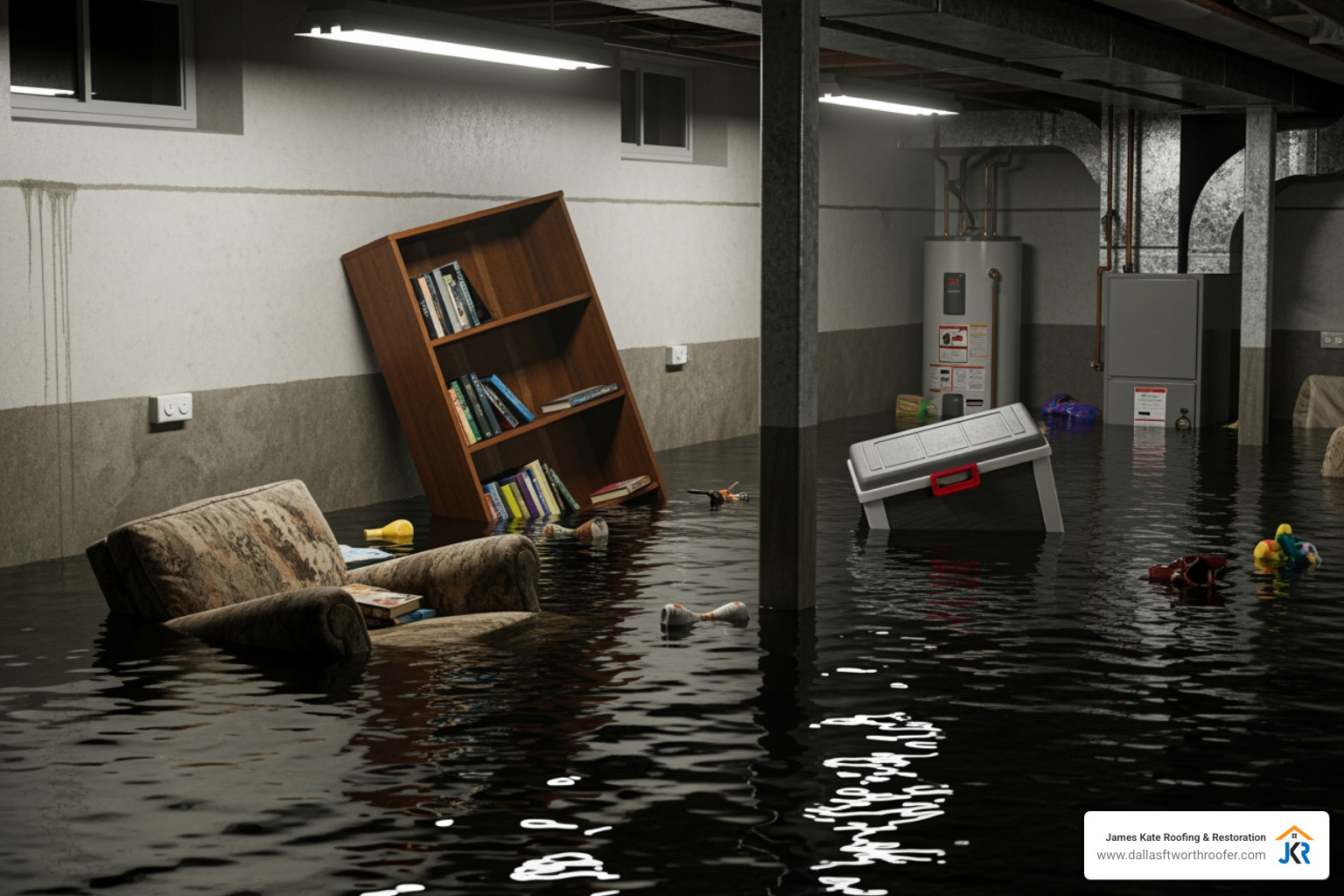
What is ‘Black Water’ and Why is it a Homeowner’s Worst Nightmare?
Category 3 water remediation is the professional process of removing, disinfecting, and restoring property damaged by grossly contaminated water—often called “black water”—that contains sewage, pathogens, and other hazardous substances.
Quick Facts About Category 3 Water:
- What it is: Grossly unsanitary water containing harmful bacteria, viruses, and pathogens
- Common sources: Sewage backups, toilet overflows with feces, floodwater from rivers/storms, or water that’s sat stagnant for 48+ hours
- Health risks: Serious illness including E. coli, Hepatitis A, respiratory infections, and skin diseases
- Property impact: One inch can cause $25,000+ in damage; mold starts growing in 24-48 hours
- DIY cleanup: Never attempt yourself—requires IICRC-certified professionals with specialized equipment and PPE
- Typical timeline: Professional remediation takes 3-7 days depending on severity
When water damage strikes your home, it’s easy to assume that water is just water. But not all water damage is created equal. Category 3 water—or “black water”—is the most dangerous type of water intrusion a property owner can face. This isn’t the clean water from a burst pipe or even the gray water from a washing machine overflow. Black water is grossly contaminated with sewage, bacteria, viruses, and other pathogens that pose immediate and severe health risks to anyone who comes in contact with it.
The statistics are sobering. Water damage is the second most common insurance claim in the U.S., costing homeowners over $20 billion annually. Category 3 water remediation situations can escalate rapidly—mold and microbial growth can begin in as little as 24 to 48 hours, turning what might seem like a manageable situation into a full-scale biohazard requiring professional intervention.
I’m Dustin Eatman, owner of James Kate Roofing & solar in the Dallas-Fort Worth area, and while I’m best known for roofing work, I’ve helped countless property owners steer the aftermath of severe storms and flooding that led to Category 3 water remediation needs, coordinating with solar teams to protect both the structure and the occupants. Understanding the full scope of water damage—from the roof down to the foundation—is critical when you’re dealing with contaminated water that threatens your family’s health and your home’s integrity.
Not All Water Damage is Equal: Categories 1, 2, and 3 Explained
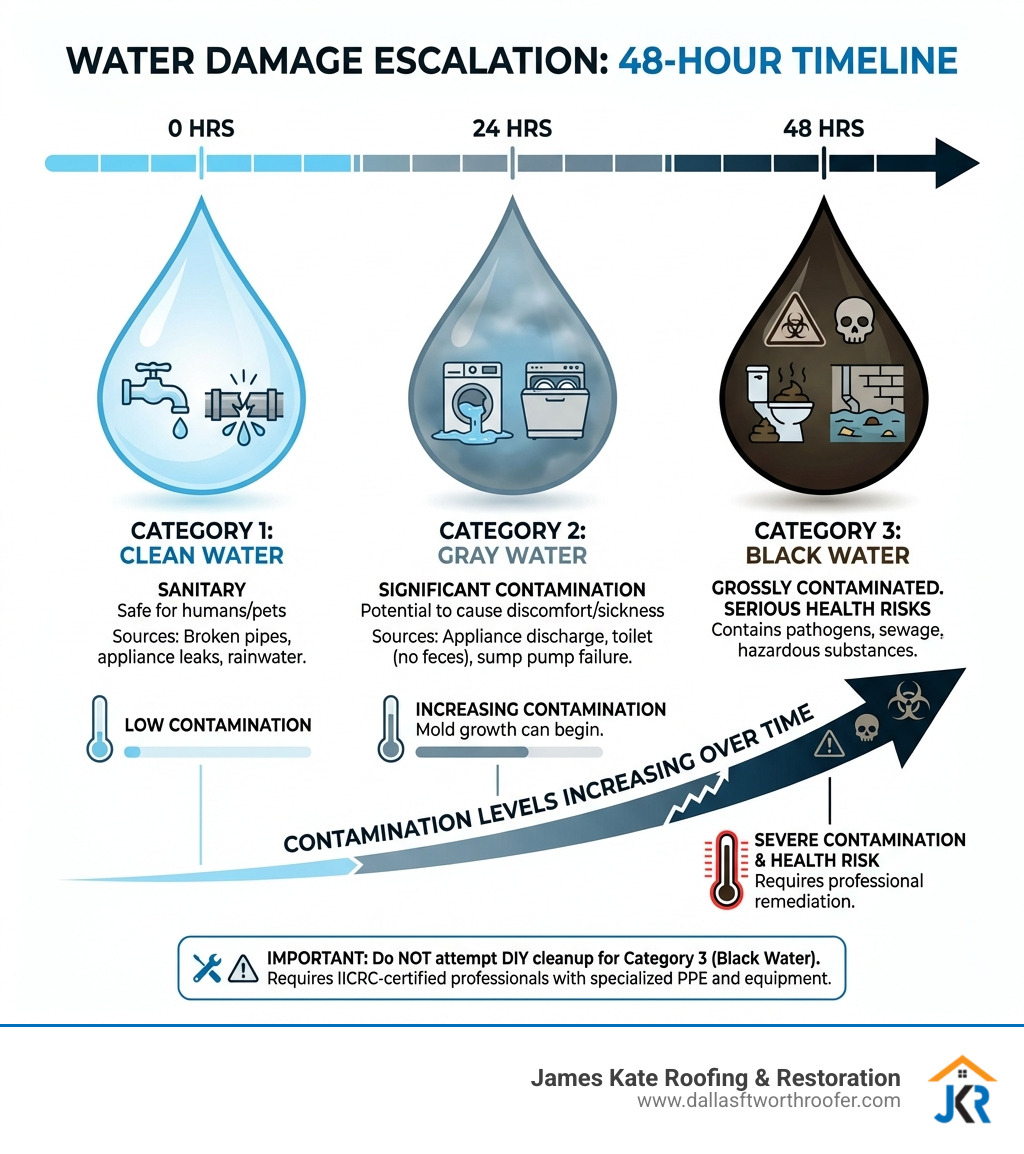
When we talk about water damage, it’s crucial to understand that not all water is created equal. The Institute of Inspection Cleaning and solar Certification (IICRC), the leading authority in our industry, has established clear standards for categorizing water damage based on its level of contamination. This categorization is vital because it dictates the safety precautions, remediation techniques, and materials that can be salvaged. Getting it wrong can have serious consequences for both your health and your property.
Let’s break down the three categories:
| Category | Source Examples | Contaminants | Health Risk | Basic Remediation Step |
|---|---|---|---|---|
| 1 | Broken water supply lines, overflowing sinks, appliance malfunctions (clean water) | None initially | Minimal | Drying, prevent escalation |
| 2 | Dishwasher/washing machine discharge, toilet overflows (urine only), sump pump failures | Significant chemical, biological, physical | Potential for discomfort/sickness | Cleaning, sanitizing, drying |
| 3 | Sewage backups, natural floodwater, toilet overflows (feces), long-standing Category 1 or 2 water | Grossly unsanitary (pathogens, toxins, sewage) | Severe illness or death | Professional remediation, removal of porous materials, disinfection |
Defining Category 1: Clean Water
Category 1, or “clean water,” is the least concerning but still requires a swift response. It originates from a sanitary source and, according to Northern Arizona University, is defined as “Water originating from a source that does not pose substantial harm to humans.”
Common sources we see in areas like Arlington or Grand Prairie include:
- Broken water supply lines
- Overflowing sinks or bathtubs (without contaminants)
- Malfunctioning appliance water lines (e.g., refrigerator)
- Melting snow or ice
- Rainwater from a clean source, like a ceiling leak.
While Category 1 water isn’t immediately dangerous, it’s a ticking clock. If left untreated for 24-48 hours, it can degrade into Category 2 or 3 as it contacts building materials and bacteria grows.
Defining Category 2: Gray Water
Category 2, or “gray water,” contains significant contamination. As defined by experts at Northern Arizona University, it’s “Water containing a significant degree of chemical, biological and/or physical contamination and having the potential to cause discomfort or sickness if consumed by or exposed to humans.” Exposure can cause illness, and it requires proper precautions.
Typical sources of gray water in our homes in Mansfield or Granbury might include:
- Discharge from dishwashers or washing machines
- Toilet overflows that contain urine but no feces
- Sump pump failures
- Water that has degraded from a Category 1 source.
If Category 2 water is not removed and the area sanitized within 48 hours, it will become Category 3 water as microbes multiply.
Defining Category 3: Black Water
Category 3, or “black water,” is the most dangerous. It’s a biohazard defined by Northern Arizona University researchers as “Grossly unsanitary water containing pathogenic agents, arising from sewage or other contaminated water sources and having the likelihood of causing discomfort or sickness if consumed or exposed to humans.” Exposure can cause severe illness or even death.
Sources of this highly dangerous water include:
- Sewage Backups: Raw sewage from clogged drains or overloaded municipal systems is highly toxic.
- Natural Flooding: Floodwaters from rivers or storms are always considered Category 3, as they carry soil, waste, and chemical runoff.
- Toilet Overflows with Feces: Any toilet overflow containing solid waste is immediately Category 3.
- Stagnant Water: Category 1 or 2 water left untreated for 48+ hours will degrade into Category 3.
The moment you identify Category 3 water, your priority must shift to safety and professional intervention. There is no safe way for a homeowner to remediate black water.
The Dangers of Category 3 Water: Health, Home, and Wallet
When black water invades your home, it’s not just a mess; it’s a threat on multiple fronts. The dangers extend far beyond what you can see, impacting your family’s health, your home’s structure, and your financial well-being.
Severe Health Risks and Contaminants
The most immediate and terrifying danger of Category 3 water is its potential to cause severe illness. This water is teeming with contaminants that are invisible but incredibly potent.
- Pathogens and Microbes: Black water is a cocktail of bacteria, viruses, and other pathogenic agents. These can include harmful bacteria, such as E. coli, and viruses including Hepatitis A, Norovirus, and Rotavirus, as well as other dangerous microorganisms. Exposure can lead to severe gastrointestinal infections, respiratory problems, skin rashes, eye irritation, and a host of other serious health issues.
- Toxins and Chemicals: Depending on the source, Category 3 water can also carry chemical contaminants, pesticides, heavy metals, and other hazardous substances, adding another layer of risk.
- Long-term Consequences: Improperly remediated Category 3 water can lead to chronic health problems, especially from prolonged exposure to mold spores that thrive in damp, contaminated environments. Vulnerable individuals, such as young children, the elderly, or those with compromised immune systems, are particularly at risk.
Touching, inhaling, or ingesting even a small amount of black water can have dire consequences. This is why we always stress that homeowners should never attempt to clean up Category 3 water themselves.
Devastating Structural and Property Damage
Beyond the health risks, Category 3 water can wreak havoc on your home’s physical structure, leading to costly and extensive repairs.
- Porous Material Destruction: Materials like drywall, carpeting, insulation, upholstery, and even some types of wood act like sponges, absorbing contaminated water. Once these materials are saturated with black water, they are usually unsalvageable and must be removed and replaced. This is because the contaminants penetrate deep into their fibers, making thorough disinfection impossible.
- Wood Rot and Warping: Hardwood floors, wooden beams, and subflooring can warp, swell, and begin to rot rapidly when exposed to contaminated water. This compromises structural integrity and often requires complete replacement.
- Foundation Issues: Prolonged exposure to water can weaken your home’s foundation, leading to cracks, shifting, and even structural collapse if left unaddressed.
- Electrical Hazards: Water and electricity are a dangerous mix. Contaminated water can short-circuit electrical systems, damage appliances, and create electrocution risks. All electrical systems in affected areas must be inspected and often replaced by qualified professionals.
- High Costs: The financial toll can be staggering. As the statistics show, only one inch of floodwater can cause over $25,000 in property damage. With Category 3 water, where extensive demolition and specialized decontamination are required, these costs can quickly escalate. Even a few inches of floodwater can lead to hundreds of thousands of dollars in damage, especially in multi-story homes or those with finished basements.
The Rapid Onset of Mold Growth
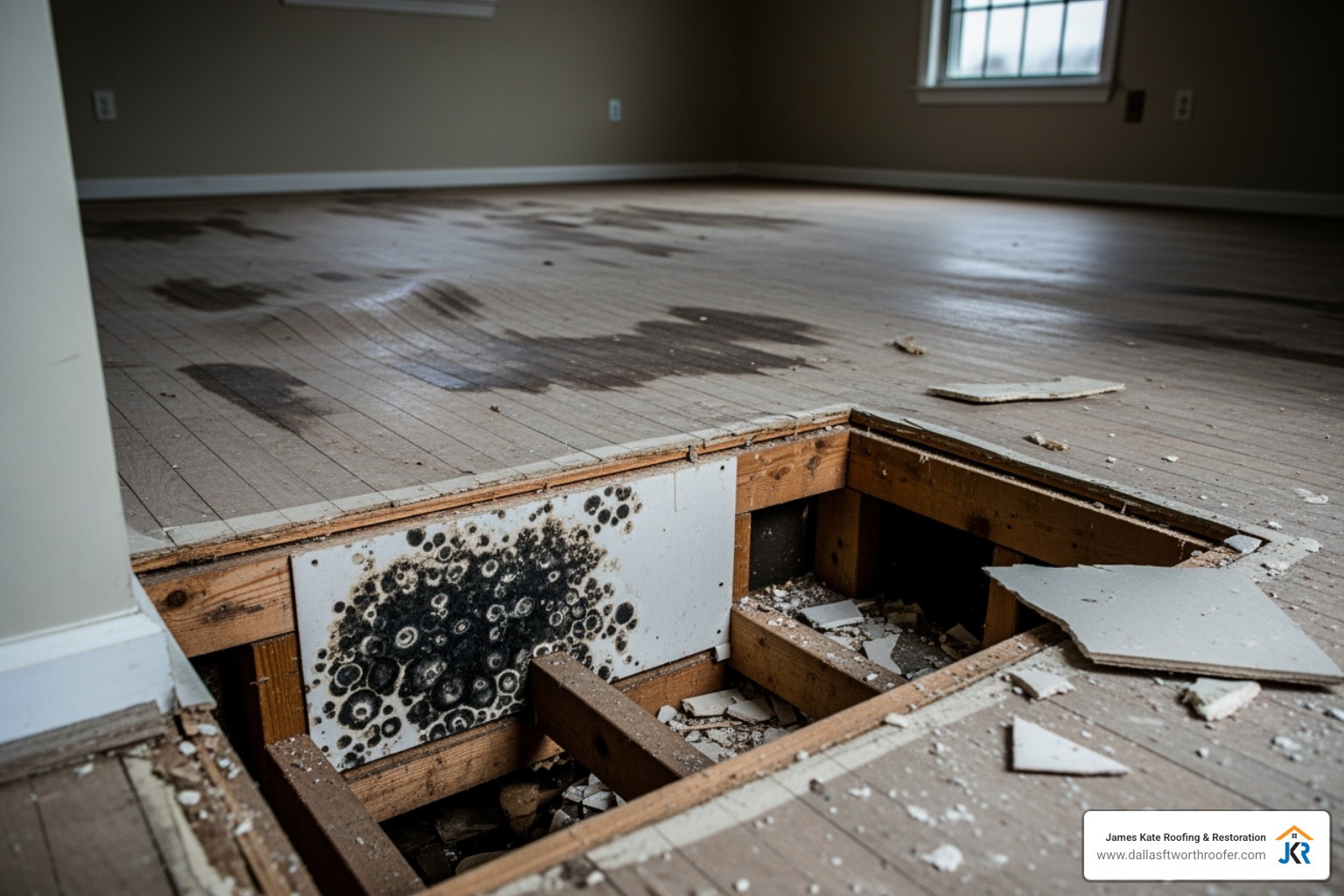
One of the most insidious consequences of any water damage, especially Category 3, is the rapid onset of mold growth. Mold spores are ubiquitous; they are always in the air around us. All they need to thrive is moisture, a food source (like wood, drywall, or fabric), and a suitable temperature—conditions perfectly created by a black water intrusion.
- 24-48 Hour Window: Mold and other microbial growth can get going in just 24 to 48 hours in damp environments. This extremely short timeline underscores the urgency of professional remediation. What might seem like a “wait until tomorrow” situation could already be costing you thousands in extra damage and health risks.
- Spore Circulation: Once mold starts to grow, it releases microscopic spores into the air, which can circulate throughout your home, even to unaffected areas, leading to respiratory issues and allergic reactions.
- HVAC Contamination: If your HVAC system is operating during a black water event, it can draw contaminated air and mold spores into its ducts, spreading the problem throughout your entire home. This requires professional cleaning and disinfection of the entire system.
- Hidden Mold: Mold often grows in hidden spaces—behind walls, under flooring, or in ceiling cavities—making it difficult to detect without specialized equipment. Our mold mitigation services are designed to address these hidden threats. For more information, please visit our page on More info about our mold mitigation services.
The Professional Category 3 Water Remediation Process
Dealing with Category 3 water damage is not a DIY project. It requires a meticulous, multi-step process performed by IICRC-certified professionals who have the training, equipment, and expertise to safely and effectively restore your property. At James Kate Roofing & solar, we follow strict protocols to ensure your home in Denton, Irving, or any of our service areas is returned to its pre-loss condition, safely and efficiently.
Step 1: Immediate Safety, Inspection, and Assessment
Our first priority, always, is safety. When we arrive on-site, our team will:
- Ensure Evacuation: Confirm that all occupants and pets have safely evacuated the affected area.
- Shut Off Utilities: Advise on or safely shut off electricity and gas to the affected zones to prevent electrocution, fire hazards, or further contamination. Never enter a flooded area to do this yourself.
- Establish Safety Perimeter: We’ll secure the area to prevent accidental entry and further spread of contaminants.
- Conduct Thorough Inspection: Our IICRC-certified technicians will perform a comprehensive assessment to determine the source of the water, the extent of contamination, the types of materials affected, and the overall scope of the damage. This involves using advanced moisture detection equipment to identify both visible and hidden water.
- Document Damage: We carefully document all damage with photographs and videos for insurance purposes. This crucial step helps streamline your claim process. We also note the time of occurrence and any emergency actions taken. If you need emergency help after a storm, don’t hesitate to contact us at Need emergency help after a storm?.
Step 2: The Critical Steps for Category 3 Water Remediation and Disinfection
This is where the heavy lifting and specialized expertise for Category 3 water remediation truly come into play.
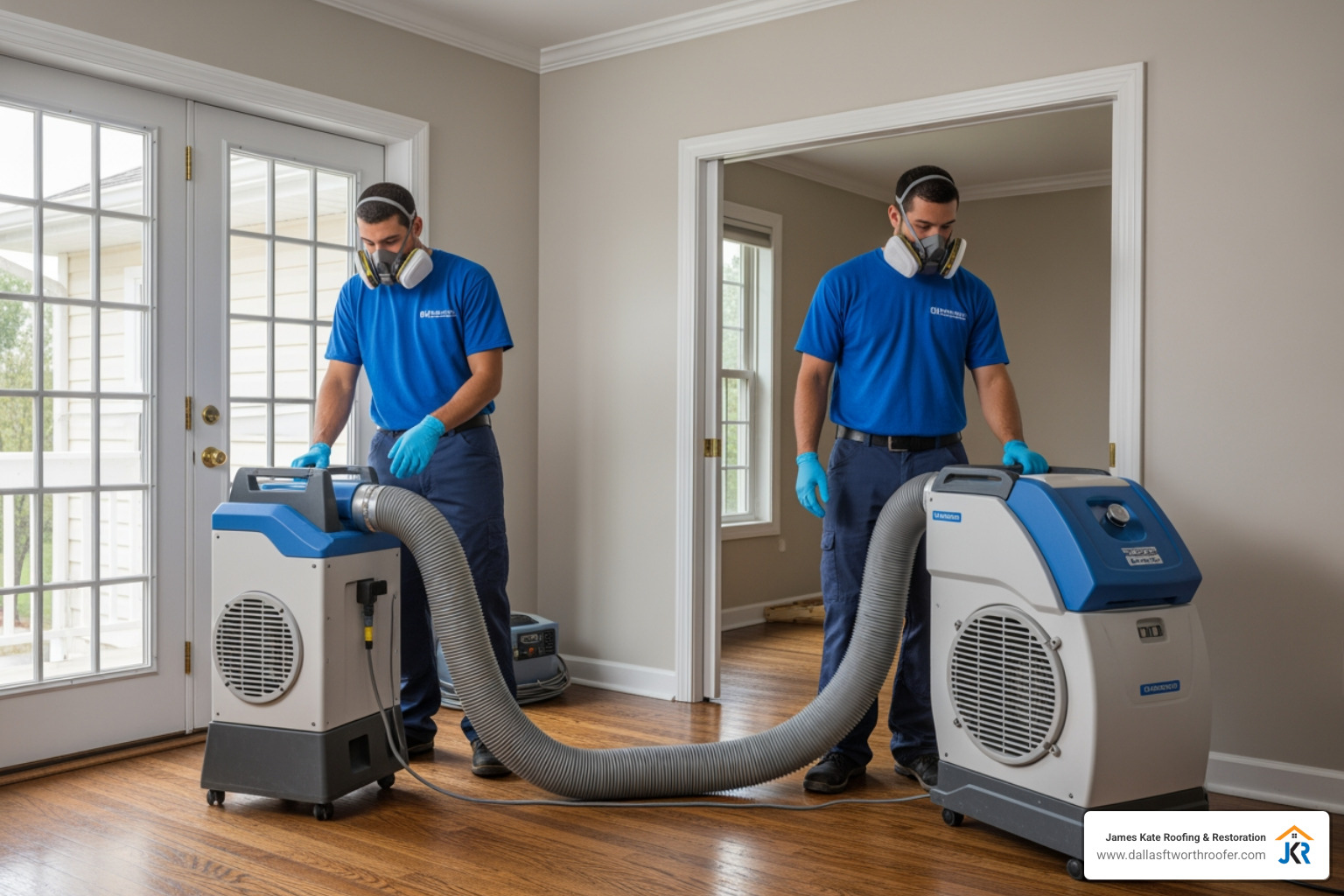
- Containment Barriers: To prevent the spread of airborne contaminants and pathogens to unaffected areas of your home, we establish engineering controls, including containment barriers with plastic sheeting.
- Negative Air Pressure: Within the contained area, we often create negative air pressure using specialized air scrubbers equipped with HEPA filters. This ensures that air flows inward, trapping contaminants within the workspace and preventing them from escaping.
- Water Extraction: Using industrial-grade pumps and powerful wet vacuums, we efficiently remove all standing black water. This step is critical to minimize saturation and speed up the drying process.
- Removal of Non-Salvageable Materials: Unfortunately, due to the severe contamination, many porous materials saturated with Category 3 water cannot be salvaged. This includes items like carpeting, carpet padding, upholstery, mattresses, insulation, and often drywall. Our team will carefully remove and safely dispose of these materials according to EPA and OSHA guidelines.
- Thorough Cleaning and Disinfection: All remaining structural surfaces and salvageable items are thoroughly cleaned with specialized cleaning agents. We then apply EPA-registered disinfectants and antimicrobial treatments to eliminate bacteria, viruses, and mold spores. This isn’t just about making things look clean; it’s about making them sanitary.
- Air Scrubbers and Deodorization: HEPA air scrubbers continue to run to remove airborne particulates and odors. Specialized deodorization techniques are also employed to eliminate the pervasive and unpleasant smells associated with black water.
Step 3: Drying, Dehumidifying, and Verifying
Once the contaminants are removed and the area is disinfected, the focus shifts to thorough drying and moisture control.
- Industrial Air Movers: High-velocity air movers are strategically placed to create airflow across all wet surfaces, accelerating evaporation.
- Dehumidifiers: Commercial-grade dehumidifiers are used to remove moisture from the air, preventing secondary damage like warping and further mold growth. This creates a dry environment necessary for complete solar.
- Moisture Meters and Thermal Imaging: We continuously monitor moisture levels in affected materials using sensitive moisture meters and thermal imaging cameras. This allows us to track drying progress and ensure that hidden pockets of moisture are not overlooked.
- Verifying Dryness to IICRC Standards: Our goal is to return all building materials to their pre-loss moisture content, or “dry standard,” according to IICRC S500 guidelines. This is carefully verified to prevent future mold growth and ensure the structural integrity of your home. For example, drywall wet for over 48 hours or not dried within 72 hours should be replaced, and hardwood floors need to be within 2.5% of their normal moisture content.
- Post-Remediation Testing: In some cases, post-remediation testing (e.g., air quality testing or surface sampling) may be recommended to confirm that the environment is safe and free of contaminants.
Prevention and Insurance: Protecting Your Property
While professional Category 3 water remediation is essential after a disaster, preventing such an event is always the best approach. Furthermore, understanding your insurance coverage before disaster strikes can save you immense stress and financial burden.
Proactive Steps to Prevent Category 3 Water Damage
Many sources of black water, especially sewage backups and prolonged leaks, can be mitigated with regular home maintenance.
- Backwater Valve Installation: Installing backwater valves in your drains can prevent sewage from backing up into your home during heavy rainfall or municipal sewer overloads.
- Sump Pump Maintenance: If you have a basement or crawl space in your Granbury or Midlothian home, a sump pump is your first line of defense. Ensure it’s maintained annually and consider a battery backup for power outages.
- Regular Plumbing Inspections: Annual plumbing inspections can identify issues like corroding pipes or slow leaks before they escalate into a Category 3 disaster.
- Gutter and Downspout Cleaning: Properly functioning gutters divert rainwater away from your home’s foundation, preventing pooling and potential flooding.
- Seal Basement and Entry Points: Seal cracks in your foundation and ensure proper grading around your home to direct water away.
- Smart Leak Detectors: Consider installing smart leak detectors near appliances and plumbing fixtures to get early alerts.
- Roof Maintenance: A well-maintained roof prevents leaks that can lead to stagnant water and Category 3 contamination. Learn more about preventative roof maintenance on our site: Learn about preventative roof maintenance
Navigating Insurance Claims for Contaminated Water
Understanding how insurance handles Category 3 water remediation is critical, as many homeowners mistakenly assume their standard policy covers all water damage.
- Standard Policy Limitations: Most standard homeowner’s insurance policies cover sudden and accidental water damage (like a burst pipe) but typically exclude damage from floods or sewer backups.
- Flood Insurance (NFIP): For damage from natural flooding (e.g., rising rivers), you need a separate flood insurance policy, often through the National Flood Insurance Program (NFIP). Since over 25% of flood claims come from homes outside high-risk areas, this policy is worth considering for any homeowner.
- Sewer Backup Riders: To cover damage from sewage backups, you usually need to add a specific “sewer backup” rider or endorsement to your homeowner’s policy. Without it, you could be paying for the cleanup out-of-pocket.
- Documentation Importance: Regardless of your coverage, thorough documentation is paramount. Take photos and videos of the damage, keep detailed notes, and save all receipts. This will significantly aid your claim. As you steer water damage, it is important to understand the three categories of water damage that insurance companies consider and how they relate to your policy. We can help you understand what information your insurance company will need.
Frequently Asked Questions about Category 3 Water Remediation
We often hear similar questions from concerned homeowners facing the daunting prospect of black water damage. Here are some of the most common ones:
Can I clean up Category 3 water myself?
Absolutely not. We cannot stress this enough: you should never attempt to clean up Category 3 water yourself. Due to the severe health risks posed by pathogens, bacteria, and viruses, only IICRC-certified professionals with specialized training, protective gear (PPE), and industrial-grade equipment should handle Category 3 water remediation. Attempting a DIY cleanup can lead to serious illness for you and your family, and often results in improper remediation, leaving behind dangerous contaminants and leading to further damage and mold growth.
How long does the remediation process take?
The duration of the Category 3 water remediation process can vary depending on the severity of the damage, the size of the affected area, and the types of materials involved. Generally, most professional cleanups take between 3 to 7 days. This timeline includes water extraction, removal of unsalvageable materials, thorough cleaning and disinfection, and the complete drying of the affected structure. Complex cases with extensive structural damage or hard-to-reach areas might take longer.
Is the smell from black water dangerous?
Yes, a foul odor emanating from black water or water-damaged areas is a strong indicator of contamination and potential danger. The smell is often caused by bacteria, mold, and decaying organic matter releasing volatile organic compounds (VOCs). Inhaling these airborne contaminants can lead to respiratory problems, allergic reactions, and other health issues. While a bad smell is a clear warning sign, some dangerous contaminants are odorless. Therefore, never rely solely on your sense of smell to gauge the safety of a water-damaged environment. Always assume Category 3 water is dangerous, regardless of its appearance or odor.
Restoring Your Home and Peace of Mind After Black Water Damage
Experiencing Category 3 water damage is undoubtedly one of the most stressful events a homeowner can face. The thought of your home being contaminated and the potential health risks can be overwhelming. But remember, you don’t have to face it alone.
At James Kate Roofing & solar, we are more than just roofers; we are a family-owned DFW company dedicated to restoring your home and your peace of mind. We specialize in water mitigation, fire mitigation, mold mitigation, and comprehensive build-back construction after the mitigation process is complete. Our commitment to honesty, integrity, and Biblical principles guides every step of our work, ensuring that we not only meet but exceed your expectations. Our GAF President’s Club recognition and up to a 25-year workmanship warranty are testaments to our quality and dedication.
When black water strikes, our IICRC-certified solar teams are ready to respond quickly and efficiently, providing expert Category 3 water remediation services. We’ll handle the entire process, from initial assessment and safe removal of contaminants to thorough drying, disinfection, and reconstruction, bringing your home back to its pre-loss condition.
Don’t let black water blues get the best of you. If your home has suffered from Category 3 water damage in Arlington, Mansfield, Granbury, Grand Prairie, Midlothian, or any of our service areas, reach out to us. We’re here to help you steer this challenging time with expertise and compassion.
Contact us for a complete solar estimate and to bring your home back to life