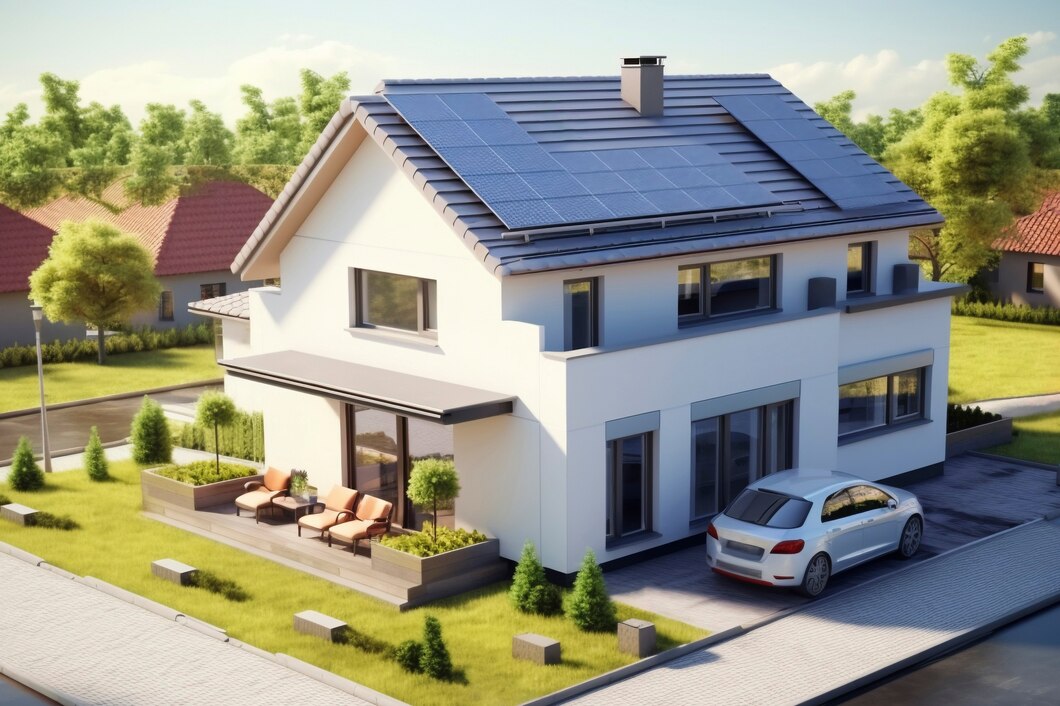
Harnessing Solar energy is a wonderful way to power your home efficiently and sustainably. However, getting the most out of your Solar panels requires more than just installing them. Optimizing their efficiency ensures that you’re tapping into as much Solar power as possible, which translates into saving on utility bills and reducing your carbon footprint.
Proper placement and regular upkeep play key roles in optimizing Solar panel performance. Ensuring the panels receive maximum sunlight without obstruction is crucial for generating power effectively. Additionally, regular cleaning and inspection help maintain their performance, preventing any loss of efficiency due to dirt or damage.
Technology advancements also offer exciting opportunities to boost Solar panel efficiency further. Using tools like Solar tracking systems and advanced inverters can enhance energy capture and use. By paying attention to these elements, homeowners can optimize their Solar panel systems and enjoy the best possible energy output.
Importance of SolarPanel Placement
Solarpanel placement is a major factor that can affect how much energy they produce. To get the best results, panels should be positioned in a way that lets them capture as much sunlight as possible throughout the day.
One key aspect of placement is the roof’s angle and orientation. Ideally, panels should be mounted at an angle that matches your geographic latitude, facing true south. This position typically maximizes sunlight exposure. However, even if the roof doesn’t perfectly align with these parameters, there are strategies to optimize the setup. Adjustments in panel tilt or alternative mounting solutions can help achieve better results.
Avoiding shade is another crucial consideration. Trees, chimneys, and nearby buildings can cast shadows over Solar panels, significantly reducing their efficiency. It’s important to regularly assess the surroundings to ensure nothing blocks the sunlight. Trimming tree branches and addressing any obstructions will help maintain optimal Solar collection.
By paying attention to these elements, homeowners can make sure their Solar panels are perfectly placed to harness the maximum Solar energy available. Proper placement not only boosts energy output but also enhances the return on investment by ensuring the system operates at peak efficiency.
Regular Maintenance for Maximum Performance
Solar panels require regular maintenance to keep them in top working condition. Following a maintenance routine can help prevent potential problems that might reduce panel efficiency.
One of the most important maintenance tasks is cleaning. Dust, dirt, and other debris can build up on the panels and block sunlight. Regular cleaning is essential to ensure optimal performance. It’s best to use water and a soft brush or cloth for cleaning. Avoid using harsh chemicals or abrasive materials that could damage the panels.
Inspecting the panels for any physical damage or wear is another important step. Cracks, chips, or other signs of wear can affect their ability to generate power. Regular checks will allow you to spot and address any issues early on, preventing long-term reductions in efficiency.
Additionally, make sure to keep an eye on the panel mounting and electrical connections. Loose mounts or faulty wiring can lead to operational inefficiencies. Ensuring all components are securely fastened and connected will promote reliable performance.
By conducting routine maintenance, homeowners can ensure their Solar panels remain in excellent condition, delivering consistent and efficient energy production.
Utilizing Advanced Technology
Advanced technology plays a significant role in enhancing Solar panel efficiency. Implementing new tools and systems can help maximize energy production and make Solar power more effective.
One such technology is Solar tracking systems. These systems allow panels to follow the sun’s path across the sky, maintaining optimal exposure to sunlight throughout the day. Unlike fixed panels, Solar trackers can adjust positions to capture maximum Solar energy, improving overall efficiency.
They come in different types, including single-axis and dual-axis trackers, depending on how much movement they provide. Inverters and efficiency software also contribute to improved Solar performance. Inverters convert the direct current (DC) produced by Solar panels into the alternating current (AC) used by home appliances.
High-quality inverters can significantly boost energy conversion efficiency. Pairing inverters with smart efficiency software can also track performance data and analyze energy consumption patterns. This allows homeowners to optimize usage by identifying the best times for energy-intensive activities.
By embracing these advanced technologies, homeowners can ensure their Solar systems operate at peak levels. This approach not only enhances energy capture but also optimizes usage, resulting in reduced utility costs and a more sustainable lifestyle.
Weather Considerations and Adaptations
Weather can greatly impact the performance of Solar panels, making it important to adapt and prepare for different conditions to maintain efficiency.
Managing temperature fluctuations is essential, as extreme heat can lead to reduced panel efficiency. Solar panels function best in moderate temperatures. Using cooling systems or protective coatings can help alleviate the impact of high temperatures, ensuring panels stay cool and perform optimally.
Preparing for extreme weather conditions like storms or heavy snowfall is also crucial. Secure mounting systems can prevent panels from shifting during high winds. In snowy regions, installing panels at a steeper angle can help snow slide off more easily. Regular checks and maintenance will keep them ready to handle tough weather.
Closing Thoughts
Optimizing Solar panel efficiency involves a combination of strategic placement, regular maintenance, the use of advanced technology, and adapting to weather conditions.
By implementing these practices, homeowners can significantly improve their Solar energy output and enjoy the benefits of clean, renewable energy. These efforts not only enhance energy savings but also contribute positively to the environment by reducing reliance on fossil fuels.
If you’re looking to optimize your Solar panel system or considering a new installation, James Kate Roofing & Sola is here to help. As a dedicated Solar company serving the Dallas–Fort Worth area, we offer expert advice and personalized solutions tailored to meet your energy needs.
Contact us today to learn how we can optimize your Solar power setup for maximum efficiency and cost savings.