Understanding 3-Tab Shingle Lifespan: What DFW Homeowners Need to Know
How long do 3-tab shingles last? Here’s the straightforward answer for homeowners researching their roof replacement timeline:
Expected Lifespan:
- 15-20 years in most real-world conditions
- 12-15 years in hot, sunny climates like DFW
- Up to 25 years with excellent maintenance and ideal conditions
Key Factors:
- Climate and weather exposure (heat, UV, storms)
- Installation quality and workmanship
- Regular maintenance and inspections
- Material quality and manufacturer
We recently bought a house and its roof is 15 years old. While the home inspector didn’t find any specific problems with the roof, I’m concerned that it may be close to the end of its life expectancy. I don’t want to invest in a new roof before it’s necessary, but I don’t want to put it off too long and deal with leaks.
This concern is one we hear constantly from DFW homeowners. The truth is, while manufacturers might stamp “25-year warranty” on their packaging, how long do 3-tab shingles last in the Texas heat is a very different story than what you’ll find in promotional materials.
Your roof is one of your home’s first lines of defense against Mother Nature. Understanding their life expectancy is crucial for effective home maintenance and budgeting. Materials and workmanship, as well as weather conditions, determine roof lifespan—and in our DFW climate, those conditions can be harsh.
The gap between marketing promises and reality matters. Even though 3-tab shingles have a manufacturer-stated lifespan of 25 years, a 3-tab asphalt roof should last around 15 to a maximum of 20 years in practical terms. Sometimes referred to as “strip shingles,” these single-layer asphalt products are lightweight, affordable, and still widely available—but they’re also more vulnerable to our region’s intense sun, hail storms, and temperature swings.
I’m Dustin Eatman, owner of James Kate Roofing & Solar, and I’ve spent years helping DFW homeowners steer the real-world performance of roofing materials, including answering the critical question of how long do 3-tab shingles last and when replacement makes financial sense. Through hundreds of inspections and replacements across the metroplex, I’ve seen how our local climate accelerates wear and why proactive planning beats emergency repairs every time.
What Are 3-Tab Shingles? An Introduction to the Classic Choice
When we talk about asphalt shingles, 3-tab shingles are often the first image that comes to mind for many homeowners. They are the classic, foundational choice in residential roofing, named for the distinctive cutouts or tabs that create the appearance of three individual shingles from a single strip. This design gives them a uniform, flat look across the roof plane, a hallmark of many homes throughout the DFW area and beyond.
At their core, 3-tab shingles are constructed from a fiberglass mat base, which provides strength and stability. This mat is then coated with asphalt, making the shingle waterproof, and finally, covered with ceramic granules. These granules serve several critical functions: they protect the asphalt from damaging ultraviolet (UV) rays, add color to the roof, and provide fire resistance. Approximately 80% of homes in the United States feature asphalt shingle roofing, and for many years, 3-tab shingles were the most common type.
One of their enduring appeals is their affordability and ease of installation, making them a budget-friendly option for many new constructions and roof replacements. While newer, more advanced roofing materials have emerged over the decades since their introduction in 1935, 3-tab shingles continue to be manufactured and readily available from major roofing material suppliers.
Understanding the basic construction and characteristics of 3-tab shingles is key to grasping their performance and lifespan. They are lightweight, which can be an advantage during installation, but this also contributes to some of their vulnerabilities compared to their thicker counterparts. For more in-depth information about the various components and benefits of asphalt-based roofing, you can explore our resources on asphalt composite shingles.
How Long Do 3-Tab Shingles Last in the Real World?
The central question for many homeowners is precisely how long do 3-tab shingles last. While a manufacturer might offer a 20- to 25-year warranty, our experience in the DFW metroplex shows that the realistic lifespan often falls short of these figures. On average, you can expect 3-tab shingles to last between 15 and 20 years. In our hot, sunny climate, this can even be closer to 12-15 years without diligent maintenance. This discrepancy isn’t necessarily due to faulty products but rather the intense environmental factors that accelerate wear and tear.
According to InterNACHI’s Standard Estimated Life Expectancy Chart for Homes, three-tab asphalt shingles have an estimated life expectancy of 20 years. However, various factors can significantly influence this number, either extending it slightly or, more commonly in our region, shortening it. While some premium basic asphalt shingles might last up to 30 years under ideal conditions, these are often thicker and more durable than the standard 3-tab. Manufacturer warranties primarily cover manufacturing defects, which are rare. A roof’s appearance often deteriorates, showing signs of fading and brittleness, long before a defect that would be covered by warranty becomes apparent.
Climate and Weather Exposure
Our DFW climate plays a starring role in determining how long do 3-tab shingles last. We experience a unique combination of extreme heat, intense UV radiation, sudden severe storms, and significant temperature fluctuations, all of which take a toll on roofing materials.
- UV Degradation: The relentless Texas sun bombards roofs with ultraviolet (UV) rays. These rays degrade the asphalt in the shingles, causing it to dry out and become brittle. This leads to the gradual loss of ceramic granules, which are the shingle’s primary defense against UV radiation. When these granules erode, the asphalt is directly exposed, accelerating deterioration and shortening the shingle’s life. Darker roofing materials absorb more heat, which can further intensify this process and make attic ventilation even more critical.
- Hail Impact: DFW is no stranger to hailstorms. Even seemingly small hailstones can cause significant damage to 3-tab shingles. Hail impact can dislodge granules, create dimples, and even cause microscopic splits beneath the shingle’s surface, which can eventually lead to water infiltration. While 3-tab shingles are not designed for high impact resistance, the frequency of hailstorms in our area means they are regularly put to the test.
- High Winds: Our region is also prone to strong straight-line winds, which, according to the National Severe Storms Laboratory, can reach speeds over 100 miles per hour. Three-tab shingles are typically rated for wind resistance between 60 and 70 MPH. Winds exceeding these speeds can lift, tear, or even blow off shingles, leaving sections of your roof exposed to the elements. Wind-driven debris can also crack or pull up shingles and knock granules loose.
- Thermal Cycling: The drastic temperature swings we experience in DFW, where temperatures can fluctuate significantly from day to night, create what’s known as thermal shock. This constant expansion and contraction stress the shingles, leading to cracks and fractures over time. While extreme freeze-thaw cycles (where water freezes, thaws, and refreezes) are more common in colder climates, our winter temperature drops can still contribute to this stress, especially if any moisture has seeped into existing cracks.
Installation Quality and Roof System
Beyond the relentless weather, the quality of your roof’s installation and the integrity of its underlying system are paramount to how long do 3-tab shingles last. Even the highest quality shingles will fail prematurely if not installed correctly.
- Professional Installation: The expertise of your roofing contractor is arguably the most critical factor. Improper nailing—nails driven too deep, too shallow, or in the wrong location—can lead to shingles detaching or cracking. A reputable roofing company ensures that shingles are laid correctly, sealants are applied properly, and all components work together as a cohesive system. If you hire a roofing contractor without experience, there’s a good chance your roof will fail prematurely and require costly repairs.
- Underlayment Quality: Beneath the shingles, a quality underlayment provides an additional layer of waterproofing. This barrier protects your roof deck from moisture buildup, mold, and rot, even if the exterior shingles are damaged. A robust underlayment system is crucial for the overall longevity of your roof.
- Adequate Attic Ventilation: This is a frequently overlooked but vital component of a healthy roof system. Poor attic ventilation allows heat and moisture to build up in the attic, especially during our scorching DFW summers. This excessive heat can cause the underside of shingles to degrade, accelerating the breakdown of adhesives and leading to warping, cracking, and curling. Proper ridge and soffit ventilation allows air to flow freely, removing heat and moisture, which is essential for extending the life of your shingles and preventing issues like mold growth in the attic. We offer comprehensive services for roof maintenance that include checking and improving ventilation.
- Roof Slope: The pitch or slope of your roof also impacts its lifespan. Steeper slopes allow water and debris to drain more efficiently, reducing the time moisture sits on the shingles and preventing debris buildup. Flatter roofs, while still common, may require more diligent maintenance to clear debris and ensure proper drainage.
Material Quality
While 3-tab shingles are generally considered a budget-friendly option, there can still be variations in quality that affect how long do 3-tab shingles last.
- Differences Between Manufacturers: Not all 3-tab shingles are created equal. The quality of the asphalt used, the density of the fiberglass mat, and the type and amount of ceramic granules can vary between manufacturers. Heavier shingles, which contain more asphalt and a tougher fiberglass mat, tend to offer better long-term performance and may even come with slightly longer warranties.
- Asphalt Grade: The asphalt in the shingles is what provides flexibility and waterproofing. Higher-grade asphalt is more resistant to UV degradation and thermal cycling, which is particularly important in the DFW climate.
- Granule Adhesion: The ceramic granules are critical for protecting the asphalt. Strong granule adhesion means fewer granules will detach over time due to weather exposure, maintaining the shingle’s protective layer for longer.
- Shingle Thickness: While 3-tab shingles are generally thinner than architectural shingles, some brands may offer slightly thicker versions within the 3-tab category. A thicker shingle often translates to greater durability and a longer lifespan, as it has more material to withstand the elements.
Reading the Signs: When to Replace Your 3-Tab Shingle Roof
Knowing how long do 3-tab shingles last is one thing, but recognizing the signs that your specific roof is nearing the end of its functional life is another. Proactive roof replacement is always preferable to waiting for leaks to develop, which can lead to more extensive and costly damage to your home’s interior and structure. While homeowners can often spot obvious issues from the ground, we always recommend a professional inspection for a thorough assessment and to ensure safety.
Visual Signs of Wear and Tear
Your roof communicates its condition through several visible cues. Keep an eye out for these common signs that your 3-tab shingle roof needs attention:
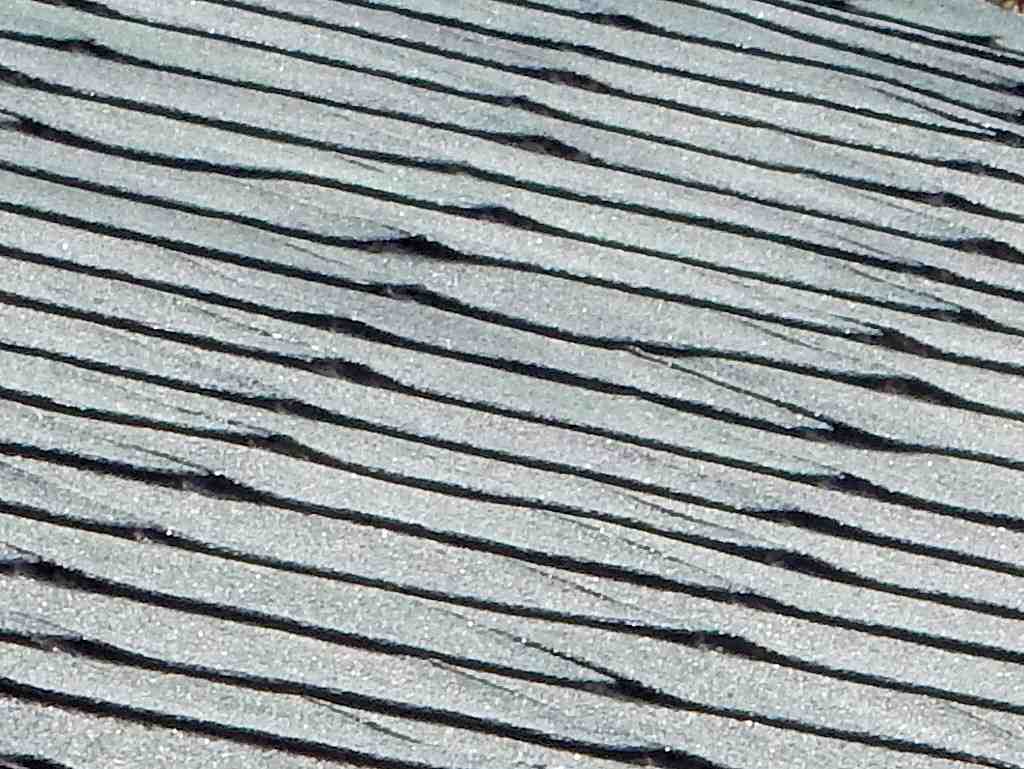
- Curling or Clawing Shingles: This is a classic indicator of aging. Curling refers to the edges of the shingles turning upward, while clawing is when the shingle edges remain flat but the middle begins to rise, giving a “claw” appearance. Both indicate that the shingles are drying out, losing their protective oils, and losing their ability to seal properly.
- Cracking and Brittleness: As shingles age and are exposed to UV radiation and thermal cycling, they lose their flexibility and become brittle. You might see visible cracks, especially on the tabs, or notice that shingles easily crack or break when touched.
- Bald Spots and Granule Loss: Over time, the ceramic granules that protect the asphalt will shed. You might notice these granules accumulating in your gutters or around your downspouts. “Bald spots” on the shingles, where the black asphalt is exposed, indicate significant granule loss and vulnerability to UV damage.
- Dark Streaks from Algae: While primarily an aesthetic issue, dark streaks or stains on your roof are often caused by algae growth. While algae itself doesn’t immediately compromise the shingle’s integrity, it can retain moisture and indicate a less-than-optimal drying environment for your roof.
- Missing or Damaged Tabs: High winds can easily lift and tear off the individual tabs of 3-tab shingles, especially as the adhesive seal weakens with age. Missing tabs leave the underlying roofing materials exposed to water and further damage. You might also see tabs that are bent, creased, or otherwise damaged.
When a Repair Isn’t Enough
While minor damage can often be addressed with targeted repairs, there comes a point when a full roof replacement becomes the more sensible and cost-effective solution.
- Widespread Damage: If you’re seeing multiple signs of wear and tear across large sections of your roof, such as extensive granule loss, widespread curling, or numerous missing tabs, isolated repairs may no longer be sufficient. Patching one area only for another to fail soon after is a sign that the entire roof system is compromised.
- Roof Age Approaching 20+ Years: If your 3-tab shingle roof is already 15-20 years old, or even older, it’s likely nearing the end of its realistic lifespan, especially in DFW. Even if it appears to be in decent shape, the underlying materials may be brittle and less effective at protecting your home. Proactive replacement at this stage can prevent unexpected leaks and structural damage.
- Multiple Leaks: One leak can often be repaired. However, if you’re experiencing multiple leaks in different areas of your home, it’s a strong indication that the entire roofing system has failed. This points to widespread material degradation rather than isolated damage.
- Structural Sagging: Any visible sagging in your roof deck is a serious issue that goes beyond shingle damage. This can indicate water damage to the underlying plywood or even structural problems with your home’s framing. This requires immediate professional assessment and likely a full replacement.
Making the decision to replace your roof is a significant investment. When it’s clear that repairs are merely a temporary band-aid on a systemic problem, a full replacement offers long-term peace of mind and protection. For more details on the process and benefits, refer to our guide on roof replacement and installation.
3-Tab vs. Architectural Shingles: A Head-to-Head Comparison
When considering a new asphalt roof for your DFW home, the choice often comes down to 3-tab shingles or their more modern counterpart, architectural shingles. Understanding their key differences in terms of how long do 3-tab shingles last compared to architectural, as well as their durability, aesthetics, and cost, is crucial for making an informed decision.
| Feature | 3-Tab Shingles (Strip Shingles) | Architectural Shingles (Dimensional/Laminated) |
|---|---|---|
| Lifespan (Realistic) | 15-20 years (12-15 years in DFW) | 22-25 years (20-28 years in DFW) |
| Lifespan (Manufacturer) | 20-25 years | 30 years, some premium up to 50 years |
| Durability & Wind Resistance | Thinner, single layer; More prone to wind/hail damage; 60-70 MPH wind rating | Thicker, multi-layered; More robust; 80-130 MPH wind rating; Some Class 4 impact resistant |
| Aesthetics | Flat, uniform, classic look; Can appear less substantial | Dimensional, textured, mimics wood shake/slate; Modern, substantial appearance |
| Cost (per sq. ft. installed) | $4.50 – $6.50 | $5.50 – $8.75 |
| Warranty (Manufacturer) | 15-25 years | 30 years to Lifetime |
Durability, Lifespan, and Warranty
The most significant differences between 3-tab and architectural shingles stem from their construction. Architectural shingles, also known as dimensional or laminated shingles, are built with multiple layers of asphalt-coated fiberglass mat. This laminated construction makes them inherently thicker and heavier than their single-layer 3-tab counterparts.
This added thickness directly translates to superior durability. Architectural shingles are better suited to withstand harsh weather conditions, including the hail and high winds common in DFW. Their heavier weight and stronger adhesive seals mean they are less likely to lift or blow off in extreme winds, with many rated for wind resistance between 80 MPH and 130 MPH, significantly higher than the 60-70 MPH rating for most 3-tab shingles. Some architectural shingles even offer Class 4 impact resistance, which can lead to homeowners insurance discounts in areas prone to hail.
In terms of lifespan, architectural shingles generally offer a longer service life. While a 3-tab roof might realistically last 15-20 years, an architectural roof can often extend to 22-25 years, and some premium options are rated for up to 50 years. This longer lifespan is typically reflected in their manufacturer warranties, which usually start at a minimum of 30 years and can extend to a lifetime.
Aesthetics and Environmental Impact
Beyond performance, aesthetics play a crucial role in homeowner choice.
- Dimensional Look: Architectural shingles excel in offering a more dimensional, textured appearance. Their multi-layered design allows them to mimic the look of more expensive roofing materials like natural wood shakes or slate tiles, providing a more modern and substantial curb appeal. They come in a wide range of colors and styles, offering greater design flexibility.
- Flat, Uniform Look: Three-tab shingles, on the other hand, provide a flat, uniform look that has a classic, clean appeal. While they might offer less visual depth, they remain a popular choice for homeowners who prefer a traditional aesthetic or for those with rental properties or budget homes where cost-effectiveness is a primary concern. However, color matching can sometimes be challenging due to reduced variety in manufacturing compared to architectural options.
From an environmental perspective, both 3-tab and architectural shingles are asphalt-based products, meaning they share similar challenges and opportunities regarding disposal. Old asphalt shingles, regardless of type, contribute to landfill waste. However, recycling options for old shingles are becoming increasingly common, with materials being repurposed for applications like road construction. As a DFW roofing company, we are always exploring and utilizing the most responsible disposal and recycling methods available in our area.
Frequently Asked Questions about 3-Tab Shingle Lifespan
How can I make my 3-tab shingle roof last longer?
Maximizing the lifespan of your 3-tab shingle roof, especially in the challenging DFW climate, involves a proactive approach to maintenance:
- Regular Inspections: We recommend annual inspections, and certainly after any severe weather event (like a hailstorm or high winds). Look for curling, cracking, missing granules, or any displaced shingles. Early detection of issues can prevent minor problems from escalating into major repairs.
- Gutter Cleaning: Keep your gutters clear of leaves, twigs, and other debris. Clogged gutters can cause water to back up and sit on your roof edges, leading to premature deterioration of shingles and fascia.
- Debris Removal: Regularly clear leaves, branches, and other debris from the roof surface itself. Debris can trap moisture, promote algae and moss growth, and scratch shingles.
- Ensuring Proper Attic Ventilation: As we discussed, adequate attic ventilation is critical. Ensure your soffit and ridge vents are clear and unobstructed. Proper airflow helps regulate attic temperature and moisture, preventing heat buildup that can cook your shingles from the inside out.
- Promptly Addressing Minor Issues: Don’t delay small repairs. A single loose shingle or a small crack can quickly lead to leaks and more extensive damage. Addressing these issues promptly with professional roof repairs can significantly extend your roof’s life.
Are 3-tab shingles still a good option in 2024?
Yes, 3-tab shingles can still be a good and viable option in 2024, depending on your specific needs and circumstances in the DFW area:
- Budget-Conscious Projects: If affordability is your top priority, 3-tab shingles remain the most cost-effective asphalt roofing material.
- Rental Properties: For rental properties where a balance of cost, durability, and a clean aesthetic is desired, 3-tab shingles present a practical choice.
- Homes in Mild Climates: While DFW isn’t a “mild” climate, if your specific location within the metroplex experiences less direct sun exposure or is somewhat sheltered from extreme winds, 3-tab shingles might perform closer to their average lifespan with good maintenance.
- Classic, Flat Appearance: For homeowners who prefer the traditional, uniform aesthetic that 3-tab shingles offer, they are still a perfectly acceptable choice.
3-tab shingles are not inherently “bad.” When properly installed by experienced professionals and maintained diligently, they can provide decades of reliable home protection. However, their suitability should always be weighed against the local weather patterns and your long-term investment goals.
Does my homeowners insurance cover a roof replacement for old age?
This is a very common question, and the straightforward answer is: typically, no. Homeowners insurance policies are generally designed to cover sudden, accidental damage to your roof, such as damage from a severe hailstorm, fallen trees, or high winds.
Wear and tear, or gradual deterioration due to age and exposure to the elements, is usually considered a maintenance issue, not an insurable event. Just as your car insurance wouldn’t cover a new engine due to old age, your homeowners insurance won’t cover a roof replacement simply because it has reached the end of its natural lifespan.
However, if your aging roof sustains damage from a covered peril—like a DFW hailstorm or strong winds—your policy may cover the repair or replacement of the damaged sections, or even the entire roof if the damage is widespread and directly attributable to the storm. This is why regular inspections are so important after severe weather; they help us document damage that could be covered by your policy.
It’s always wise to review your specific policy with your insurance agent to understand your coverage limitations. You want to make sure you always have the right kind of insurance coverage to protect your entire home. For more detailed information on home insurance, you can visit Nationwide’s resources.
Protect Your Investment with a Professional Roof Assessment
Understanding how long do 3-tab shingles last and the factors influencing their longevity is crucial for every DFW homeowner. From the relentless Texas sun and sudden hailstorms to the critical role of quality installation and ongoing maintenance, many variables contribute to your roof’s lifespan. Proactive planning and regular professional assessments are your best defense against unexpected roof failures and costly home damage.
At James Kate Roofing & Solar, we believe in honesty, integrity, and biblical principles, which guide every interaction and every roof we touch. As a family-owned DFW company, we specialize in top-tier roofing services, including comprehensive inspections, expert repairs, and quality replacements. Our recognition as a GAF President’s Club contractor means we meet the highest standards for professionalism and expertise, and we back our work with up to a 25-year workmanship warranty.
Don’t wait until a small issue becomes a major problem. Whether you’re concerned about the age of your current 3-tab roof, suspect storm damage, or simply want peace of mind, our team is here to help. We’ll provide an expert evaluation of your roof’s condition, identify any potential vulnerabilities, and offer transparent recommendations custom to your specific needs and budget.
Take the first step in protecting your home and maximizing your roof’s life. Schedule a free, no-obligation roof inspection and estimate with James Kate Roofing & Solar today. Let us help you steer the complexities of roofing, ensuring your home remains safe and sound for years to come.