
Why Roof Maintenance Is Your Best Investment
Roof maintenance is the single most effective way to protect your home and avoid expensive, disruptive repairs down the road. Here’s what you need to know:
Essential Roof Maintenance Tasks:
- Inspect twice yearly (spring and fall) plus after major storms
- Clean gutters and downspouts to prevent water backup
- Remove debris from roof surface and valleys
- Trim overhanging tree branches to reduce damage risk
- Check for damaged, missing, or curling shingles
- Examine flashing around chimneys, vents, and skylights
- Look for signs of leaks in your attic and on ceilings
- Schedule professional inspections at least annually
Your roof is your home’s first line of defense against the elements. When it fails, water doesn’t just damage shingles—it can quickly infiltrate your home, causing thousands of dollars in damage to insulation, ceilings, walls, and even your foundation. Research shows that 94% of North American roofing projects are full replacements, and neglecting regular inspections and maintenance is one of the biggest causes of premature roof failure.
The good news? Most roof problems start small. A missing shingle here, a clogged gutter there, a small crack in flashing—these are all easy and inexpensive to fix if you catch them early. The average roof lasts 25-50 years depending on material, but proper maintenance can push yours toward the upper end of that range. In contrast, ignoring your roof until you see a leak inside your home often means the damage has already spread far beyond what’s visible.
The difference between proactive maintenance and reactive repairs is simple: a few hundred dollars spent on annual inspections and minor fixes versus thousands spent on emergency repairs, water damage solar, and premature roof replacement. A scheduled maintenance plan helps you identify problems before they become expenses.
I’m Dustin Eatman, owner of James Kate Roofing & Restorationin the Dallas–Fort Worth area, and I’ve spent years diagnosing roof issues and helping homeowners understand how simple, proactive roof maintenance prevents expensive problems. In this guide, I’ll walk you through the essential maintenance tasks you can handle yourself, when to call a professional, and how to protect your biggest investment for decades to come.
Your Essential Inspection Checklist: Spotting Trouble Before It Starts
Think of your roof as the unsung hero of your home, constantly battling the Texas sun, sudden hailstorms, and occasional winter freezes. Just like any hero, it needs regular check-ups to stay in top form. We recommend that homeowners perform roof inspections at least twice a year—ideally in the spring and fall—and always after any major weather event, such as a severe thunderstorm or hailstorm. This proactive approach allows us to spot minor issues before they escalate into costly headaches.
Much of this initial inspection can be done safely from the ground. Grab a pair of binoculars and a pen and paper (or your phone for notes and photos), and let’s get started. We’ll be looking for common signs of roof damage that are often overlooked. Safety first! Never climb onto your roof if you’re not comfortable or if the roof is wet or unstable.

Common Signs of Roof Damage to Look For
During your ground-level inspection, keep an eye out for these tell-tale signs that your roof might need a little TLC:
- Missing or Damaged Shingles: These are your roof’s first line of defense. Look for shingles that are entirely gone, cracked, broken, or appear bruised. Promptly repairing or replacing these is crucial, as even one missing shingle can leave an area vulnerable to water intrusion.
- Curling or Blistering Shingles: Shingles that are curling at the edges or blistering could indicate aging, heat damage, or even a ventilation issue.
- Granule Loss in Gutters: Asphalt shingles are coated with granules that protect them from UV rays. If you find a significant amount of these granules in your gutters, it suggests your shingles are deteriorating and losing their protective layer.
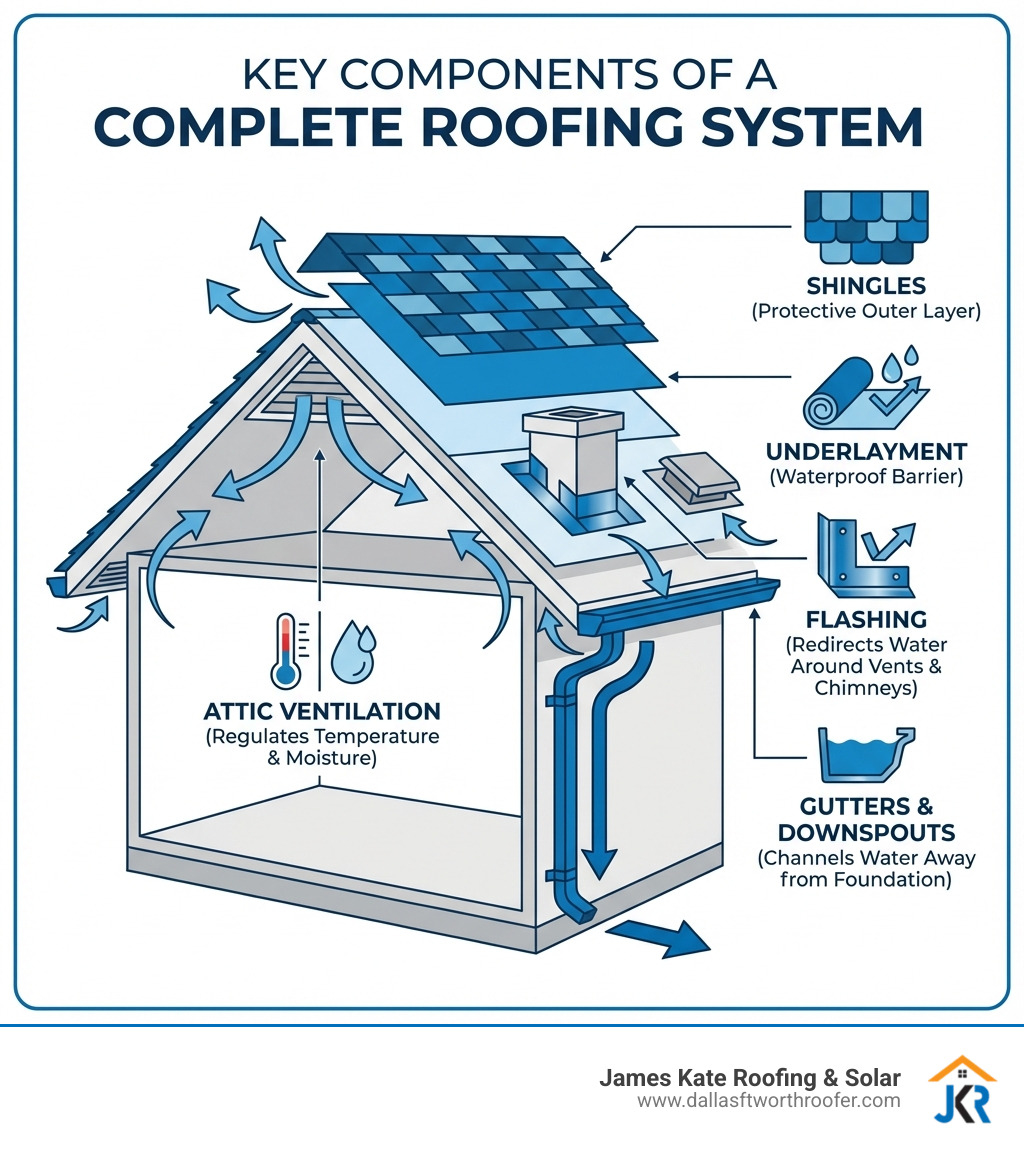
- Damaged Flashing: Flashing is the metal material installed around roof penetrations (like chimneys, vents, and skylights) to redirect water. Inspect for any signs of pulling away, rust, gaps, or damage. Failed flashing is a common source of leaks.
- Water Stains on Ceilings: This is a classic, unmistakable sign of a roof leak. Look for discoloration, peeling paint, or damp spots on your interior ceilings and walls, especially in the attic. Water stains in the attic can also appear on the underside of the roof deck or around vents.
- Sagging Roof Deck: A noticeable dip or sag in your roofline can indicate structural damage or a significant water issue that has compromised the roof decking. This is a serious problem that requires immediate professional attention.
- Moss or Algae Growth: While some might find it aesthetically charming, moss, algae, or lichen growth on your roof can signal a moisture problem. Moss, in particular, can trap water against the roof surface, leading to deterioration and potential rot underneath your shingles.
The Importance of Gutters, Downspouts, and Ventilation
Beyond the shingles themselves, other critical components contribute significantly to your overall roof health.
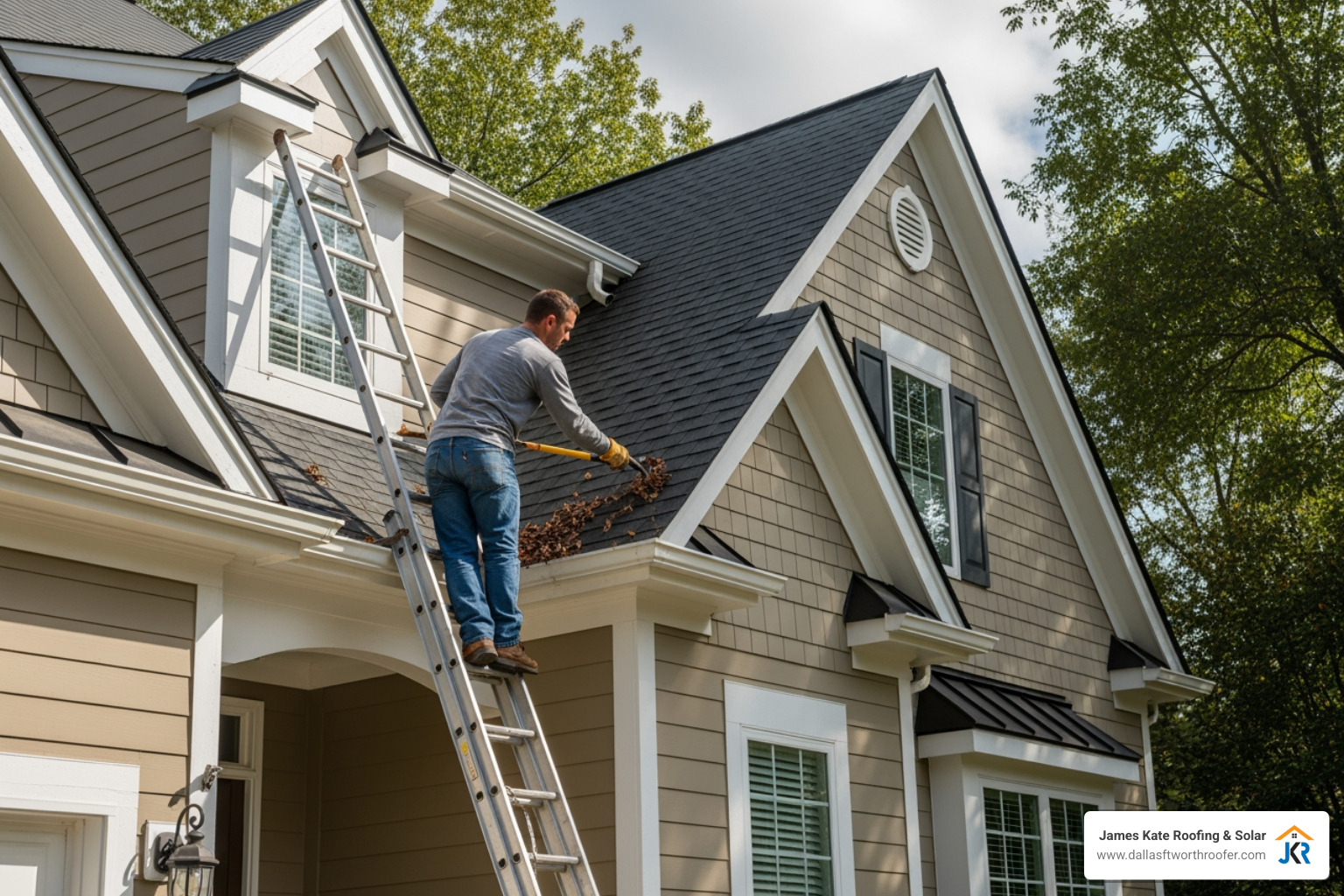
Gutters and Downspouts: These unsung heroes of your roofing system are designed to channel rainwater away from your roof and foundation. When they become clogged with leaves, twigs, and other debris (which happens frequently here in the DFW area, especially after our strong winds), they can cause a cascade of problems. Clogged gutters lead to water backing up, overflowing, and potentially seeping under your shingles or rotting your fascia and soffits. Even worse, water spilling directly onto the ground near your foundation can lead to costly foundation damage. We recommend cleaning your gutters at least twice a year, and more frequently if you have many trees nearby. Homeowners can safely clean gutters with a sturdy ladder, but if you’re not comfortable, we’re always here to help.
Ventilation: Proper attic ventilation is paramount for a long-lasting roof. It helps regulate temperature and moisture in your attic year-round. In our hot Texas summers, good ventilation prevents heat buildup, which can cook your shingles from the inside out and increase your HVAC costs. In cooler months, it prevents moisture accumulation that can lead to mold, mildew, and even ice dams (though less common in DFW, they can still occur during extended freezes). Ridge vents, gable vents, and soffit vents all work together to create a healthy airflow. Ensure these vents are clear of obstructions and functioning correctly. A properly ventilated attic works wonders for your roof’s lifespan and your home’s energy efficiency. Learn more about how proper ventilation contributes to your roof’s health and the integrity of your entire system on our page about More info about shingle roofing.
Proactive vs. Reactive: The Financial Benefits of Regular Roof Maintenance
We’ve all heard the saying, “An ounce of prevention is worth a pound of cure.” When it comes to your roof, this couldn’t be truer. Embracing a proactive roof maintenance strategy isn’t just about avoiding problems; it’s about making a smart financial decision that adds long-term value to your home.
The High Cost of Neglecting Your Roof
Imagine for a moment that you skip those twice-yearly inspections. A few missing granules go unnoticed, a small crack in the flashing grows, and debris piles up in your gutters. What happens next?
- Minor vs. Major Repairs: That tiny crack that could have been sealed in minutes now allows water to seep in, rotting the underlying wood and insulation. A few missing shingles, left unaddressed, expose the roof deck to moisture, leading to larger sections needing replacement. The sooner we repair any damage, the smaller the repair cost.
- Water Damage: This is the big one. Once water breaches your roof, it doesn’t stop there. It can damage ceilings, walls, flooring, insulation, electrical systems, and even personal belongings. The cost to repair internal water damage often far exceeds the cost of fixing the initial roof problem.
- Structural Issues: Prolonged water exposure can weaken your roof’s decking and framing, leading to a sagging roof structure. This can compromise the integrity of your entire home and require extensive, expensive structural repairs.
- Mold Growth: Damp environments are breeding grounds for mold. Once mold takes hold in your attic or walls, it can become a health hazard and requires professional remediation, adding another layer of cost and inconvenience.
- Reduced Home Value: A neglected roof with visible damage, stains, or a sag can significantly detract from your home’s curb appeal and market value. Potential buyers will see it as a major expense waiting to happen.
- Emergency Repair Costs: Waiting until a leak becomes an emergency almost always means higher costs. Emergency repairs often involve overtime charges and temporary fixes that don’t address the root cause, leading to recurring issues. For more details on what to do in a crisis, visit our page on More info about emergency roof repairs.
Consider this stark reality: Statistics show that 94% of North American roofing projects included roof replacements. This highlights the immense importance of roof maintenance in preventing expensive repairs and premature replacements. Neglecting inspections and maintenance is often cited as the biggest cause of a roof failing before its time.
A proactive roof maintenance strategy, on the other hand, offers numerous benefits:
- Cost Savings: Regular maintenance helps us identify and address small, inexpensive issues before they become major, budget-busting repairs. Spending a few hundred dollars on annual maintenance can save thousands in future repair costs.
- Extending Roof Lifespan: A well-maintained roof will always outlast a neglected one. With proper care, your roof can realistically serve you for 25-50 years, maximizing your initial investment.
- Preventing Premature Failure: By staying on top of maintenance, you prevent the conditions that lead to premature roof failure, ensuring your roof performs reliably throughout its expected lifespan.
- Insurance Claims: Documented routine maintenance can be crucial if you ever need to file an insurance claim after a severe storm. Insurance policies often distinguish between damage from covered perils (like hail or wind) and damage due to wear and tear or neglect. Having records of regular maintenance can help ensure your claims are honored.
- Warranty Protection: Many roofing warranties require regular maintenance to remain valid. Neglecting your roof could void your warranty, leaving you fully responsible for repairs that would otherwise be covered.
- Peace of Mind: Knowing that your roof is in excellent condition, protecting your family and home, offers invaluable peace of mind. It’s one less thing to worry about when the next Texas storm rolls through.
Roof maintenance is absolutely crucial to your roof investment and how long it lasts. Getting it done means maximizing your roof and spending less money in the long run.
A Homeowner’s Guide to Essential Roof Maintenance Tasks
Now that we understand the “why,” let’s dive into the “how.” Many roof maintenance tasks are straightforward and can be handled by a homeowner with a basic understanding of safety and a few tools. For anything beyond simple ground-level checks or gutter cleaning, always remember to prioritize safety or call in the professionals.
How to Prepare Your Roof for Every Season
The DFW area experiences a range of weather conditions, from scorching summers to occasional freezes and severe thunderstorms. Adapting your roof maintenance schedule to the seasons is key.
- Spring Cleaning: After the winter (even our mild ones), spring is the perfect time for a thorough inspection. Look for any damage from winter weather, clear accumulated debris, and ensure your gutters are free-flowing to handle spring rains. Trim back any tree branches that grew over the winter.
- Summer Readiness: With our intense Texas summers, ensuring proper attic ventilation is critical. Check that all vents are clear and unobstructed to prevent heat buildup, which can prematurely age your shingles and increase cooling costs.
- Fall Debris Clearing: Autumn brings falling leaves and branches, which can quickly clog gutters and accumulate on your roof surface. Regular cleaning throughout the fall is essential to prevent debris from trapping moisture against your roof. This is also a great time for another full inspection before winter.
- Winter Preparation: While heavy snow is rare in DFW, we do experience freezing rain and ice. Ensure your gutters are clean to prevent ice dams (where melted ice refreezes at the eaves, backing up water under shingles). Proper attic insulation also plays a role here by preventing warm air from escaping and melting snow on the roof.
Roof Maintenance for Different Materials
The type of roofing material on your home in Mansfield, Arlington, Granbury, Grand Prairie, or Midlothian will influence specific roof maintenance needs.
| Roofing Material | Key Maintenance Tasks The roof is the first line of defense against the elements and requires regular attention to ensure its longevity and protect the home.
The provided research and our expertise at James Kate Roofing & Restorationconfirm that consistent roof maintenance is a homeowner’s best friend. Let’s explore the tasks you can do yourself and when it’s time to bring in the professionals.
When to DIY and When to Call a Professional
We understand the appeal of tackling home projects yourself. For certain roof maintenance tasks, a DIY approach is perfectly acceptable and can save you money. However, for others, the risks outweigh the benefits, and professional expertise is not just recommended, but essential.
DIY Tasks (with caution and safety first!):
- Ground-Level Inspections: As discussed, you can safely inspect your roof from the ground using binoculars. Look for obvious signs of damage like missing shingles, debris, or clogged gutters.
- Gutter Cleaning: If you have a sturdy ladder and are comfortable working at heights, cleaning your gutters can be a DIY task. Be sure your ladder is properly anchored and extends at least three feet above the gutter line. Remove leaves, sticks, and other debris, then flush with a hose to ensure proper flow.
- Simple Debris Removal: Using a leaf blower or soft broom to gently clear light debris from your roof can be done carefully, but avoid walking on the roof if possible.
- Trimming Small Branches: If you have small, easily accessible branches overhanging your roof, you can trim them back. Limbs should ideally be at least 10 feet from your roof to prevent damage.
Why Professional Help is Necessary (and often safer):
- Safety First: Climbing onto a roof, especially a steep or wet one, is inherently dangerous. Roofing jobs have the 5th highest death rate in construction-related work, largely due to lack of safety gear and fall protection knowledge. We strongly advise against homeowners getting on their roofs, particularly for tile roofs which are brittle and not built to support an adult’s weight. Professionals have the right equipment, training, and safety protocols to work at heights.
- Thorough Inspections: While your ground-level check is valuable, a professional can get up close to your roof, identify subtle damage, and inspect areas you can’t see or safely access. They can spot issues like deteriorating seals, loose flashing, or early signs of water damage in the attic that might be missed otherwise.
- Complex Repairs: Fixing anything beyond a simple loose shingle requires specialized knowledge and tools. Improper repairs can lead to further damage, void warranties, and create more expensive problems down the line.
- Moss, Algae, and Lichen Removal: While some DIY products exist, we recommend hiring professionals for moss, algae, and lichen growth. They have the proper equipment and materials to remove these growths without damaging your roof, and can apply preventative treatments. Pressure washing, in particular, can strip granules from asphalt shingles and force water under tiles, causing significant damage.
- Specialized Materials: Different roofing materials (asphalt, metal, tile) require specific repair techniques and materials. Professionals are well-versed in these nuances.
- Warranty Protection: Many roofing material manufacturers and contractors (like us, with our GAF President’s Club recognition and up to a 25-year workmanship warranty) require repairs to be done by certified professionals to maintain your warranty.
Signs You Need to Schedule a Professional Roof Repair
Knowing when to pick up the phone and call us for a professional assessment or repair is crucial. Don’t wait until a small problem becomes a catastrophe. Here are clear signs that it’s time to schedule a professional roof repair:
- Large or Recurring Leaks: If you have an active leak that can’t be contained by a bucket, or if leaks keep reappearing in the same spot after minor repairs, it’s time for a professional diagnosis.
- Significant Shingle Damage: If you notice many missing, extensively cracked, severely curled, or blistered shingles across your roof, especially after a storm, a professional repair or even replacement might be necessary. Promptly repair or replace missing, curled, or damaged shingles. Your shingles are the first line of defense against rain and storm damage.
- Loose or Damaged Flashing: Flashing is critical for preventing leaks around chimneys, vents, and skylights. If it’s visibly loose, bent, rusted, or otherwise compromised, it needs professional attention.
- Sagging Roof Deck: Any noticeable sag in your roofline is a serious structural concern and requires immediate professional inspection.
- Extensive Moss or Algae: While some can be DIY-treated, extensive or persistent moss and algae growth, especially if it’s trapping moisture, warrants a professional assessment and specialized cleaning to prevent underlying damage.
- Water Stains in the Attic/Ceiling: Any signs of water intrusion inside your home mean the roof has already been compromised. A professional can accurately trace the source of the leak and provide a lasting repair.
For any of these issues, or if you simply have concerns about your roof’s condition, don’t hesitate to reach out to us at James Kate Roofing & Solar. We’re committed to honesty and integrity, and we’ll provide a thorough inspection and honest assessment. Find more information on our specific repair services here: More info about roof repairs.
Frequently Asked Questions about Roof Maintenance
We often hear similar questions from homeowners in Mansfield, Arlington, Granbury, Grand Prairie, and Midlothian about how to best care for their roofs. Let’s address some of the most common ones.
How often should I have my roof professionally inspected?
We recommend a professional roof inspection at least once a year. Think of it as an annual check-up for your home’s most important protective layer. Regular professional inspections allow us to:
- Catch small issues early: We can spot subtle damage that might be missed during a ground-level DIY check.
- Identify hidden problems: We inspect areas like the attic and flashing up close, where issues often begin before they’re visible from the ground.
- Document your roof’s condition: This is invaluable for warranty purposes and potential insurance claims.
Beyond the annual check, we strongly advise scheduling a professional inspection:
- After any major storm: Especially after the severe thunderstorms and hailstorms common in our DFW area.
- If your roof is older than 10 years: As roofs age, they become more susceptible to wear and tear.
- For new roof check-ups: Even new roofs can benefit from an inspection a year or two after installation to ensure everything is settling properly.
Can I pressure wash my roof to clean it?
We strongly advise against pressure washing your roof, especially if you have asphalt shingles. Here’s why:
- Asphalt Shingle Damage: Pressure washing can strip the protective granules from asphalt shingles, drastically reducing their lifespan and leaving them vulnerable to UV damage.
- Water Intrusion Risk: The high-pressure spray can force water underneath shingles, leading to leaks, rot, and mold in your attic or roof deck.
- Material-Specific Cleaning: Different materials require different cleaning methods. For moss, algae, or dirt buildup, we recommend professional soft washing techniques that use specialized, low-pressure cleaning solutions designed to clean without causing damage. For tile roofs, you should absolutely avoid pressure washing as it can crack the tiles and force water underneath.
How long should my roof last with proper maintenance?
The lifespan of your roof heavily depends on the material, the quality of installation, and, crucially, consistent roof maintenance. An average roof in the DFW area can last 25–50 years. With diligent maintenance, we can often push your roof towards the higher end of that range.
Here’s a general breakdown for common roofing materials in our region:
- Asphalt Shingles: While often marketed as 30-year shingles, in the harsh Texas climate with intense sun and frequent storms, asphalt shingles realistically last around 15-25 years. With proper maintenance, you can maximize this, but neglect can shorten it significantly.
- Metal Roofs: Known for their durability, metal roofs can last a minimum of 40 years with proper maintenance, and often much longer. Regular inspection for loose fasteners, rust, and coating integrity is key. Learn more about their longevity at More info about metal roofing.
- Tile Roofs: These are among the longest-lasting roofing materials. Tile roofs can last a minimum of 60 years with proper maintenance, and sometimes even a century! Their maintenance involves checking for cracked or broken tiles and professional cleaning every 3 to 5 years. For more in-depth information, visit More info about tile roofing.
Our climate, with its intense heat, UV exposure, and periodic severe weather, plays a significant role. However, a proactive roof maintenance plan is your best defense against premature aging and can help ensure your roof reaches its maximum potential lifespan.
Protect Your Investment with a Maintenance Plan
Your home is likely your largest investment, and its roof is its primary protector. Neglecting roof maintenance is akin to neglecting the foundation of your financial well-being. By taking a proactive approach, you’re not just fixing problems; you’re investing in the longevity, safety, and value of your entire property.
At James Kate Roofing & Solar, we believe in honesty, integrity, and Biblical principles in every interaction. We’re a family-owned DFW company dedicated to providing top-tier solar services to our communities in Mansfield, Arlington, Granbury, Grand Prairie, and Midlothian. Our GAF President’s Club recognition and up to a 25-year workmanship warranty are testaments to our commitment to quality and lasting solutions.
Don’t wait for a small issue to become a costly emergency. Let us help you protect your investment and ensure your roof stands strong for decades to come.
Schedule your professional roof inspection today – we’re ready to serve you!