Why Understanding Your House Roof Replacement Options Matters
House roof replacement is one of the most significant investments you’ll make as a property owner—and knowing when to act can save you thousands in interior damage while protecting your family and belongings.
Quick Answer: When to Replace Your Roof
- Age: Most asphalt shingle roofs last 15–25 years; if yours is nearing or past that mark, plan for replacement.
- Visible Damage: Curling, cracking, missing shingles, or granule loss signal it’s time.
- Leaks & Water Stains: Persistent interior water damage means your roof system is failing.
- Sagging Deck: Structural issues require immediate professional inspection and likely full replacement.
- Cost vs. Repair: If repair costs exceed 30–40% of a new roof, replacement is typically the smarter move.
Replacing a roof involves more than just swapping out shingles. You’re dealing with underlayment, flashing, ventilation, and often unexpected structural repairs once the old materials come off. Costs vary widely based on roof size, pitch, material choice, and the condition of your decking—but the national average for an asphalt shingle roof replacement in 2025 ranges from $6,500 to $18,000 depending on square footage and complexity. In the Dallas–Fort Worth area, labor and material availability can push those numbers higher, especially for larger or more intricate roofs.
Homeowners often worry about hidden costs, project timelines, and whether a repair might stretch the life of their existing roof. The truth is, a well-planned replacement done right—by a licensed, insured contractor who knows local building codes and manufacturer specs—delivers decades of protection, improves energy efficiency, and can even lower insurance premiums if you choose impact-resistant materials.
I’m Dustin Eatman, owner of James Kate Roofing & Solar, and I’ve spent years guiding DFW property owners through every stage of house roof replacement—from initial inspections and insurance claims to material selection and final walkthrough. My goal is always to help you make informed decisions, avoid costly mistakes, and ensure your new roof performs exactly as it should for the long haul.
House roof replacement helpful reading:
Reading the Signs: Is It Time for a New Roof?
Your roof is your home’s first line of defense against the unpredictable Texas weather, from scorching summer sun to sudden hailstorms. Knowing the subtle (and not-so-subtle) indicators that your roof is nearing the end of its life can save you from costly interior damage and headaches. We often tell our clients in Mansfield, Arlington, and Granbury that regular inspections are key, but there are also obvious signs to watch for.

Roof Age
Most asphalt shingle roofs, the most popular choice in the DFW area, are designed to last between 15 to 25 years. However, factors like extreme weather exposure, poor ventilation, or even the quality of the initial installation can shorten this lifespan. If your roof is approaching or has exceeded this age range, even if it looks okay from the ground, it’s wise to have a professional inspection. The materials naturally degrade over time, losing their protective qualities.
Leaks and Water Spots
This is perhaps the most alarming sign for any homeowner. Water spots on your attic ceiling, streaks running down interior walls, or even visible drips are clear indicators that your roof system has been compromised. Water intrusion can lead to mold growth, damaged insulation, weakened structural components, and a host of other expensive problems. If you notice light shining into your attic where it shouldn’t, that’s another clear sign of a potential leak or structural issue.
Damaged Shingles
Take a walk around your home and look at your roof. Do you see:
- Curling or Cupping Shingles? This happens when shingles dry out and lose their elasticity, often due to sun exposure. It makes them vulnerable to wind and rain.
- Cracked Shingles? Cracks mean the shingle’s integrity is compromised, allowing water to penetrate.
- Missing Shingles? Strong winds, common in Texas, can tear shingles right off, leaving exposed areas vulnerable to the elements.
- Granule Loss? Asphalt shingles are covered in small, protective granules that deflect UV rays. If you find an excessive amount of these granules in your gutters or downspouts, it means your shingles are losing their protective layer and nearing the end of their useful life. A roof looking like it has “bald spots” due to granule loss is a clear indicator.
Algae or Moss Growth
While sometimes a cosmetic issue, significant algae or moss growth, especially in shaded or damp areas, can indicate moisture retention. Moss, in particular, can lift shingles, allowing water to seep underneath and potentially cause rot in the roof deck. For many DFW homes, black streaks of algae are common, and while often harmless, they can signal underlying moisture issues if left unchecked.
Sagging Roof Deck
A sagging roof deck is a serious structural concern and requires immediate attention. It can indicate weakened rafters, water damage to the plywood or OSB decking, or even improper installation. This is not a problem to ignore, as it can compromise the entire structural integrity of your home.
For more foundational knowledge, consider checking out The Basics of Roof Replacement.
Typical Lifespan of Common Roofing Materials
Understanding the typical lifespan of different roofing materials helps you plan for future house roof replacement needs. Here’s what we commonly see in the Dallas-Fort Worth area:
- Asphalt Shingles: These are by far the most popular choice for residential roofs due to their affordability and versatility.
- 3-Tab Shingles: Generally last 15-20 years. They are the most economical option.
- Architectural (Laminated) Shingles: These are thicker, more durable, and offer a more dimensional look. They typically last 20-30 years, with some premium options rated for up to 50 years.
- Metal Roofing: Gaining popularity for its durability and energy efficiency, metal roofs are an excellent choice for the Texas climate. They can withstand hail and high winds much better than traditional shingles.
- Lifespan: 40-70 years, with some systems lasting even longer.
- Slate Tiles: A premium, high-end option known for its exceptional longevity and distinctive aesthetic. While a significant upfront investment, slate offers unparalleled durability.
- Lifespan: 70+ years, often exceeding 100 years.
Here’s a quick comparison:
| Material Type | Expected Lifespan |
|---|---|
| 3-Tab Asphalt | 15-20 years |
| Architectural Asphalt | 20-30 years |
| Metal Roofing | 40-70 years |
| Slate Tiles | 70+ years |
For more detailed information on various roofing materials and their characteristics, explore our page on More info about different roof types.
Repair vs. Replace: Making the Right Call
When you notice issues with your roof, the first question is always: “Can I just repair it, or do I need a full house roof replacement?” This is a crucial decision, and we’re here to help you weigh the options.
- Scope of Damage: If the damage is localized—a few missing shingles after a wind storm, a small leak from a single compromised area, or minor hail damage to an otherwise healthy roof—a targeted repair might be sufficient. However, if damage is widespread (affecting more than 35% of the roof) or involves multiple components of the roofing system, replacement often makes more sense.
- Age of Roof: If your roof is nearing the end of its typical lifespan (e.g., an asphalt shingle roof is 18-20 years old), investing in extensive repairs might be throwing good money after bad. A new roof will provide comprehensive protection for decades, whereas repairs on an aging roof might only be temporary fixes, leading to more expenses down the line.
- Cost-Effectiveness: We generally advise that if repair costs approach 30-40% of the cost of a full replacement, replacement is the more financially sound decision. This accounts for the fact that an aging roof will likely need more repairs soon, and a new roof offers a fresh start.
- Long-Term Value: A new roof significantly improves your home’s curb appeal, increases its resale value, and provides superior protection. Repairs, while necessary, don’t offer the same long-term benefits or peace of mind.
For situations where repairs are the appropriate solution, we also offer comprehensive services. Learn more about When to choose roof repairs.
Decoding the Cost of a House Roof Replacement
Understanding the financial investment required for a house roof replacement is often the first step for homeowners. There’s no single “average cost” as prices vary significantly based on numerous factors. However, we can break down the components that contribute to your final estimate, giving you a clearer picture of what to expect in the DFW area.
Labor Costs
Labor is a substantial portion of any roof replacement project, often accounting for 40-60% of the total bill. In the Dallas-Fort Worth metropolitan area, labor rates can be higher than in smaller towns due to demand and cost of living. The complexity of your roof, its pitch, and accessibility will directly impact the labor hours required and, consequently, the cost.
Material Costs
This is the direct cost of the roofing materials themselves, including shingles, underlayment, flashing, nails, and other accessories. The type and quality of material you choose (e.g., 3-tab asphalt vs. architectural asphalt vs. metal vs. slate) will have the most significant impact on your material costs.
Permits and Fees
In cities like Mansfield, Arlington, Granbury, and Grand Prairie, building permits are typically required for a full house roof replacement to ensure the work meets local building codes and safety standards. Professional roofing contractors, like us, usually include these permit fees in your estimate and handle the application process for you.
Disposal Costs
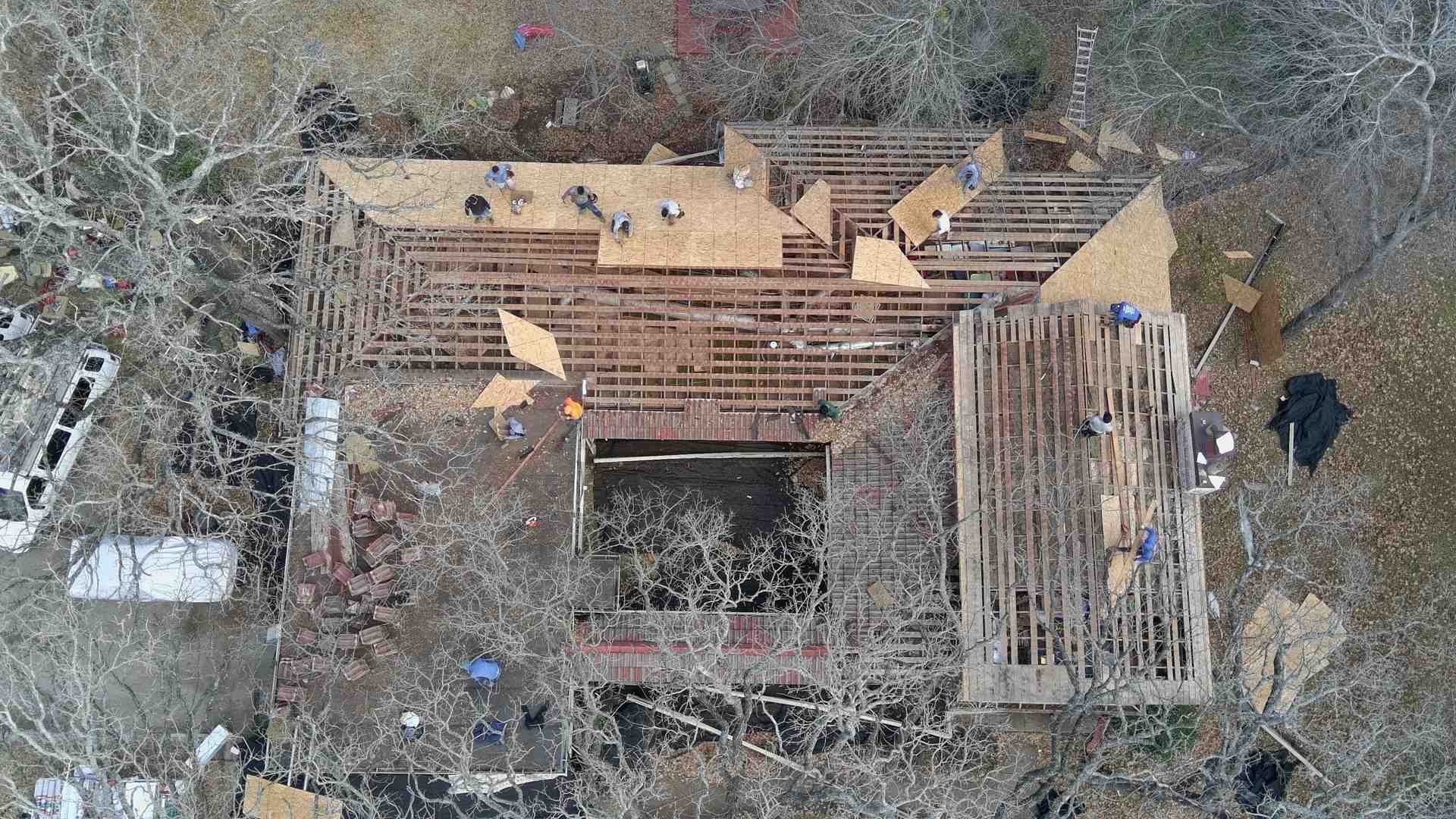
The old roof materials don’t just disappear! They need to be removed and properly disposed of. This includes the cost of a dumpster rental and landfill fees. For a full tear-off, you can expect two to four tons of debris, and disposal fees can add $100-$150 per ton to the overall cost. Our estimates always clearly outline these disposal charges.
For more insights into what influences roofing expenses, check out Understanding roof costs.
Key Factors in Your House Roof Replacement Estimate
When we provide you with an estimate for your house roof replacement, we consider several key factors unique to your home and its existing roof. These elements directly influence the materials needed, the labor involved, and the overall complexity of the project.
- Roof Size: This is arguably the most straightforward factor. A larger roof simply requires more materials and more labor hours. Roofing costs are typically calculated per “square,” which is a 10×10 foot area (100 square feet). For example, a 2,000 square foot roof is 20 squares.
- Less than 1,000 sq ft: $1,250 to $3,000 (for asphalt shingles)
- 1,500 to 2,500 sq ft: $3,500 to $7,000 (for asphalt shingles)
- 2,500 to 3,500 sq ft: $7,000 to $10,500 (for asphalt shingles)
- More than 4,000 sq ft: More than $11,000 (for asphalt shingles)
- Roof Pitch (Steepness): The inclination or slope of your roof plays a significant role. A steeper roof (e.g., 9/12 pitch or higher) requires more safety equipment, more specialized techniques, and often slower work, as materials can’t be stacked directly on the roof. This can increase labor costs by 20-30%.
- Accessibility: How easy is it for our crew and equipment to access your roof? A roof that is very high, has limited access due to dense landscaping, or requires special equipment like cranes or scaffolding will incur higher labor and equipment costs.
- Complexity (Dormers, Skylights, Valleys): A simple, straight gable roof is less expensive to replace than a complex roof with multiple dormers, skylights, chimneys, hips, and valleys. Each of these features requires intricate cutting, flashing, and sealing, increasing material waste and labor time by 15-25%. For instance, a cross-gabled design can push material use up by 30% compared to a simple gable.
- Underlying Structural Damage: This is often the “hidden cost” that can only be fully assessed once the old roofing materials are removed. If we find rotting plywood or OSB sheathing, mold, or damaged rafters, these structural repairs must be addressed before new roofing can be installed. Replacing damaged sheathing alone can add $2-$4 per square foot, and hidden problems can add $1,000-$4,000 to a project.
Choosing Your Armor: A Material Cost & Benefit Breakdown
The choice of roofing material is one of the most impactful decisions you’ll make for your house roof replacement, affecting not only the upfront cost but also your home’s curb appeal, lifespan, and energy efficiency. Here’s a breakdown of the most common options we install for our DFW clients:
| Material Type | Average Cost (per sq ft installed) | Average Total Cost (1,500 sq ft roof) | Expected Lifespan | Pros “`