
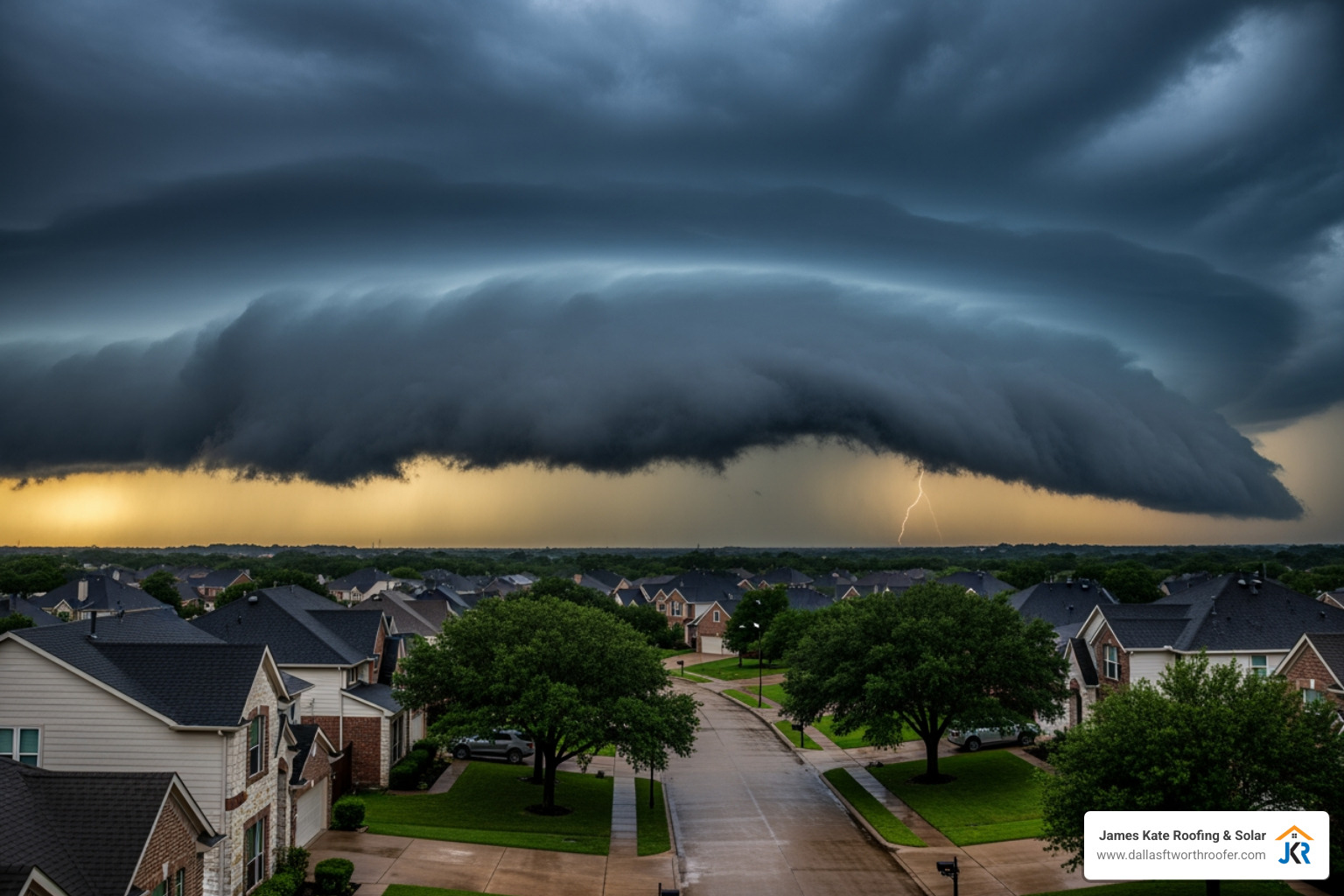
Why Arlington TX Storm Damage Demands Your Immediate Attention
Arlington TX storm damage affects hundreds of homes every year, and knowing what to look for can save you thousands in repairs. If you’ve recently experienced severe weather, here’s what you need to assess right away:
Immediate Storm Damage Assessment Checklist:
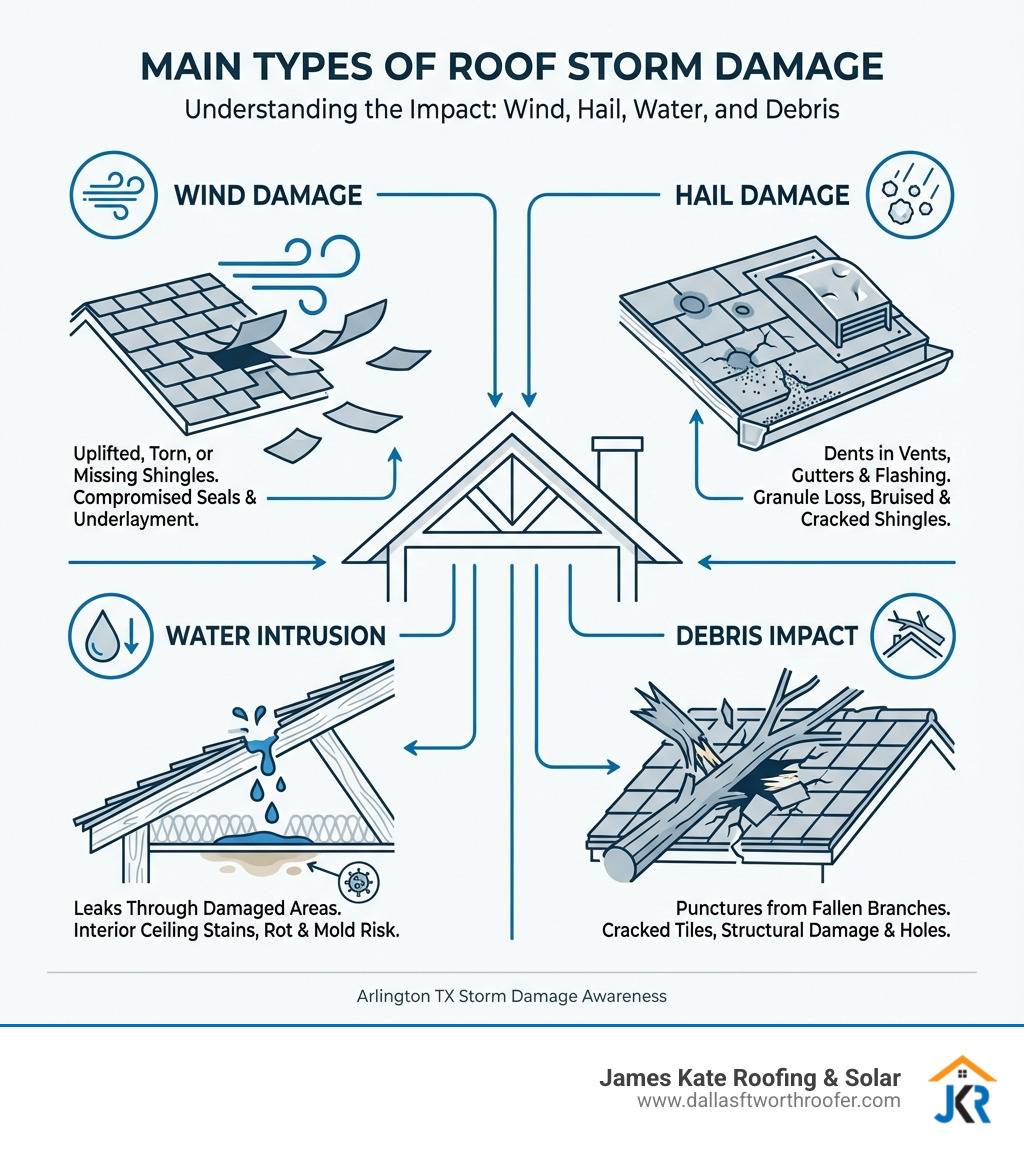
- Missing or damaged shingles – Look for bare spots or curled edges on your roof
- Dented gutters and downspouts – Hail leaves visible impact marks on metal
- Water stains on interior ceilings – Signs of active leaks requiring urgent attention
- Granule loss on asphalt shingles – Check downspouts for excessive asphalt granules
- Cracked or broken roof tiles – Particularly common after hail storms
- Debris impact damage – Fallen tree limbs can puncture roofing materials
Arlington sits in a severe weather hotspot. According to National Weather Service data, the area experiences 50+ severe weather warnings annually and has recorded tornadoes with wind speeds up to 135 mph. In recent years, the region has seen EF-2 tornadoes tear through neighborhoods, displacing dozens of families and causing millions in property damage. On one particularly severe November night, seven buildings collapsed in Arlington alone, with 75 families displaced from two apartment communities.
The statistics are sobering: Arlington has had 62 on-the-ground hail reports from trained spotters in a 12-month period, with hail sizes ranging from quarter-sized to golf ball and even baseball-sized. Doppler radar detected hail near Arlington on 150 separate occasions, including 13 times in just the past year. These aren’t rare events—they’re part of living in North Texas.
What makes Arlington particularly vulnerable? Unlike many parts of Texas, severe storms here aren’t limited to spring months. Tornadoes and damaging hail can strike any month of the year, leaving homeowners with little predictability for when the next storm will hit.
After a major storm passes through, your home may have damage that isn’t immediately visible from the ground. Wind-driven rain can penetrate small breaches in your roof system, leading to hidden water damage in attics and wall cavities. Hail creates bruising on asphalt shingles that compromises their protective granule layer, accelerating aging and reducing your roof’s lifespan—even if you don’t see obvious dents.
I’m Dustin Eatman, owner of James Kate Roofing & Solar, and I’ve helped hundreds of DFW homeowners steer Arlington TX storm damage recovery, from emergency tarping after tornadoes to working with insurance adjusters on complex hail claims. My team and I understand the specific weather patterns and damage types that affect North Texas properties, and we’re here to help you protect your most important investment.
Immediate Steps After the Storm: Safety First
When a severe storm tears through Arlington, our first priority is always safety. Before you even think about assessing your property for Arlington TX storm damage, ensure the well-being of yourself and your loved ones. We’ve seen the dangers that can linger after a powerful weather event, and a few moments of caution can make all the difference.
First, check on your family and pets. Account for everyone and ensure they are safe and calm. If your home has sustained significant damage, or if you were advised to evacuate, stick to your plan. Downed power lines are a serious hazard; never approach or touch them. Assume they are live, even if there’s no visible spark. Similarly, be alert for the smell of natural gas, which could indicate a gas leak. If you detect gas, evacuate immediately and contact emergency services from a safe distance.
Take a quick, safe look at your home’s structure. Are there any signs of major structural instability, like a leaning wall or a collapsed section of the roof? If so, do not enter the building. Wait for emergency personnel to declare it safe. The Arlington Fire Department often responds to reports of trapped individuals and gas leaks after severe weather, as they did during the November 2020 tornado event where people were trapped in vehicles and buildings.
Once you’ve confirmed immediate safety, you can begin to document any visible damage from a safe distance. This initial documentation will be crucial for insurance claims later, but remember: your life and safety are far more important than any property.
How to Assess Your Property for Arlington TX Storm Damage
Once the immediate danger has passed and it’s safe to venture outside, it’s time to begin assessing your property. Safety always comes first, so if anything looks too dangerous, call a professional. We’re here to help you understand what to look for.
Conducting a Safe Exterior Inspection
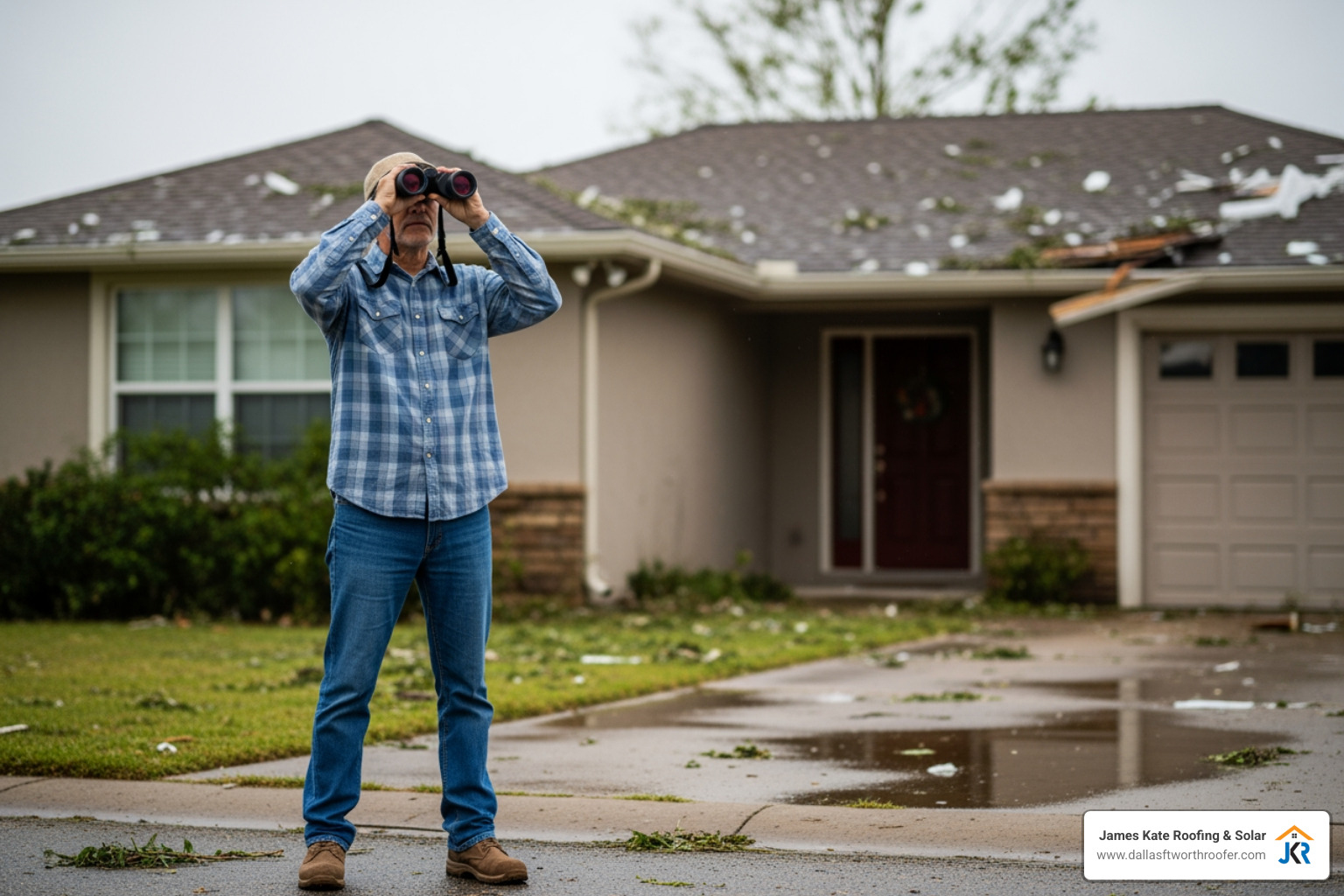
Your first walk-around should be a ground-level assessment. You don’t need to climb on your roof to spot many common signs of Arlington TX storm damage. A good pair of binoculars can be your best friend here, allowing you to get a closer look at areas that are hard to see from the ground.
Start by looking at your siding. Are there any missing panels, cracks, or impact marks? Hail, even smaller sizes like ping-pong balls reported near I-30 and Fielder, can leave tell-tale dents. Next, inspect your gutters and downspouts. These metal components are highly susceptible to hail damage, often showing noticeable dents or even being torn away by strong winds.
Windows are another critical area. Check for cracks or shattered panes. Even small cracks can compromise their integrity. Finally, survey your yard for fallen trees and limbs. We’ve seen photos on social media showing tree damage near Mayfield and Collins streets in Arlington, with branches up to 4 inches in diameter snapped by the wind. Large debris on your property could indicate impact damage to your roof or other structures.
Identifying Signs of Roof Damage from the Ground
Your roof is your home’s primary defense, and it often takes the brunt of a storm. From the ground, look for these common indicators of Arlington TX storm damage:
- Missing Shingles: This is often the most obvious sign of wind damage. Strong winds, especially those exceeding 60 mph, can lift and tear shingles right off your roof.
- Curled or Cracked Shingles: Wind can cause shingles to curl upwards or crack, weakening their seal and exposing the underlying layers to water.
- Bruised or Dented Asphalt Shingles: Hail, even without completely breaking the shingle, can create soft spots or “bruises.” This compromises the shingle’s integrity and accelerates its deterioration.
- Missing Granules: The granular surface of asphalt shingles protects them from UV rays and helps shed water. Hail impact can dislodge these granules, often accumulating in gutters or downspouts.
- Cracked or Missing Tiles: For homes with tile roofs, hail and wind can crack or dislodge tiles, creating direct entry points for water.
- Dented or Lifted Metal Panels: Metal roofs, while durable, can still suffer dents from hail or be lifted and bent by extreme winds.
Even seemingly minor damage can lead to significant problems down the line, especially water intrusion. If you’re unsure about the health of your roof or want to learn more about different roofing materials, we have more info about roof types on our website.
Checking for Interior Signs of Arlington TX Storm Damage
Sometimes, the most critical damage isn’t visible from the outside. Water can find its way into your home through even the smallest breaches in your roof, leading to interior damage that can be costly and lead to mold if not addressed quickly.
The best place to start your interior inspection is in your attic. Grab a flashlight and look for any signs of moisture, damp insulation, or water stains on the wooden trusses or ceiling. Even small leaks can cause significant damage over time.
Beyond the attic, look for water stains on your ceilings, especially in rooms directly below the roof. These stains often appear as yellow or brown discoloration. Peeling paint on walls, particularly near the ceiling, can also indicate water intrusion. Check around vents and light fixtures, as these are common areas where leaks can manifest. If you see any daylight showing through your roof from the attic, that’s a clear sign of a breach that needs immediate attention.
Understanding the Severity: Wind, Hail, and Tornadoes
Arlington’s weather can be intense, characterized by powerful winds, large hail, and even tornadoes. Understanding the specific nature of the storm that hit your area is crucial for assessing damage and communicating with your insurance provider.
The National Weather Service (NWS) plays a vital role in this, providing official assessments and ratings. For instance, the NWS in Fort Worth gave portions of the Kennedale/Arlington damage on April 3, 2012, a preliminary rating of EF-2, with estimated wind speeds up to 135 mph. This tornado had a path length of 4.6 miles and a maximum width of 150 yards, causing damage to residences on Fawn Meadow Trail, Haverford Drive, and Thorncliffe Drive, and even impacting the Green Oaks Nursing and Rehabilitation Center.
Another significant event occurred on November 24, 2020, when a line of storms produced an EF-2 tornado in Arlington. This storm featured maximum winds around 115 mph and caused significant roof damage to apartment complexes, including the Waterdance Apartment complex. It also affected commercial structures like a Burger Box fast-food restaurant and a Safelite AutoGlass store, and resulted in five non-life-threatening injuries.
These events highlight the destructive power of tornadoes in our area. But even without a tornado, strong winds and hail can cause extensive damage.
Here’s a quick comparison of what to look for when distinguishing between wind and hail damage:
| Wind Damage | Hail Damage |
|---|---|
| Creased, lifted, or missing shingles | Dents, divots, or circular cracks on shingles |
| Exposed decking or underlayment | Random pattern of impact marks |
| Damage often concentrated on one side of roof | Granule loss in localized spots |
| Shingles flapping or loose | Soft spots or “bruising” on asphalt shingles |
| Damage to fascia, soffits, or gutters | Dents in metal vents, gutters, or flashing |
| Damage to siding, windows, or exterior features |
Hail in Arlington isn’t just pea-sized. We’ve seen reports of ping-pong ball sized hail near I-30 and Fielder, half-dollar sized hail north-northwest of Arlington, and even golf ball sized hail in South Arlington. These larger hailstones, combined with strong wind-driven rain, can cause significant damage to roofs, siding, and windows. The NWS provides official assessments of these storm events, which you can often find through resources like their National Weather Service’s official assessment of storm events page.
What to Do Next: Reporting Damage and Starting Repairs
After you’ve safely assessed the situation and identified potential Arlington TX storm damage, the next crucial steps involve documenting everything, contacting your insurance provider, and finding a trusted professional to help with repairs. We understand this can be an overwhelming time, but taking these actions promptly can streamline your recovery process.
Documenting and Reporting Arlington TX Storm Damage
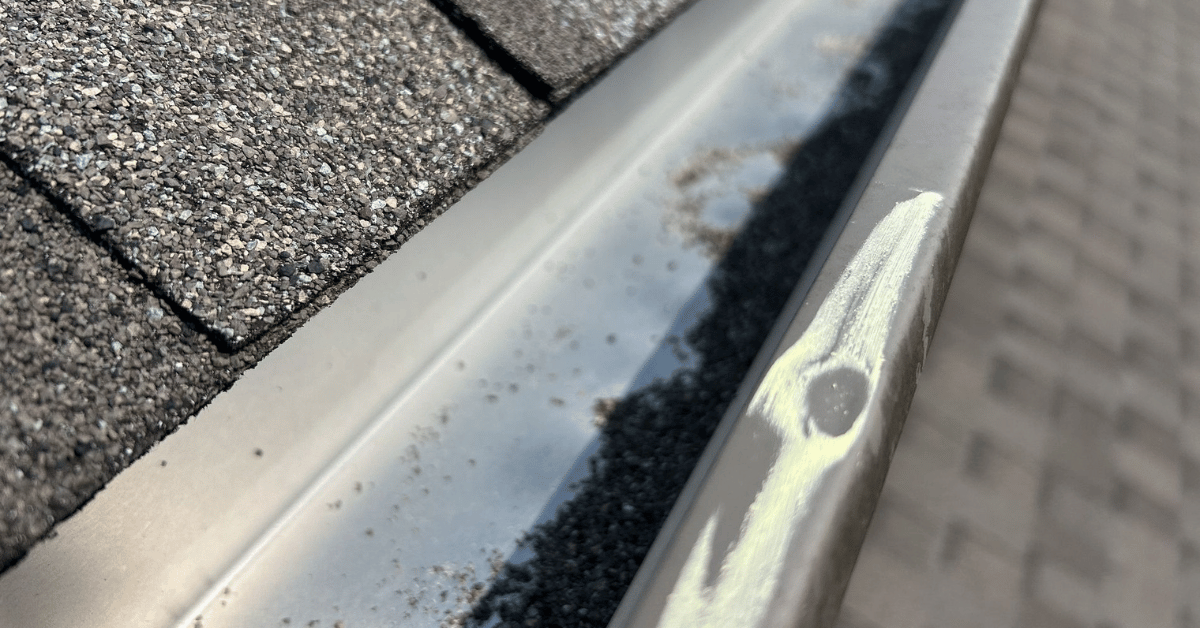
Thorough documentation is your best friend when dealing with storm damage. Take clear photos and videos of all damaged areas, both inside and outside your home. Don’t forget to capture wider shots that show the context, as well as close-ups of specific damage. Detailed notes, including the date and time you observed the damage, will also be invaluable.
Once you have your documentation, contact your insurance agent as soon as possible. They can guide you through the claims process and explain your policy’s specifics.
For immediate protection against further damage, temporary repairs are often necessary. If your roof has an active leak or a large hole, emergency tarping can prevent additional water intrusion. This is a critical step, as unchecked water damage can lead to much more extensive and costly problems, including mold growth. Our team is equipped to provide more info about emergency roofing services to protect your home promptly.
The City of Arlington is also a valuable resource. After a storm, they often provide information on how to report damage and assist with cleanup. For example, after a tornado, residents were asked to contact the Arlington Action Center at 817-459-6777 to report storm damage. They also provided guidelines for debris removal, including bundling fence panels and limbs for curbside pickup, and using landfill coupons for larger items.
Navigating Insurance Claims and Choosing a Contractor
Dealing with insurance claims can be complex. After reporting the damage, your insurance company will likely send an adjuster to inspect your property. It’s often beneficial to have your chosen contractor present during this meeting. Their expertise can ensure that all damage is identified and properly documented for your claim. We specialize in working with insurance companies, helping you steer the process to ensure a fair assessment.
When it comes to choosing a contractor for your repairs, especially for significant Arlington TX storm damage, vigilance is key. Unfortunately, severe weather often brings out “storm chasers”—out-of-town contractors who may offer quick fixes but disappear when problems arise.
To protect yourself and your investment, always:
- Verify Contractor Credentials: Ensure the contractor is licensed and insured in Texas. Ask for proof.
- Check Local References: A reputable local roofer will have a track record in the community and can provide references from satisfied customers.
- Avoid High-Pressure Tactics: Be wary of contractors who demand upfront cash payments or pressure you into signing contracts immediately.
- Get Multiple Estimates: Obtain detailed estimates from several reputable companies.
- Understand Warranties: Ask about both material and workmanship warranties.
The City of Arlington even offers tips on choosing a contractor and expedites permit reviews for storm-related repairs. You can apply online at ArlingtonPermits.com for quick processing of permits for reroofing, electrical work, and other necessary repairs. For more info about roof repairs and how we can help, visit our website.
Frequently Asked Questions about Storm Damage
We often get asked similar questions after a storm rolls through. Here are some of the most common concerns for Arlington homeowners:
How often does Arlington, TX get severe storms?
Arlington experiences a high frequency of severe weather, with the area being under severe weather warnings around 50 times in a 12-month period and having dozens of on-the-ground hail reports from trained spotters. Doppler radar has detected hail at or near Arlington, TX on 150 occasions, including 13 occasions during the past year. This persistent activity means that homeowners in Arlington, Mansfield, Granbury, Grand Prairie, and Midlothian should always be prepared for the possibility of severe weather.
Does my insurance cover all types of storm damage?
Most homeowner’s insurance policies cover damage from wind and hail, but coverage can vary significantly. It is crucial to review your specific policy for details on deductibles and exclusions. For example, flood damage often requires a separate policy. We recommend contacting your insurance agent to understand your coverage fully before a storm hits, so you know exactly what to expect.
What if I need an emergency repair to prevent more damage?
If your roof is actively leaking or has sustained a major breach, you should contact a professional roofer immediately for emergency tarping or temporary repairs. This is vital to protect your home from further water damage while you arrange for a permanent solution. Most insurance policies will cover the cost of reasonable emergency repairs meant to prevent additional damage, so keep receipts and documentation.
Conclusion: Partnering with a Trusted Roofer for Your Recovery
Navigating the aftermath of Arlington TX storm damage can feel like a daunting task. From the initial safety checks and property assessment to filing insurance claims and coordinating repairs, there are many steps involved. But you don’t have to face it alone.
We believe in the importance of a professional inspection, not just for immediate repairs but for your long-term peace of mind. Our team at James Kate Roofing & Solar is a family-owned DFW company, deeply rooted in the communities of Arlington, Mansfield, Granbury, Grand Prairie, and Midlothian. We bring honesty, integrity, and Biblical principles to every project, earning us the GAF President’s Club recognition and allowing us to offer up to a 25-year workmanship warranty.
When you partner with us, you’re choosing local expertise and a commitment to quality that stands up to Texas weather. We’re here to help you recover efficiently, ensuring your home is safe, secure, and ready to face the next storm.
Schedule your free, no-obligation roof inspection today and let us help you restore your home and your peace of mind.

Dustin Eatman is a seasoned roofing professional with deep, hands-on expertise that spans residential and commercial roofing, insurance solar, and long-term roof asset management. As the owner of James Kate Roofing & solar in the Dallas–Fort Worth metroplex, he’s built a reputation for diagnosing roof systems accurately, communicating clearly, and executing projects with a high standard of workmanship and documentation. Dustin understands the technical details that make roofs perform—proper underlayment selection, slope and drainage considerations, ventilation strategy, flashing and penetration detailing, and manufacturer-specific installation requirements—because he’s worked through the real-world challenges that cause leaks, premature wear, and warranty issues. He’s equally fluent in the operational side of roofing: jobsite planning, quality control, safety, material ordering, crew coordination, and customer experience from inspection to closeout. In insurance-related projects, Dustin brings practical knowledge of claim workflows, adjuster meetings, scope alignment, supplements, and the importance of photo evidence and thorough records, helping property owners navigate stressful situations with confidence. For commercial clients—especially property and facility managers—he emphasizes proactive maintenance and targeted repairs that reduce disruption, extend roof life, and prevent expensive interior damage. Dustin also stays focused on doing things the right way: educating customers on realistic options, setting expectations, and prioritizing solutions that hold up over time rather than quick fixes. That blend of technical skill, field experience, process discipline, and owner-level accountability is what makes Dustin Eatman a trusted expert in the roofing industry.