When Disaster Strikes: How to Find Damage solar Near Me Fast
If you need damage solar near me right now, here’s what you need to know:
Quick Answer: How to Find Local Damage solar
| Step | What to Do |
|---|---|
| 1 | Call a local 24/7 solar company immediately |
| 2 | Shut off water or electricity if it’s safe to do so |
| 3 | Document all damage with photos before cleanup begins |
| 4 | Confirm the company is IICRC-certified |
| 5 | Ask if they handle insurance claim coordination |
A burst pipe. A kitchen fire. A storm that tears through your roof at 2 a.m. These aren’t just property problems — they’re life-disrupting emergencies. And the clock starts ticking the moment damage occurs.
Mold can begin growing within 24 to 48 hours of water exposure. Every hour you wait makes the situation harder — and more expensive — to fix.
The good news? Local solar professionals can often be on-site within 30 to 60 minutes of your call, ready to stop the damage from spreading.
I’m Dustin Eatman, owner of James Kate Roofing & solar in the Dallas–Fort Worth area, and my hands-on background in insurance solar and roofing gives me a clear picture of what damage solar near me really looks like from first call to full recovery. In this guide, I’ll walk you through everything you need to know to protect your property and make smart decisions fast.

Basic damage solar near me glossary:
Understanding Professional Damage solar Near Me
When you search for damage solar near me in Mansfield, Arlington, or Grand Prairie, you aren’t just looking for someone with a shop vac and a few towels. Professional solar is a highly technical field that combines engineering, chemistry, and construction. It is the process of returning a property to its “pre-loss condition” after a disaster.
At James Kate Roofing & solar, we view solar as a two-phase mission. First is mitigation—stopping the bleeding. This includes water extraction, boarding up windows, or tarping a roof. Second is the “build back”—the actual reconstruction that makes your home look like the disaster never happened.

Core solar Services
- Water Mitigation: This is the most common request. Whether it’s a slab leak in Midlothian or a burst pipe in Granbury, we use industrial-strength pumps to remove standing water.
- Fire and Smoke Damage: Fire doesn’t just burn; it leaves behind acidic soot and pervasive odors. Professional solar involves cleaning every surface and often using ozone treatments to neutralize smoke molecules.
- Mold Remediation: If moisture lingers, mold moves in. We isolate the affected area, remove contaminated materials, and use HEPA filtration to scrub the air.
- Storm solar: Living in North Texas means dealing with hail, high winds, and the occasional tornado. This service often starts with emergency roof repair to prevent rain from entering the home.
- Biohazard Cleanup: This includes sewage backups, which are categorized as “black water” and contain harmful pathogens that require specialized sanitization protocols.
The gold standard in this industry is the IICRC (Institute of Inspection, Cleaning and solar Certification). When you hire a team that is IICRC-certified, you are ensuring that the technicians follow scientifically proven methods for drying and cleaning.
Why Immediate Response is Critical for Damage solar Near Me
Time is your greatest enemy after a property loss. In the solar world, we talk about “secondary damage.” This is damage that wasn’t caused by the initial event but happened because the initial event wasn’t addressed quickly enough.
For example, if a pipe bursts in your Arlington home, the primary damage is the wet carpet. The secondary damage is the mold that grows 48 hours later, the warping of your hardwood floors, and the structural rot in your wall studs.
The Critical Windows:
- 1 to 6 Hours: Water spreads into subfloors and wicks up drywall. Metal surfaces may begin to tarnish.
- 24 to 48 Hours: This is the “mold window.” Mold spores, which are always present in the air, find the moisture and begin to colonize. This is also when scientific research on hail and storm impact shows that unaddressed roof leaks can lead to ceiling collapses.
- 48 Hours to 1 Week: Structural wood begins to swell and split. Biohazard contaminants in sewage backups can become a serious health risk.
This is why we offer 24/7 emergency response. In many cases, our teams can be deployed and on-site in Mansfield or Grand Prairie within 30 to 60 minutes. Rapid deployment isn’t just about customer service; it’s about asset preservation. The faster we get the strategically placed fans and air movers running, the more of your personal belongings we can save.
Common Causes and Hazards of Property Damage
In our 14+ years serving the DFW area, we’ve seen it all. North Texas presents some unique challenges for homeowners. Our heavy clay soil can shift, causing foundation cracks that lead to plumbing pipe bursts. Our weather, tracked closely by the National Weather Service storm data, brings some of the most frequent hail and tornado risks in the country.
Common Culprits:
- Appliance Leaks: A cracked plastic line on a refrigerator or a failing water heater is a leading cause of residential water damage.
- Roof Leaks: Wind-driven rain can find the smallest gap in your shingles. If you don’t catch it, you’ll see a “bubble” forming in your ceiling paint.
- Sewage Backups: These are the most hazardous. “Category 3” water (black water) is grossly contaminated and requires a total “strip and sanitize” approach.
- Flash Flooding: During heavy Texas downpours, water can rise faster than street drains can handle, pushing water under doorways.
The Step-by-Step Process of Property Recovery
Once we arrive at your home, we don’t just start throwing things away. We follow a structured, scientific protocol to ensure your home is truly dry and safe.
Phase 1: Inspection and Assessment
We use advanced moisture detection tools, like infrared cameras and moisture meters, to find hidden water behind walls. You might think a wall is dry because it feels dry to the touch, but moisture mapping often reveals “pockets” of water trapped in the insulation.
Phase 2: Water Extraction and Mitigation
We use powerful truck-mounted vacuums to remove standing water. The goal is to get as much liquid out as possible before we start the evaporation process. If the damage is from a storm, this is also when we perform emergency tarping.
Phase 3: Drying and Dehumidification
This is where the heavy lifting happens. We use industrial-grade dehumidifiers and high-velocity air movers. We don’t just “blow air” on things; we create a “balanced drying system” that pulls moisture out of the materials and into the air, where the dehumidifier can catch it.
Mitigation vs. Reconstruction: What’s the Difference?
| Feature | Mitigation (Phase 1) | Reconstruction (Phase 2) |
|---|---|---|
| Goal | Stop further damage | Restore aesthetics |
| Actions | Extraction, drying, board-up | Drywall, painting, flooring |
| Duration | Usually 3-5 days | Can take weeks |
| Priority | Health and safety | Comfort and “pre-loss” look |
Advanced Sanitization and Mold Prevention
Once the structure is dry, we focus on safety. Water damage often brings in bacteria, especially if it involves sewage or “gray water” from a dishwasher. We use specialized antimicrobial products to disinfect all surfaces.
For mold prevention, we don’t just spray and pray. We use air scrubbers with HEPA filters to remove airborne spores and odors. If mold has already taken hold, we set up “containment zones” using heavy plastic sheeting and negative air pressure. This prevents mold spores from drifting into the unaffected parts of your home while we remove the contaminated materials.
Navigating Insurance Claims with Damage solar Near Me
One of the most stressful parts of property damage is dealing with the insurance company. We speak “insurance” so you don’t have to. Because we are a family-owned DFW company with deep experience in solar, we know exactly what adjusters need to see to approve a claim.
- Detailed Documentation: We take hundreds of photos—before, during, and after.
- Moisture Logs: We document the drying progress every 24 hours to prove to the insurance company that the drying was necessary and successful.
- Direct Insurance Billing: In many cases, we can bill your insurance provider directly, reducing your out-of-pocket stress.
- Claim Filing Support: We help you inventory your “personal contents” (furniture, clothes, electronics) that were damaged so you get fair reimbursement.
Our goal is a “stress-free” process. We coordinate with the adjusters, meet them at your property in Arlington or Midlothian, and ensure they see the full extent of the loss.
Choosing Between Local Experts and National Chains
When you’re frantically Googling damage solar near me, you’ll see big national franchises alongside local companies like James Kate Roofing & solar. While the big names have massive marketing budgets, there are distinct advantages to staying local.
- Community Commitment: We live here. Our kids go to school in Mansfield; we shop in Granbury. Our reputation is our lifeblood.
- DFW Climate Expertise: We understand how North Texas humidity affects drying times and how our specific home construction styles (like pier-and-beam vs. slab) impact water travel.
- Faster Response: We don’t have to wait for a “corporate dispatch.” We are already in your neighborhood.
- Accountability: If you have a question three months after the job is done, you can call us. We offer up to a 25-year workmanship warranty on our builds, something most national chains can’t match.
- Biblical Principles: As a family-owned business, we operate on honesty and integrity. We won’t tell you that you need a $20,000 mold remediation if a $2,000 cleaning will do the job.
Frequently Asked Questions about solar
How long does the solar process typically take?
For the mitigation phase (drying out the home), the average time is 3 to 5 days. However, the full “build back” reconstruction depends on the severity. A simple bathroom leak might be fixed in a week, while a major fire solar could take several months. We provide a phased timeline so you know exactly when you can expect your kitchen or bedroom back.
Is it safe to stay in my home during solar?
It depends on the “Category” of water and the location of the damage. If you have a sewage backup (Category 3), we strongly recommend staying elsewhere due to respiratory and infection risks. Similarly, if we are running 15 high-powered fans and 3 dehumidifiers, the noise and heat can make a home very uncomfortable. We always prioritize your safety and will give you an honest recommendation after our initial inspection.
What are the typical costs for damage solar?
Costs vary wildly based on the square footage and the type of materials involved (hardwood is more expensive to dry than tile). However, most solar work is covered by standard homeowners’ insurance policies, minus your deductible. We provide transparent, line-item pricing using the same software (Xactimate) that the insurance companies use, so there are no “surprise” fees.
Conclusion
Property damage is overwhelming, but you don’t have to face it alone. Whether you’re dealing with a flooded basement in Grand Prairie or a hail-damaged roof in Arlington, James Kate Roofing & solar is here to help you navigate the chaos.
We aren’t just a “cleanup crew.” We are a full-service solar partner. From the moment we arrive for emergency mitigation to the final coat of paint during build-back construction, we treat your home with the respect it deserves. Our commitment to honesty, integrity, and top-tier workmanship—backed by our GAF President’s Club recognition—ensures that your “pre-loss condition” isn’t just a goal; it’s a guarantee.
Don’t let a disaster sit and simmer. If you need reliable damage solar near me, contact our local solar experts today. We’ll get your home—and your sanity—back on track.
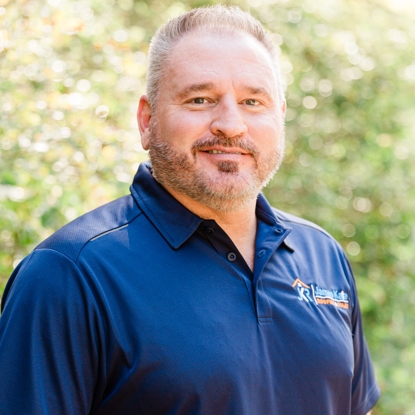
Dustin Eatman is a seasoned roofing professional with deep, hands-on expertise that spans residential and commercial roofing, insurance solar, and long-term roof asset management. As the owner of James Kate Roofing & solar in the Dallas–Fort Worth metroplex, he’s built a reputation for diagnosing roof systems accurately, communicating clearly, and executing projects with a high standard of workmanship and documentation. Dustin understands the technical details that make roofs perform—proper underlayment selection, slope and drainage considerations, ventilation strategy, flashing and penetration detailing, and manufacturer-specific installation requirements—because he’s worked through the real-world challenges that cause leaks, premature wear, and warranty issues. He’s equally fluent in the operational side of roofing: jobsite planning, quality control, safety, material ordering, crew coordination, and customer experience from inspection to closeout. In insurance-related projects, Dustin brings practical knowledge of claim workflows, adjuster meetings, scope alignment, supplements, and the importance of photo evidence and thorough records, helping property owners navigate stressful situations with confidence. For commercial clients—especially property and facility managers—he emphasizes proactive maintenance and targeted repairs that reduce disruption, extend roof life, and prevent expensive interior damage. Dustin also stays focused on doing things the right way: educating customers on realistic options, setting expectations, and prioritizing solutions that hold up over time rather than quick fixes. That blend of technical skill, field experience, process discipline, and owner-level accountability is what makes Dustin Eatman a trusted expert in the roofing industry.