
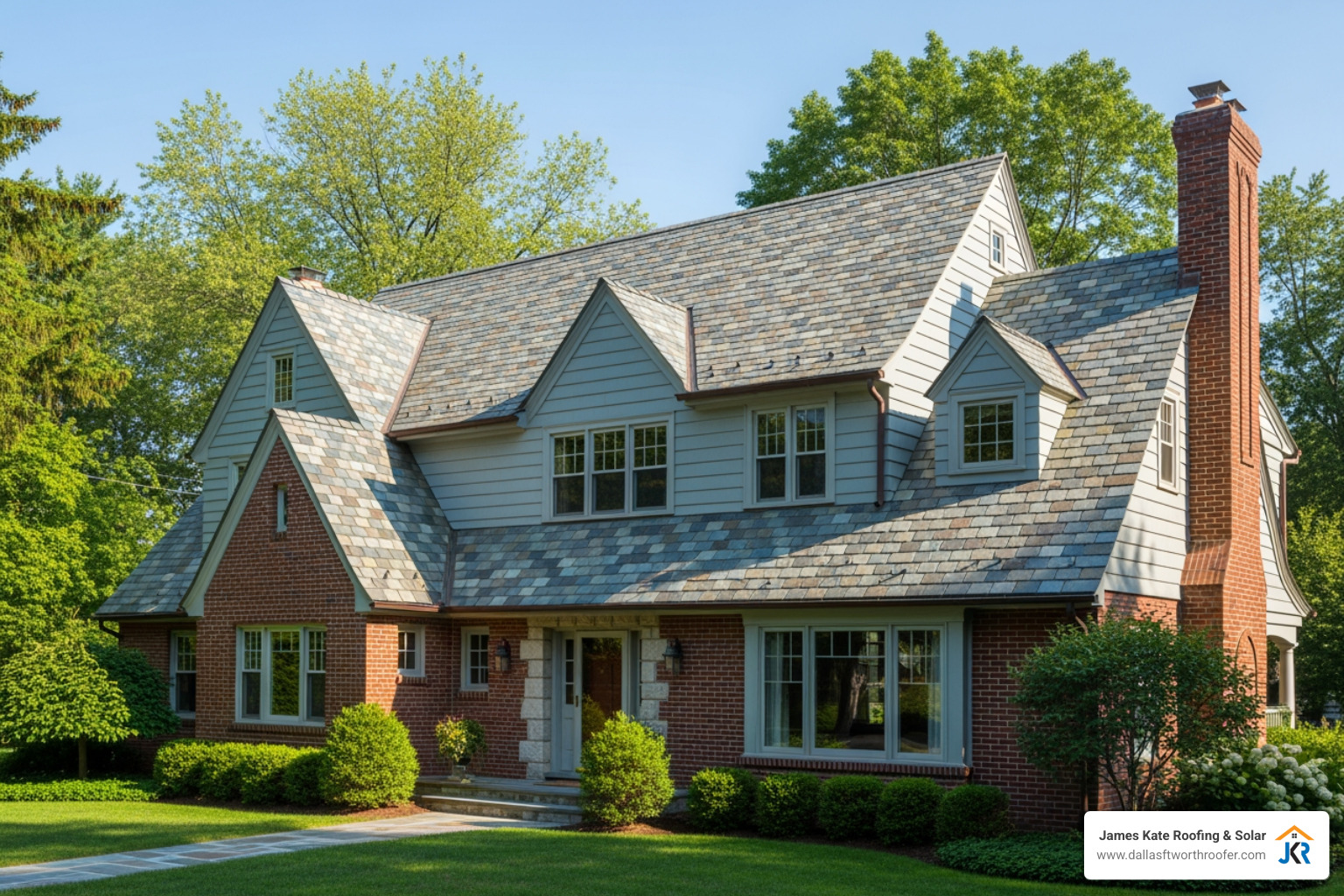
Is your Dallas-Fort Worth home feeling drafty, stuffy, or oddly humid, even when the weather outside is mild? If you’ve noticed higher energy bills, cold spots, or condensation on your windows, you’re not alone. Many local homeowners overlook the importance of Texas roof ventilation and insulation, especially during our unpredictable winters. Even though North Texas doesn’t get the deep freeze of northern states, the right attic ventilation and insulation are key to year-round comfort, energy efficiency, and roof health.
As your local experts at James Kate Roofing & Solar, we want to help you understand how these systems work together and what warning signs to watch for, so you can keep your home cozy, dry, and protected this winter.
Why Texas Roof Ventilation Matters, Even in Mild Winters
You might wonder if attic and roof ventilation are really that important in Texas, especially when our winters are more about chilly mornings than blizzards. The answer is yes, proper attic ventilation isn’t just for cold climates. In the unique climate of DFW, where winter days can swing from freezing to 70 degrees, ventilation does important work year-round.
Here’s Why Good Ventilation Is Essential in Texas Winters:
- Prevents Moisture Build-Up: Even when it’s cool outside, warm air from your home rises into the attic, carrying moisture. If this air can’t escape, it condenses on cold surfaces, leading to mold, mildew, or even wood rot.
- Reduces Energy Bills: Without proper ventilation, your attic can trap heat in the winter. This might sound good, but it actually makes your HVAC system work harder to regulate indoor temperatures, driving up energy costs.
- Extends Roof Life: Trapped moisture and uneven temperatures can damage your roof decking, shingles, and insulation, meaning more repairs and a shorter roof lifespan.
- Prevents Ice Damming: While rare in DFW, sudden cold snaps combined with poor ventilation can cause ice dams. These block melting snow and water, leading to leaks.
A balanced approach to Texas roof ventilation protects your home from all of these risks, even during our “easy” winters.
How Ventilation and Insulation Work Together (Not Against Each Other)
A common misconception is that attic insulation and ventilation are opposites, that one keeps hot air in, while the other lets it out. In reality, they work as a team to keep your home comfortable and efficient.
Here’s How the Partnership Works:
- Insulation acts like a blanket, stopping heat from escaping your living space into the attic. This keeps your home warmer in winter and cooler in summer.
- Ventilation allows excess heat and moisture to leave the attic. This prevents humidity, mold, and temperature extremes that can damage your roof and insulation.
Think of it like this: insulation keeps conditioned air where you want it, while ventilation lets your attic “breathe” so trapped moisture doesn’t build up. You need both systems working together for a healthy home and roof.
Signs Your Roof Ventilation or Insulation Isn’t Up to Par
Not sure if your current system is doing its job? Watch for these common warning signs that Dallas-Fort Worth homeowners often overlook:
1. High Energy Bills
If your heating costs are rising, despite mild weather, it could mean your attic is letting heat escape or trapping too much warm air.
2. Uneven Temperatures
Are some rooms much colder or hotter than others? Poor attic insulation or blocked soffit vents can create cold spots and hot zones.
3. Condensation on Windows
Moisture collecting on windows, especially in bedrooms or living areas, often points to humidity issues caused by poor attic ventilation.
4. Musty or Damp Smells
A musty odor in your attic or upstairs rooms may signal mold or mildew, both of which thrive in damp, poorly ventilated spaces.
5. Ice or Frost in the Attic
On rare winter mornings, you might find frost on roofing nails or wood beams in the attic. This is a clear sign that warm, moist air is condensing and freezing, often due to a lack of exhaust ventilation.
6. Visible Mold or Mildew
Dark spots, fuzzy growth, or staining on attic rafters, insulation, or roof decking should never be ignored.
7. Sagging or Wet Insulation
Insulation that feels damp, compressed, or is visibly sagging means moisture is getting in and not escaping.
If you notice any of these issues, it’s a good idea to reach out for a professional assessment before the problems worsen.
What Does Proper Texas Roof Ventilation Look Like?
Getting ventilation right isn’t just about slapping a few vents on your roof. It’s about balance, making sure air can flow in and out efficiently.
Key Elements of a Well-Ventilated DFW Attic:
1. Balanced Intake and Exhaust Vents
- Intake Vents: Usually located under the eaves or soffits, these let cool, dry air into the attic. Soffit vents are the most common and effective for homes in North Texas.
- Exhaust Vents: Installed near the roof ridge or peak, these allow warm, moist air to escape. Ridge vents and box vents are popular options.
A balanced system means the amount of air coming in matches the amount leaving, creating constant airflow without drafts or dead spots.
2. Clear Vent Pathways
Vents can easily get blocked by insulation, debris, or even animal nests. Proper installation ensures air can move freely from the soffit to the ridge.
3. Adequate Vent Area
Building codes and best practices recommend about 1 square foot of vent area for every 300 square feet of attic space (with a vapor barrier), split evenly between intake and exhaust.
4. Properly Installed Roof Insulation
Insulation should never cover soffit vents. Baffles (small barriers) can be used to keep insulation away from intake vents, ensuring air can still flow into the attic.
5. Sealed Attic Floor
Air leaks from your living space (around light fixtures, attic hatches, or ductwork) should be sealed. This keeps warm, moist air from sneaking into the attic and causing condensation.
Texas-Specific Considerations for Roof Ventilation and Insulation
DFW’s climate brings its own set of challenges for attic ventilation and insulation:
- Temperature Swings: We can go from 30 to 75 degrees in a single week. Your attic needs to handle both warm and cool air efficiently.
- Humidity: Even in winter, humidity levels can be high, especially after rain. Good attic ventilation is your best defense against moisture-related roof issues.
- Occasional Ice or Snow: While rare, ice storms can create unique problems for attics with poor airflow, such as ice dams or frost buildup.
Because of these factors, North Texas homes benefit from attic systems designed for our unique weather, not just generic solutions.
Simple Steps to Improve Your DFW Home’s Roof Ventilation and Insulation
You don’t have to overhaul your entire attic to get better results. Here are some practical ways to boost comfort and energy efficiency:
1. Check for Blocked Soffit Vents
Look under your eaves for soffit vents, and make sure they’re not covered by insulation or paint. If you can’t see daylight coming through, they may be blocked.
2. Inspect for Proper Ridge or Roof Vents
Stand back from your home and look for continuous ridge vents or box vents near your roof’s peak. If you don’t have visible exhaust outlets, your attic may not be venting properly.
3. Assess Your Insulation
Peek into your attic. Insulation should be fluffy and dry, not matted or damp. If you can see the tops of your attic rafters, you probably need more insulation.
4. Look for Signs of Moisture
Scan for dark stains, mold, or water marks on rafters and insulation. These are red flags for poor ventilation.
5. Schedule a Professional Attic Assessment
A local expert like James Kate Roofing & Restorationcan safely inspect your attic, measure your insulation, and check your ventilation system for free. You’ll get honest recommendations tailored to DFW homes, not a sales pitch.
Frequently Asked Questions About Roof Ventilation & Insulation in DFW
Do Mild Texas Winters Really Cause Condensation or Mold Problems?
Yes, absolutely. Our warm homes can push moist air into cold attics, especially on chilly mornings. Without good ventilation, this moisture condenses and creates a breeding ground for mold, even if outdoor temperatures are above freezing.
How Much Insulation Does My Texas Attic Need?
Energy Star recommends at least R-38 (about 13-14 inches of fiberglass or cellulose) in DFW attics. The right amount depends on your home’s age and construction.
Will Adding More Vents Make My Home Too Cold in Winter?
No. Proper ventilation keeps your attic the same temperature as the outdoors, which actually prevents problems like ice dams, condensation, and heat loss. Insulation, not ventilation, keeps your living space warm.
Can I Fix Ventilation Problems Myself?
You can often spot blocked vents or low insulation, but fixing ventilation issues usually means working on your roof or attic. It’s safest to get a professional assessment, especially to avoid damaging your roof or making the problem worse.
Why Trust James Kate Roofing & solar for Your Texas Roof Ventilation Needs?
As a family-owned DFW roofing company with over 15 years of local experience, we understand exactly what North Texas homes need for year-round comfort. Our team doesn’t just install roofs, we help you understand how every part of your roofing system, from attic insulation to ridge vents, works together to protect your investment.
We’ll never recommend unnecessary upgrades. Instead, we give honest advice based on what’s right for your home, your budget, and our unique Texas climate.
Ready for a Warmer, Drier, and More Efficient Home This Winter?
If you’re tired of high energy bills, uneven temperatures, or indoor moisture, don’t wait for the next cold snap to take action. The right balance of Texas roof ventilation and insulation can make all the difference for your comfort and your roof’s life.
Get in touch with James Kate Roofing & solar for a free, no-obligation attic and roof assessment. We’ll help you spot hidden issues, explain your options in plain English, and make sure your home is ready for whatever DFW’s wild winter weather brings.
Your home deserves the best in comfort, efficiency, and protection, all year long. Let’s make sure your roof is ready for Texas winters, the smart way.
