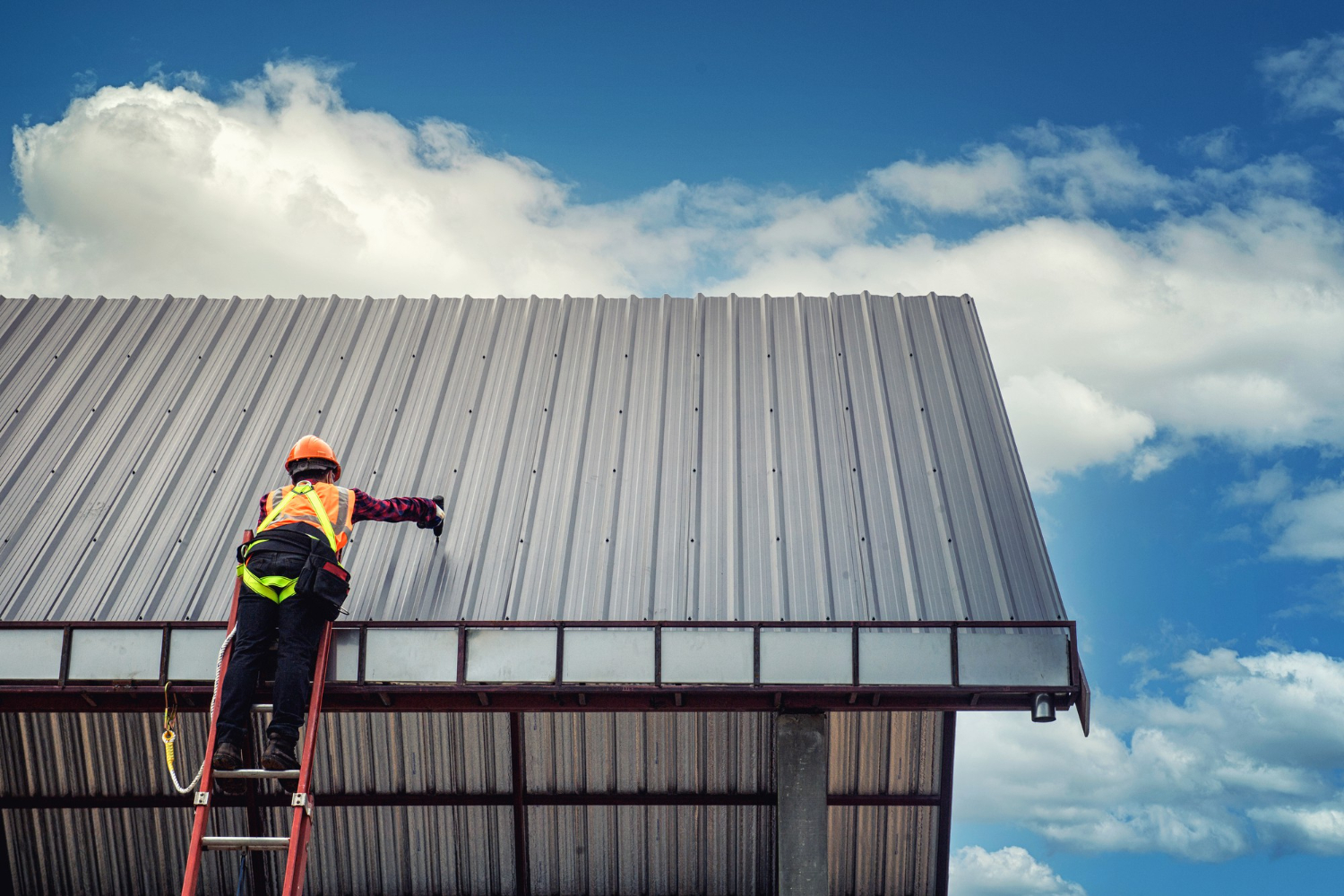
Your roof is one of the most important parts of your home. It shields you from the elements, keeping your family safe and warm. However, it can sometimes be easy to forget about when problems aren’t immediately visible. Routine roof inspections play a crucial role in maintaining the health and safety of your home.
Early Detection of Problems
Regular roof inspections are vital for catching issues before they escalate into major problems. One of the key benefits involves identifying small leaks early. These leaks might start as a minor annoyance but can quickly lead to water damage, mold growth, or structural issues if ignored. By spotting leaks early, you can tackle them right away, preventing costly repairs and further home damage.
Another important aspect of inspections is checking for wear and tear on shingles. Shingles protect your roof from weather-related elements, like rain, wind, and hail. Over time, they can crack, curl, or become dislodged. Routine inspections let you spot these signs of wear and tear early, allowing you to replace or repair affected shingles before your roof’s integrity is compromised.
During an inspection, look for:
- Cracked or Missing Shingles: Can lead to leaks and further damage.
- Granule Loss: Often seen in gutters, indicating shingle aging.
- Moss or Algae Growth: Retains moisture and weakens shingles.
By focusing on early detection, you maintain your roof’s health, cut down repair costs, and ensure your roof remains a sturdy barrier against the elements.
Extending Roof Lifespan
Routine roof inspections and timely maintenance significantly contribute to extending the lifespan of your roof. Consistent care allows homeowners to address minor issues through regular maintenance and repairs, ensuring the roof remains robust over time. This not only enhances the roof’s durability but also contributes to the overall safety of the home.
Scheduled maintenance helps prevent premature aging of your roof. Weather conditions can accelerate the aging process, causing materials to wear out faster. Regular inspections identify areas prone to aging, allowing you to take preventive measures that protect the roof’s materials, thus prolonging its life.
Proper care might involve:
- Cleaning Debris: Removes elements that trap moisture and cause damage.
- Repairing Minor Damages: Small fixes now prevent big issues later.
- Applying Protective Coatings: Shields materials from sun damage and moisture.
By taking these steps, you can ensure your roof lasts as long as possible, providing ongoing protection without the need for frequent replacements. This proactive approach saves you money and keeps your home secure under a dependable roof.
Cost Efficiency
Regular roof inspections are a smart way to save money. They help you avoid expensive future repairs by catching issues early. A small crack today can become a costly replacement tomorrow if ignored. By investing a little time and effort into routine checks, you reduce the risk of major damage that leads to hefty repair bills.
Moreover, inspections can maximize your insurance benefits. Many insurance providers require regular maintenance records to process claims for roof damage. By documenting your inspections and any maintenance performed, you ensure better coverage when needed. This proactive approach helps when filing a claim, making the process smoother and potentially more beneficial.
Consider these cost-saving strategies:
- Routine Checks: Schedule inspections twice a year.
- Document Findings: Keep a log of problems and repairs.
- Stay Informed: Understand what your insurance covers before you need it.
These practices help you keep repair costs low, making your roof inspections a valuable investment in your home’s financial health.
Ensuring Safety and Peace of Mind
A well-maintained roof plays a crucial role in keeping your home safe. Regular inspections protect your home and family by ensuring the roof remains strong and reliable. Addressing issues before they escalate ensures the roof continues to shield your living space from harsh weather.
Inspections also provide confidence during severe weather. Knowing your roof has been checked and reinforced gives you peace of mind when storms loom. You can trust that it will protect you, helping reduce anxiety and stress. Keeping your home safe under a sturdy roof is invaluable for any homeowner.
To enhance safety and security:
- Schedule Regular Inspections: Catch issues before they worsen.
- Prepare for Severe Weather: Reinforce weak points ahead of storms.
- Focus on Family Safety: Prioritize a secure, reliable home environment.
By maintaining your roof’s integrity, you ensure it remains a dependable fixture, offering continuous protection and peace of mind for you and your loved ones.
Conclusion
Routine roof inspections are essential for maintaining the integrity and longevity of your roof. By regularly assessing your roof, you catch potential issues early and take the necessary steps to extend the roof’s lifespan. Preventive care lowers repair costs and maximizes insurance benefits, offering financial advantages in the long run.
Beyond the monetary benefits, roof inspections play a vital role in keeping your home secure. Ensuring your roof is in good condition provides confidence and peace of mind, especially during severe weather conditions. It’s about taking proactive steps to protect what matters most: your home and family.
Whether you need guidance on routine inspections or suspect your roof needs attention, James Kate Roofing & Sola is here to help. Let our experienced team ensure your roof is in top shape all year round. Contact our roofing contractors today to schedule your roof inspection and stay ahead of unexpected weather challenges.
