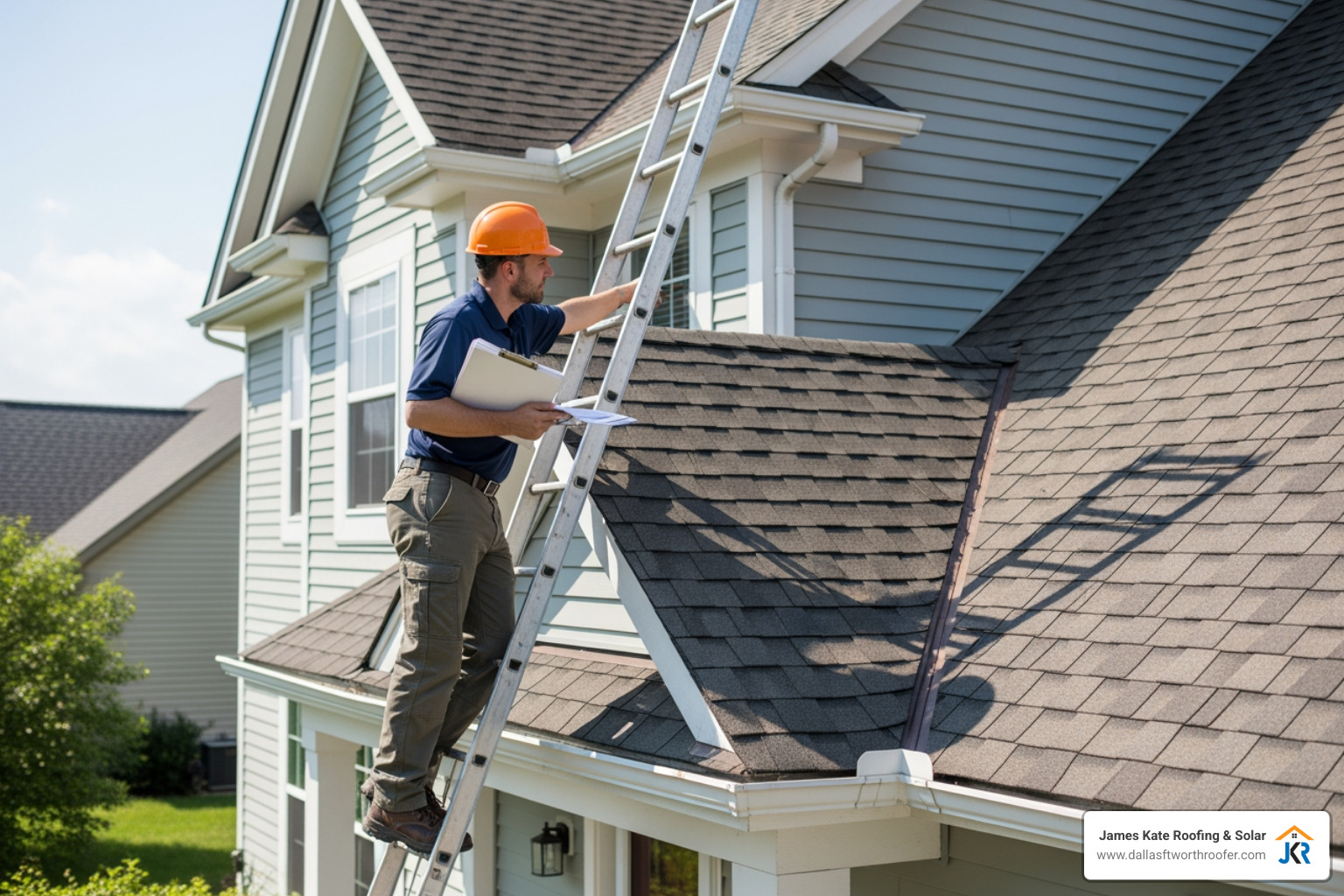
Why a Solid Roof Fix Matters More Than You Think
A roof fix is one of those home repairs that often starts small—a water stain on the ceiling, a few missing shingles after a storm, or a mysterious drip during heavy rain. But here’s the thing: ignoring even minor roof damage can quickly spiral into expensive structural problems, mold issues, and compromised safety for your family or business.
Quick Answer: What is a Roof Fix?
A roof fix is any repair made to your roofing system to stop leaks, replace damaged materials, or restore its protective function. Common roof fixes include:
- Replacing missing or cracked shingles to prevent water intrusion
- Sealing leaks around vents, chimneys, or flashing
- Repairing damaged flashing that causes water to seep into the structure
- Patching holes or tears in roofing membrane or underlayment
- Fixing structural issues like sagging decking or broken rafters
Most roof fixes fall into three categories: minor repairs (around $500), moderate repairs ($500–$1,000), and major repairs ($1,000–$3,500). Catching problems early is crucial—delaying a simple $500 repair can easily turn into a $5,000+ disaster.
Your roof is your home’s first line of defense against the elements. In the Dallas–Fort Worth area, where we face everything from punishing summer heat to sudden hailstorms and high winds, keeping your roof in good shape isn’t optional—it’s essential for protecting your investment and your peace of mind.
The good news? Many roof problems are fixable if you catch them early. Whether it’s a small patch job or a more involved repair, understanding what’s happening on your roof and knowing when to call in help can save you thousands of dollars and prevent serious headaches down the line.
I’m Dustin Eatman, owner of James Kate Roofing & solar, and I’ve spent years diagnosing and repairing roofs across the DFW metroplex—from simple shingle replacements to complex insurance claims and emergency storm repairs. In this guide, I’ll walk you through everything you need to know about effective roof fix strategies, so you can protect your home and make informed decisions.
Spotting the Signs & Understanding the Causes of Roof Damage
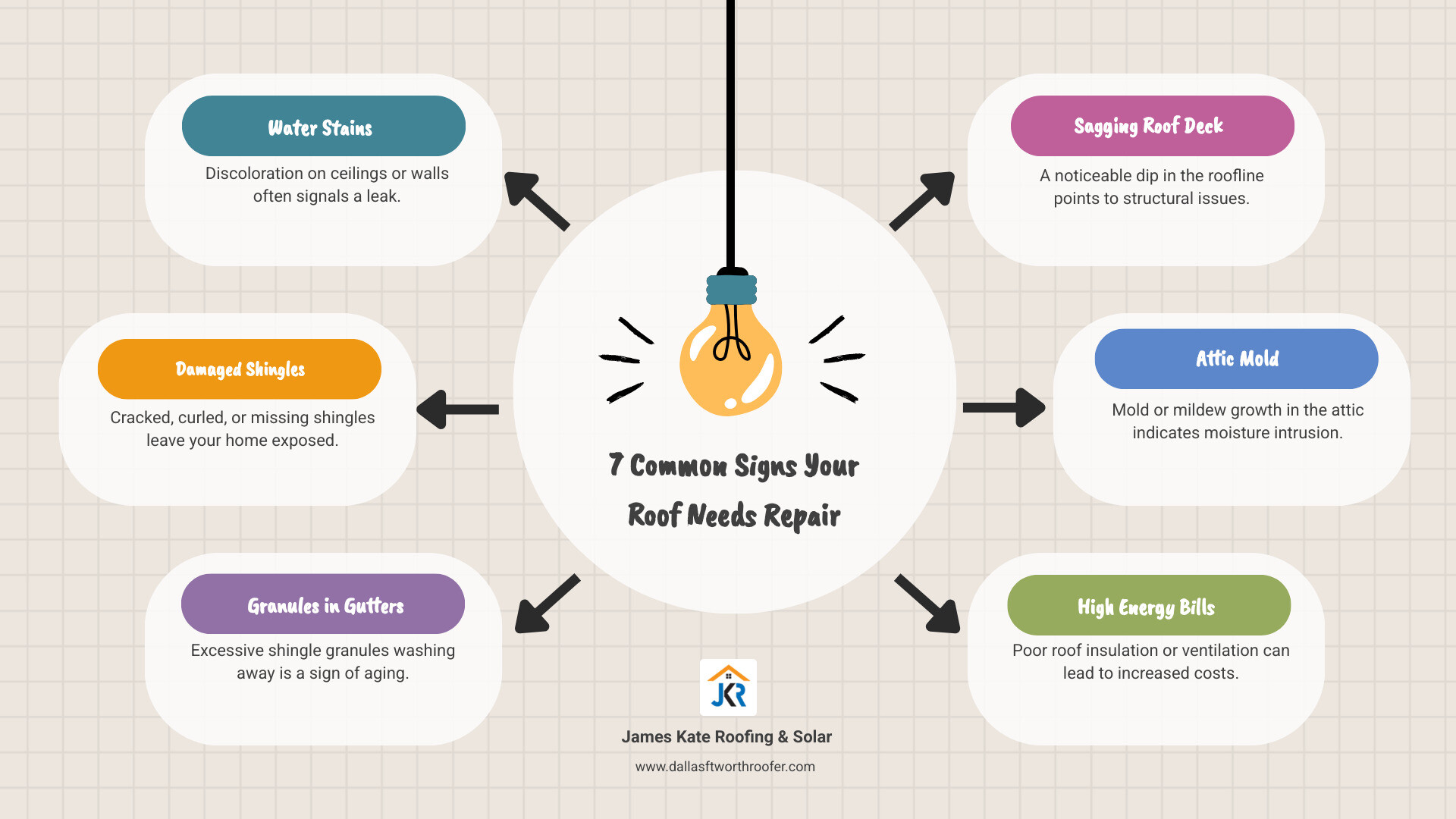
Our homes work hard to protect us, and sometimes, they need a little TLC in return. The first step to any successful roof fix is knowing what to look for. Often, your roof will give you subtle hints that something isn’t quite right before a major problem erupts. Here are the most common signs and causes of roof damage we see across DFW:
- Water Stains & Mold: Brownish spots on your ceiling or mold in your attic are tell-tale signs of a leak. Persistent moisture from a leak or poor ventilation can cause mold, which is a health hazard.
- Sagging Ceiling or Roof Deck: A sagging ceiling indicates that water has accumulated, potentially rotting the roof decking. This is a serious sign of structural damage that needs immediate attention.
- Damaged or Missing Shingles: After a storm, check for shingles that are missing, cracked, curled, or blistering. These damaged areas are prime entry points for water. A shingle roof is your primary shield.
- Granules in Gutters: An excessive amount of asphalt shingle granules in your gutters means your shingles are deteriorating and losing their protective coating.
- Faulty Flashing: Flashing—the metal strips around chimneys, vents, and valleys—is a common source of leaks. If it’s cracked, bent, or improperly installed, water can seep in.
- Clogged Gutters: When gutters are clogged, water can back up under your shingles and seep into your roof decking or fascia boards, causing rot and leaks.
- Storm and Animal Damage: DFW’s severe weather can lift shingles and create punctures from debris. Critters like squirrels and raccoons can also chew through roofing materials, creating holes.
- Old Age: Every roof has a lifespan. Composition shingles last 10-20 years, while asphalt shingles can last 15-30 years. An older roof will naturally be more prone to issues.
Understanding these issues is the first step toward a successful roof fix. For more details, explore our insights on residential roof repairs or GAF’s Homeowner’s Guide to addressing leaks.
How to Find the Source of a Roof Leak
Pinpointing a leak can be tricky, as water often travels from the entry point. Here’s a quick guide:
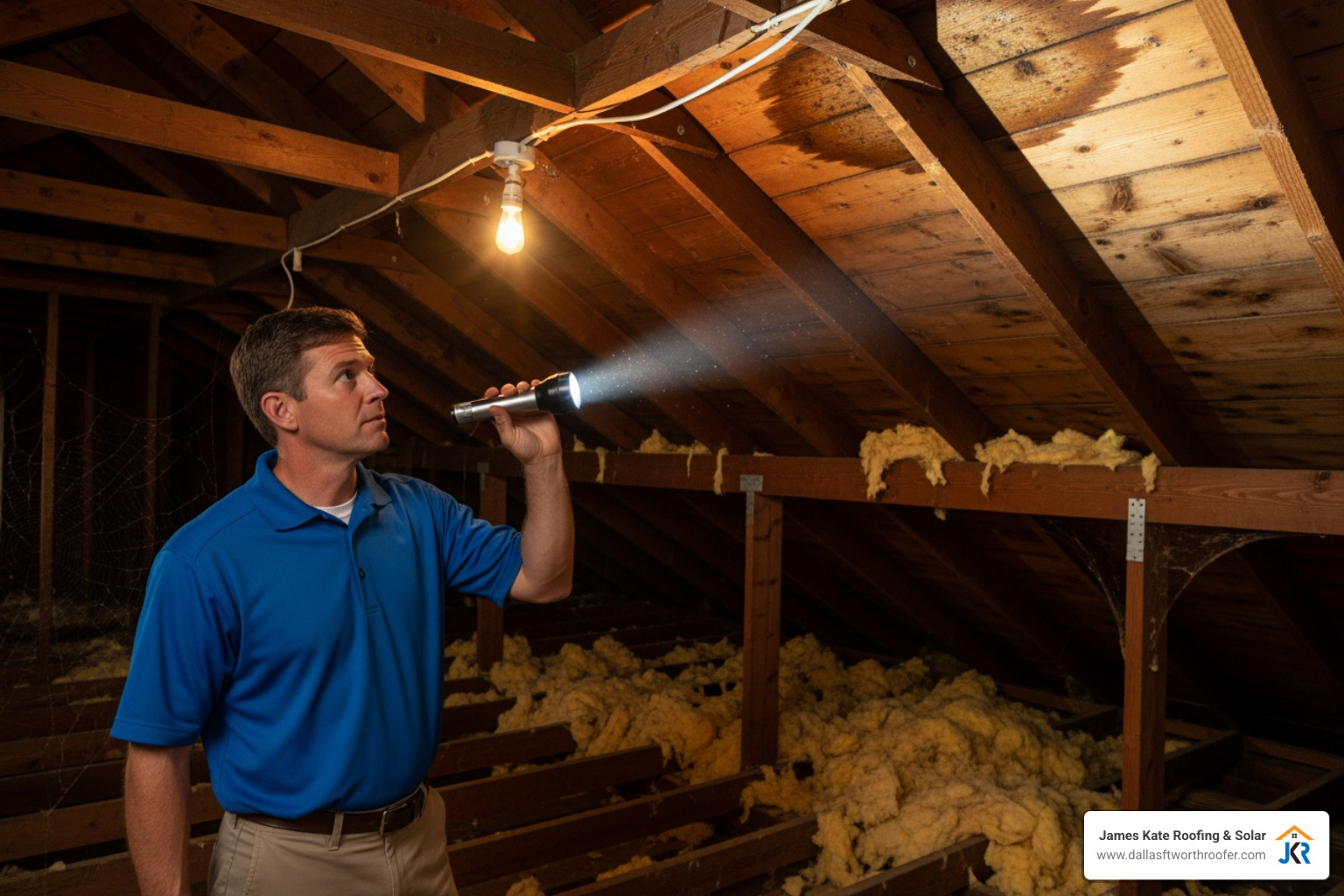
- Start in the Attic: With a flashlight, look for water stains, mold, or wet spots on the underside of your roof decking. The leak on the roof’s exterior is likely “uphill” from the stain you see inside.
-
Use a Water Hose: With a helper inside watching for drips, go on the roof and soak areas with a garden hose, starting low and moving up. This helps simulate rain to find the entry point.
-
Check Roof Penetrations: Most leaks occur where something penetrates the roof. Inspect the flashing and seals around vents, chimneys, and skylights for any cracks or gaps.
-
Follow Water Trails: In the attic, look for discoloration streaks on the decking or insulation that can lead you directly to the source of the leak.
Your Step-by-Step Guide to a Basic Roof Fix
We understand the urge to tackle a roof fix yourself, especially for minor issues. While some basic repairs are possible for a homeowner, safety must always be your top priority.
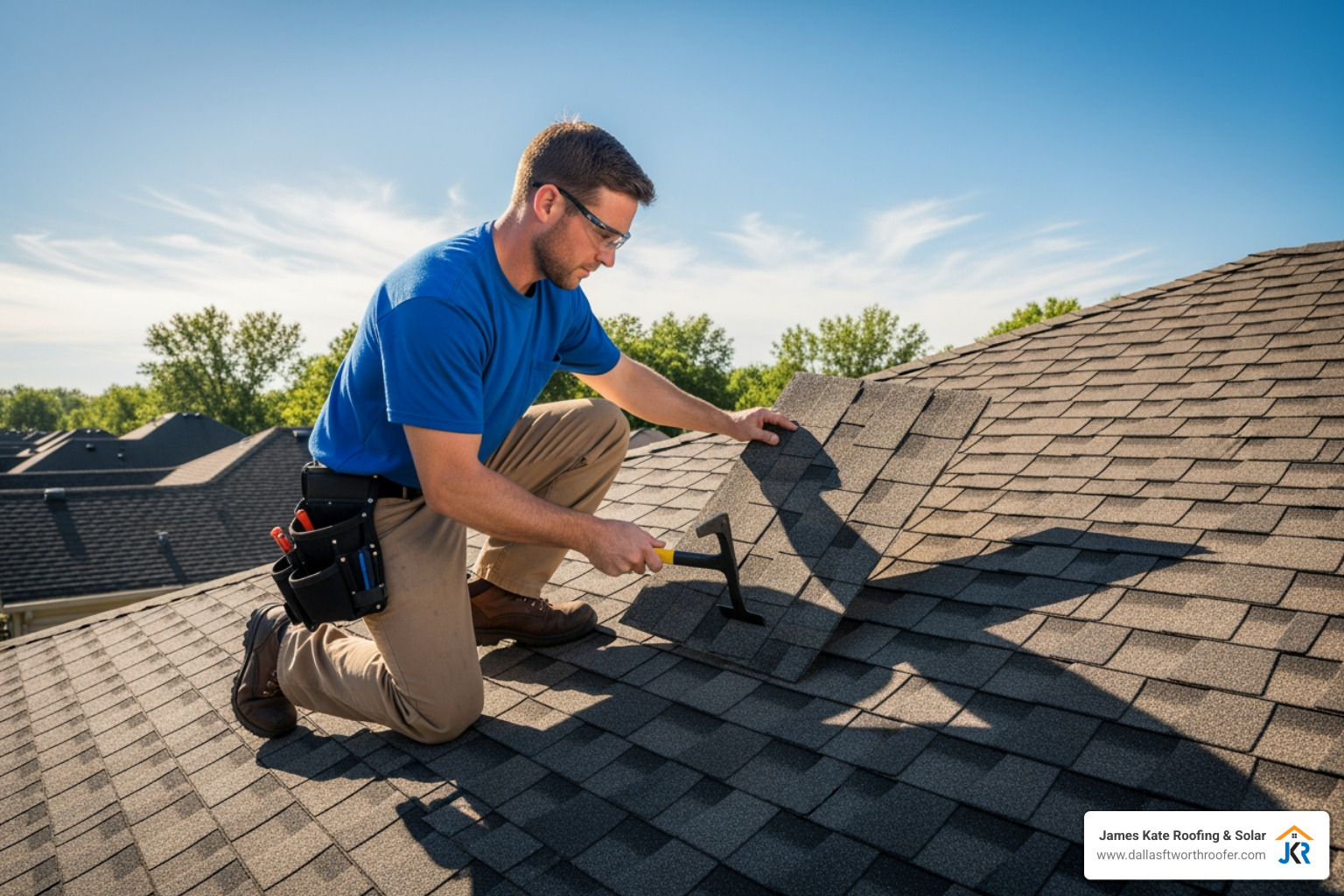
Safety Precautions
Before climbing onto your roof, take these essential safety steps:
- Assess the Weather: Never work on a wet, icy, or windy roof. Choose a warm, dry day for the safest conditions.
- Use a Sturdy Ladder: Your ladder should extend at least three feet above the roofline and be placed on a firm, level surface.
- Wear Proper Footwear: Non-slip, soft-soled boots provide the best traction and protect your roof.
- Use Fall Protection: For steep roofs, a Personal Fall Arrest System (PFAS) is highly recommended. Review OSHA safety regulations for detailed guidelines.
- Work with a Buddy: Always have someone present for safety and assistance.
Common DIY Roof Fix Techniques
For minor issues, you might handle a quick roof fix yourself:
- Reattaching Curled Shingles: In warm weather, apply roofing cement under the curled edge, press it down, and seal the edges with a thin layer of cement.
- Patching Cracked Shingles: Apply roofing cement under the crack, press the shingle down, and spread another bead over the crack with a putty knife.
- Replacing a Missing Asphalt Shingle:
- Gently lift the shingle row above the gap to expose the nails.
- Use a pry bar to remove the nails from the old asphalt shingle.
- Slide the new shingle into place, aligning it with the others.
- Secure it with new roofing nails under the edge of the shingle above.
- Seal the nail heads with roofing cement for a watertight seal.
- Sealing Gaps Around Vents: Scrape away old sealant, clean the area, and apply a fresh bead of waterproof silicone-based caulk to seal gaps.
- Temporary Leak Patches: In an emergency, apply roofing cement liberally over the leaking area. This is a temporary measure, not a permanent solution.
When to Call a Professional for a Roof Fix
While DIY can be empowering, call a professional for a roof fix when you see:
- Extensive Damage: Multiple missing shingles or large areas of water damage require a pro.
- Structural Issues: A sagging roof deck or broken rafters are serious safety concerns that need an expert.
- Large Leaks: If water is gushing in, you need rapid, professional intervention.
- Safety Concerns: If you’re uncomfortable with heights or lack safety equipment, always call a professional. Your safety is paramount.
- Insurance Claims: A professional roofer can help steer the complex insurance claim process. For urgent situations, contact us for emergency roof repair services.
Repair or Replace? Making the Right Decision
This is often the million-dollar question homeowners face: is a roof fix enough, or do I need a full roof replacement? The answer depends on several factors, and making the right call can save you a lot of money and stress in the long run.
Here’s how we generally approach this decision:
- Age of the Roof:
- Repair: If your roof is relatively new (e.g., asphalt shingles under 10-15 years old) and the damage is localized, a repair is almost always the best option.
- Replace: If your roof is nearing or past its expected lifespan (e.g., asphalt shingles 20+ years old), even a small leak might indicate widespread deterioration. In this case, a replacement could be more cost-effective in the long run than continuous repairs. Metal roofs, for instance, can last 50-75 years, while asphalt shingles are typically 15-30 years.
- Extent of Damage:
- Repair: A few missing shingles, a small leak around a vent, or minor flashing damage are perfect candidates for a targeted roof fix.
- Replace: If the damage is widespread (affecting more than 25-30% of the roof), if there’s significant structural damage (like a sagging deck), or if multiple areas are leaking, replacement often makes more sense. Trying to patch a severely compromised roof is like putting a band-aid on a broken bone.
- Cost-Benefit Analysis:
- Repair: A minor roof repair typically costs between $150 and $450. It’s a cost-efficient solution for isolated problems.
- Replace: A full roof replacement is a significant investment (often $10,000+). However, if repairs are frequent and costly, adding up to a substantial percentage of a new roof’s cost, replacement offers a fresh start, a new warranty, and peace of mind. Delaying a $500 repair today could lead to a $5,000 expense later.
- Future Problems:
- Repair: A well-executed roof fix extends your roof’s life and prevents immediate issues.
- Replace: A new roof eliminates the risk of recurring problems for decades, often comes with robust manufacturer and workmanship warranties, and can increase your home’s value and curb appeal.
We always provide honest recommendations based on our inspection, helping you understand the pros and cons of both options. Our goal is to find the best solution for your home and budget. For more detailed information on when a full replacement might be necessary, visit our page on roof replacement and installation.
Proactive Care: Preventing Future Roof Problems
An ounce of prevention is truly worth a pound of cure, especially when it comes to your roof! Regular maintenance can significantly extend the life of your roof and help you avoid costly emergency repairs. We always tell our DFW clients that proactive care is the best roof fix strategy.
Here’s how you can perform regular roof maintenance to prevent future leaks:
- Regular Inspections: We recommend inspecting your roof at least twice a year, ideally in the spring and fall, and always after a major storm. You can do a visual check from the ground with binoculars, looking for missing, cracked, or curled shingles, damaged flashing, or debris. If you have attic access, check for water stains or signs of moisture. For asphalt, composite, or wooden shingle roofs, a professional inspection every three years is a good idea. For tile roofs, every five years.
- Gutter Cleaning: Clogged gutters are a leading cause of roof and foundation problems. Clean them regularly, especially after leaves fall or heavy winds. This ensures water flows freely away from your roof and home. If you have gutter guards, check them periodically for blockages.
- Trimming Overhanging Tree Branches: Tree branches that hang over your roof can scratch shingles, drop debris that clogs gutters, and even fall during storms, causing severe damage. Trim them back to prevent these issues.
- Snow and Ice Removal (When Applicable): While DFW doesn’t see heavy snow often, during rare winter storms, snow and ice can accumulate. If ice dams form (ridges of ice at the roof edge), carefully remove them or consider professional help to prevent water from backing up under shingles.
- Professional Roof Maintenance Plans: For busy homeowners or those who prefer expert care, consider enrolling in a professional roof maintenance plan. We can schedule routine inspections, minor repairs, and cleaning to keep your roof in top shape.
Choosing a Reputable Roofing Contractor
When you need a professional roof fix, choosing the right contractor is crucial. You want someone trustworthy and experienced, especially in the DFW area. Here’s what to look for:
- Licensing and Insurance: Verify the contractor is properly licensed and insured to protect yourself from liability.
- Local Reputation: Look for contractors with a strong local presence and positive reviews from homeowners in Mansfield, Arlington, Granbury, Grand Prairie, or Midlothian, TX.
- Warranties: Ask about both material and workmanship warranties. A reputable contractor stands behind their work. We offer up to a 25-year workmanship warranty because we believe in our quality.
- Checking Reviews: Read online reviews for comments on professionalism, communication, and quality of work.
- Getting Multiple Quotes: Get 2-3 detailed estimates to compare pricing and scope of work. Be wary of quotes that are significantly lower than others.
- Red Flags to Avoid: Be cautious of contractors who use high-pressure tactics, demand full payment upfront, don’t provide a written contract, or refuse to show proof of insurance.
We’re proud of our GAF President’s Club recognition, which speaks to our commitment to honesty, integrity, and top-tier service.
Understanding the Costs of a Professional Roof Fix
“How much will this roof fix cost?” is a common question. Costs vary based on several factors, but here’s a general guide:
- Average Repair Costs: Nationally, minor repairs (like replacing a few shingles) can cost $175-$450. More extensive repairs can range from $400 to $1,000, while major repairs can cost $1,000-$3,500.
- Factors Affecting Price:
- Type and Severity of Damage: A simple patch costs less than fixing widespread water damage that requires replacing decking.
- Roofing Materials: Asphalt shingle repairs are generally less expensive than those for metal or tile roofs.
- Roof Pitch and Complexity: Steep or complex roofs require more safety equipment and time, increasing labor costs.
- Labor Rates: Professional labor rates typically range from $45 to $80 per hour.
- Getting a Detailed Estimate: We always recommend getting a free, no-obligation estimate that clearly outlines the scope of work, materials, and total cost. Don’t hesitate to request a free inspection and estimate through our website.
Frequently Asked Questions about Roof Repair
We get a lot of questions about roof repairs. Here are some of the most common inquiries we receive:
What are the biggest risks of delaying a roof fix?
Delaying even a small roof fix can lead to serious consequences:
- Structural Water Damage: Water can rot your roof decking and framing, leading to expensive, complex repairs.
- Mold and Mildew: Persistent moisture creates a breeding ground for mold, which can cause health problems.
- Compromised Insulation: Wet insulation loses its effectiveness, leading to higher utility bills.
- Increased Repair Costs: A small leak that might cost a few hundred dollars to fix can turn into a multi-thousand-dollar problem if ignored.
- Potential for Collapse: In extreme cases, severe water damage can weaken your roof’s structure to the point of collapse.
It’s always best to address a leak as soon as you notice it.
How long does a typical roof repair take?
The duration of a roof fix depends on the damage:
- Minor Repairs: Simple fixes like replacing a few shingles or sealing a vent can often be done in 1-3 hours.
- Extensive Repairs: Work involving larger sections or replacing decking might take a full day or more, depending on weather and materials.
We always aim to complete repairs as quickly as possible without compromising on quality.
Can I fix my roof myself?
While you might handle a very minor roof fix (like sealing a single curled shingle) with the right safety gear, roofing is inherently dangerous. For your safety and to ensure a proper repair, we strongly recommend calling a professional for anything beyond the simplest patch. This is especially true for large leaks, structural issues, or if you’re uncomfortable with heights. An improper DIY fix can lead to more costly problems.
Conclusion: Secure Your Home and Peace of Mind
Navigating roof repairs can seem daunting, but with the right knowledge and a trusted partner, you can ensure your home remains safe and sound. We’ve seen how a timely roof fix can save homeowners from immense stress and financial burden.
Remember these key takeaways: be vigilant for the early signs of roof damage, understand the common causes of leaks, prioritize safety if attempting minor DIY fixes, and know when to call in the professionals. Choosing between repair and replacement is a critical decision that hinges on your roof’s age and the extent of the damage.
For homeowners in the DFW area, trusting a family-owned company like James Kate Roofing & solar means partnering with a team dedicated to honesty, integrity, and quality workmanship. Our GAF President’s Club recognition and up to a 25-year workmanship warranty are testaments to our commitment to protecting your home and your peace of mind.
Don’t let a small leak turn into a big problem. Be proactive, stay informed, and when in doubt, reach out to the experts. We’re here to help you keep a solid roof over your head. Contact us today for a professional roof inspection and let us help you secure your home’s future.

Dustin Eatman is a seasoned roofing professional with deep, hands-on expertise that spans residential and commercial roofing, insurance solar, and long-term roof asset management. As the owner of James Kate Roofing & solar in the Dallas–Fort Worth metroplex, he’s built a reputation for diagnosing roof systems accurately, communicating clearly, and executing projects with a high standard of workmanship and documentation. Dustin understands the technical details that make roofs perform—proper underlayment selection, slope and drainage considerations, ventilation strategy, flashing and penetration detailing, and manufacturer-specific installation requirements—because he’s worked through the real-world challenges that cause leaks, premature wear, and warranty issues. He’s equally fluent in the operational side of roofing: jobsite planning, quality control, safety, material ordering, crew coordination, and customer experience from inspection to closeout. In insurance-related projects, Dustin brings practical knowledge of claim workflows, adjuster meetings, scope alignment, supplements, and the importance of photo evidence and thorough records, helping property owners navigate stressful situations with confidence. For commercial clients—especially property and facility managers—he emphasizes proactive maintenance and targeted repairs that reduce disruption, extend roof life, and prevent expensive interior damage. Dustin also stays focused on doing things the right way: educating customers on realistic options, setting expectations, and prioritizing solutions that hold up over time rather than quick fixes. That blend of technical skill, field experience, process discipline, and owner-level accountability is what makes Dustin Eatman a trusted expert in the roofing industry.