Understanding Wind Damage and Why Prompt Repair Matters
Wind damage repair is crucial for protecting your home after a storm. Strong winds can harm your roof and property, even at speeds as low as 40 mph. Ignoring this damage can lead to bigger problems later.
Here are the immediate steps you should take after a wind storm:
- Prioritize safety and avoid climbing on your roof.
- Inspect your property from the ground for obvious damage signs.
- Document all damage with clear photos and videos.
- Contact a professional roofing contractor for a thorough assessment.
- Notify your insurance company to start the claims process.
Wind events cause billions of dollars in property damage each year across the United States. Even moderate winds can loosen shingles, making your home vulnerable to water leaks and further structural issues. Acting quickly can save you time, money, and stress.
As Dustin Eatman, owner of James Kate Roofing & Solar, I bring experience in residential and commercial roofing, including expert wind damage repair. My focus is on accurate diagnosis and high-quality solutions to protect your property investment.

Basic Wind damage repair terms:
Identifying Common Signs of Wind Damage
In the DFW area, we aren’t strangers to sudden, violent gusts. Whether it’s a spring thunderstorm in Mansfield or a late-season front moving through Arlington, wind doesn’t just blow—it creates a complex dance of pressure around your home. When high-speed air hits your house, it creates direct pressure on the windward side and a powerful suction effect, known as uplift or leeward suction, on the opposite side. This suction is often what actually “lifts” your shingles or peels back your siding.

Before you assume your roof is fine just because it didn’t “take flight” like the house in The Wizard of Oz, you need to assess the situation carefully. Sometimes the damage is subtle, but even small openings allow North Texas rain to seep into your decking, leading to rot and mold.
Here are the exterior warning signs we look for during an inspection:
- Missing or Lifted Shingles: If you see gaps in your roof’s “armor” or shingles that look like they are trying to stand up, you have a problem.
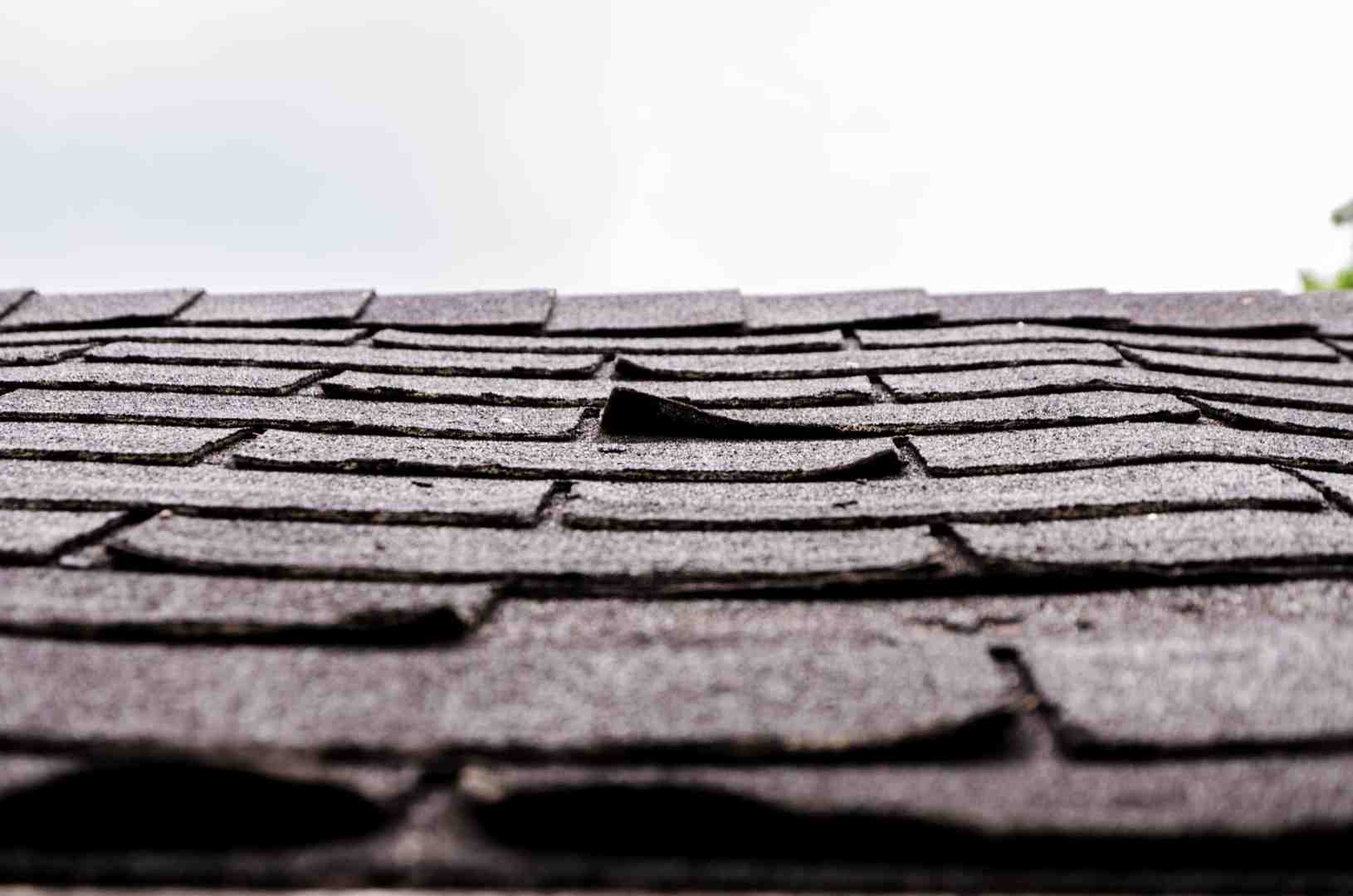
- Creased Shingles: This is a classic sign of wind damage. The wind lifts the shingle, folds it back, and then lets it fall. This creates a permanent crease where the granules have broken off, leaving the fiberglass mat exposed.
- Granule Loss: Check your gutters. If they look like they’re filled with coffee grounds, those are actually the protective granules from your shingles. Wind accelerates this loss, shortening your roof’s lifespan.
- Damaged Flashing: Wind can pull the metal flashing away from chimneys, vents, and roof-wall junctions.
- Daylight in the Attic: If you go into your attic during the day and see pinpricks of light coming through the roof deck, that’s a direct path for water.
For more detailed information on how we handle these issues, check out our residential roofing services.
Impact on Different Roofing Materials
Not all roofs react to wind the same way. In Granbury and Grand Prairie, we see a variety of materials, and each has its own “kryptonite” when it comes to storms.
- Asphalt Shingles: These are the most common victims. Wind speeds between 25-35 mph can lift already compromised shingles, while gusts over 60 mph can cause extensive tearing. The most common failure is “fastener pull-through,” where the wind pulls the shingle right over the head of the nail.
- Metal Panels: While metal is incredibly wind-resistant, it isn’t invincible. Extreme gusts can cause panels to shift or fasteners to loosen. If the wind gets under a large panel, it can peel it back like a sardine can lid.
- Clay and Concrete Tiles: These are heavy and usually stay put, but they are brittle. Wind-driven debris can crack them, or high-pressure differentials can dislodge individual tiles, creating a safety hazard for anyone below.
- Flat Roofs (Commercial): On commercial buildings in Midlothian, wind can cause membrane punctures or seam separation. If the wind gets under the edge of a flat roof membrane, it can create a “billowing” effect that eventually tears the material away from the substrate.
The 6-Step Process for Professional Wind Damage Repair
When you call us for wind damage repair, we don’t just throw a few nails in and call it a day. We follow a structured process to ensure your home is restored to a condition that’s often better than it was before the storm.
Step 1: Safety First
Before anything else, we ensure the property is safe. This means checking for downed power lines, unstable tree limbs, or structural sagging. We never recommend homeowners climb onto a roof after a storm—let our professionals handle the heights.
Step 2: Ground-Level Documentation
We start by walking the perimeter. We use high-resolution cameras (and sometimes drones for those hard-to-reach spots in Arlington) to document everything. We look for shingles in the yard, dents in gutters, and torn window screens. This documentation is the foundation of your insurance claim.
Step 3: Emergency Mitigation
If there is a hole in your roof, we can’t wait for the insurance adjuster to show up in three days. We perform emergency tarping and board-up services to prevent secondary water damage. We follow strict windstorm inspection procedures to ensure our temporary fixes hold up against the next round of rain.
Step 4: Professional Structural Assessment
Once the “bleeding” is stopped, we do a deep dive. We check the attic for moisture, evaluate the integrity of the roof deck, and look for “nail pops” caused by the roof flexing in high winds. A roof can look fine from the street but have significant structural compromises underneath.
Step 5: Insurance Claim Coordination
Navigating insurance is often the most stressful part for homeowners. We provide a detailed damage report, including photos and material specifications, to your adjuster. We speak their language and ensure nothing is overlooked, from the ridge caps to the drip edge.
Step 6: Permanent solar
Finally, we perform the actual wind damage repair. This includes replacing shingles, repairing flashing, and ensuring the ventilation system is intact. If the damage covers more than 25-30% of the roof, we may discuss a full replacement to ensure long-term stability.
Learn more about our full range of solar services, including water and fire mitigation.
Emergency Tarping and Board-Up
Emergency mitigation is about more than just throwing a blue plastic sheet over a hole. If not done correctly, a tarp can actually cause more damage or blow away in the next gust. We use 2×4 wood bracing to secure tarps without driving unnecessary nails into your good shingles. We also extend tarps over the ridge of the roof to prevent water from running underneath the top edge. This temporary protection is vital for preventing mold growth and protecting your interior belongings.
Navigating Insurance Claims and Documentation
Filing a claim for wind damage repair can feel like learning a second language. In Texas, many policies have moved toward “percentage-based” deductibles for wind and hail. Instead of a flat $500 or $1,000, your deductible might be 1% to 5% of your home’s total dwelling coverage. If your home is insured for $300,000, a 2% deductible means you are responsible for the first $6,000 of repairs.
To make the process smoother, follow this complete guide to wind damage insurance claims:
- Document Everything: Take photos with date stamps. If you find a shingle in your pool, take a picture of it there before you throw it away.
- Keep Receipts: If you bought plywood or tarps at the hardware store to cover a broken window, keep those receipts. Most policies cover “reasonable temporary repairs.”
- Review Your Policy: Look for “Actual Cash Value” (ACV) vs. “Replacement Cost Value” (RCV). RCV policies are much better because they pay for the actual cost of a new roof, whereas ACV subtracts depreciation based on the age of your roof.
If you are a business owner in the DFW area, your needs are slightly different. Check out our commercial roofing services for more on how we handle large-scale claims.
Overcoming Common Claim Challenges
Insurance companies are businesses, and they sometimes deny claims for reasons that can be challenged.
- Gradual Wear and Tear: An adjuster might claim the shingles were already old and brittle. We counter this by showing specific wind-crease patterns that only happen during high-velocity events.
- Partial Denials: They might offer to pay for only one slope of the roof. However, if the matching shingles are no longer manufactured, Texas “Line of Sight” rules or matching requirements may require them to replace the entire roof so it remains uniform.
- Policy Exclusions: Some “cosmetic damage” exclusions try to avoid paying for dents in metal roofs. We help document how those dents actually compromise the protective coating of the metal, leading to rust.
Understanding Repair Costs and Timelines
The cost of wind damage repair varies wildly based on the extent of the storm’s fury. A few blown-off shingles in Grand Prairie is a much different project than a fallen oak tree in Mansfield.
| Repair Type | Estimated Cost | Estimated Timeline |
|---|---|---|
| Minor (Isolated Shingles) | $350 – $700 | 1 Day |
| Moderate (Flashing/Large Sections) | $1,500 – $4,500 | 1–3 Days |
| Severe (Structural/Decking) | $5,000 – $12,000+ | 3–7 Days |
| Full Roof Replacement | $10,000 – $30,000+ | 3–6 Weeks (Total Process) |
Several factors influence these prices:
- Material Matching: If your shingles are discontinued, we have to find the closest match or replace larger sections.
- Roof Pitch: Steeper roofs require more safety equipment and take longer to navigate, increasing labor costs.
- Disposal Fees: Hauling away old debris and damaged materials adds to the bottom line.
If the unexpected cost is a concern, we offer various financing options to help you get your home back in order without breaking the bank.
Upgrading for Future Wind Resistance
When we perform wind damage repair, we always look for ways to make your roof “storm-proof” for the next time.
- 6-Nail Fastening Pattern: Most standard installations use four nails per shingle. We use six, which significantly increases the wind rating of the roof.
- Impact-Resistant Shingles: Upgrading to Class 4 shingles can not only protect you from hail but often qualifies you for a significant discount on your homeowners insurance premiums.
- Sealed Roof Decks: Using a synthetic underlayment and taping the seams of your plywood decking ensures that even if the shingles blow off, the water stays out.
- Hurricane Straps: For older homes in Arlington or Midlothian, we can retroactively install metal straps that better connect your roof rafters to the wall studs.
Frequently Asked Questions about Wind Damage Repair
How quickly should I address wind damage repair?
You should address it immediately. We recommend having a professional inspection within 24–48 hours of the storm. Even if you don’t see a leak yet, wind-damaged shingles can allow moisture to reach the decking. Once the wood gets wet, it can lead to rot, structural weakening, and mold—which is much more expensive to fix than a few shingles.
Does wind damage repair always require a full roof replacement?
Not necessarily. Generally, if the damage is localized to less than 25% of the roof surface and the rest of the roof is in good condition, a repair is sufficient. However, if the roof is over 15 years old or the shingles have become brittle, trying to repair one section might damage the surrounding shingles, making a full replacement the more logical (and insurance-compliant) choice.
What wind speed causes roof damage?
Damage can start at gusts as low as 40–50 mph, especially on older roofs. According to the Beaufort scale, “strong gale” winds (47–54 mph) are enough to threaten shingles. Most quality asphalt shingles are rated for 110–130 mph, but that rating only applies if they were installed perfectly and the sealant strips are still fully bonded. In the real world, 60 mph is often the threshold for significant property damage.
Conclusion
At James Kate Roofing & solar, we understand that your home is more than just a building—it’s your sanctuary. When high winds threaten that safety, you need a team that operates with honesty, integrity, and a commitment to Biblical principles. As a family-owned DFW company and a member of the GAF President’s Club, we provide top-tier craftsmanship backed by up to a 25-year workmanship warranty.
Whether you are in Mansfield, Arlington, Granbury, Grand Prairie, or Midlothian, we are here to help you navigate the aftermath of the storm. From initial water mitigation to the final build-back construction, we handle it all so you don’t have to.
Don’t wait for the next storm to turn a small problem into a disaster. Contact a DFW wind damage expert today for a free, honest assessment of your property. We’ll make sure your roof stays exactly where it belongs—firmly over your head.

Dustin Eatman is a seasoned roofing professional with deep, hands-on expertise that spans residential and commercial roofing, insurance solar, and long-term roof asset management. As the owner of James Kate Roofing & solar in the Dallas–Fort Worth metroplex, he’s built a reputation for diagnosing roof systems accurately, communicating clearly, and executing projects with a high standard of workmanship and documentation. Dustin understands the technical details that make roofs perform—proper underlayment selection, slope and drainage considerations, ventilation strategy, flashing and penetration detailing, and manufacturer-specific installation requirements—because he’s worked through the real-world challenges that cause leaks, premature wear, and warranty issues. He’s equally fluent in the operational side of roofing: jobsite planning, quality control, safety, material ordering, crew coordination, and customer experience from inspection to closeout. In insurance-related projects, Dustin brings practical knowledge of claim workflows, adjuster meetings, scope alignment, supplements, and the importance of photo evidence and thorough records, helping property owners navigate stressful situations with confidence. For commercial clients—especially property and facility managers—he emphasizes proactive maintenance and targeted repairs that reduce disruption, extend roof life, and prevent expensive interior damage. Dustin also stays focused on doing things the right way: educating customers on realistic options, setting expectations, and prioritizing solutions that hold up over time rather than quick fixes. That blend of technical skill, field experience, process discipline, and owner-level accountability is what makes Dustin Eatman a trusted expert in the roofing industry.