
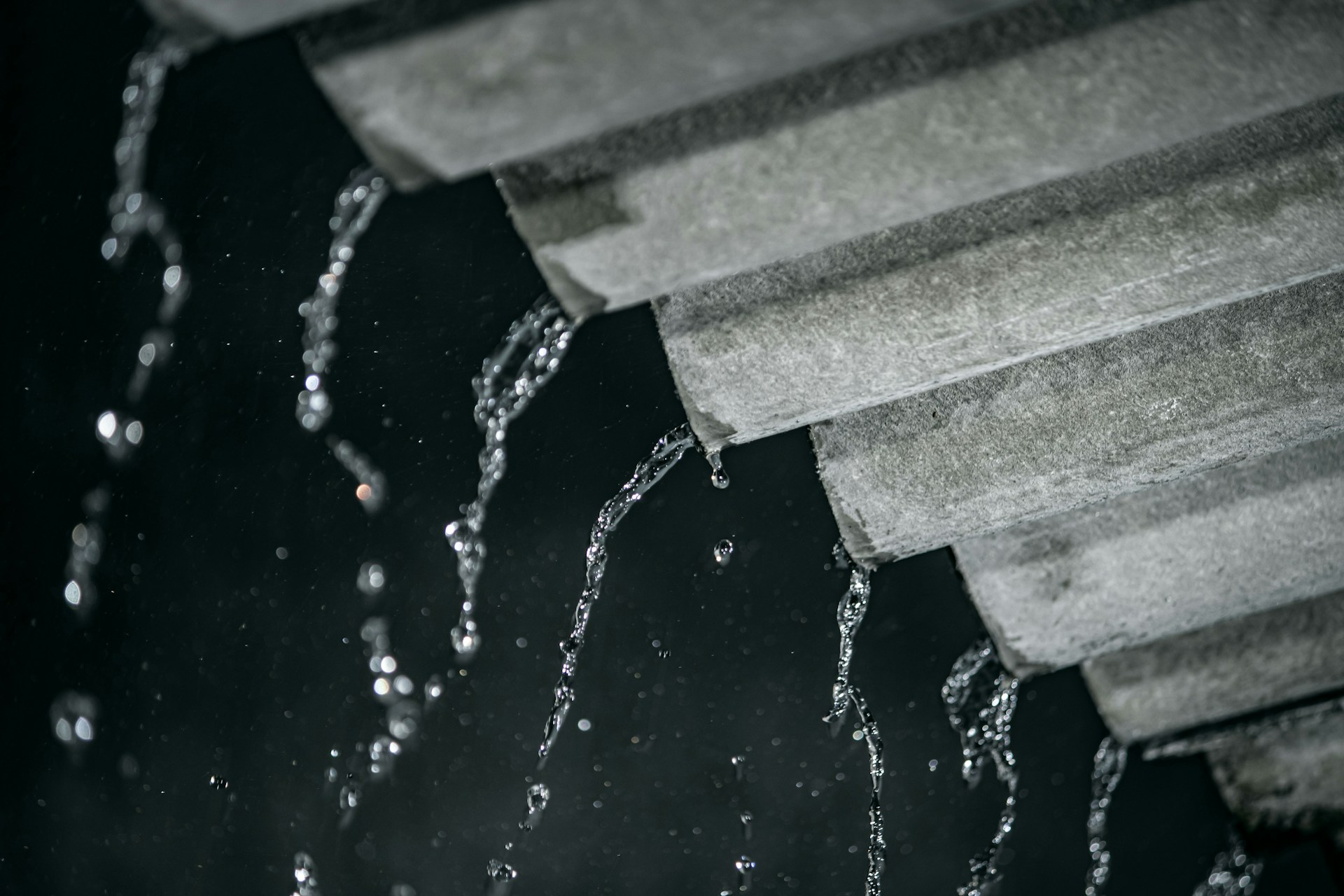
Dealing with a roof leak can be a frustrating experience for any homeowner. It often starts with subtle signs like water stains and mold that catch you by surprise. Ignoring these early warnings can lead to more significant problems down the road, making it crucial to address leaks as soon as possible.
Identifying the Source of Roof Leaks
Finding the source of a roof leak begins with recognizing the common signs that point to its existence. These typically include water stains on ceilings, walls, and sometimes even floors. The stains can vary in size and color, often appearing as brownish patches. Additionally, any drips or noticeable mold growth within your home might indicate moisture problems originating from the roof.
A thorough inspection of the attic can provide clues. Look for damp spots, moldy insulation, or wet wood beams. Pay attention to places where the roof meets walls or where chimneys and vents penetrate; these areas are prone to leaks. Checking during daylight can help because sunlight may reveal small openings or gaps where water could enter.
Inspecting the exterior of the roof is equally important. Look for damaged or missing shingles, as these are common entry points for water. Examine valleys, which are the V-shaped channels that run along the folds of the roof, as they are susceptible to harm from debris buildup or ice dams. Other critical areas include roof edges, gutters, and any flashing, which might be improperly sealed or corroded, allowing water penetration.
Temporary Fixes for Roof Leaks
When you identify a leak but can’t get it permanently fixed right away, temporary fixes can help protect your home. Roofing tape or patch kits are simple solutions that can stop water from entering minor leaks. These are useful when you have small cracks in shingles or seams that allow water to seep through.
Implementing roof tarps is an effective method for covering larger areas where repairs aren’t immediately possible. Secure the tarp over the affected section, making sure it extends beyond the problem area to prevent water from getting underneath. This emergency protection can hold back water invasion during heavy rains or intense weather until a more permanent fix is arranged.
Another option is to redirect water flow temporarily. This can involve using sheeting or plastic to channel water away from the leaking spot or clogged gutter. Re-routing water helps minimize damage while you prepare for a long-term repair solution. Temporary fixes are essential short-term measures but remember, they must be replaced with permanent solutions to ensure your roof’s integrity.
Long-Term Solutions for Leak Prevention
To prevent roof leaks from disrupting your home life, addressing the underlying causes is essential. Start by repairing any damaged shingles and flashing. Replace broken shingles and ensure that all flashing around vents, chimneys, and skylights is securely fastened and sealed. These steps stop water from finding its way into vulnerable spots and help maintain your roof’s durability.
Improving roof ventilation is another effective strategy for preventing leaks. Proper ventilation reduces moisture build-up, which can cause mildew or rot—common culprits in creating weak roof spots that might lead to leaks. Ensuring adequate airflow in your attic and roof space helps keep everything dry and extends the life of your roofing materials.
Regular maintenance plays a crucial role in leak prevention. By scheduling consistent inspections, you can spot potential issues early before they develop into significant problems. Catching minor concerns during routine checks can save you from extensive damage and costly repairs. Make a habit of clearing gutters, checking flashing, and reviewing the condition of shingles to keep your roof in top shape.
When to Call a Professional Roofer
Sometimes, the damage to your roof is beyond what temporary fixes or DIY efforts can handle. Recognizing severe damage is crucial for understanding when to seek professional help. If you notice large areas of damage, consistent leaks, or extensive water stains, it’s time to contact a roofing expert to assess the situation.
Professional roofers bring experience and expertise to the table. They offer thorough inspections, identifying problems you might have overlooked. Their assessment ensures you receive accurate information about the repairs your roof needs. Relying on a professional can help avoid incomplete fixes that might leave your roof vulnerable.
Evaluating repair costs and options with a professional gives you a better understanding of pricing and available warranties, allowing you to make informed decisions about your roof’s care. With expert help, you can weigh options based on your budget and long-term roofing goals.
Conclusion
Addressing roof leaks promptly and effectively is vital for maintaining your home’s safety and comfort. Identifying the source, implementing temporary fixes, and planning for long-term solutions all contribute to protecting your investment. Roof maintenance is not just about patching visible leaks but also about taking proactive steps to prevent future problems.
For those in the Dallas-Fort Worth area, making sure your roof is in optimal condition can save you from the headaches of leak-related damage. Trustworthy experts are available to assess your roof’s needs and provide tailored solutions, offering peace of mind for your household.
If you’re experiencing a leaking roof, reach out to James Kate Roofing & Sola. Our team is ready to offer expert advice and quality service to keep your roof and home protected. Contact us for a thorough assessment and discover how we can assist with your roofing needs today.
