When Your Roof Takes a Hit: What to Know About Asphalt Shingle Repair
Asphalt shingle repair is something most DFW homeowners will face at some point — and the good news is that it’s one of the most manageable roofing problems you can deal with.
Here’s a quick summary of your main options:
| Situation | Best Action |
|---|---|
| 1-3 damaged shingles, roof under 15 years old | DIY or professional spot repair |
| 4-10 shingles damaged, deck intact | Professional repair |
| More than 20-30% of shingles damaged | Consider full replacement |
| Roof over 20-25 years old with widespread damage | Full replacement |
| Active leak, storm damage | Temporary fix first, then professional repair |
Asphalt shingles cover roughly three-quarters of U.S. homes — and for good reason. They’re durable, cost-effective, and designed to be repaired. Unlike a metal roof or clay tile system, individual asphalt shingles can be removed and replaced without tearing apart the surrounding area. That modular design makes targeted repairs fast and affordable when damage is caught early.
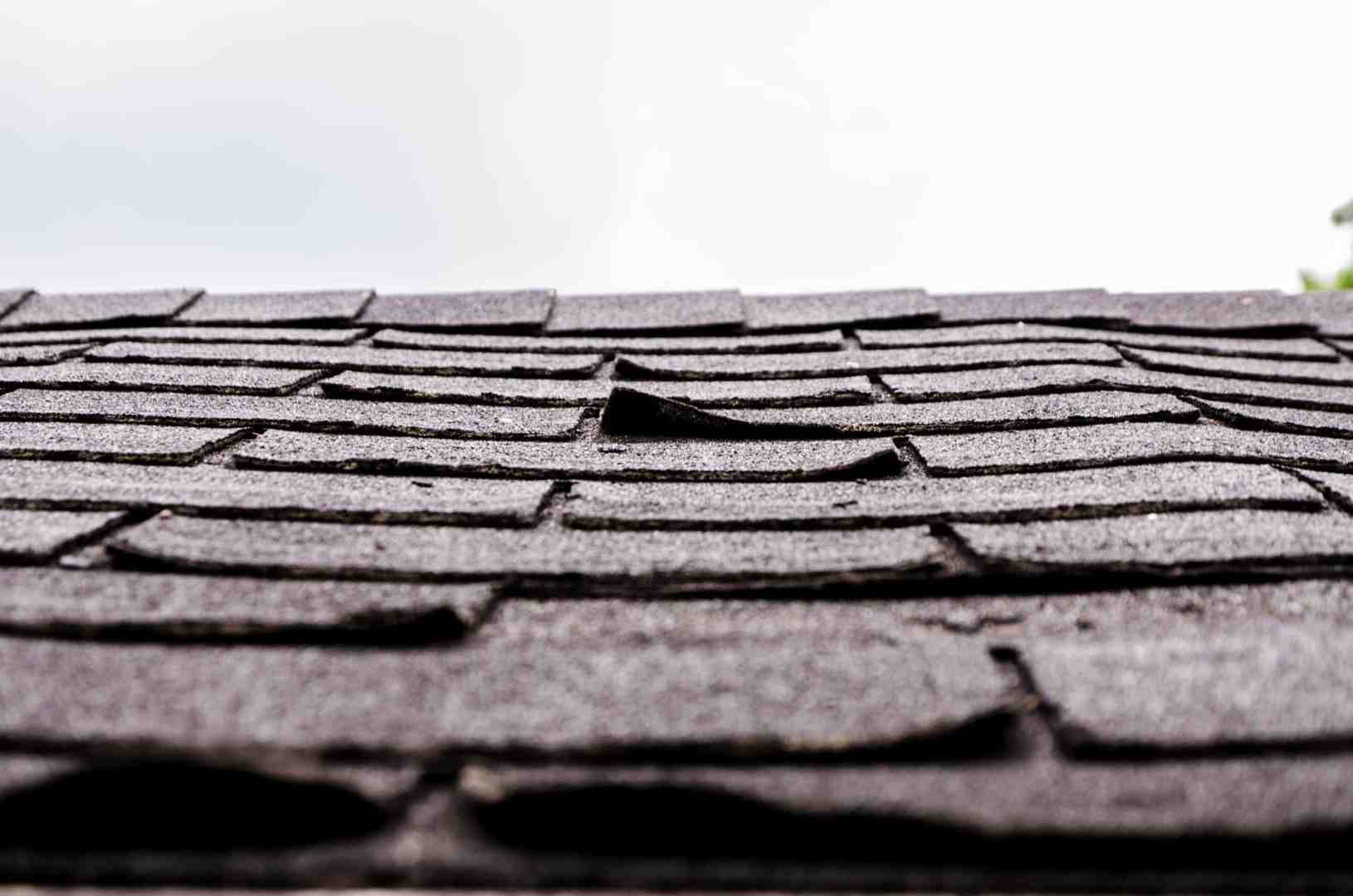
But here’s what most homeowners don’t realize: a single missing or cracked shingle can lead to water intrusion, mold growth, and structural damage within weeks — especially during a Texas storm season. Ignoring even minor damage is rarely a “wait and see” situation.
I’m Dustin Eatman, owner of James Kate Roofing & solar in the Dallas–Fort Worth area, and I’ve diagnosed and repaired hundreds of asphalt shingle repair jobs across residential and commercial properties — from isolated wind-lifted tabs to widespread hail damage requiring full insurance-backed solar. In this guide, I’ll walk you through exactly how to assess your damage, when to fix it yourself, and when to call a pro.
Why Asphalt Shingles Are the Easiest Roofs to Fix
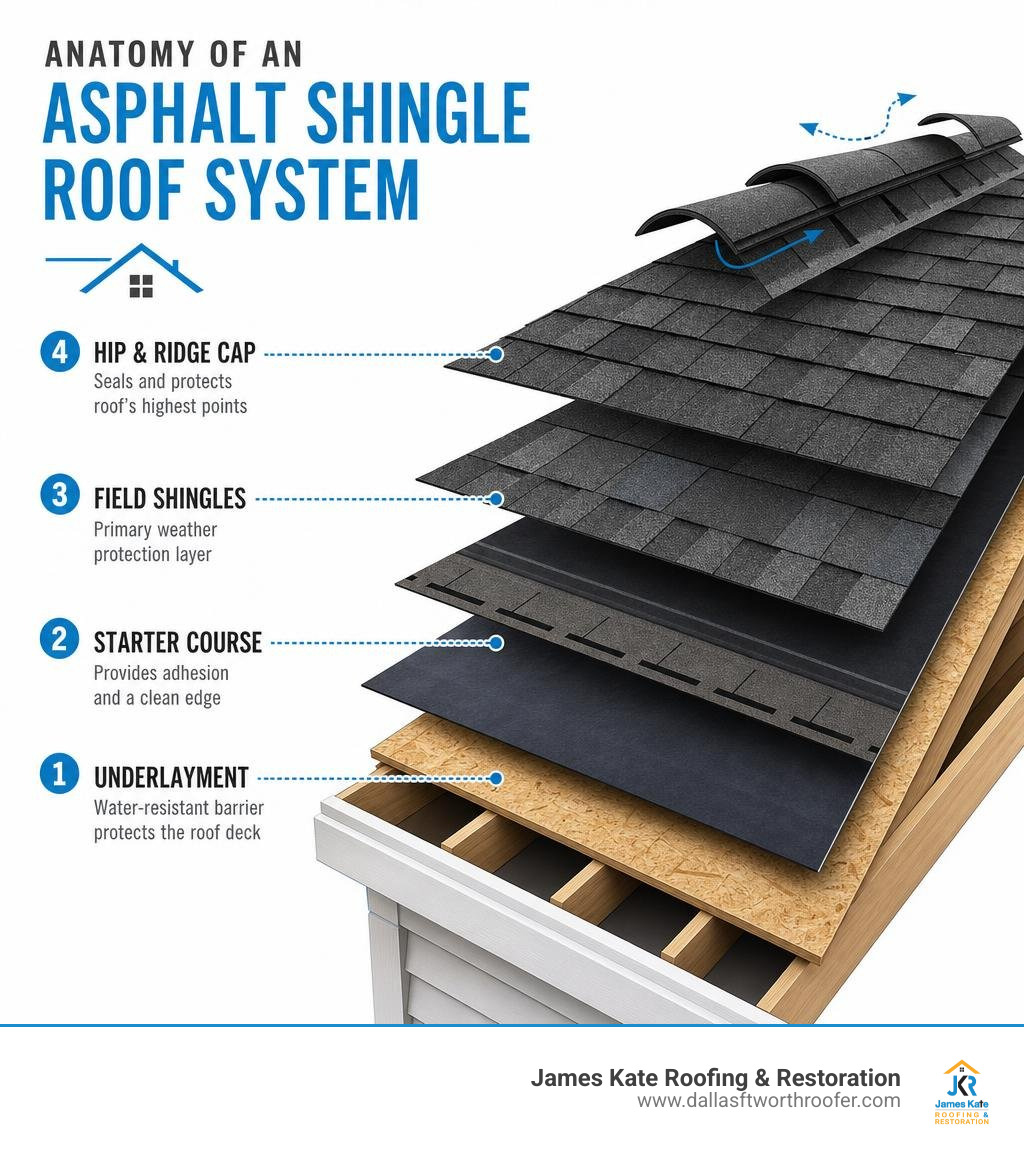
Asphalt shingle roofs are built as a layered, modular system. This means your roof isn’t one giant, monolithic sheet of material; instead, it is composed of individual, overlapping components including underlayment, starter shingles, field shingles, and hip and ridge caps.
Because of this modular design, asphalt shingles are incredibly repair-friendly. If a single shingle is punctured by a falling branch or lifted by a high wind gust, you do not need to tear up a whole section of your roof. Instead, you can isolate the damaged shingle, break its sealant bond, remove its fasteners, and slide a new one into its place.
Even after shingles have been exposed to the hot Texas sun and their self-sealing adhesive strips have bonded tightly together, they can still be separated using a flat pry bar. This capability to unseal and separate individual shingles without destroying the surrounding material is what makes targeted repairs highly effective and affordable. To understand more about how these systems are put together, read Your Guide to Asphalt Shingles: Types, Benefits, and Durability.
Common Types of Shingle Damage
Living in North Texas means our roofs take a beating from some of the most volatile weather in the country. From sweltering summer heat to sudden spring supercells, your shingles face constant environmental stress. Here are the most common types of damage that require asphalt shingle repair:
- Wind Uplift and Blow-offs: High winds can get underneath the edges of shingles, breaking their adhesive seals. Once the seal is broken, the wind can fold the shingle upward, crease it, or tear it away entirely. This leaves the underlayment exposed to direct rainfall. For advice on handling wind-related issues, see 6 Steps to Repairing Wind Damage Before Your Roof Takes Flight.
- Granule Loss (Exposed Intermat): Over time, UV radiation and storm impacts cause the protective mineral granules on your shingles to shed. If you notice bald spots on your shingles where the black asphalt or white fiberglass “intermat” layer is showing through, your shingle has lost its protective shield. Exposed intermat is like a bald tire with the cords showing; it will fail rapidly under the sun and rain.
- Thermal Cycling (Cracking and Curling): In DFW, we often experience temperature swings of 40 degrees or more in a single day. This constant expansion and contraction causes shingles to crack, warp, or curl at the corners. Curled edges are highly susceptible to wind uplift.
- Hail Impact Damage: Hail can bruise the shingle, instantly fracturing the fiberglass mat underneath and knocking loose the granules. These circular bruises may not leak immediately, but they degrade rapidly, leading to water intrusion over the next few seasons.
When to Choose Asphalt Shingle Repair vs. Replacement
Deciding whether to patch a few spots or invest in a full roof replacement comes down to a few key factors: the age of your roof, the extent of the damage, and the “30-50% rule.”
The 30-50% rule is a simple financial framework. If the cost of repairing your damaged shingles exceeds 30% to 50% of the cost of a complete roof replacement, or if more than 30% of your roof surface is compromised, a spot repair is no longer a smart investment. At that point, you are paying for temporary fixes on a failing system.
Additionally, consider the age of your roof. If your roof is less than 15 years old and the damage is isolated to a small area (like a few shingles blown off during a storm), a localized asphalt shingle repair is highly practical and can easily last for the remaining lifespan of the roof. However, if your roof is pushing 20 to 25 years old, the asphalt has likely become brittle. Trying to repair a brittle roof often causes more damage to the surrounding shingles than it fixes.
For a detailed look at DIY repair options and costs, check out the Asphalt Shingle Roof Repair: DIY Guide for Homeowners.
Essential Tools and Materials for Asphalt Shingle Repair
If you have determined that your roof is in good enough shape to warrant a spot repair, and you have the physical capability to work safely on a slope, you will need to gather the right gear.
Do not try to make do with standard household tools. Using a regular hammer or a kitchen knife can damage the surrounding shingles. Here is your essential checklist:
- Flat Pry Bar (Roofing Bar): This is your most important tool. It is used to carefully break the sealant bonds between shingles and pull nails without tearing the asphalt.
- Roofing Hammer: Designed with a claw specifically for pulling roofing nails and a flat face for driving nails flush.
- Utility Knife: Equipped with hook blades to cleanly cut shingles from the back without dulling the blade on the mineral granules.
- Galvanized Roofing Nails: Use 1 1/4-inch galvanized nails with wide heads. These resist rust and provide the holding power needed to withstand wind.
- Roofing Cement (Mastic): High-quality asphalt plastic roof cement is required to manually seal the tabs of your new shingles and seal any exposed nail heads. For help choosing the right sealant, refer to Don’t Get Stuck: The Essential Roof Patch Buying Guide.
- Caulk Gun: For precise application of roofing cement.
Safety Precautions for Roof Work
We cannot emphasize this enough: roof work is inherently dangerous. According to national safety statistics, ladder falls cause over 500,000 injuries and roughly 300 deaths in the United States every year. Before you step foot on a ladder, you must prioritize your safety.
First, never work on a wet, frosty, or highly windy day. Moisture makes shingles incredibly slick, and high winds can easily blow you off balance. The ideal weather for roof work is a calm, dry day with temperatures between 50°F and 70°F. If it is too cold, the shingles will be brittle and crack when you lift them; if it is too hot, the asphalt will soften, and walking on them will scuff off the protective granules.
Second, use proper fall protection. If your roof pitch is steeper than 4:12, or if you are working near a high eave, you should wear a properly anchored safety harness. Always wear roof-rated, slip-resistant footwear (soft-soled rubber athletic shoes work best).
Third, set up your ladder correctly. Use the 4:1 rule: for every four feet of height to the eave, the base of the ladder should be one foot away from the wall. The ladder should extend at least three feet above the roof edge to give you a secure handhold when transitioning onto and off the roof.
How to Execute a Flawless Shingle Replacement
Replacing a damaged shingle is a precise process that requires patience. If you rush, you risk tearing the surrounding shingles, which will create more leak entry points.

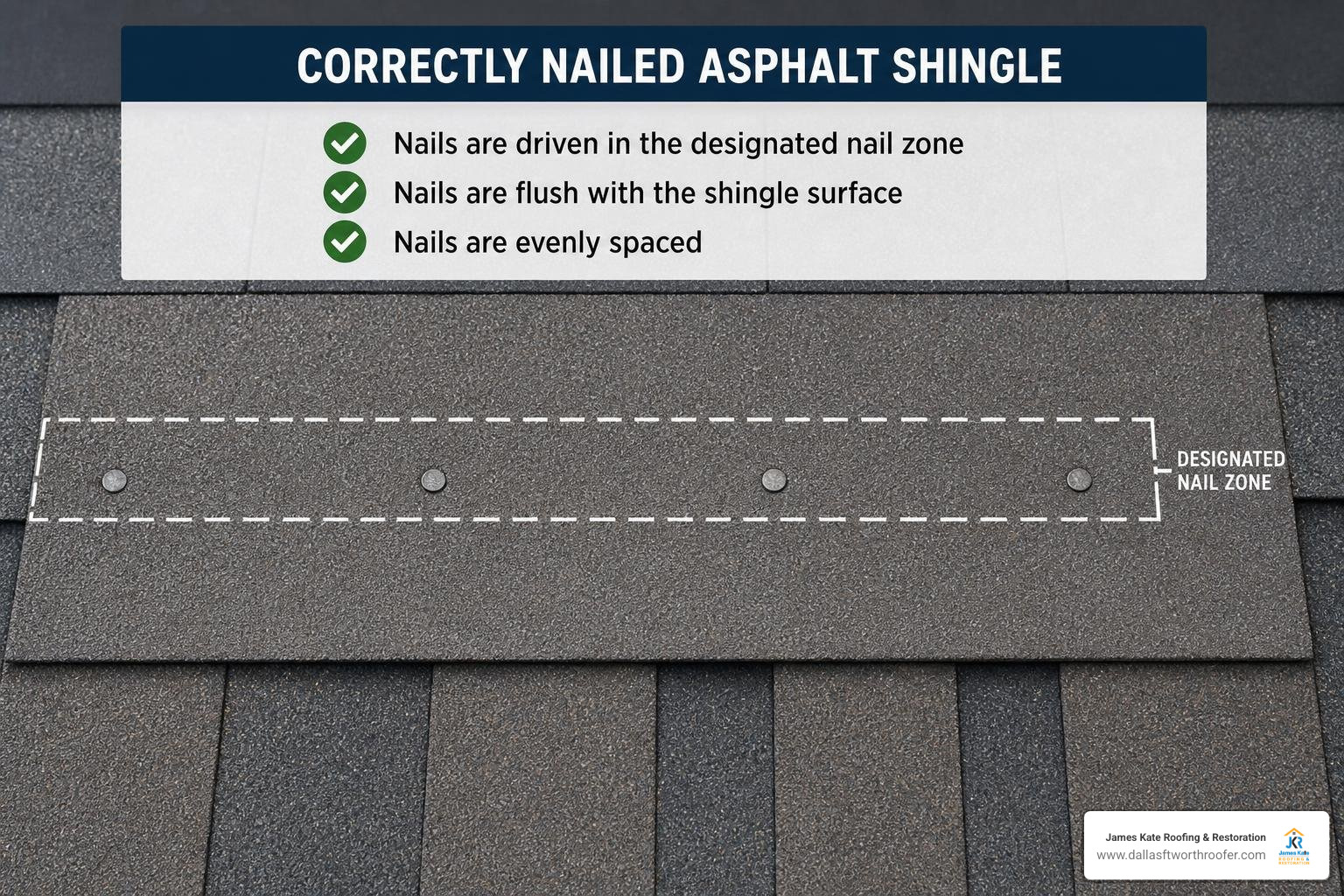
To execute a flawless replacement, you must understand how shingles are fastened. Each shingle is typically secured by a row of four nails driven just above the exposure line. However, because shingles overlap, the nails securing your target shingle also pass through the top edge of the shingle directly below it, and the nails from the course above pass through the top edge of your target shingle.
This means to remove a single shingle, you actually have to locate and remove eight nails in total: the four nails holding the target shingle, and the four nails from the course above that are pinning its upper margin. For a comprehensive, step-by-step overview of this process, see How to Replace Damaged Shingles | Step-by-Step DIY Guide | Roofs Wiki.
Step-by-Step Guide to DIY Asphalt Shingle Repair
Ready to tackle the repair? Follow these seven steps to replace a damaged shingle cleanly and securely:
- Break the Seal on the Target Shingle: Slide your flat pry bar carefully under the tabs of the damaged shingle. Gently work the bar left and right to release the self-sealing adhesive bond.
- Break the Adjacent Seals: You must also break the seals on the shingles directly above the damaged one. This allows you to lift them slightly to access the hidden nails.
- Remove the Target Nails: Slide the pry bar under the damaged shingle, centering the bar’s claw over one of the nails. Gently pry upward to lift the nail head. Once the nail pops up, slide the bar out, place a small wood block under the bar for leverage to protect the shingle below, and pull the nail completely out. Repeat this for all four nails holding the target shingle.
- Remove the Overlying Nails: Lift the tabs of the shingles in the course directly above. Locate the four nails that are pinning the top edge of your damaged shingle. Pry them up and remove them.
- Slide Out the Old Shingle: Once all eight nails are removed, the damaged shingle should slide out easily. If it catches, do not force it; locate the stubborn nail you missed and remove it.
- Slide in the New Shingle: Cut your replacement shingle to match the exact dimensions of the old one. Slide it into the vacant slot, aligning its bottom edge perfectly with the exposure line of the adjacent shingles.
- Nail and Seal: Drive four new galvanized roofing nails into the designated nail line of the new shingle. Do not nail too high; nail in the manufacturer’s printed nailing zone (usually 5/8 inch above the tab cutouts). Next, re-nail the overlying shingles where you removed the fasteners. Finally, use your caulk gun to apply three quarter-sized dabs of roofing cement under each tab of the new shingle and the overlying shingles, pressing them down firmly to ensure a watertight seal.
How to Match Replacement Shingles Aesthetically
A challenge in asphalt shingle repair is aesthetics. Even if you buy the exact same brand and color of shingle, a brand-new shingle will rarely match a roof that has been baking in the Texas sun for five or ten years. UV exposure naturally fades the asphalt and alters the color of the granules.
To get the best match, check your attic, garage, or shed first. Builders often leave a spare bundle of shingles behind after construction. Because these spares have been stored in the dark, they will still have their original color, but they will be a much closer match in terms of brand and style than anything you can buy off the shelf today.
If you don’t have spares, you can try to “harvest” a shingle. This is a pro trick where you remove a perfectly good shingle from a highly hidden area of your roof (such as over a back porch or behind a chimney) to use as your patch, and then use a slightly mismatched new shingle to fill the hidden spot.
If you are struggling to identify your shingle type, you can consult local distributors or manufacturers who can help match discontinued colors.
Temporary Fixes vs. Long-Term Repairs
It is important to understand the difference between a temporary patch and a permanent repair.
A temporary fix is designed to stop active water intrusion during a storm or when permanent materials are not immediately available. For example, if your roof is leaking during a heavy downpour, you can use a “wet-patch” roofing cement formula that is designed to adhere to wet surfaces, or you can secure a heavy-duty blue tarp over the ridge and down past the damaged area. These fixes are excellent for preventing immediate interior water damage, but they are not designed to last. Wet-patch cement will eventually crack, and tarps will degrade under UV light within a couple of months.
A long-term repair involves completely replacing the damaged shingle, inspecting the underlying wood decking, and restoring the wind-resistant seal. A proper, permanent repair should last exactly as long as the surrounding shingles. If your roof has suffered water intrusion, it is also critical to perform proper water mitigation to ensure no structural rot or mold develops beneath the surface.
Common Mistakes to Avoid During Roof Repairs
Even experienced DIYers can make mistakes that compromise the integrity of their roof. Here are the most common pitfalls we see when inspecting homeowner repairs:
- Nailing Too High: Shingles have a specific, printed nail line. If you drive nails too high (above the designated zone), you will miss the double-thickness portion of the shingle and fail to anchor the top of the shingle below. This significantly reduces wind resistance, causing shingles to blow off in the next storm.
- Over-Driving or Under-Driving Nails: Nails must be driven straight and perfectly flush with the shingle surface. If you overdrive the nail (using too much force or setting a pneumatic nail gun too high), the nail head will cut through the shingle, rendering it useless. If you under-drive the nail, the protruding head will eventually wear a hole through the overlapping shingle above it.
- Trapping Moisture with Too Much Cement: While roofing cement is essential for manual sealing, more is not better. Applying giant globs of mastic can trap water behind the shingle, preventing natural drainage and leading to wood rot. Use only quarter-sized dabs as recommended.
- Ignoring the Underlying Decking: Repairing shingles without checking the wood deck underneath is a recipe for disaster. If water has penetrated the underlayment, the wood decking may be soft or rotted. Driving nails into rotted wood provides zero holding power. Always probe the decking for soft spots before laying down new shingles.
Preventing Future Damage with Routine Maintenance
The easiest way to avoid the headache of roof repairs is to prevent the damage from happening in the first place. A little routine maintenance goes a long way in extending the life of your roof.
First, keep your gutters clean. When gutters clog with leaves and debris, water backs up under the eave shingles and starter courses, causing dry rot along the roof edge. Clean your gutters at least twice a year — once in the spring and once in the late fall.
Second, trim your trees. Overhanging branches can scrape against your shingles during high winds, stripping away the protective granules and bruising the asphalt. Keep all tree limbs trimmed back at least six feet from your roofline.
Third, schedule regular inspections. We recommend having your roof inspected by a qualified professional roofing contractor twice a year, typically in the spring and fall. Catching a loose seal or a cracked flashing boot early can save you thousands of dollars in structural repairs down the road. For a complete guide on keeping your roof in peak condition, check out our Roof Repair Guide 2026.
Frequently Asked Questions about Shingle Maintenance
How long does a patched asphalt shingle last?
A professionally executed asphalt shingle repair is considered a permanent fix. If the surrounding shingles are in good condition, the replacement shingle and its manual seal should last for the remaining lifespan of the roof — typically 5 to 10+ years depending on local weather conditions.
Can a single missing shingle cause a roof leak?
Yes. Your roof is a system of overlapping layers. When a single shingle is missing, the synthetic underlayment or felt paper beneath it is exposed to direct sunlight and rain. Underlayment is not designed for long-term exposure; water will quickly find its way through nail holes or seams, leading to active interior leaks and mold risks within 24 to 48 hours of sustained moisture.
Is asphalt shingle repair covered by homeowners insurance?
In many cases, yes — if the damage was caused by a sudden, covered peril such as a windstorm, hail, or a fallen tree limb. However, insurance companies do not cover damage caused by wear and tear, neglect, or lack of maintenance. If you plan to file a claim, it is crucial to have a professional roofing contractor provide detailed photo documentation of the storm damage.
Conclusion
While minor asphalt shingle repair is a project some handy homeowners can tackle themselves, working on a roof carries significant safety risks and requires precise execution to ensure your home remains watertight. If you are dealing with a steep slope, widespread storm damage, or an active leak that has penetrated your home’s interior, it is always safest to call in the professionals.
At James Kate Roofing & solar, we are a family-owned DFW company built on honesty, integrity, and Biblical principles. As a GAF President’s Club contractor, we back our work with up to a 25-year workmanship warranty, giving you complete peace of mind. Whether you need a simple spot repair in Mansfield, emergency storm solar in Arlington, or a complete roof replacement in Granbury, Grand Prairie, or Midlothian, we are here to help.
Don’t let a minor shingle problem turn into a major structural headache. Schedule a professional roof inspection with our trusted team today, and we’ll ensure your home stays dry, safe, and beautiful for years to come.

Dustin Eatman is a seasoned roofing professional with deep, hands-on expertise that spans residential and commercial roofing, insurance solar, and long-term roof asset management. As the owner of James Kate Roofing & solar in the Dallas–Fort Worth metroplex, he’s built a reputation for diagnosing roof systems accurately, communicating clearly, and executing projects with a high standard of workmanship and documentation. Dustin understands the technical details that make roofs perform—proper underlayment selection, slope and drainage considerations, ventilation strategy, flashing and penetration detailing, and manufacturer-specific installation requirements—because he’s worked through the real-world challenges that cause leaks, premature wear, and warranty issues. He’s equally fluent in the operational side of roofing: jobsite planning, quality control, safety, material ordering, crew coordination, and customer experience from inspection to closeout. In insurance-related projects, Dustin brings practical knowledge of claim workflows, adjuster meetings, scope alignment, supplements, and the importance of photo evidence and thorough records, helping property owners navigate stressful situations with confidence. For commercial clients—especially property and facility managers—he emphasizes proactive maintenance and targeted repairs that reduce disruption, extend roof life, and prevent expensive interior damage. Dustin also stays focused on doing things the right way: educating customers on realistic options, setting expectations, and prioritizing solutions that hold up over time rather than quick fixes. That blend of technical skill, field experience, process discipline, and owner-level accountability is what makes Dustin Eatman a trusted expert in the roofing industry.