Why Mold Remediation Can’t Wait — And What It Actually Means
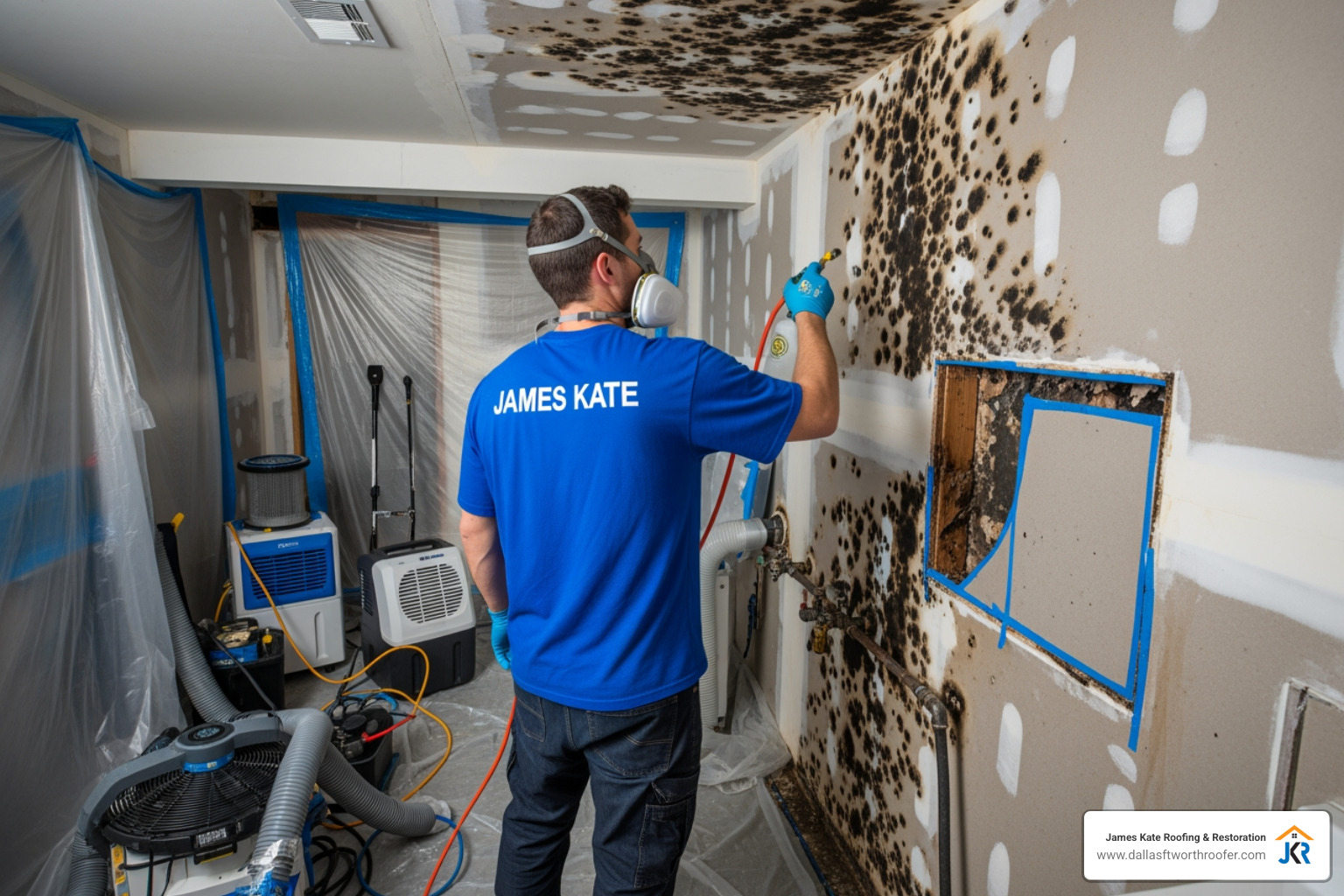
Mold remediation is the process of identifying, containing, and reducing mold growth in a home or building back to safe, natural levels — then addressing the moisture source to prevent it from coming back.
Quick answer: What is mold remediation?
| Step | What Happens |
|---|---|
| 1. Inspection | Find all mold and moisture sources |
| 2. Containment | Stop mold from spreading to other areas |
| 3. Air filtration | Capture airborne spores with HEPA filters |
| 4. Removal | Clean or remove mold-affected materials |
| 5. Sanitizing | Apply EPA-approved biocides to treated surfaces |
| 6. solar | Repair or replace damaged materials |
| 7. Prevention | Fix the moisture source so mold can’t return |
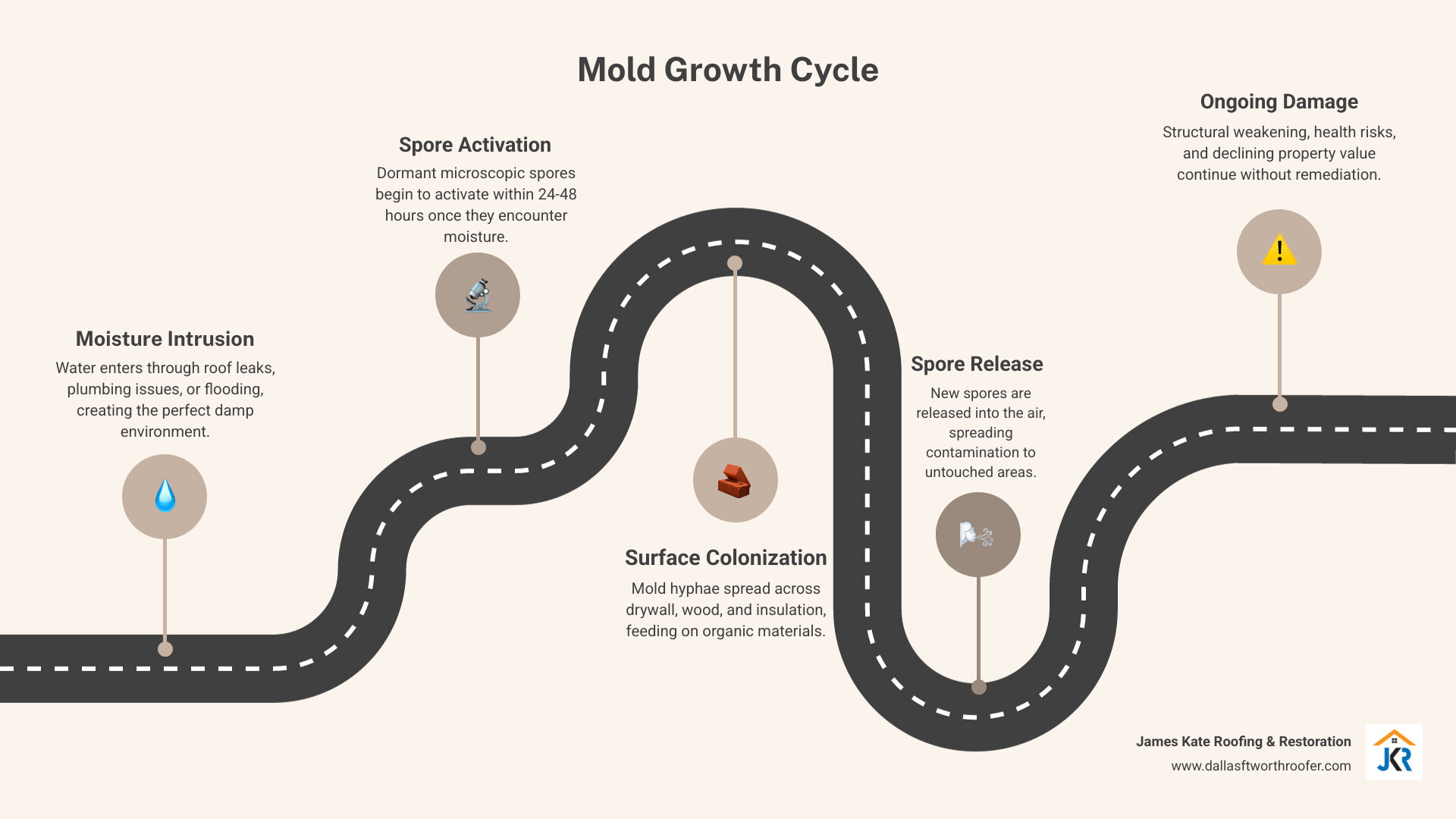
Mold is not just an eyesore. It can start growing in as little as 48 hours after moisture enters your home — and the longer it grows, the more damage it does to the surfaces it feeds on. Left unchecked, it can weaken drywall, rot wood framing, trigger serious health problems, and drive down your property’s value.
The good news: most mold problems can be solved. But solving them the right way means understanding what remediation actually involves — not just scrubbing a surface and hoping for the best.
I’m Dustin Eatman, owner of James Kate Roofing & solar in the Dallas–Fort Worth area, and my experience with mold remediation runs directly through the water and storm damage solar work we do every day — from diagnosing moisture intrusion at the roof level to coordinating full build-back after water damage has compromised a home’s interior. In this guide, I’ll walk you through everything you need to know to handle mold the right way.
Mold Removal vs. Mold Remediation: Understanding the Difference
In the solar industry, we often hear homeowners use the term “mold removal.” While it sounds like the goal, it’s actually a bit of a misnomer. To understand why, we have to look at the Mold Basics from the EPA. Mold is a natural part of our fungal ecology. It exists everywhere—indoors and outdoors—in the form of microscopic spores that float through the air.
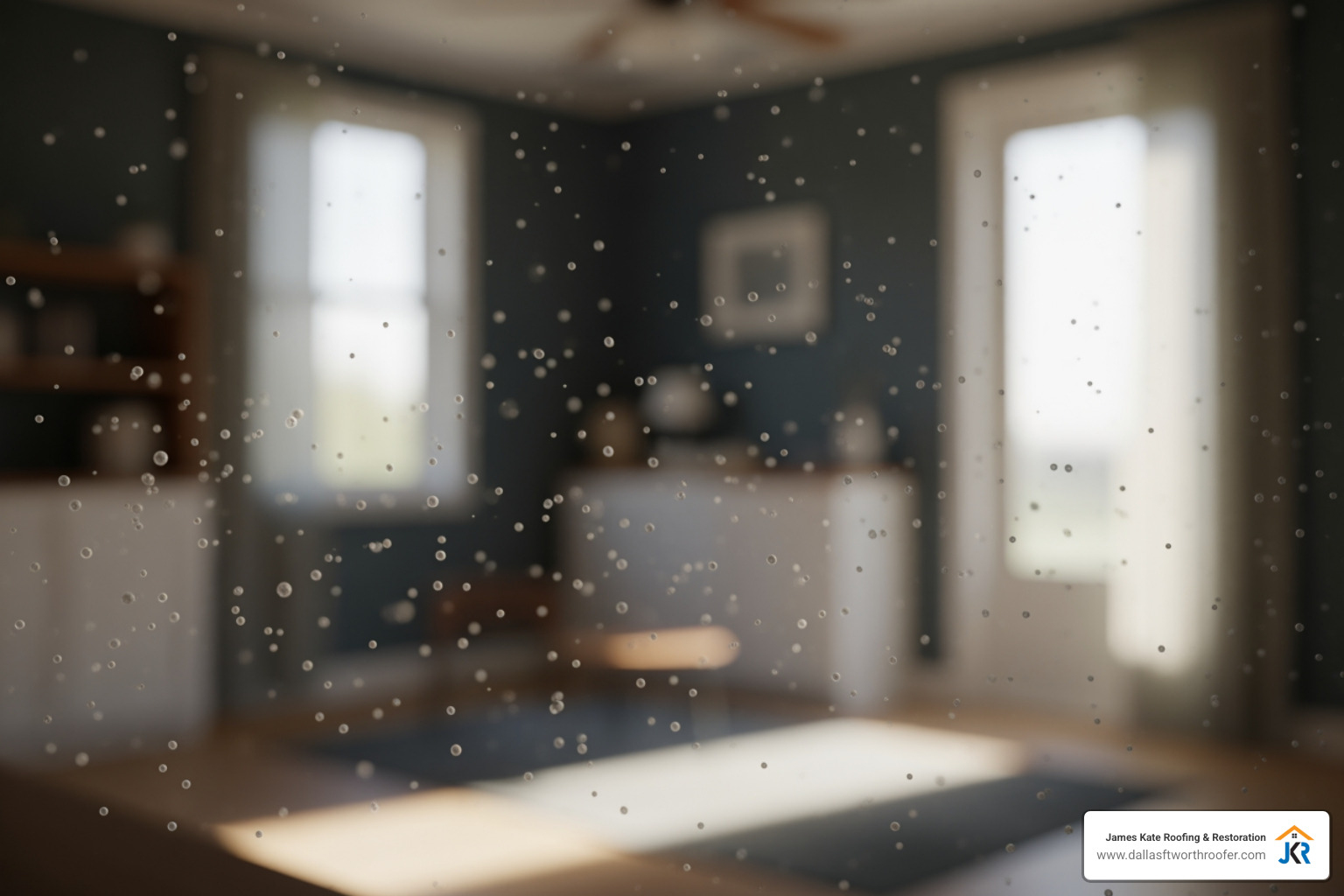
If a company promises to “remove all mold” from your home, they are promising the impossible. Even in the cleanest Mansfield or Arlington home, a certain level of mold spores is normal and healthy. The problem arises when these spores find a moisture source and begin to colonize, leading to concentrated growth that affects your air quality.
The Goals of Professional mold remediation
The goal of mold remediation isn’t to create a sterile “mold-free” bubble, but to return the indoor environment to a safe, natural state. This involves several critical objectives:
- Containment: Preventing the spread of spores to unaffected areas of the home.
- Air Filtration: Using industrial-grade equipment to scrub the air.
- Structural Integrity: Evaluating whether materials like wood studs or subfloors have been physically weakened.
- Moisture Source Identification: If you don’t fix the leak, the mold will be back before our trucks even leave your driveway. Restoring Your Sanity and Your Home After Damage starts with peace of mind that the root cause is gone.
Why Total Mold Removal is a Myth
Because spores are microscopic and airborne, they enter your home through open doors, windows, and HVAC systems. They can even hitch a ride on your clothes or your dog. The goal of remediation is environmental equilibrium—ensuring the indoor spore count is lower than or equal to the outdoor levels, and that no active colonies are eating your drywall.
When to Call for Professional Services
Not every spot of mildew in a shower requires a full-scale solar team. For small issues, the EPA Guidelines for Home Cleanup provide a helpful “rule of thumb”: if the moldy area is less than about 10 square feet (roughly a 3 ft. by 3 ft. patch), most homeowners can handle it themselves with proper safety gear.
However, there are specific scenarios where DIY is dangerous. If your home has suffered from sewage backflow, you are dealing with Category 3 Water Loss Risks, also known as “black water.” This water is teeming with bacteria and viruses, and mold growth in these conditions requires specialized biohazard protocols.
Additionally, if you suspect mold is inside your HVAC system, do not turn it on. Running a contaminated AC unit can spread spores through every room in your house in minutes.
When to Call for Professional mold remediation
You should reach out to us for professional mold remediation if:
- The mold covers more than 10 square feet.
- There is significant water damage from a pipe burst or roof leak.
- You suspect “hidden mold” behind wallpaper, under flooring, or inside wall cavities.
- The water source was contaminated (sewage or floodwater).
Understanding the source is vital, and our guide on Identifying Your Category of Water Loss can help you determine the severity of the situation.
Health Risks and Vulnerable Populations
Mold exposure isn’t just a “smell” issue; it’s a health issue. According to CDC Health Guidelines, exposure can cause stuffy noses, sore throats, coughing, and skin rashes. For those with asthma or allergies, the reactions can be much more severe.
Certain people should never attempt to clean mold themselves:
- Individuals with immune suppression.
- People with chronic lung diseases like COPD.
- Those with severe mold allergies or asthma.
If you fall into these groups, it is safer to leave the area entirely until the remediation is complete.
The 7-Step Professional mold remediation Process
When we arrive at a home in Grand Prairie or Midlothian, we follow a strict protocol to ensure the mold is handled safely and effectively.
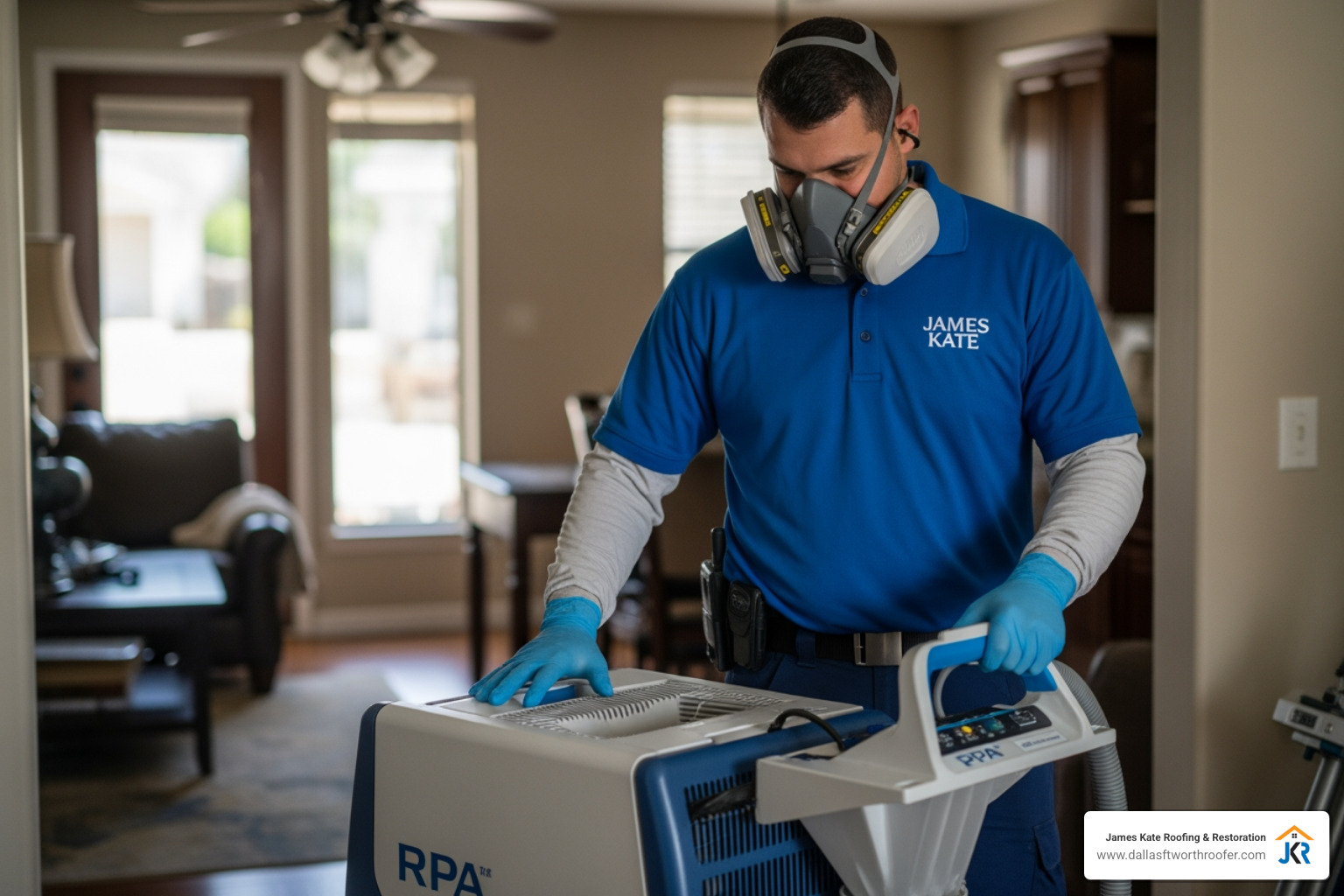
- Inspection and Assessment: We use moisture meters and thermal imaging to find where the mold is hiding.
- Containment: We use physical barriers (like heavy plastic sheeting) and “negative air pressure” to keep spores from escaping the work zone.
- Air Filtration: High-efficiency particulate air (HEPA) scrubbers run constantly to capture 99.97% of spores.
- Removal: Moldy porous materials (like drywall or insulation) are bagged and removed.
- Cleaning: Non-porous surfaces are scrubbed with antimicrobial cleaners.
- Sanitization: We apply EPA-approved biocides to kill any remaining microscopic roots.
- solar: This is where we “build back,” replacing the drywall and flooring to make the home look new again. For a deeper look at this process, check out our Water Damage solar Survival Guide.
Safety Equipment and PPE Requirements
Safety is our top priority. Our technicians wear:
- N95 or higher respirators: To prevent inhalation of spores.
- Nitrile gloves: To protect skin from both mold and cleaning chemicals.
- Non-ventilated goggles: To keep spores out of the eyes.
- Protective coveralls: To ensure spores aren’t carried out of the containment zone on clothing.
Cleaning and Sanitizing Contents
Not everything that gets moldy has to be thrown away. Non-porous items (metal, glass, hard plastics) can usually be cleaned and saved. Semi-porous items like wood furniture can often be salvaged through HEPA vacuuming and specialized cleaning. However, highly porous items like ceiling tiles or insulation usually need to be replaced.
When dealing with leaks from appliances, the cleanup needs to be immediate. You can find more details in our guide on Cleaning Up After Appliance Leaks.
Remediation Costs and Prevention Strategies
One of the first questions we get is, “How much will this cost?” While every case is unique, we can provide some general averages based on industry data for 2026.
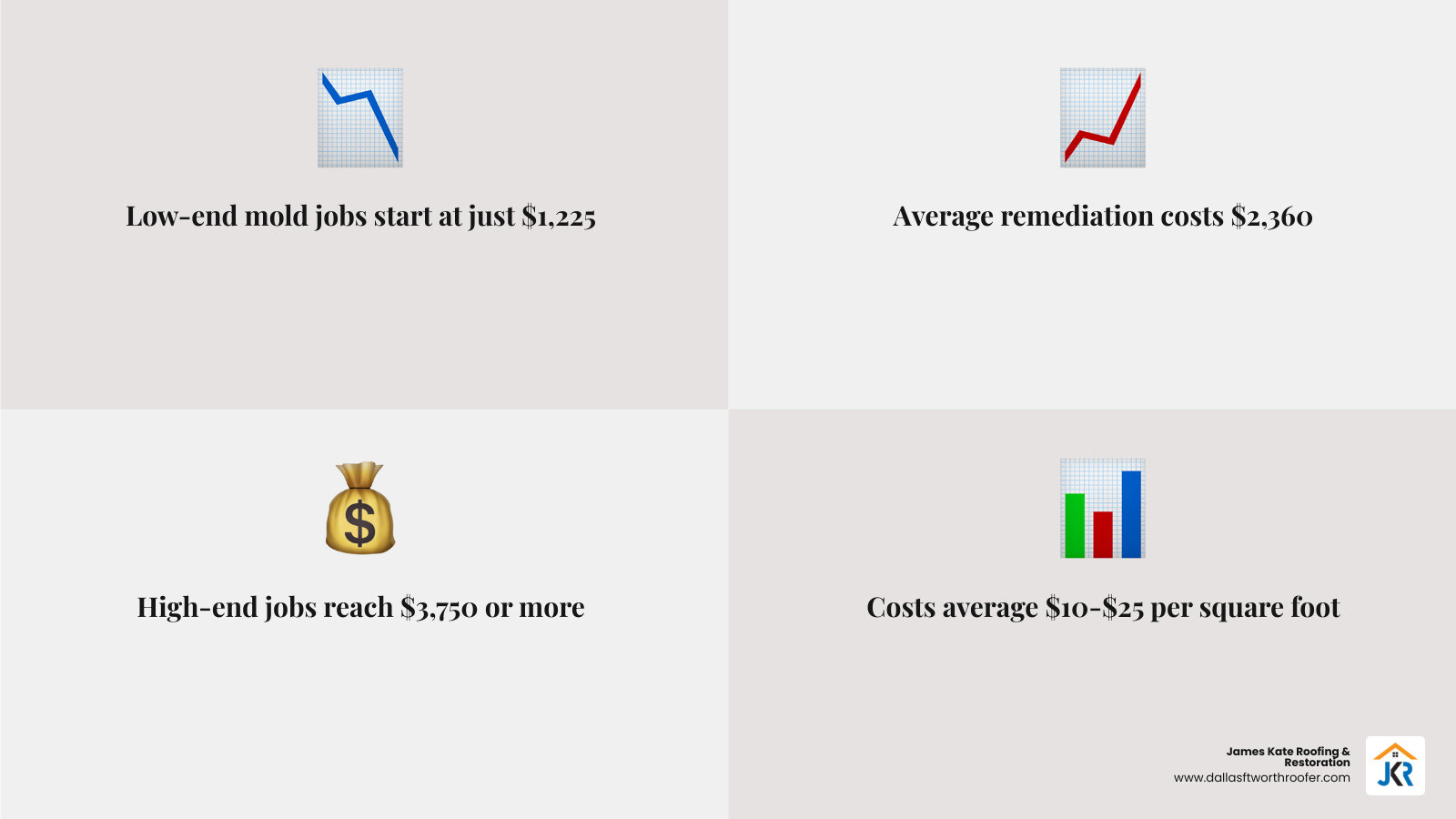
| Factor | Estimated Cost |
|---|---|
| Average Remediation Job | $2,360 |
| Low-End Cleanup | $1,225 |
| High-End Remediation | $3,750+ |
| Per Square Foot | $10 – $25 |
The price is influenced by the size of the area, the type of materials affected, and how difficult it is to access the mold. For a more detailed breakdown, see our Comprehensive Guide to Water Damage Repair Costs.
As for insurance, many policies cover mold if it resulted from a “covered peril” (like a sudden pipe burst). However, mold resulting from long-term neglect or high humidity is often excluded.
Long-Term Prevention and Humidity Control
Once the mold remediation is finished, the goal is to keep it from returning. The key to mold control is moisture control.
- Keep Humidity Low: Use an air conditioner or dehumidifier to keep indoor humidity between 30% and 50%.
- Ventilation: Ensure bathrooms and kitchens are vented to the outside.
- Roof Maintenance: In the DFW area, storm damage is a major cause of interior mold. Regular roof inspections can catch small leaks before they become mold factories.
- Flooring Care: If you have a spill or a minor flood, you need to act fast. Follow these Flooded Carpet Cleanup Tips to dry things out before the 48-hour window closes.
Frequently Asked Questions about Mold
Can I stay in my home during the remediation process?
It depends on the severity. If the mold is contained to one small room, you can usually stay. However, if the HVAC system is involved or if there is extensive “toxic” mold growth, we recommend staying elsewhere until the air scrubbers have finished their job.
Does bleach effectively kill mold on porous surfaces?
This is a common myth! Bleach is great for non-porous surfaces like tile or glass. However, on porous surfaces like drywall or wood, the chemical structure of bleach prevents it from reaching the “roots” of the mold. It may change the color (making it look gone), but the mold often grows back. We use EPA-registered biocides designed to penetrate and kill the mold at the source.
When is professional mold testing actually necessary?
The CDC generally does not recommend routine mold testing. If you can see it or smell it, you have a problem that needs to be fixed regardless of the “type” of mold. Testing is most useful after remediation to prove the air is clean, or if you have unexplained health symptoms but can’t find a visible source of mold.
Conclusion
Dealing with mold can be overwhelming, but you don’t have to face it alone. At James Kate Roofing & solar, we bring a commitment to honesty, integrity, and Biblical principles to every job we do across Mansfield, Arlington, and the entire DFW metroplex.
As a GAF President’s Club recognized company, we don’t just “clean up”—we restore. Whether you need water mitigation, fire mitigation, or full build-back construction, our team is here to ensure your home is safe, dry, and healthy for your family. If you suspect a mold problem in your home, don’t wait for it to spread.
Contact us today for Professional solar Services and let us help you get your home back to normal.
Dustin Eatman is a seasoned roofing professional with deep, hands-on expertise that spans residential and commercial roofing, insurance solar, and long-term roof asset management. As the owner of James Kate Roofing & solar in the Dallas–Fort Worth metroplex, he’s built a reputation for diagnosing roof systems accurately, communicating clearly, and executing projects with a high standard of workmanship and documentation. Dustin understands the technical details that make roofs perform—proper underlayment selection, slope and drainage considerations, ventilation strategy, flashing and penetration detailing, and manufacturer-specific installation requirements—because he’s worked through the real-world challenges that cause leaks, premature wear, and warranty issues. He’s equally fluent in the operational side of roofing: jobsite planning, quality control, safety, material ordering, crew coordination, and customer experience from inspection to closeout. In insurance-related projects, Dustin brings practical knowledge of claim workflows, adjuster meetings, scope alignment, supplements, and the importance of photo evidence and thorough records, helping property owners navigate stressful situations with confidence. For commercial clients—especially property and facility managers—he emphasizes proactive maintenance and targeted repairs that reduce disruption, extend roof life, and prevent expensive interior damage. Dustin also stays focused on doing things the right way: educating customers on realistic options, setting expectations, and prioritizing solutions that hold up over time rather than quick fixes. That blend of technical skill, field experience, process discipline, and owner-level accountability is what makes Dustin Eatman a trusted expert in the roofing industry.