What to Do About Mold After a Water Leak
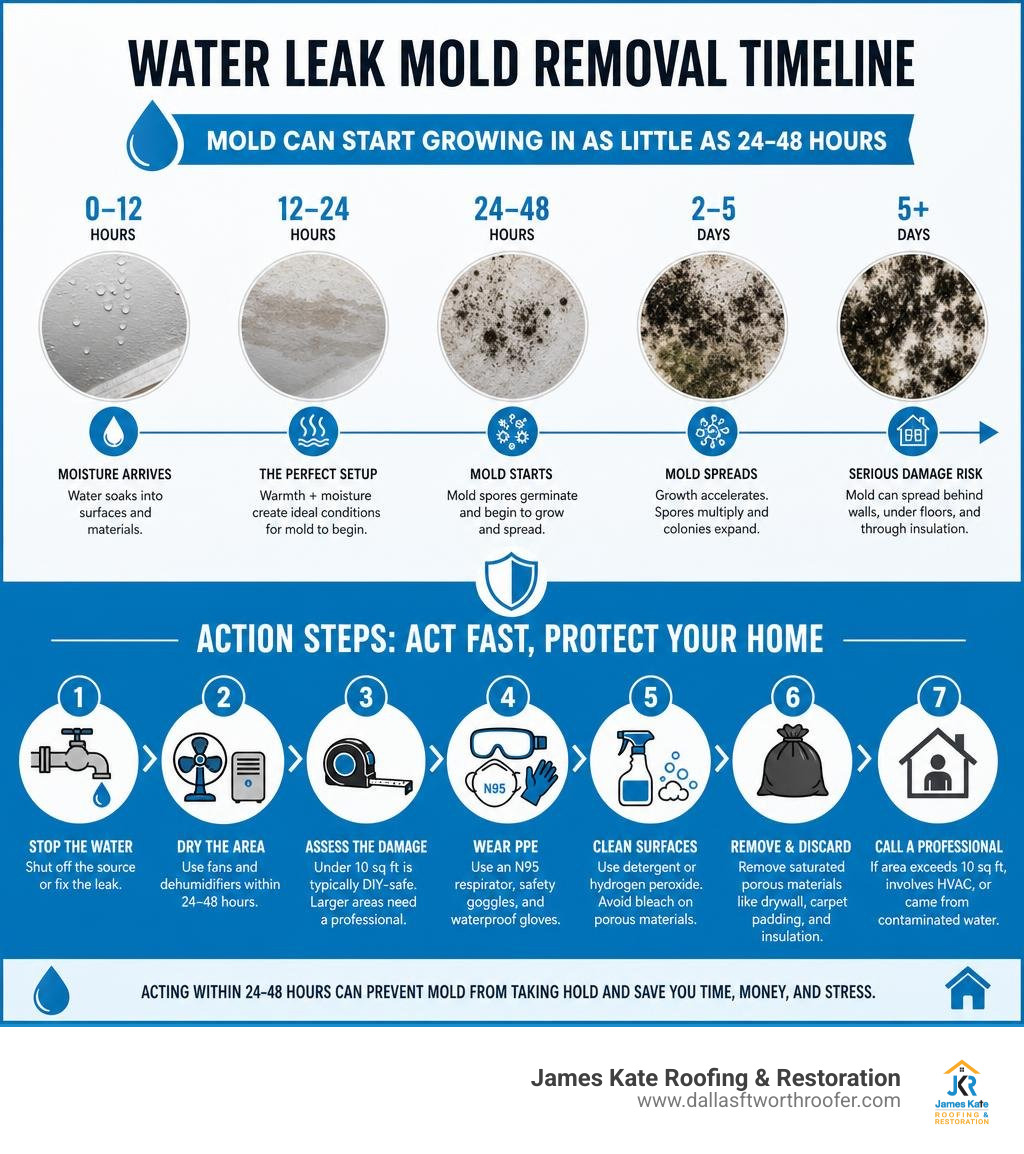
Water leak mold removal is urgent — and the clock starts the moment moisture hits your walls, ceiling, or floor. Here’s a quick overview of what to do:
- Stop the water source immediately (shut off the main valve or fix the roof leak)
- Dry the area within 24–48 hours using fans and dehumidifiers
- Assess the mold area — under 10 sq ft is typically DIY-safe; larger areas need a pro
- Wear PPE — N95 respirator, safety goggles, and waterproof gloves before entering
- Clean hard surfaces with detergent or hydrogen peroxide (not bleach on porous materials)
- Remove and discard saturated porous materials like drywall, carpet padding, and insulation
- Call a professional if the area exceeds 10 sq ft, involves HVAC, or came from contaminated water
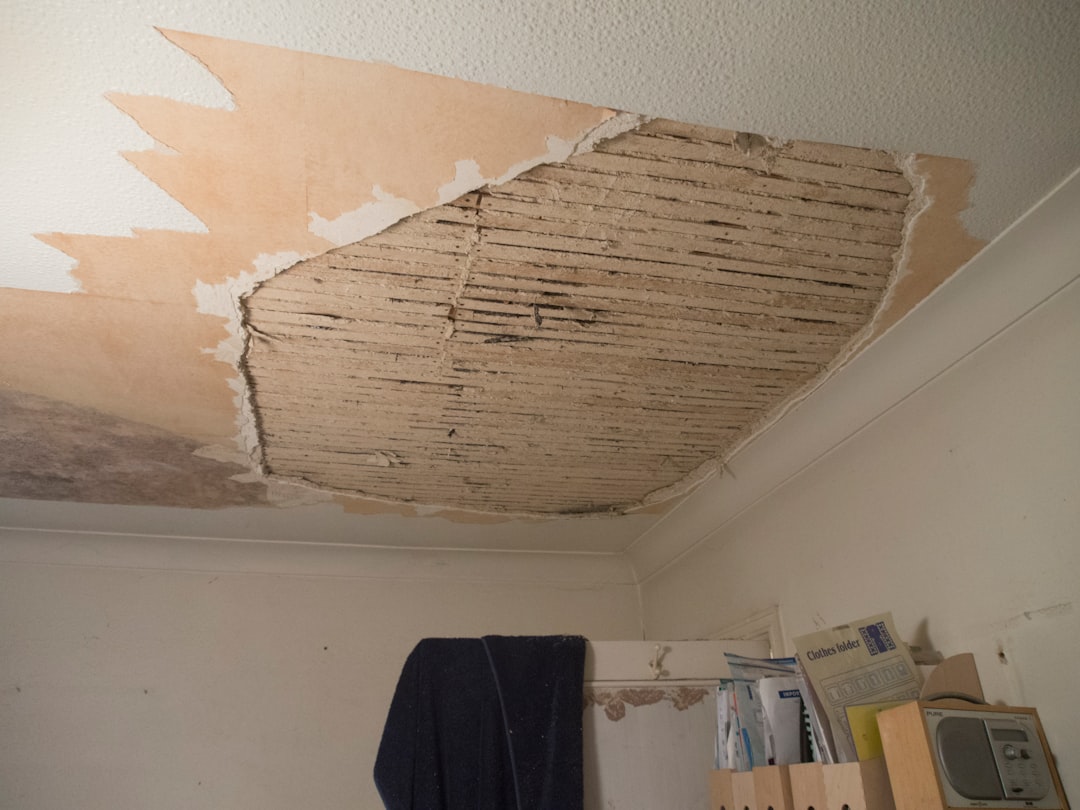
A water leak that goes unaddressed doesn’t just stain your ceiling. It quietly creates the warm, damp conditions that mold needs to take hold — and mold can begin growing in as little as 24 to 48 hours after water damage occurs. By the time you see it or smell it, it may already be spreading inside your walls, under your floors, or through your insulation.
For DFW homeowners, this is especially relevant. Our hot summers and periodic severe storms create the perfect setup for leaks to go unnoticed — whether it’s a slow roof drip after a hailstorm or a burst pipe behind drywall. And once mold takes hold, the damage compounds fast.
I’m Dustin Eatman, owner of James Kate Roofing & solar, and over the years I’ve seen how quickly a small roof leak or water intrusion can turn into a serious mold problem that demands costly water leak mold removal — often because the initial damage wasn’t addressed quickly enough. In this guide, I’ll walk you through exactly what to do, step by step.
Related content about water leak mold removal:
The Critical 24–48 Hour Window After a Water Leak
When water invades your home, you are officially in a race against biology. Mold spores are naturally present in almost every indoor environment, floating harmlessly through the air. However, they only require three things to transform from dormant particles into active, destructive colonies: moisture, a food source (such as the paper backing on drywall, wood framing, or carpet padding), and warm temperatures.
Because most homes are kept between 60°F and 80°F, temperature is rarely a limiting factor. Once water is introduced, the germination process begins. According to established scientific research, mold can begin growing on damp surfaces in as little as 24 to 48 hours.
If you miss this critical window, the scope of your recovery project changes dramatically. What could have been a straightforward water extraction and drying job now becomes a complex mold remediation project. To understand how quickly this window closes, you can read more about the timeline of mold after water damage. Acting within the first two days is your best defense against structural damage and indoor air contamination. For a complete look at how to navigate the immediate aftermath of water intrusion, refer to our Water Damage solar Survival Guide.
How to Locate and Stop the Water Leak First
You cannot begin cleaning up mold while the moisture source is still active. If you clean mold without fixing the leak, the spores will return within days.
Finding the source of the water can sometimes be trickier than it seems because water travels along structural paths of least resistance. Here is how we recommend locating and stopping the most common leaks in DFW homes:
- Plumbing Leaks: If you notice water pooling or dripping indoors, immediately locate your home’s main water shutoff valve. Turning this off stops the pressurized flow of water and prevents further flooding. If the leak is isolated to a specific sink, toilet, or appliance, use the local shutoff valve nearby. For appliance-specific issues, check out The Ultimate Guide to Cleaning Up After Appliance Leaks.
- Roof Leaks: In cities like Mansfield, Arlington, and Grand Prairie, severe storms can lift shingles or damage roof flashing. Look for brown or yellowish stains on your ceiling, bubbling paint on walls, or damp insulation in your attic. During a rainstorm, safely check your attic with a flashlight to trace the path of dripping water back to its roof penetration point.
- Hidden Slow Drips: Some leaks don’t flood your home immediately. A slow drip behind baseboards or inside wall cavities can go unnoticed for weeks. Keep an eye out for peeling wallpaper, warping trim, or a sudden, unexplained jump in your water bill.
Drying the Structure to Prevent Hidden Moisture
Once the leak is stopped, you must dry the structure as fast as possible. Simply wiping up surface water is not enough. Moisture quickly wicks deep into drywall, wood framing, and subfloors, remaining trapped even when the surface feels dry to the touch.
To thoroughly dry your home and prevent hidden mold, you need to use professional-grade equipment:
- Water Extraction: Use a heavy-duty wet/dry shop vacuum to pull as much standing water out of carpets and floors as possible.
- Air Movers: Position high-velocity air movers to blow air directly across wet walls, floors, and framing. This accelerates evaporation. Note: If mold has already started growing, avoid using fans, as they will blow mold spores throughout your home.
- Industrial Dehumidifiers: Air movers pull moisture out of materials and put it into the air. If you don’t remove that airborne moisture, it will simply settle back onto other surfaces. Run industrial dehumidifiers alongside your air movers to capture this moisture.
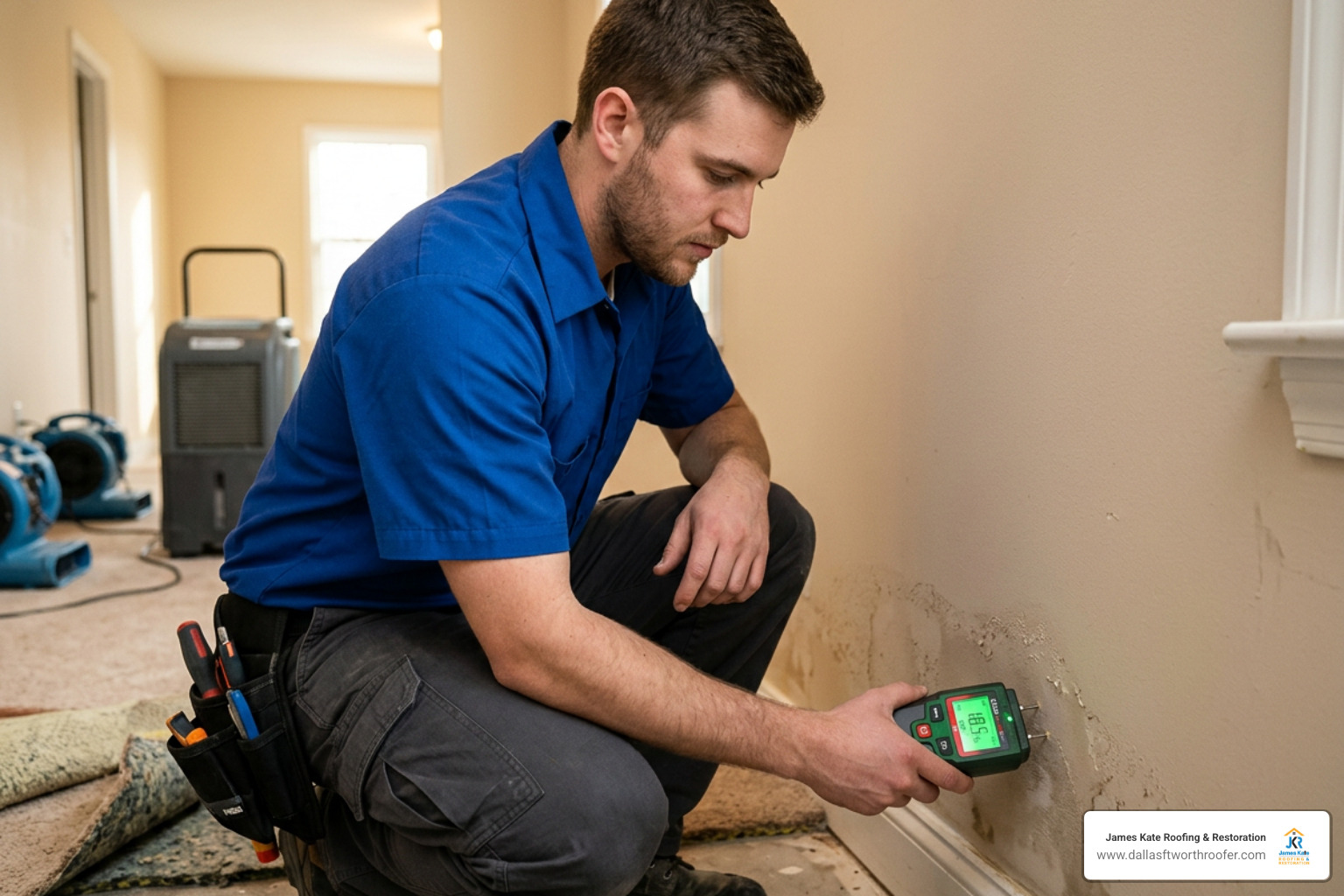
- Moisture Monitoring: Use a moisture meter to verify that materials are truly dry. As a rule of thumb, drywall is considered safe when moisture levels are below 16%, and wood framing should read below 19%. Keep relative humidity in the room below 50% during the drying process, monitoring it with a hygrometer.
Identifying Mold and Understanding the Health Risks
How do you know if you are dealing with mold? In many cases, your nose will tell you before your eyes do. A persistent musty, earthy smell is a classic indicator of hidden microbial growth, particularly behind walls or under flooring.
Visually, mold can appear in a variety of colors, including black, olive green, white, gray, or brown. It often looks fuzzy, velvety, or powdery. Mildew, on the other hand, typically grows flat and powdery and is usually lighter in color.
Approximately two-thirds of people in the USA have experienced mold of some form in their homes, and almost a quarter say they have experienced a serious mold issue. This is not just an aesthetic problem. Mold exposure carries real health risks:
- Allergies: Between 3% and 10% of people have a mold allergy, according to the Allergy & Asthma Network. Exposure can trigger sneezing, runny noses, red eyes, and skin rashes.
- Asthma: Mold spores can trigger severe asthma attacks in sensitive individuals. Long-term childhood exposure to damp, moldy homes has also been linked to an increased risk of developing asthma.
- Severe Infections: Immunocompromised individuals, the elderly, and infants should avoid entering any mold-contaminated areas, as they are vulnerable to serious systemic fungal infections.
If you suspect mold, you can review the official Scientific guidelines on mold cleanup provided by the EPA to understand the safety protocols required.
Safe and Effective Water Leak Mold Removal: DIY vs. Professional Remediation
Before you grab a scrub brush, you must determine whether it is safe to handle the cleanup yourself. Both the EPA and the Institute of Inspection, Cleaning and solar Certification (IICRC) use a size-based framework to guide this decision:
- The 10 Square Feet Rule: If the total affected moldy area is less than 10 square feet (roughly a 3-foot by 3-foot patch), in most cases, homeowners can handle the cleanup themselves.
- Areas Over 10 Square Feet: If the mold covers a larger area, or if it has penetrated deep into structural wall cavities, you should hire a professional remediation company.
- Contaminated Water (Category 3): If the water leak came from a sewer backup, river flood, or storm surge, the water is classified as Category 3 (black water). This water carries harmful bacteria, viruses, and parasites. DIY cleanup is highly dangerous in these situations; professional mitigation is always required.
- HVAC Contamination: If you suspect mold has entered your heating, ventilation, and air conditioning system, do not run the system. Doing so will distribute spores throughout your entire home. HVAC mold remediation requires specialized containment and cleaning protocols.
| Feature | DIY Cleanup | Professional Remediation |
|---|---|---|
| Area Size | Under 10 square feet | Over 10 square feet |
| Water Type | Clean water (Category 1) only | Gray (Category 2) or Black (Category 3) water |
| HVAC Involvement | No HVAC contamination | Any suspected HVAC mold |
| Equipment Used | Standard household PPE, household cleaners | Air scrubbers, negative air machines, moisture mapping |
| Structural Demolition | Surface cleaning only | Wall cavity drying, framing treatment, structural rebuild |
If your situation requires professional intervention, you can find certified Mold Mitigation Services Near You to handle the containment and extraction safely.
When to Choose DIY Water Leak Mold Removal
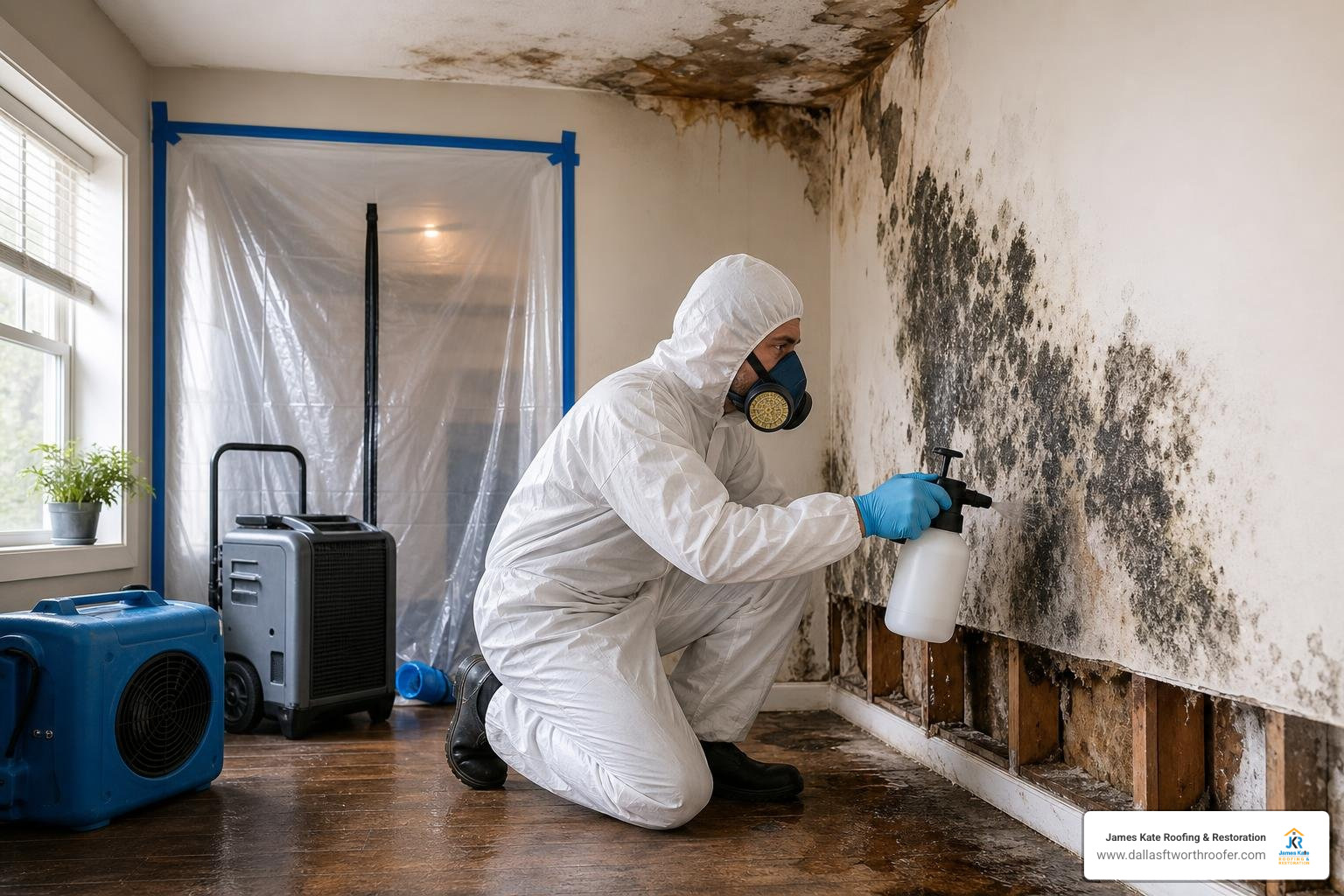
If your mold issue is small, contained, and on non-porous surfaces, you can safely tackle the job. However, you must protect yourself from inhaling or touching mold spores during the process. Before entering the area, put on the following Personal Protective Equipment (PPE):
- N95 Respirator: A standard dust mask is not enough to filter out microscopic mold spores. Wear a properly fitted N95 respirator.
- Safety Goggles: Choose sealed goggles without ventilation holes to prevent spores from irritating your eyes.
- Protective Gloves: Wear long, forearm-length nitrile or rubber gloves to keep cleaning agents and mold off your skin.
- Protective Clothing: Wear long sleeves and pants, and wash them in hot water immediately after finishing the cleanup.
For a simple step-by-step breakdown of how to execute a safe cleanup, read our guide on How to Remove Mold in 5 Simple Steps.
The Step-by-Step Process for Water Leak Mold Removal on Hard Surfaces
For non-porous or semi-porous surfaces like tile, concrete, metal, or solid wood, you can remove mold using target cleaning solutions.
Why Bleach is Often Not Recommended: Many homeowners immediately reach for chlorine bleach to kill mold. However, environmental and solar experts generally advise against this. Bleach is highly effective on non-porous surfaces like glass or metal, but it performs poorly on porous materials like drywall or wood. Bleach contains about 90% water. When applied to porous materials, the chlorine chemical remains on the surface, while the water penetrates deep into the material. This actually feeds the mold roots (hyphae) left behind, causing the mold to return even stronger. Furthermore, bleach releases harsh fumes and can damage structural materials.
Instead, follow these steps using safer, more effective alternatives:
- Isolate the Area: Close doors and seal off vents to prevent spores from traveling. You can hang plastic sheeting over doorways.
- Mist the Area: Lightly spray the moldy area with water before scrubbing. This dampens the spores, preventing them from becoming airborne when disturbed.
- Apply a Cleaning Solution: Use a dedicated commercial mold remover, household white vinegar, or a 3% hydrogen peroxide solution. Hydrogen peroxide breaks down safely into oxygen and water while effectively killing mold roots.
- Scrub Thoroughly: Use a stiff-bristled brush to scrub the mold away.
- Rinse and Dry: Wipe the surface clean with damp rags, and immediately dry the area using fans or dehumidifiers.
If you are looking for rapid household cleaning solutions, you can find more tips on How to Remove Household Mold Fast.
Salvageable vs. Unsalvageable Materials
Porous materials act like sponges. When they remain wet for more than 24 to 48 hours, mold grows deep inside their fibers, making them impossible to clean completely.
- Unsalvageable Materials (Must Be Discarded): Drywall, insulation, carpet padding, and ceiling tiles must be cut out and thrown away once they are saturated or showing mold growth. When removing drywall, always cut at least 12 inches past the visible mold boundary, as microscopic roots extend further than what is visible to the eye. Bag these materials securely inside the containment area before carrying them out of your home.
- Salvageable Materials: Solid wood framing, concrete, glass, metal, and plastic can usually be saved through thorough cleaning, disinfection, and rapid drying.
To learn more about identifying highly hazardous water damage that renders materials unsalvageable, read our resource on Everything You Need to Know About Category 3 Water Loss. If you are dealing with sewage-polluted water, you will also want to understand the protocols detailed in Black Water Blues: Understanding and Remediating Category 3 Water Damage.
Navigating Homeowners Insurance and Mold Claims
One of the most common questions homeowners ask after discovering mold is: Will my insurance policy cover this?
The answer depends entirely on the source of the water leak:
- Sudden and Accidental Damage: If the mold is a direct result of a sudden, covered event — such as a water pipe bursting or a tree falling on your roof during a storm — homeowners insurance will typically cover the cost of both water mitigation and mold remediation.
- Gradual Neglect: If the mold is caused by a long-term, slow leak that you neglected to fix, or general lack of home maintenance (such as a roof leak that went unrepaired for months), the claim will likely be denied.
- Policy Sublimits: Many standard homeowners insurance policies in Texas have specific “mold sublimits,” which cap mold remediation coverage at $5,000 to $10,000, even if the overall water damage claim is covered for much more.
To give your claim the best chance of approval, document everything immediately. Take clear photos and videos of the active leak, the water damage, and the mold growth before any cleanup begins. Keep a detailed log of moisture readings and save all receipts from emergency repairs. For a realistic look at potential out-of-pocket costs, you can view our guide on Water Damage Repair Costs: A Comprehensive Guide to What You’ll Pay.
How to Prevent Mold from Returning Long-Term
Once your home is clean and dry, you want to keep it that way. Mold prevention is entirely about moisture control. If you control the moisture, mold cannot grow.
Here are the best long-term prevention strategies for DFW homes:
- Control Indoor Humidity: Keep your home’s relative humidity between 30% and 50% year-round. Use your air conditioner or a whole-home dehumidifier, especially during humid Texas summers.
- Improve Ventilation: Always run exhaust fans in bathrooms and kitchens during and after use. Ensure these fans vent directly to the outdoors, never into your attic space.
- Maintain Attic Airflow: Proper attic ventilation keeps temperatures down and prevents condensation from building up on your roof sheathing. To learn how to protect this space, read our guide on How to Safely Evict Mold from Your Attic for Good.
- Keep Up with Roof Maintenance: Inspect your roof twice a year and after major hail or wind storms. Replace damaged shingles and keep gutters clean so water drains away from your home’s foundation and siding.
Frequently Asked Questions about Mold Remediation
Is testing required to confirm if a black substance is toxic mold?
No, testing is generally not required before starting cleanup. While there are thousands of mold species, any mold growing indoors should be removed regardless of its specific type. Visual confirmation of mold or a strong, persistent musty odor is enough evidence to take action. Professional air sampling is most useful after remediation is complete to verify that indoor spore levels have returned to normal, safe outdoor baselines.
Why is bleach not recommended for cleaning mold on drywall?
Drywall is highly porous. When you apply chlorine bleach to drywall, the chlorine chemical cannot penetrate the porous surface, so it stays on top, while the water content in the bleach sinks deep into the drywall. This feeds the mold roots (hyphae) embedded inside the material, often causing the mold to return deeper and more widespread than before.
Does homeowners insurance cover mold remediation after a roof leak?
Yes, but only if the roof leak was caused by a sudden, accidental event covered by your policy, such as hail or wind damage from a storm. If the roof leak occurred gradually due to wear and tear or aging shingles, the insurance company will likely classify it as a maintenance issue and deny the mold claim.
Conclusion
Handling mold after a water leak requires fast, decisive action. By stopping the water source immediately, drying your home within the critical 24-to-48-hour window, and using proper containment and cleaning protocols, you can protect both your home’s structural integrity and your family’s health.
At James Kate Roofing & solar, we are a family-owned DFW company serving Mansfield, Arlington, Granbury, Grand Prairie, and Midlothian, TX. Our business is built on honesty, integrity, and Biblical principles. We are recognized as a GAF President’s Club member and offer up to a 25-year workmanship warranty on our roofing services.
When water damage strikes, we handle the entire recovery process from start to finish: water mitigation, mold mitigation, and full build-back construction once the area is safe and dry. You don’t have to navigate this stressful process alone. Schedule professional solar services with us today, and let our team restore your home and your peace of mind.

Dustin Eatman is a seasoned roofing professional with deep, hands-on expertise that spans residential and commercial roofing, insurance solar, and long-term roof asset management. As the owner of James Kate Roofing & solar in the Dallas–Fort Worth metroplex, he’s built a reputation for diagnosing roof systems accurately, communicating clearly, and executing projects with a high standard of workmanship and documentation. Dustin understands the technical details that make roofs perform—proper underlayment selection, slope and drainage considerations, ventilation strategy, flashing and penetration detailing, and manufacturer-specific installation requirements—because he’s worked through the real-world challenges that cause leaks, premature wear, and warranty issues. He’s equally fluent in the operational side of roofing: jobsite planning, quality control, safety, material ordering, crew coordination, and customer experience from inspection to closeout. In insurance-related projects, Dustin brings practical knowledge of claim workflows, adjuster meetings, scope alignment, supplements, and the importance of photo evidence and thorough records, helping property owners navigate stressful situations with confidence. For commercial clients—especially property and facility managers—he emphasizes proactive maintenance and targeted repairs that reduce disruption, extend roof life, and prevent expensive interior damage. Dustin also stays focused on doing things the right way: educating customers on realistic options, setting expectations, and prioritizing solutions that hold up over time rather than quick fixes. That blend of technical skill, field experience, process discipline, and owner-level accountability is what makes Dustin Eatman a trusted expert in the roofing industry.