Roofing in Texas comes with its own set of challenges and considerations. The state’s diverse climate, ranging from intense sun and heat to unpredictable storms, demands careful planning and execution. Avoiding common roofing mistakes can ensure that your roof withstands these elements and lasts for years.
Choosing the right roofing material is critical. Different materials offer unique benefits and drawbacks, particularly when faced with Texas weather conditions. Making an informed decision on materials can help provide the best protection for your home.
Proper installation is another key factor. Missing crucial steps can lead to problems down the road, affecting the roof’s performance and durability. Additionally, regular maintenance and understanding local building codes are essential to keep your roof in top shape. Neglecting these aspects not only risks damage but could also result in costly repairs or fines. Building a strong, compliant roof starts with knowing what mistakes to avoid.
Choosing the Wrong Roofing Material
In Texas, choosing the right roofing material is key due to its diverse and challenging climate. From scorching summers to occasional hailstorms, your roof needs to withstand various weather conditions. Selecting a suitable material helps protect your home and ensures longevity.
Consider the pros and cons of popular roofing materials. Asphalt shingles are common and cost-effective, providing a decent lifespan with proper maintenance. However, they may not hold up well against hail damage. Metal roofing, known for its durability, can resist high winds and reflects heat, reducing cooling costs. Yet, metal roofs can be noisy during rain. Tile roofs, often seen in classic, stylish designs, are excellent for hot temperatures and quite durable. Unfortunately, the weight of tile roofs might require additional structural support.
To select the right material, think about your budget, home style, and specific weather challenges in your area. Research the materials that best fit your needs. Consult with a roofing professional to discuss which options offer the best balance between cost, durability, and aesthetics. Also, check warranty offers and maintenance requirements to make the most informed decision for your roof.
Skipping Proper Installation Steps
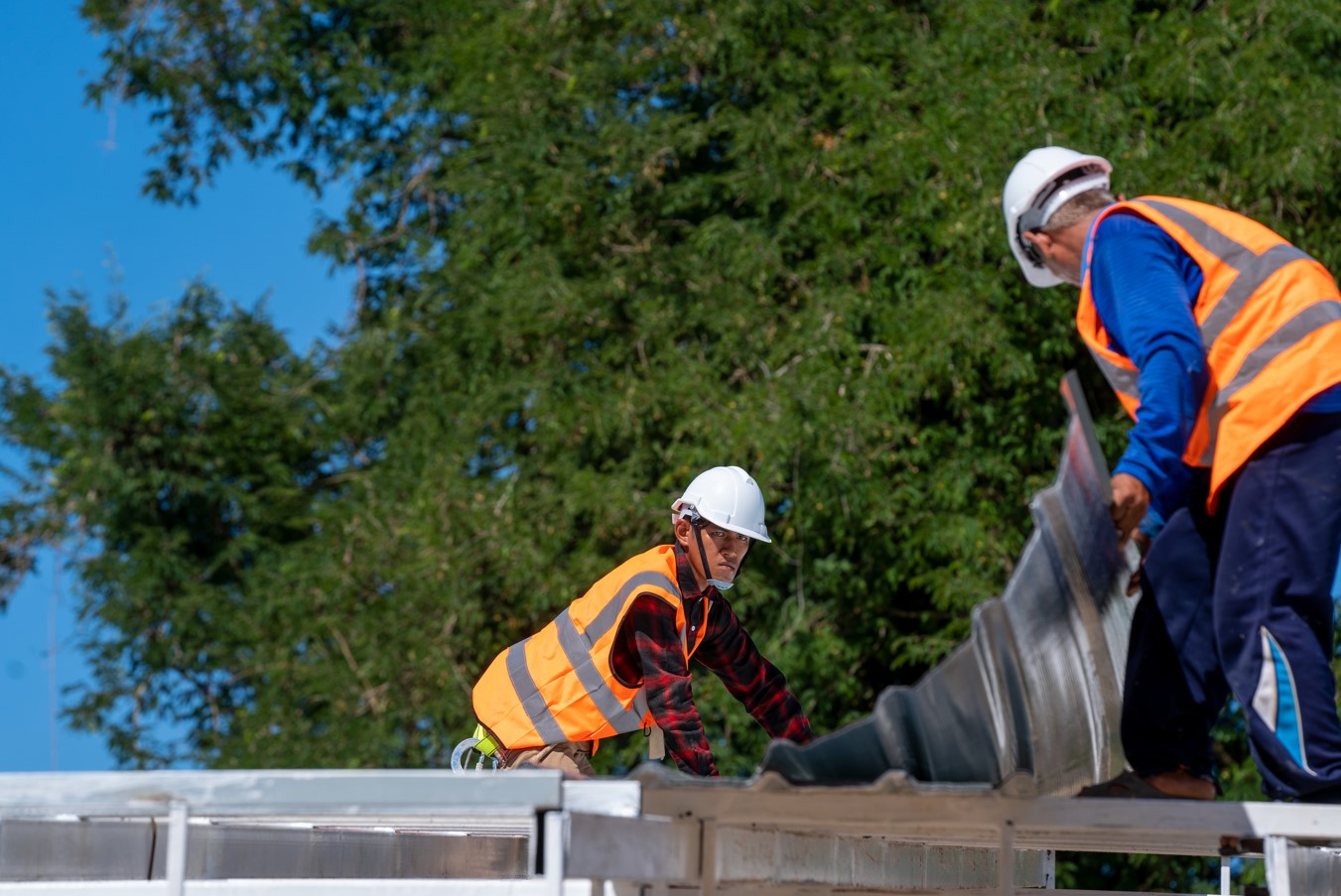
Proper installation is crucial for the effectiveness and longevity of your roof. Skipping key installation steps can lead to future issues, compromising your roof’s ability to protect your home. Ensuring the installation is done correctly prevents problems like leaks, sagging, and premature wear.
Installation guidelines are not just suggestions; they are essential steps tailored to each roofing material. Following these instructions ensures the roof performs as expected and lasts its intended lifespan. Shortcuts, like using fewer nails or skipping underlayment, may save time initially but can result in significant damage later.
Here are vital installation aspects to watch for:
1. Secure Fastening: Proper nailing techniques are critical to withstand wind uplift. Ensure the correct type and number of nails are used.
2. Quality Underlayment: Use high-quality weatherproof underlayment to offer another layer of protection against water intrusion.
3. Ventilation and Insulation: Adequate attic ventilation prevents moisture buildup and prolongs roof life, while proper insulation keeps your home energy-efficient.
4. Flashing Integrity: Ensure flashing is installed around vulnerable areas like chimneys and vents to prevent leaks.
Make sure installers are experienced and aware of the best practices for your chosen material. Verifying each step during the installation process can save on future repairs and maintain the roof’s performance over time.
Ignoring Regular Roof Maintenance
Skipping regular maintenance can lead to serious roofing issues. Regular inspections are vital as they help catch problems early before they require costly repairs. By maintaining your roof, you extend its life and ensure it continues to protect your home effectively.
Inspections should be done at least twice a year and after significant weather events. Look for signs of damage, like missing shingles, rusted flashing, or debris buildup. Promptly addressing these issues prevents further deterioration.
Essential maintenance tasks include:
1. Cleaning Gutters: Ensure gutters are clear to prevent water from backing up and causing roof damage.
2. Checking for Leaks: Inspect for any signs of water intrusion inside your home where there might be a leak.
3. Removing Debris: Keep the roof surface free from leaves and branches that can trap moisture.
4. Trimming Overhanging Trees: Cut back branches that could fall and damage the roof.
Always stay alert to signs that your roof needs immediate attention. These include unexplained water stains inside your house, sagging roof sections, or granules appearing in your gutters. Keeping up with these tasks will protect your roof from weathering and avoid unexpected expenses down the line.
Overlooking Local Building Codes and Regulations
Compliance with local building codes is crucial for any roofing project in Texas. These regulations ensure that roofs are constructed to withstand local weather conditions and are safe for occupants. Ignoring these codes not only risks structural integrity but could also result in hefty fines or forced repairs.
Texas roofing codes may include specifications on materials, installation techniques, and structural support. Understanding these requirements can prevent potential compliance issues. Researching your area’s building codes is essential before you begin any roofing project.
Consequences of non-compliance include delayed project completion, additional expenses to correct violations, or even legal actions. The simplest way to avoid these problems is to engage knowledgeable roofing professionals familiar with local regulations. They ensure your roof meets all current standards and codes, providing peace of mind.
Tips to ensure compliance:
– Consult Local Authorities: Before starting, talk to local building authorities to understand specific requirements.
– Document Everything: Keep detailed records of any inspections and permits.
– Hire Certified Contractors: Work with contractors who have a proven track record of following local codes.
Staying compliant protects not just your roof but also your investment in your home.
Conclusion
Roofing is an essential part of homeownership that requires attentive choices and actions. Avoiding common mistakes with materials selection and installation can greatly impact the roof’s longevity and effectiveness. Regular maintenance and adherence to local building codes are crucial pillars that ensure optimal performance and protection against Texas weather extremes.
Safeguard your home by making informed decisions and staying proactive with roof care. Think about the climate, materials, and regulations specific to Texas to enhance the durability and safety of your home. Each decision you make about your roof plays a critical role in the overall value and comfort of your home.
For expert advice and roofing services tailored to the unique needs of Texas, reach out to James Kate Roofing & Sola. Our team is ready to assist you with material selection, proper installation, regular maintenance, and compliance with local codes to keep your roof in top-notch condition. Contact us today to secure the best protection for your home.
