What Happens When Water Hits Your Business — and What to Do About It
Commercial water damage solar is the process of extracting water, drying out a building, and repairing structural damage after a flood, leak, or plumbing failure at a business property.
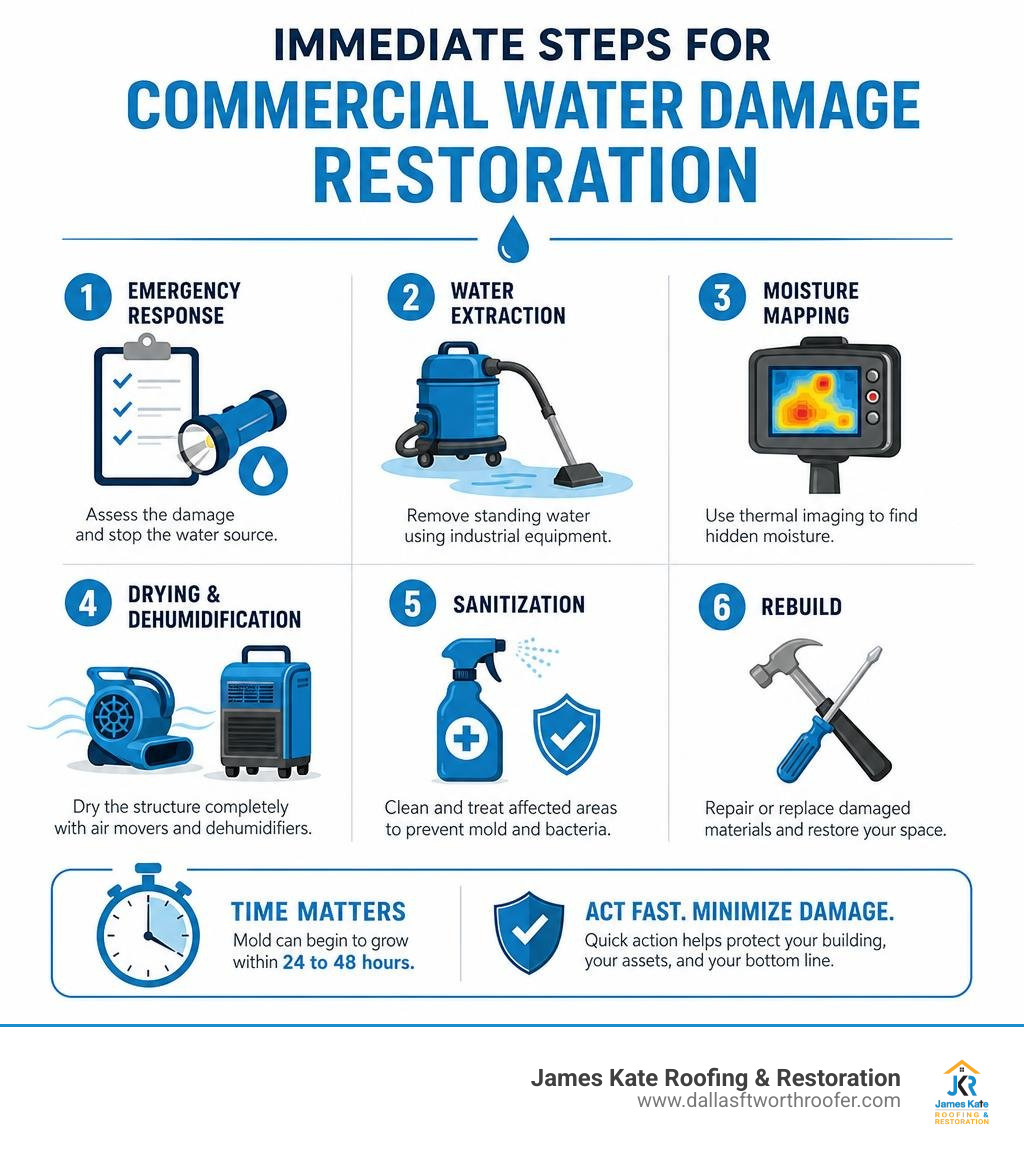
Here’s a quick overview of what it involves:
| Step | What Happens |
|---|---|
| 1. Emergency Response | A solar crew arrives, assesses the damage, and stops the water source |
| 2. Water Extraction | Industrial pumps and vacuums remove standing water |
| 3. Moisture Mapping | Thermal imaging finds hidden water in walls, floors, and ceilings |
| 4. Drying & Dehumidification | Air movers and dehumidifiers dry the structure completely |
| 5. Sanitization | Antimicrobial treatments prevent mold and bacteria growth |
| 6. Rebuild | Damaged drywall, flooring, and structural elements are repaired or replaced |
Water damage can strike without warning. A pipe bursts overnight. A roof leak goes unnoticed for weeks. Sprinklers discharge unexpectedly. And within 24 to 48 hours, mold can begin to grow — turning a manageable cleanup into a much bigger problem.
For business owners in the Dallas-Fort Worth area, the stakes are high. Every hour your doors stay closed is revenue you’re not earning. Every day you delay is structural damage that compounds. The good news: with the right response plan, most businesses can recover faster than they expect.
This guide walks you through everything — from understanding what you’re dealing with, to navigating insurance, to getting back open as quickly as possible.
I’m Dustin Eatman, owner of James Kate Roofing & solar in the DFW metroplex, and I’ve spent years helping commercial property owners navigate the insurance, structural, and logistical challenges of commercial water damage solar — from emergency response through full rebuild. Let’s start by making sure you understand exactly what you’re up against.
Must-know commercial water damage solar terms:
Understanding Commercial Water Damage solar
When water invades a commercial property, the immediate physical damage is only half the battle. The true threat lies in what we call “secondary damage.” If standing water isn’t extracted and materials aren’t dried out properly, structural elements begin to rot, drywall loses its integrity, and mold spores find the perfect breeding ground.
This is why we place such a heavy emphasis on immediate water mitigation. Mitigation is the foundational building block of any successful, long-term solar plan. It is a highly specialized process designed to contain the damage, stop water migration, and rescue porous materials before they are permanently ruined.
There is a critical distinction between water mitigation and water solar:
- Water Mitigation: This is the emergency containment phase. It involves shutting off the water source, extracting thousands of gallons of standing water, removing unsalvageable wet materials, and treating porous surfaces with antimicrobials to prevent bacterial growth. The goal is to stabilize the building.
- Water solar: This is the rebuilding and repair phase. Once the building is verified dry, solar takes over to replace drywall, lay down new flooring, rebuild structural supports, and return the property to its pre-loss condition.
In the DFW metroplex, where high humidity can accelerate mold growth and structural decay, taking commercial water damage swift action for business recovery is the only way to preserve your building’s structural integrity and protect your business assets.
Common Causes of Commercial Water Intrusion
Commercial buildings are complex structures with extensive plumbing networks, large-scale HVAC systems, and expansive roof lines. Water intrusion can stem from various sources, each requiring a slightly different approach to mitigation.
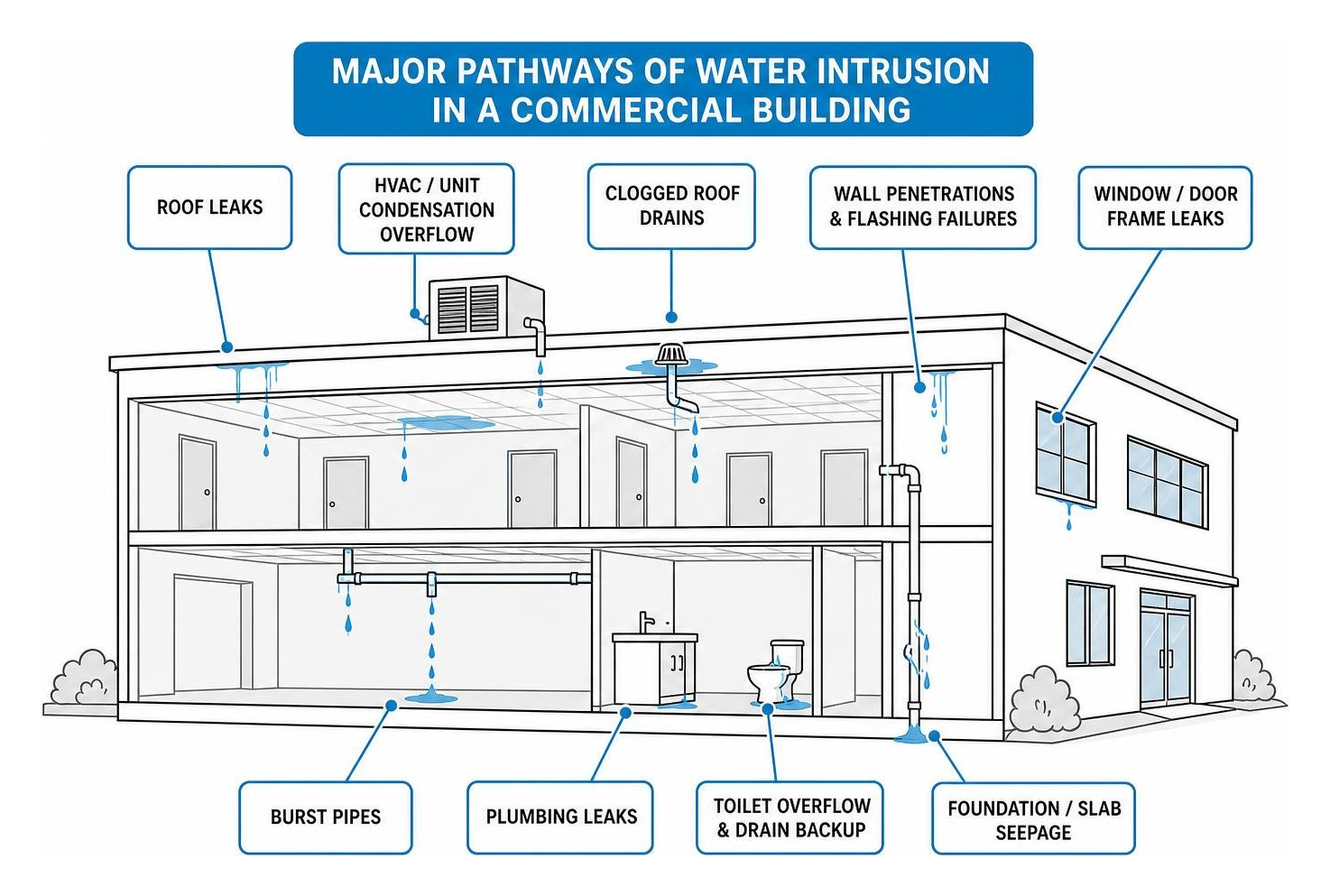
The Primary Culprits of Commercial Water Damage
- Roof Leaks: Did you know that approximately 20% of all commercial property water damage claims cite roof leakage as the primary cause? Flat roofs and low-slope commercial roofs are especially vulnerable to ponding water, clogged roof drains, and membrane punctures after severe North Texas storms.
- Burst Pipes: DFW winters can bring sudden, hard freezes. When water pipes freeze, pressure builds up behind the ice blockage, causing the pipe to rupture. When the thaw begins, hundreds of gallons of water can flood your facility in minutes.
- Sprinkler System Malfunctions: Commercial fire suppression systems are designed to save lives, but an accidental discharge or a damaged sprinkler head can release massive volumes of water across multiple floors.
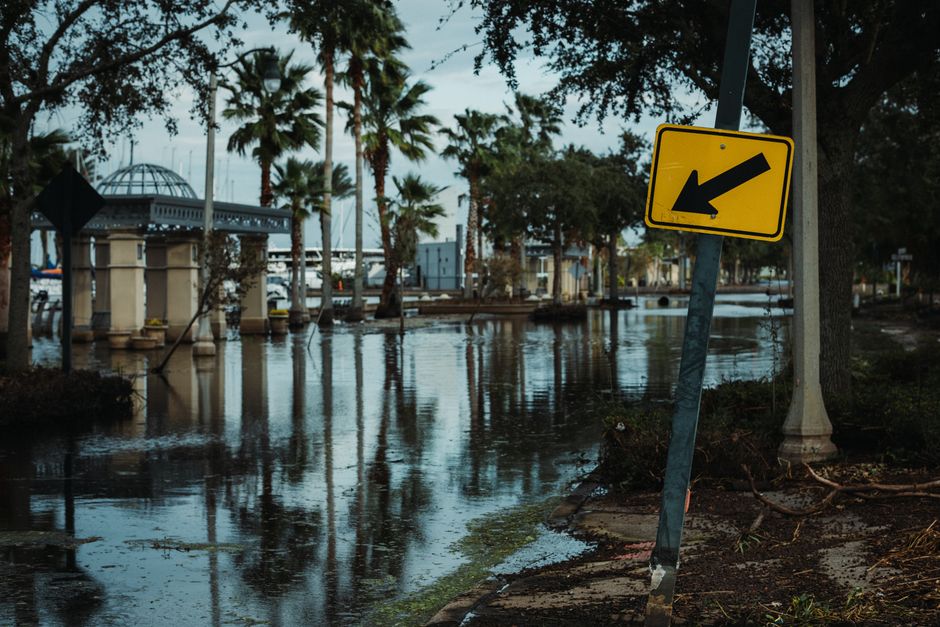
- Severe Weather and Flash Flooding: Intense spring thunderstorms, tornadoes, and rapid-onset flash flooding can overwhelm local drainage systems, pushing highly contaminated water directly into your ground-level offices or warehouses.
| Source of Water Intrusion | Typical Contamination Risk | Primary Impacted Area | Key Mitigation Action |
|---|---|---|---|
| Roof Leak | Low to Moderate | Ceilings, insulation, electrical systems | Emergency roof tarping & structural drying |
| Burst Pipe (Clean Water) | Low | Drywall, flooring, document archives | Rapid water extraction & dehumidification |
| Sprinkler Discharge | Low to Moderate | Electronics, inventory, carpets | Contents pack-out & moisture mapping |
| Flash Flooding / Sewage | High (Category 3) | Subfloors, lower walls, HVAC ducts | Hazardous material removal & sanitization |
Whether your business is located in Arlington, TX, or Granbury, TX, local weather patterns play a major role in how water enters your facility. When managing localized emergencies, having a rapid-response plan tailored to the DFW climate is essential to ensure your business receives immediate support when regional storms strike.
The Three Categories of Water Contamination
Not all water is created equal. The source of the water intrusion dictates the safety protocols, protective gear, and disposal methods we must use. The solar industry classifies water damage into three distinct categories based on contamination levels.
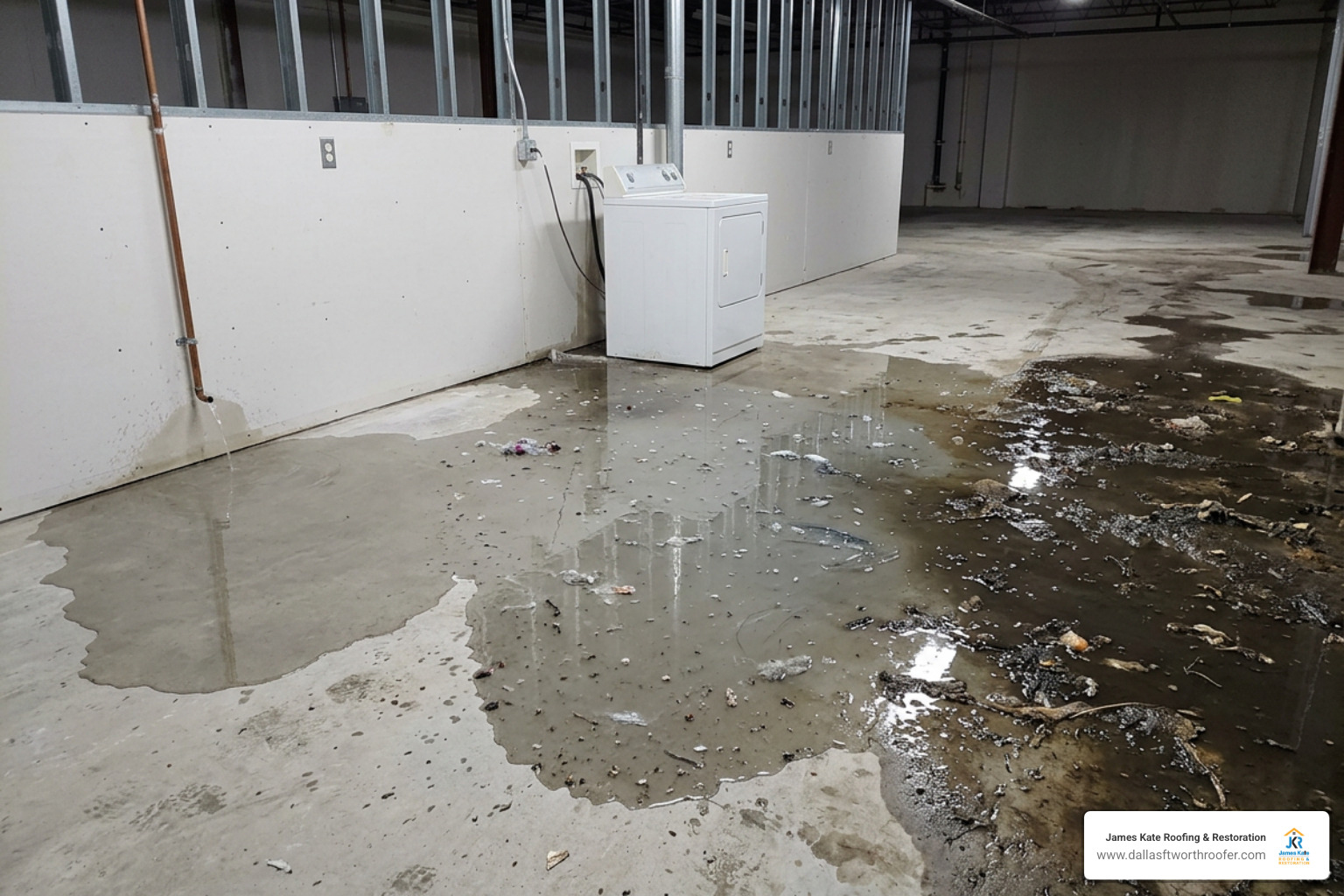
Understanding these categories is crucial because treating highly contaminated water as “clean” can expose your employees to dangerous pathogens and lead to severe liability issues. For a deep dive into this topic, read the essential guide to identifying your category of water loss.
Category 1: Clean Water
Category 1 water originates from a sanitary source and does not pose a substantial risk to humans. Examples include broken domestic water supply lines, sink overflows without contaminants, and falling rainwater. While safe initially, Category 1 water can quickly degrade into Category 2 or 3 if left standing in contact with building materials for more than 24 hours.
Category 2: Gray Water
Category 2 water contains a significant degree of chemical, biological, or physical contaminants. It can cause discomfort or sickness if consumed or contacted. Common sources include dishwasher or washing machine discharge, toilet bowls containing urine (but no feces), and sump pump failures.
Category 3: Black Water and Commercial Water Damage solar
Category 3 water is highly unsanitary and contains pathogenic, toxigenic, or other harmful agents. This category represents an immediate biological hazard. Sources include sewage backups, rising floodwaters from rivers or streams, and wind-driven rain from tropical storms.
When dealing with Category 3 water, specialized safety protocols are mandatory. Porous materials like carpets, drywall, and ceiling tiles that come into contact with black water cannot be saved and must be safely removed and disposed of. If your business has experienced this type of crisis, consult everything you need to know about category 3 water loss and black water blues understanding and remediating category 3 water damage for critical safety guidelines.
The Step-by-Step Mitigation and Drying Process
When we arrive at a commercial water damage scene in Midlothian, TX, or Grand Prairie, TX, we follow a highly structured, scientific drying process. This ensures that every drop of moisture is accounted for and extracted safely.
This process relies heavily on the industry standards of applied structural drying. Professional water damage teams commonly follow the ANSI/IICRC S500 Standard for Professional Water Damage solar to guide safe inspection, extraction, drying, and documentation practices. To understand the science behind how we manipulate temperature, airflow, and humidity to dry buildings, check out the professional secrets of applied structural drying.
Phase 1: Emergency Assessment and Commercial Water Damage solar Setup
Safety is our absolute priority. Before starting, we inspect the property for structural compromises and electrical hazards. Once safe, we locate and stop the water source.
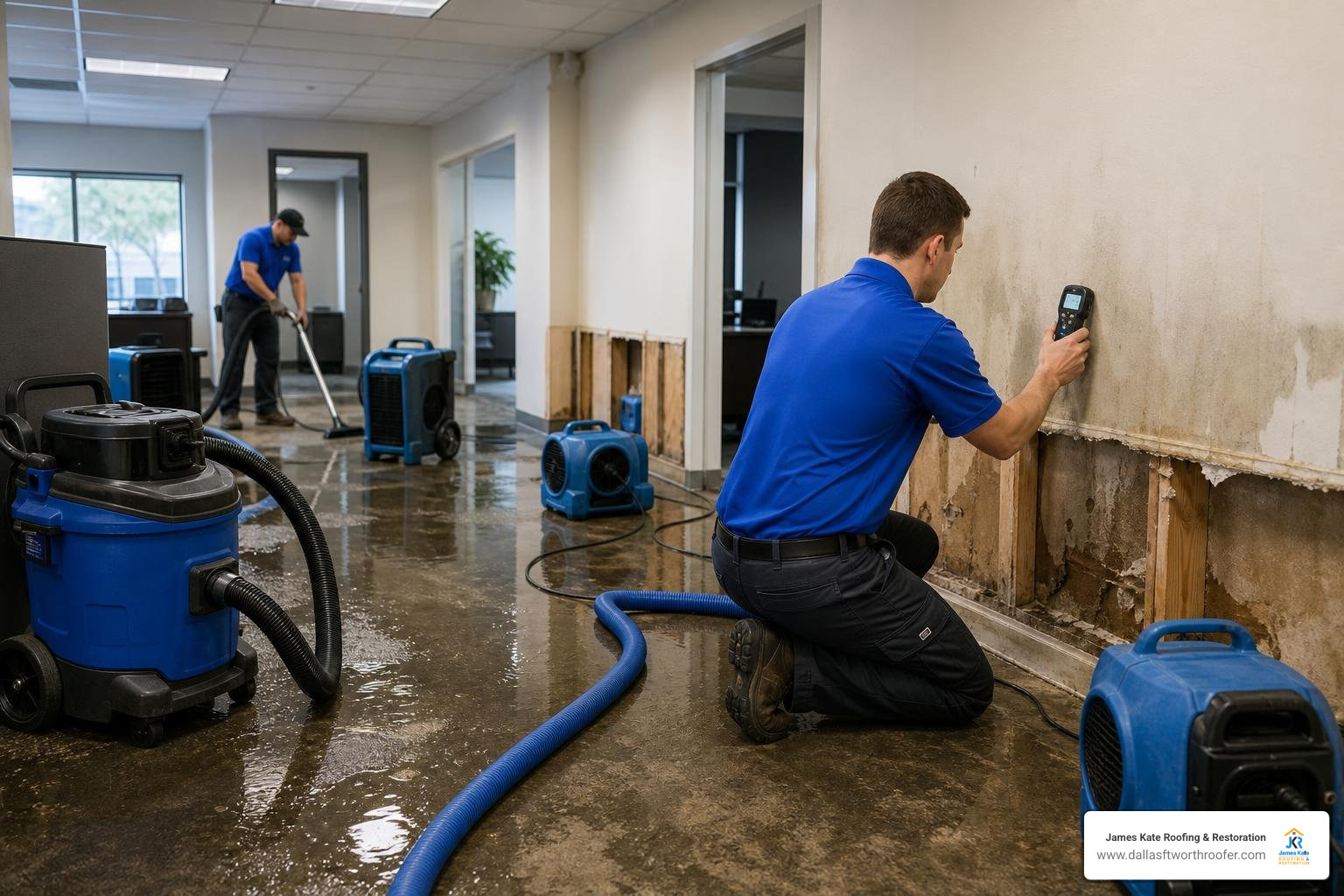
We then perform a professional water damage assessment using moisture meters and thermal imaging cameras. This allows us to create a “wet map” of the facility, identifying hidden water trapped behind drywall, under raised floors, or above ceiling tiles without performing invasive demolition.
Phase 2: Water Extraction and Material Removal
Next, we deploy heavy-duty truck-mounted extraction units and submersible pumps to remove standing water. The faster we extract the liquid water, the less moisture evaporates into the air to cause secondary damage.
During this phase, we also perform an asbestos survey before removing or cutting into wet building materials (such as drywall or flooring) if the building was constructed before 1981. Any unsalvageable, saturated materials are carefully removed to open up wall cavities for drying.
Phase 3: Dehumidification and Daily Monitoring
To pull deep moisture out of structural wood, concrete, and framing, we install industrial-strength air movers and Low Grain Refrigerant (LGR) dehumidifiers. For massive commercial spaces, we may deploy desiccant trailers. These large units sit outside the building and pump extremely dry air inside, allowing your business to continue operating with minimal indoor noise and disruption.
We monitor and record moisture levels daily, adjusting the equipment layout as the materials dry to ensure the structure meets professional “dry standards.”
If your property is in Grand Prairie or Midlothian, local support is always nearby. Our team is fully equipped and strategically positioned throughout the DFW metroplex to ensure every community we serve has immediate access to rapid-response equipment and professional drying services.
Minimizing Business Downtime and Managing Insurance
As a business owner, your primary concern is business continuity. If your doors are closed, you aren’t serving your customers. Fortunately, a professional solar process is designed to keep your business running.
How We Keep Your Doors Open
- Isolating Zones: We use heavy plastic containment barriers and negative pressure zones to seal off the flooded areas of your building. This allows your employees to safely work in the unaffected zones without being exposed to dust, noise, or drying equipment.
- Flexible Scheduling: We can coordinate our heavy extraction and noisy demolition work around your off-peak hours, nights, or weekends to minimize disruption to your daily operations.
- Proactive Emergency Ready Plans: The best way to survive water damage is to prepare for it. We help businesses map out their utility shut-off valves and establish pre-authorized decision-makers so that when a leak occurs, your staff can act instantly.
Navigating the Commercial Insurance Claim
Dealing with insurance adjusters can be overwhelming when you’re trying to manage your business. We recommend calling a professional solar company first to begin immediate mitigation. Insurance companies actually prefer this because immediate action prevents secondary damage and keeps overall claim costs down.
We document the entire drying process with detailed photo logs, moisture readings, and equipment placement maps. This transparent documentation is exactly what insurance adjusters need to process and approve your claim quickly. For a step-by-step roadmap on managing this process, refer to our water damage solar survival guide.
If you want to learn more about how fire and water solar tie together, or how to select the right team for the job, explore our comprehensive guides on fire and water damage cleanup services explained, the best pros for fire and water damage recovery, and from fire to flood how to choose your emergency remediation partner.
Frequently Asked Questions
How quickly does mold start growing after water damage?
Mold spores are always present in the air, but they require moisture to colonize. Once water saturates a porous building material (like drywall or carpet padding), mold can begin growing in as little as 24 to 48 hours. If you do not extract the water and properly dry the affected area within this critical window, mold growth is highly likely, which can lead to secondary structural damage and health risks.
Can my business remain open during the solar process?
Yes, in many cases. By using containment barriers, isolating the affected zones, and scheduling loud work during your off-hours, we can often keep your business operational. If the water damage is extensive or involves Category 3 black water, safety regulations may require a temporary closure of the affected areas until sanitization is complete.
Should I call my insurance provider or a solar company first?
You should call a commercial solar company first. While you must notify your insurance provider as soon as possible, waiting for an insurance adjuster to arrive before starting mitigation can allow water to spread, causing significantly more damage and mold growth. A professional solar team can start extracting water immediately and will work directly with your insurance provider to streamline the claims process.
Conclusion
Commercial water damage is a stressful, high-stakes challenge, but you don’t have to face it alone. Acting quickly, understanding your water category, and partnering with certified professionals can make all the difference in protecting your building and your bottom line.
At James Kate Roofing & solar, we bring a unique level of care to DFW business owners. As a family-owned company serving Mansfield, Arlington, Granbury, Grand Prairie, and Midlothian, we operate on a foundation of honesty, integrity, and Biblical principles. We are proud to be recognized in the GAF President’s Club, and we back our craftsmanship with up to a 25-year workmanship warranty.
Whether you need emergency water extraction, mold mitigation, or complete build-back construction to restore your property to its original state, our team handles it all from start to finish.
If your business is facing a water emergency or you want to establish a proactive emergency plan, contact us today through our solar services portal. We’re here to help you recover quickly, safely, and with complete peace of mind.
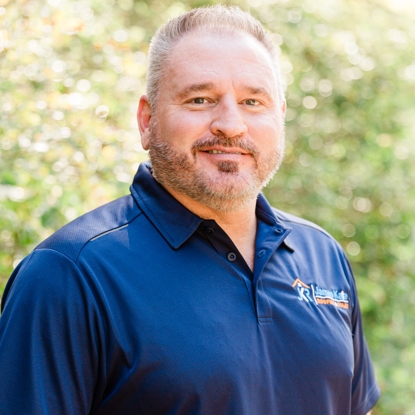
Dustin Eatman is a seasoned roofing professional with deep, hands-on expertise that spans residential and commercial roofing, insurance solar, and long-term roof asset management. As the owner of James Kate Roofing & solar in the Dallas–Fort Worth metroplex, he’s built a reputation for diagnosing roof systems accurately, communicating clearly, and executing projects with a high standard of workmanship and documentation. Dustin understands the technical details that make roofs perform—proper underlayment selection, slope and drainage considerations, ventilation strategy, flashing and penetration detailing, and manufacturer-specific installation requirements—because he’s worked through the real-world challenges that cause leaks, premature wear, and warranty issues. He’s equally fluent in the operational side of roofing: jobsite planning, quality control, safety, material ordering, crew coordination, and customer experience from inspection to closeout. In insurance-related projects, Dustin brings practical knowledge of claim workflows, adjuster meetings, scope alignment, supplements, and the importance of photo evidence and thorough records, helping property owners navigate stressful situations with confidence. For commercial clients—especially property and facility managers—he emphasizes proactive maintenance and targeted repairs that reduce disruption, extend roof life, and prevent expensive interior damage. Dustin also stays focused on doing things the right way: educating customers on realistic options, setting expectations, and prioritizing solutions that hold up over time rather than quick fixes. That blend of technical skill, field experience, process discipline, and owner-level accountability is what makes Dustin Eatman a trusted expert in the roofing industry.