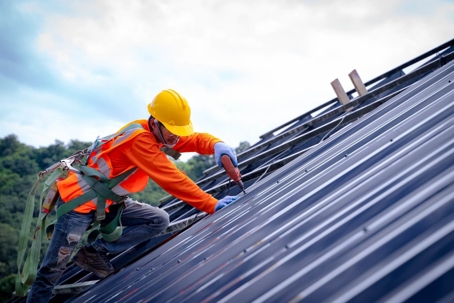
Your roof is one of the most important components of your home’s structure, providing protection from the elements and keeping you and your family safe and comfortable. However, like any other part of your house, your roof has a limited lifespan. Over time, exposure to weather conditions, temperature fluctuations, and other environmental factors can cause wear and tear that may eventually lead to the need for a roof replacement. Recognizing the signs that it’s time for a roof replacement can save you from costly repairs down the line and help maintain the integrity of your home. Here are the top five signs to watch out for:
Age of the Roof
Roofs are not designed to last indefinitely. The lifespan of a typical asphalt shingle roof, the most common roofing material, is around 20 to 25 years. If your roof is approaching or has surpassed this age range, it’s time to consider a replacement. Even if your roof appears in decent condition, the cumulative effects of years of exposure to the elements can weaken its structure and integrity, making it more susceptible to damage.
Damaged Shingles
Damaged or missing shingles indicate that your roof may need replacement. Check for shingles that are curling, cracking, buckling, or have lost their granules. These signs of deterioration can compromise the roof’s ability to keep water out. If left unaddressed, water can seep through these vulnerable spots, leading to leaks, water damage, and even mold growth inside your home.
Roof Leaks
If you notice water stains on your ceilings or walls, it strongly indicates your roof leaks. While some leaks can be repaired, persistent or recurring leaks could suggest more widespread damage to the roof’s structure. Leaks can result from various issues, including damaged flashing, deteriorated underlayment, or compromised shingles. Addressing leaks promptly is crucial to prevent further damage to your home’s interior and to avoid a potential roof collapse.
Sagging Roof Deck
A sagging or uneven roof deck is a severe problem that requires immediate attention. If you notice a dip or a sag in your roofline, it could indicate structural damage to the roof deck or the supporting trusses underneath. This can be caused by excessive moisture, rot, or even the weight of accumulated snow and ice. A sagging roof is a safety hazard requiring a roof replacement to prevent further deterioration and potential collapse.
High Energy Bills
An unexpected increase in your energy bills could be linked to a failing roof. A deteriorating roof may allow outside air to infiltrate your home, making your heating and cooling systems work harder to maintain a comfortable indoor temperature. Suppose you’ve noticed a significant rise in your energy costs. In that case, it’s worth having your roof inspected to determine if poor insulation or ventilation due to roof damage contributes to the issue.
