What to Do When You Have Storm Damage Roof Problems
Storm damage roof situations can feel overwhelming — but knowing the right steps makes all the difference.
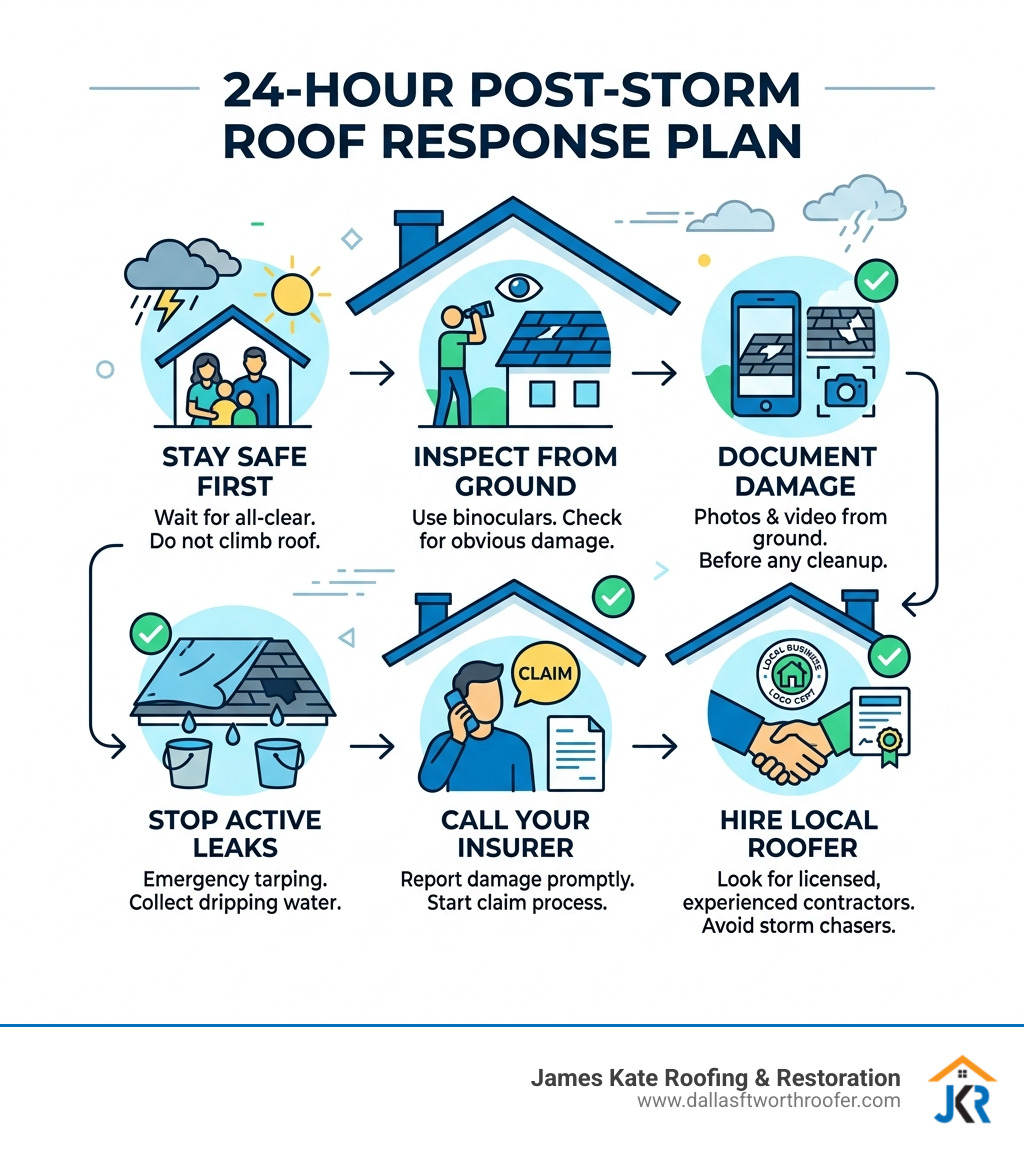
Here’s a quick overview of what to do after a storm hits your roof:
- Stay safe — wait for the all-clear before going outside
- Inspect from the ground — use binoculars; never climb a wet or damaged roof
- Document everything — photos and video before any cleanup
- Stop active leaks — buckets, towels, and emergency tarping
- Call your insurance company — report damage promptly
- Hire a local, licensed roofing contractor — avoid door-to-door storm chasers
No matter where you live in the Dallas–Fort Worth area, severe weather is a fact of life. Hail, high winds, heavy rain, and flying debris can all compromise your roof — sometimes in ways that aren’t visible from the ground. Repairs typically run between $392 and $1,929, with a national average of around $1,150 — but catching damage early can keep costs on the lower end.
The first 24 hours after a storm are the most critical. Quick action limits water intrusion, protects your insurance claim, and prevents small problems from turning into expensive structural repairs.
I’m Dustin Eatman, owner of James Kate Roofing & solar in the DFW metroplex, and I’ve spent years helping homeowners and business owners navigate storm damage roof situations — from the initial inspection all the way through insurance claims, adjuster meetings, and final installation. In this guide, I’ll walk you through every step so you can handle the process with confidence.
Related content about Storm damage roof:
Identifying Common Types of Storm Damage Roof Issues
In North Texas, we don’t just get “rain.” We get weather events that test the very limits of your home’s exterior. Understanding the specific nature of a storm damage roof event helps you communicate better with your insurance company and your contractor.
Wind Damage
Wind doesn’t have to be a tornado to cause trouble. Gale-force winds (39–54 mph) can easily lift shingles that weren’t perfectly sealed, while hurricane-force winds (74+ mph) can strip entire sections of roofing material away.
Wind damage often manifests as:
- Lifting and Curling: Sudden gusts can break the watertight seal of your shingles. Even if the shingle doesn’t blow off, that broken seal allows wind-driven rain to seep underneath.
- Scouring: High winds can literally “sandblast” the granules off your shingles, shortening their lifespan significantly.
- Missing Sections: This is the most obvious sign, leaving your underlayment and roof deck exposed to the elements.
Hail Damage
Hail is a unique beast. Most hailstorms are relatively short — rarely lasting longer than 15 minutes — but the damage they leave behind is lasting. Hailstones range from pea-sized to the size of an orange. When they hit your roof, they act like “tiny wrecking balls.”
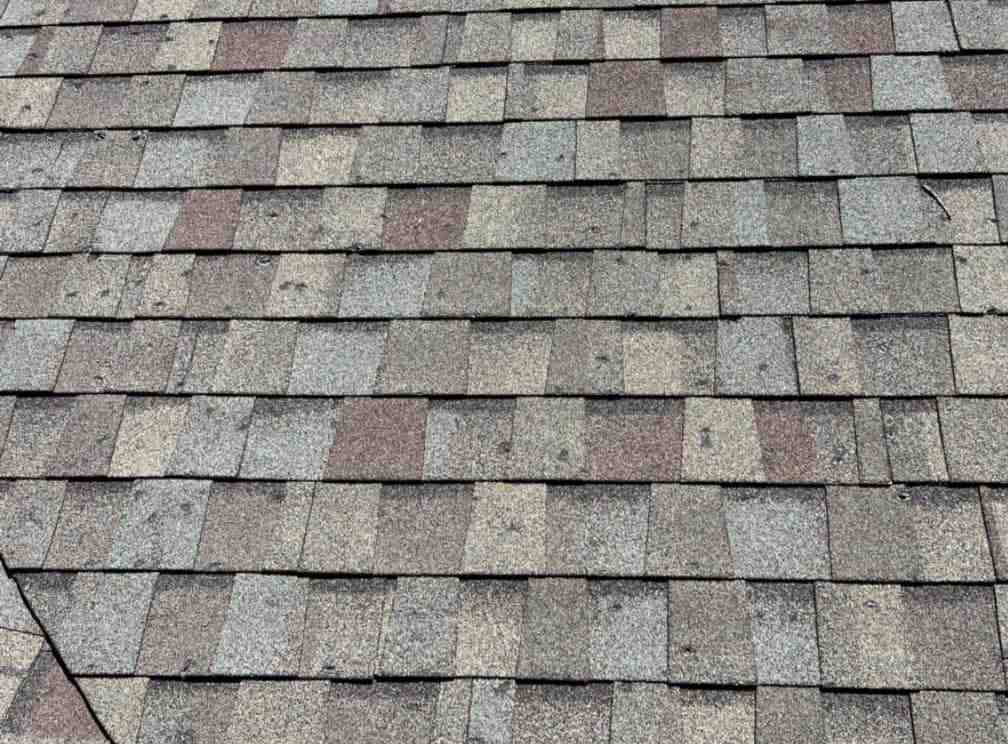
The primary issue with hail is granule loss. Shingle granules protect the asphalt layer from UV rays and water. When hail knocks these loose, the sun begins to “cook” the exposed asphalt, leading to cracks and leaks down the road. You might also see “bruising,” which feels like a soft spot on a peach when pressed.
Debris and Standing Water
During a storm, trees can become your roof’s worst enemy. Falling limbs can puncture the roof deck or damage the flashing around chimneys and vents. Furthermore, heavy rain can lead to standing water if your gutters are clogged with leaves or storm debris. This water can back up under the shingles, leading to wood rot and mold.
If you suspect you have issues, you can visit our roofing services page for a detailed breakdown of how we handle these specific repairs and solar needs in Mansfield and the surrounding areas.
Spotting Storm Damage Roof Signs from the Ground
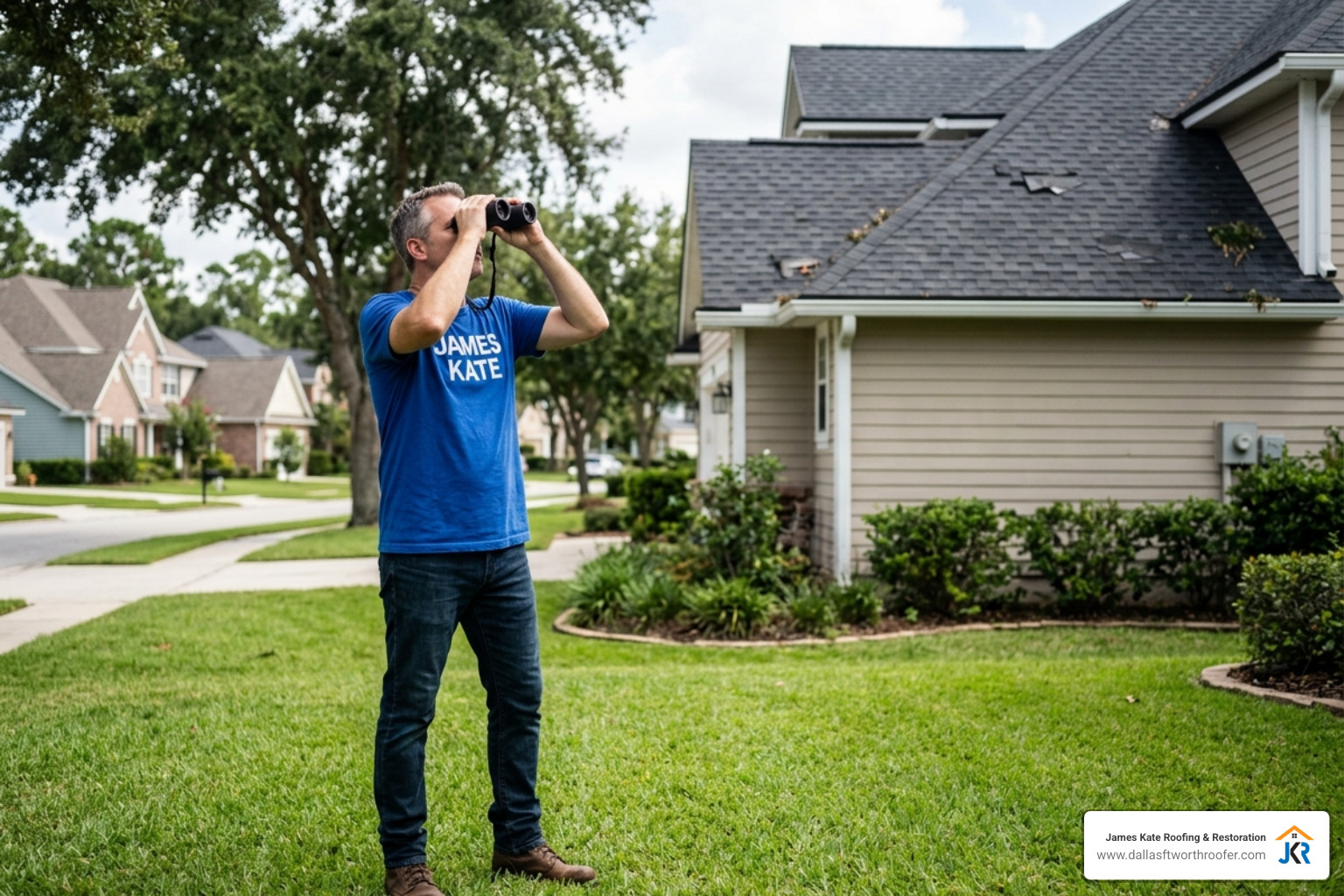
Safety is our number one priority. You should never climb onto your roof immediately after a storm; the surface may be slippery, or the structure could be compromised. Instead, grab a pair of binoculars and perform a visual sweep from the safety of your lawn.
Look for these red flags:
- Granules in the Gutters: If your downspouts are “bleeding” piles of sand-like granules, your shingles have likely taken a hit.
- Dented Vents and Gutters: Soft metals like aluminum vents, gutters, and downspouts show hail damage easily. If they are dented, your roof likely is too.
- Missing or Creased Shingles: Look for “bald spots” on the roof or shingles that appear to have a sharp horizontal line where they were folded back by the wind.
- Chimney Flashing: Check if the metal around your chimney or vents looks pulled away or dented.
For a comprehensive list, you can check this Roof Storm Damage Checklist to ensure you don’t miss any subtle signs.
Material-Specific Vulnerabilities
Different materials react to North Texas storms in different ways:
- Asphalt Shingles: Most common in DFW. Vulnerable to granule loss and wind lift. We recommend UL 2218 Class 4 impact-resistant shingles for better protection and potential insurance discounts.
- Metal Roofing: Highly wind-resistant but can suffer cosmetic “dimpling” from hail. While insurance may not always cover cosmetic dents, punctures or seam failures are serious concerns.
- Tile and Slate: These are heavy and durable but can crack if hit by large hail or heavy branches. A single cracked tile can lead to a significant leak.
Safe Inspection and Immediate Post-Storm Actions
Once the storm has passed and it is safe to go outside, your focus should be on mitigation. Most insurance policies actually require you to take reasonable steps to prevent further damage.
The First 24 Hours: Mitigation and Safety
The clock starts ticking the moment the clouds clear. Here is your immediate action plan:
- Watch for Power Lines: Never approach your home if there are downed lines nearby.
- Interior Search: Go into your attic with a flashlight. Look for damp rafters, water stains on the insulation, or active dripping.
- The “Bucket Brigade”: If you have a leak, place buckets under the drips and move valuables out of the way.
- Emergency Tarping: If there is a hole in your roof, it needs to be covered. We strongly recommend hiring a professional for this. Professional tarps are secured at the ridges and are breathable to avoid trapping moisture that causes mold.
| Feature | Temporary Tarping | Permanent Repair |
|---|---|---|
| Purpose | Prevent immediate water entry | Restore structural integrity |
| Duration | 15–90 days | 20–30 years |
| Cost | Usually reimbursable by insurance | Covered by claim (minus deductible) |
| Complexity | Quick, emergency response | Requires permits and full crew |
If you are dealing with water getting into your home, don’t wait. Check out our solar services or our specific page for James Kate Water Mitigation and Storm Damage Repair. We handle the drying, mold prevention, and the eventual “build back” of your home.
Navigating Insurance Claims and Recoverable Depreciation
The insurance process can feel like a second storm. However, the key to a successful claim is documentation.
Before you move a single branch or wipe up a puddle, take photos.
- Wide shots: Show the whole house and the yard to provide context.
- Medium shots: Focus on specific areas like gutters or the roof slope.
- Close-ups: Use a coin or a ruler next to a hail dent to show the scale of the damage.
Understanding ACV vs RCV for Your Storm Damage Roof
This is where many homeowners get confused. There are two main types of payouts:
- Actual Cash Value (ACV): This pays you what your roof is worth today. If you have a 20-year-old roof, the insurance company will subtract “depreciation” from the payout. You might only get a fraction of what a new roof actually costs.
- Replacement Cost Value (RCV): This is the gold standard. The insurance company pays the ACV first, and then once the work is completed and you provide a final invoice, they release the “recoverable depreciation” to cover the full cost of the replacement (minus your deductible).
Common Mistakes in the Claims Process
We see the same errors over and over in Mansfield and Arlington:
- Waiting too long: Some policies have a 30-day window for reporting. Don’t “wait and see” if it leaks.
- Cleaning up too early: If you throw away the damaged shingles or the tree limb that hit the roof before the adjuster sees it, you lose your evidence.
- Signing an “Assignment of Benefits” (AOB): Be very careful about signing documents that give a contractor the right to your insurance money directly. You should always maintain control over the funds.
For more information on how this affects businesses, see our commercial roofing services page.
Choosing a Reputable Contractor vs. Avoiding Storm Chasers
After a big hailstorm in Grand Prairie or Midlothian, “storm chasers” will descend on your neighborhood. These are out-of-state contractors who follow the weather maps. They knock on doors, offer “free roofs,” and often do shoddy work before disappearing to the next storm-hit town.
Qualities of a Trusted Roofing Professional
When looking for a partner for your storm damage roof repair, look for these credentials:
- Local Roots: Do they have a physical office in DFW? Will they be here in five years if you have a leak?
- GAF Certification: We are proud to be GAF President’s Club members. This means we are in the top tier of roofers nationwide and can offer better warranties.
- Honesty and Integrity: At James Kate, we operate on Biblical principles. We won’t find damage that isn’t there, and we won’t cut corners on the stuff you can’t see.
- Insurance Expertise: A good roofer should be willing to meet your insurance adjuster at your home. We speak “insurance language” and can point out damage the adjuster might overlook.
You can read more about our commitment to quality on our James Kate Roofing & solar: Trusted DFW Professionals page.
Repair vs. Replacement: When to Invest in a New Roof
Not every storm requires a total replacement. If you only lost a few shingles on a 5-year-old roof, a repair is likely the best route. However, a full replacement is often necessary if:
- The Damage is Widespread: If more than 25% of the roof is affected, most local building codes require a full replacement.
- The Roof is Old: If your roof is 18–20 years old, it’s already near the end of its life. A storm claim might be the perfect time to upgrade to modern, impact-resistant materials.
- Matching Issues: In Texas, if we can’t find shingles that reasonably match your current roof, insurance may be required to replace the whole slope or the entire roof to maintain your home’s aesthetic value.
For a deeper dive, visit our residential roofing services page.
Frequently Asked Questions about Storm Damage
Will insurance cover a full replacement on a 20-year-old roof?
Yes, if there is legitimate storm damage. However, if you have an ACV policy, the payout will be significantly lower because of the roof’s age. If you have an RCV policy, they will likely cover the replacement, though you will still be responsible for your deductible.
Does filing a storm damage claim increase my monthly premiums?
In Texas, insurance companies generally cannot raise your individual rates for a “claim resulting from a natural cause” (an Act of God). However, if an entire area is hit by a massive storm, the insurance company may raise rates for the entire zip code to reflect the increased risk.
How long do I have to report storm damage to my insurance company?
While some policies allow up to a year, you should report it as soon as possible. “Prompt notice” is a common requirement. Waiting can lead to secondary damage like mold, which insurance may refuse to cover because you failed to mitigate the problem.
Conclusion
Dealing with a storm damage roof is a marathon, not a sprint. From the moment the wind dies down to the day the last shingle is laid, you need a partner you can trust.
At James Kate Roofing & solar, we bring more than just tools to the job site. We bring a family-owned commitment to honesty, integrity, and Biblical principles. Whether you need emergency water mitigation, fire solar, or a complete roof replacement backed by a 25-year workmanship warranty, we are here for our neighbors in Mansfield, Arlington, Granbury, and throughout the DFW area.
Don’t let a storm steal your peace of mind. If you suspect your roof has taken a hit, contact us today for a professional, honest evaluation.
More info about our DFW roofing and solar services
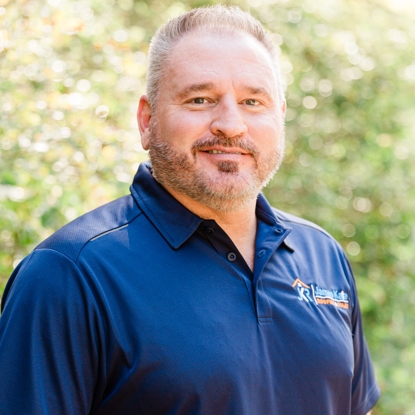
Dustin Eatman is a seasoned roofing professional with deep, hands-on expertise that spans residential and commercial roofing, insurance solar, and long-term roof asset management. As the owner of James Kate Roofing & solar in the Dallas–Fort Worth metroplex, he’s built a reputation for diagnosing roof systems accurately, communicating clearly, and executing projects with a high standard of workmanship and documentation. Dustin understands the technical details that make roofs perform—proper underlayment selection, slope and drainage considerations, ventilation strategy, flashing and penetration detailing, and manufacturer-specific installation requirements—because he’s worked through the real-world challenges that cause leaks, premature wear, and warranty issues. He’s equally fluent in the operational side of roofing: jobsite planning, quality control, safety, material ordering, crew coordination, and customer experience from inspection to closeout. In insurance-related projects, Dustin brings practical knowledge of claim workflows, adjuster meetings, scope alignment, supplements, and the importance of photo evidence and thorough records, helping property owners navigate stressful situations with confidence. For commercial clients—especially property and facility managers—he emphasizes proactive maintenance and targeted repairs that reduce disruption, extend roof life, and prevent expensive interior damage. Dustin also stays focused on doing things the right way: educating customers on realistic options, setting expectations, and prioritizing solutions that hold up over time rather than quick fixes. That blend of technical skill, field experience, process discipline, and owner-level accountability is what makes Dustin Eatman a trusted expert in the roofing industry.