
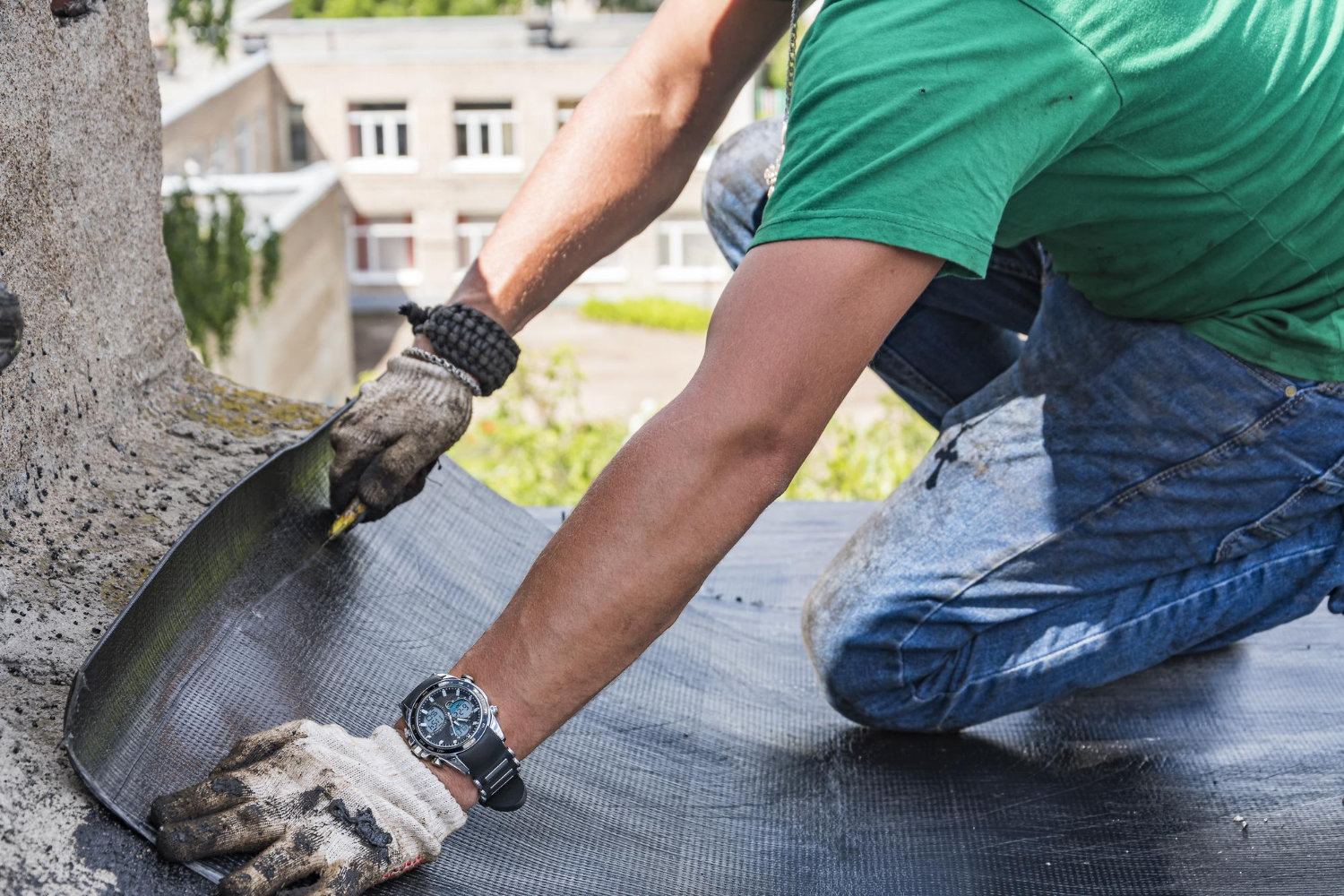
Roof leaks might seem like small troubles at first, but ignoring them is like letting a tiny crack in your dam go unpatched. Water finds its way, and what starts as a small drip could soon become a bigger issue threatening the very integrity of your home. Tackling roof leaks promptly not only prevents structural damage but also shields your belongings and saves you money in the long run. Keeping an eye on your roof’s condition helps you nip issues in the bud before they turn into major headaches.
When left unchecked, minor roof leaks can lead to some undesirable consequences. Water damage can harm insulation and result in higher energy bills. Persistent leaks can deepen into structural damages, leading your home to require significant repairs. Mold and mildew are also likely to thrive in damp conditions, potentially affecting your indoor air quality and health. Being proactive about small leaks can make a significant difference in how well your home weathers the elements.
Identifying Minor Roof Leaks
Spotting a roof leak before it escalates doesn’t require detective skills, just a bit of observation. The first hints of trouble typically surface inside your house. Look out for water stains on your ceilings or walls. If your paint or wallpaper starts to peel for no apparent reason, that might be the water speaking. Outside, take a moment to glance up at your roof. Missing or damaged shingles call for attention, acting as beacons highlighting compromised areas.
Another trick is to check your attic for damp spots or signs of moisture. Touch the beams to see if they feel wet or spongy. If you can do this safely, inspect your roof exterior and note any curled or missing shingles. Also, check around chimneys and skylights, as these are common culprits where leaks often start.
Here’s a handy list to help you spot those subtle signs early:
– Water Stains: Check your ceilings and walls for discolored or damp patches.
– Peeling Paint: Unexpected peeling or bubbling might be a result of water infiltration.
– Damaged Shingles: Keep an eye out for cracks, curling, or splits.
– Attic Moisture: Run your hand along the beams to see if they’re wet.
Taking the time to inspect these areas regularly can save you from bigger issues down the line. Remember, being alert to early signs is your best defense against larger, costlier problems.
Temporary Fixes for Minor Roof Leaks
Once you’ve identified a minor leak, acting swiftly can save you a lot of trouble. While these fixes are not meant to be permanent, they can help prevent the situation from worsening until you can get professional help. Using a roof sealant specifically designed for exterior use is a quick and easy way to patch small holes or cracks. Simply clean the area around the leak, apply the sealant, and give it time to dry. For roofers with minimal experience, sealant is often a go-to solution.
Roofing tape or tarps can also be helpful for covering larger areas that may be leaking. If storm damage is the culprit, a tarp can keep water out temporarily. Make sure the tarp is securely fastened to keep the elements at bay. Remember, these are temporary measures intended to buy you time, not a permanent fix.
Preventing Minor Leaks from Worsening
A little upkeep can go a long way in keeping roof leaks at bay. Regular maintenance doesn’t ask for much, just a bit of your time. Start by keeping your gutters clean. Blocked gutters can create pools of water that eventually seek out weaknesses in your roof. Clearing the debris regularly will help ensure water flows smoothly away from your home.
Don’t forget about flashing, the thin material installed to prevent water from entering at angles and joints. Inspect it regularly for any sign of wear and tear. Keeping your attic well-ventilated is another smart move. Poor ventilation can lead to excess moisture, increasing the chances of leaks forming.
When to Call Roofing Repair Companies
Sometimes, despite your best efforts, a leak might need professional attention. Watch out for water stains that are growing, persistent musty odors, or any signs the leak continues even after temporary treatments. Large or multiple leaks are usually beyond quick fixes and should be evaluated by a professional.
Opting for a roofing company means benefiting from expert assessment. They can pinpoint the root cause of the problem and recommend lasting solutions. While quick fixes might seem convenient, professional intervention often proves more cost-effective in the long run, preventing repeated issues and ensuring your roof stands strong against the elements.
Keeping Your Roof in Top Condition
Leaky roofs require quick action and regular attention. Address those pesky drips before they turn into full-fledged waterfalls. Regular checkups and timely interventions help keep repairs at bay, giving you peace of mind. A well-maintained roof isn’t just a protective barrier; it’s a smart investment in the longevity and safety of your home.
For expert help with leaks that need more than a quick fix, consider exploring professional options. James Kate Roofing & Sola offers specialized services to address your roofing issues effectively. Our team understands the intricacies of roof maintenance and repair. If you’re noticing signs that a minor leak might escalate, let the professionals assess it. Find out more about how our roofing repair companies can help keep your home protected.
