
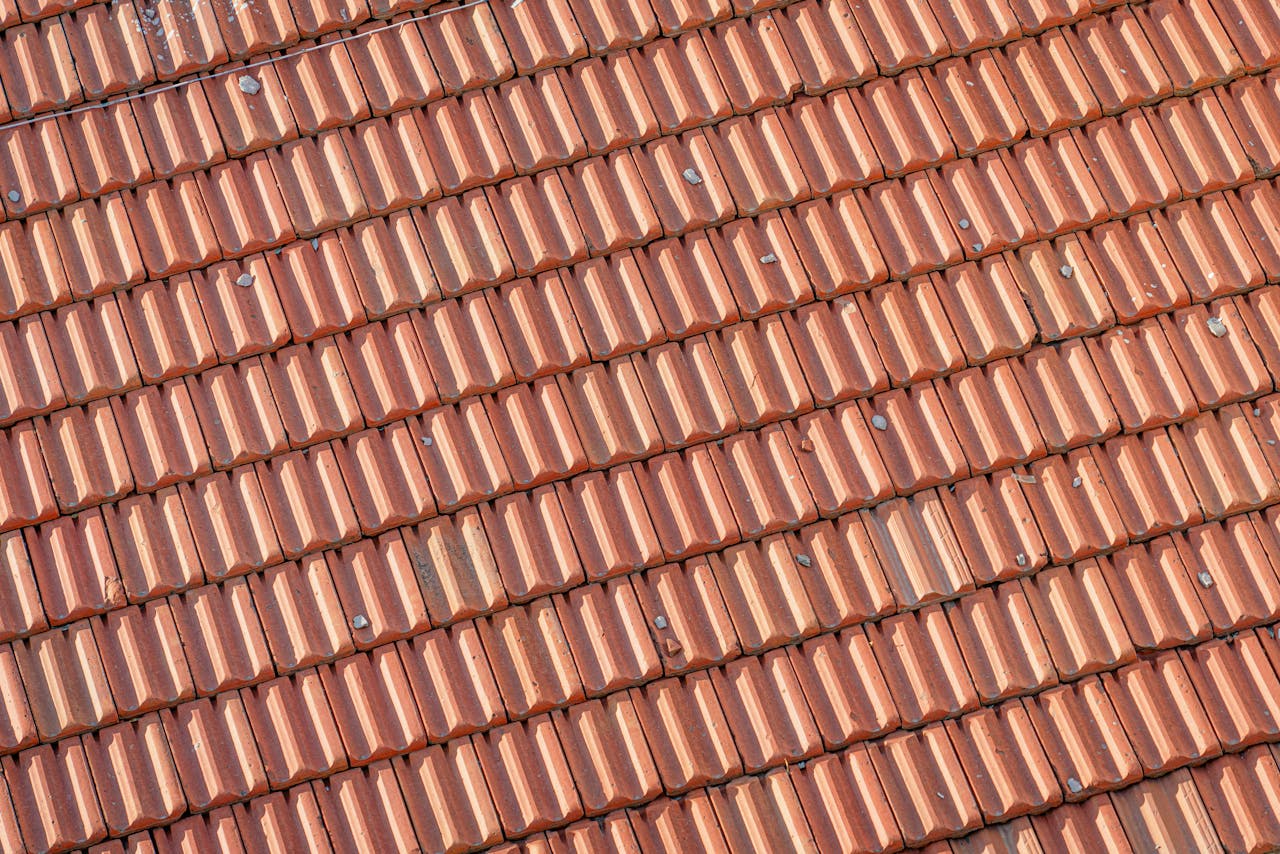
Spring storms can bring more than just heavy rain and strong winds—they can leave behind serious roof damage too. Hail, in particular, can tear into your shingles, leaving dents, cracks, and missing granules that you might not notice until it’s too late. What might seem like small cosmetic issues at first can turn into leaks and bigger problems if ignored. The earlier you spot signs of hail damage, the better chance you have of protecting your home from further issues. Taking action quickly after a hailstorm helps maintain your roof’s strength over time. It not only prevents water from sneaking in but also gives you a stronger footing if you need to work with your insurance. You don’t need to understand roofing inside and out to take care of your home—but knowing what to look for, and what matters most, will make all the difference.
Identifying Hail-Damaged Shingles
Once a hailstorm passes, your roof might not look any different at first glance. But if you walk around your property or look from the ground with a pair of binoculars, you may start to see things that weren’t there before. Checking your shingles after a storm doesn’t require getting on the roof—in fact, it’s safer to stay on the ground and look for clues around your home that hint at damage up top.
Here are some common signs of hail-damaged shingles that you can safely look for:
- Dark patches or bald spots where granules got knocked off
- Dents or pockmarks forming in a scattered pattern across the shingles
- A shingle that’s cracked, torn, or curling back
- Granules building up in your downspouts or gutters
- Roof flashing that’s dinged or dented
You should also check items around your yard for damage, like dented gutters, bent window screens, or bruised siding. If these parts got hit, there’s a good chance your roof took the same beating. If you want a closer look without risking a fall, many homeowners prefer using a drone or calling someone who can assess everything safely. Next time a big storm rolls through, making a quick inspection part of your routine can help you catch damage before it grows into something expensive. When in doubt, bring in a roofer to confirm whether you’re looking at minor cosmetic damage—or something more serious hiding underneath.
Risks of Ignoring Hail Damage
Ignoring hail damage on your roof might seem harmless at first, but it can lead to a domino effect of problems. Without proper attention, those small dents and missing granules could invite water into your home, leading to leaks that damage ceilings, walls, and even the insulation. This water intrusion can weaken the structural integrity of your home, resulting in costly repairs down the line. Beyond the structural issues, there’s also the matter of how hail damage can affect your homeowner’s insurance. If damage isn’t reported or fixed in a timely manner, insurance may not cover the repairs. Plus, visible roof damage can significantly lower your home’s resale value. Buyers tend to shy away from homes with roof issues due to the anticipated repair costs and hassle, making it harder to sell your property at a fair market price.
Professional Repair and Replacement Options
Once you’ve identified hail damage, the next step is deciding whether to repair or replace the shingles. This decision often depends on the extent of the damage. Minor problems like a few chipped granules might only require simple repairs, such as sealing or replacing a few shingles. However, widespread damage, like multiple cracked shingles across the roof, might call for a complete replacement to ensure long-term roof health. Hiring a professional roofing company provides peace of mind that the job will be done right. Professionals bring expertise to the table, knowing exactly what to watch for and how to handle even the trickiest damage. Moreover, they have access to quality materials and can offer warranties on both workmanship and materials. Letting experts manage repairs not only saves you time but also reduces the risk of future issues by maintaining the strength and longevity of your roof.
Preventive Measures for Future Hailstorms
To safeguard your roof from future hail damage, consider taking proactive steps. Here’s how you can minimize harm during rough weather:
1. Install Impact-Resistant Shingles: These shingles are designed to withstand harsh impacts, offering better protection than standard varieties.
2. Regular Roof Inspections: Schedule yearly inspections with a professional to catch any early signs of wear and tear before the hail season begins.
3. Clear Gutters and Downspouts: Keep them free of debris to ensure rainwater flows away from your home and doesn’t pool on your roof.
With these measures in place, your home will be better prepared for whatever Mother Nature throws its way.
Protect Your Home With Expert Help
Understanding hail damage and how to handle it is key to maintaining a secure, lasting roof. It’s not just about fixing shingles; it’s about preserving your entire home. While minor repairs might seem manageable, professional help ensures thorough and safe handling of all damage, big or small. Investing in expert roofing solutions will keep your home dry and sound, letting you tackle the hailstorms of tomorrow with confidence.
Don’t let hail damage put your home at risk. Protect your investment by addressing hail damaged shingles before they become a major problem. Discover how James Kate Roofing & Solarcan assist with effective repairs and long-lasting solutions. With expert help, you can ensure your roof remains strong and secure for years to come.
