Your roof takes a beating from sun, wind, rain, and whatever else the weather throws at it. Over time, even the strongest roofs start to show signs of wear. Small problems can grow into expensive repairs if they’re not taken care of early, and homeowners often don’t realize there’s an issue until a bigger one pops up—like water stains or missing shingles.
Knowing what to look out for is the first step to keeping your roof in good shape. From leaks and sagging to cracked shingles and poor ventilation, there are several common roofing problems that show up again and again. Let’s take a closer look at these issues, what causes them, and more importantly, what you can do to fix them before they turn into costly damage.
Leaky Roofs
Leaking is one of the easiest problems to spot—and one of the most stressful. It usually shows up as water stains on the ceiling, drips during a storm, or water pooling somewhere it doesn’t belong. Roof leaks can happen for a few reasons, but most of them lead back to damaged materials or poor drainage.
Here are the most common causes of leaky roofs:
– Shingles that are cracked, curled, or missing entirely
– Flashing that isn’t installed right or has pulled away over time
– Gutters that are clogged and overflowing, forcing water under the roofline
To stop a leak before it gets worse:
– Replace any shingles that look worn out or have come off completely
– Check the flashing, especially around chimneys and vents, and reseal or replace it if needed
– Keep the gutters clean throughout the year, especially during the fall and spring
Ignoring even small leaks can lead to soaked insulation, mold growth, and damaged drywall. If you see any signs of leaking, act fast. It’s less expensive to patch things up now than to deal with a full ceiling repair later.
Damaged Shingles
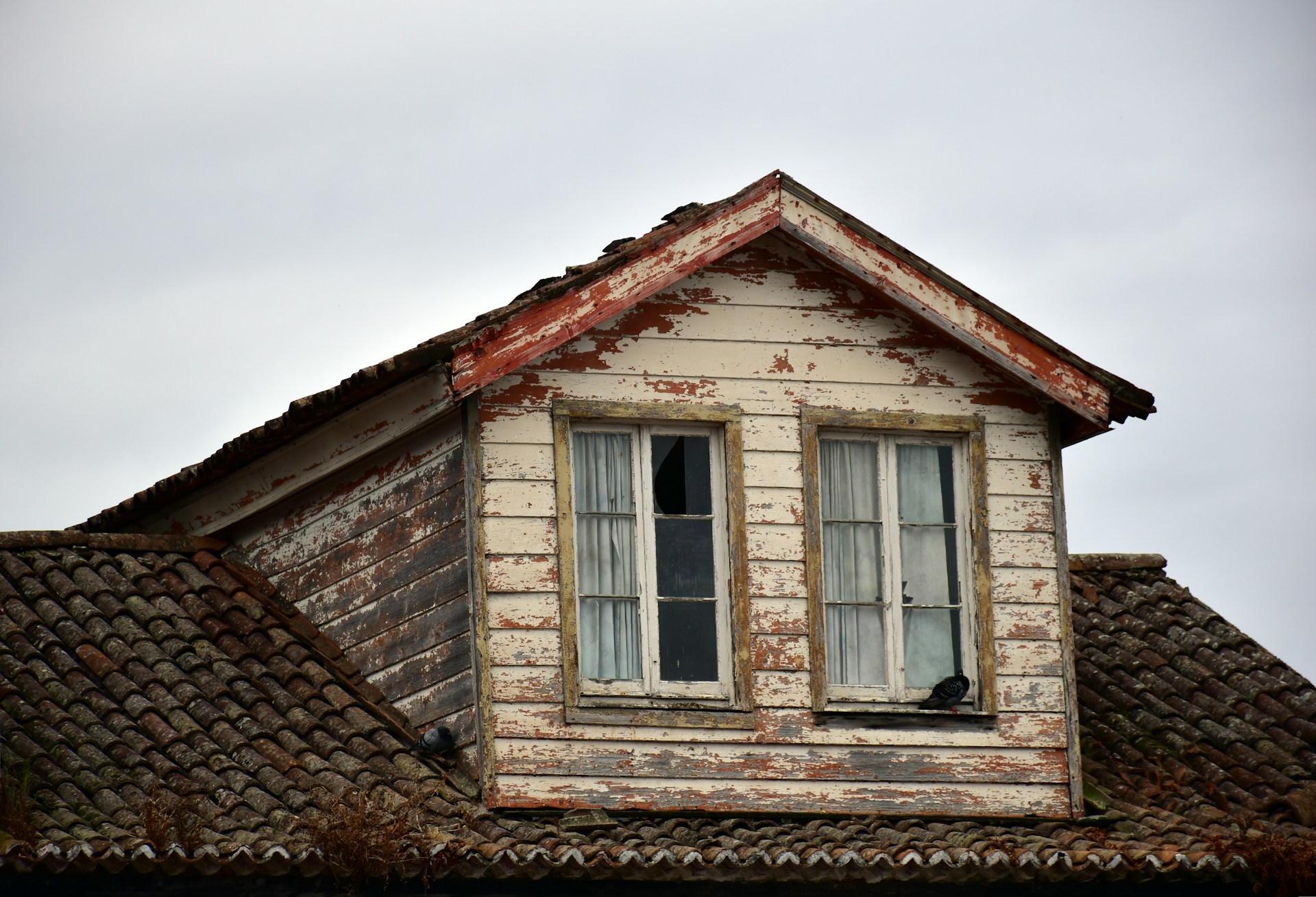
Shingles are your roof’s first line of defense, and they go through a lot. Sunlight, rain, hail, and wind slowly wear them down. After a while, they can start curling at the edges, cracking under pressure, or tearing off completely. A few bad shingles might not seem like a big deal, but they can easily let water sneak underneath and damage the roof deck.
There are a few things that lead to shingle damage:
– Harsh weather like hail, heavy rain, or wind
– An aging roof that’s just worn out
– Improper installation that leaves the shingles more exposed to damage
If the shingles look rough or don’t lie flat anymore, they probably need to be replaced. You can usually spot the damage during a quick visual check from the ground, especially if patches of the roof look darker or shinier than others. If granules from the shingles start showing up in your gutters, that’s another sign they might need replacing.
Installing new, more weather-resistant shingles can help prevent this problem down the road. Just make sure the entire area is inspected so there aren’t any hidden issues beneath the surface. Even newer shingles can fail early if they weren’t nailed and sealed the right way.
Sagging Roof
A roof that’s sagging can give a home a sad look, but it’s definitely not just a cosmetic issue. A dip or curve in your roof often points to serious structural problems. This could mean issues with the roof’s support system or even damage that’s been hiding under the surface for a while. Water damage is a common culprit, as it adds weight to the roof and can weaken beams and supports over time. Excessive weight from snow or heavy debris just adds to the stress on the roof’s structure.
To address this worrisome problem, start with a thorough inspection of the attic and the support beams. Look for signs of water damage like damp insulation or mold. If structural beams are sagging or look damaged, they might need to be repaired or replaced. Additionally, make sure to clear any heavy debris from the roof periodically. Letting too much accumulate can cause ongoing problems, particularly during heavy rain or snow.
Poor Ventilation
People often overlook the role of ventilation when considering roof health, yet it’s key to ensuring your roof lasts. Roofs require proper airflow to keep temperatures regulated and moisture levels in check. Without it, you might end up with issues like ice dams in winter or increased attic moisture, leading to mildew and mold. These can eventually cause the wood to rot, compromising the stability of the roof.
Problems with ventilation typically arise from blocked vents or inadequate venting for the size and shape of the house. Ensuring that vents aren’t blocked by debris or insulation and adding vents if necessary can significantly improve airflow. A good way to check ventilation is to touch the attic ceiling during a hot day; it should not feel excessively warm. Also, inspect the attic insulation to ensure it isn’t covering any vents.
Finishing Up
Taking care of roofing problems as soon as they appear can save a homeowner from lots of headaches and expenses down the road. Whether you’re dealing with leaks, sagging sections, cracked shingles, or poor airflow, recognizing these issues early is key. A healthy roof not only protects the house but also maintains its value and appearance.
Dealing with roofs might feel overwhelming, but routine checks and maintenance can help keep things under control. When in doubt, seek out professionals who understand the nuances of roofing. They can provide comprehensive inspections and repairs, ensuring your roof remains in top shape for years to come. Keeping an eye out for these common problems helps provide peace of mind and maintains the lasting integrity of your home.
Don’t let minor issues turn into major headaches. With James Kate Roofing & Solar, you can rely on our experienced team for effective roof repair services tailored to your home’s needs. Protect your investment and keep your roof in top condition with our comprehensive maintenance and repair solutions. Reach out today to ensure your home stays safe and secure, no matter what the weather brings.
