The right Dallas County roofing contractor is a local company that shows proof of insurance, pulls the permit your city requires, puts scope, materials, payment and warranty in writing, and inspects your roof before quoting. Hail is the main reason roofs here fail early, so pick someone who can assess storm damage honestly and work with your insurer. Below is how to check each of those points before you sign.
TL;DR
- Texas has no statewide roofing license, so vetting falls to you: confirm insurance with the carrier, ask about RCAT licensing, and check manufacturer certifications.
- Permits depend on your address. Dallas County only permits unincorporated areas; inside a city, that city’s rules apply.
- Get a written contract covering scope, materials, schedule, payment, cleanup and warranties before any work starts.
- After a storm, document damage first, then call a contractor. Never accept an offer to waive your deductible, because that is illegal in Texas.
- We offer free inspections and estimates, and a transferable 15-year workmanship warranty on residential roof replacements.
Table of Contents
- What Dallas County roofs go through
- Know which permit rules apply to your address
- How to vet a roofing contractor in Texas
- What a roof inspection should include
- What a written estimate should include
- What the contract must say
- Storm damage, insurance and avoiding storm chasers
- Maintenance that protects the roof
- Residential or commercial: what to ask
- Our perspective
- Talk to us about your roof
- FAQ
- Sources
What Dallas County roofs go through
Dallas County sits in one of the most active hail corridors in the country. NOAA’s Storm Prediction Center data, as compiled by SwathIQ, shows 88 hail days in the county since 2010, about 5.2 a year. Eighteen of those days brought hail of 2 inches or more, and the largest stone on record was 4.25 inches near Irving in May 2011.
That history shapes what most owners need from a contractor:
- Storm-damage assessments after hail or wind, including checks for damage you cannot see from the ground.
- Roof repairs and leak diagnosis for flashing, vents, lifted shingles and punctures.
- Full replacement when damage is widespread or the roof is at the end of its life.
- Inspections before you buy or sell, after a storm, or on a yearly schedule.
- Maintenance for homes, apartment communities and commercial buildings.
- Emergency work such as tarping after a limb or hail strike.
Summer heat matters too. Our piece on how Dallas heat affects your roof covers how long, hot summers age shingles and sealants.
Know which permit rules apply to your address
“Dallas County” covers Dallas itself and many other cities, such as Irving, Garland, Grand Prairie, Mesquite, Richardson, Carrollton and Lancaster. Permit rules change at each city line.
The county only issues permits for properties in unincorporated areas. Projects inside a city’s limits follow that city’s permitting process. So the first question for any contractor is which jurisdiction your house sits in and who pulls the permit.
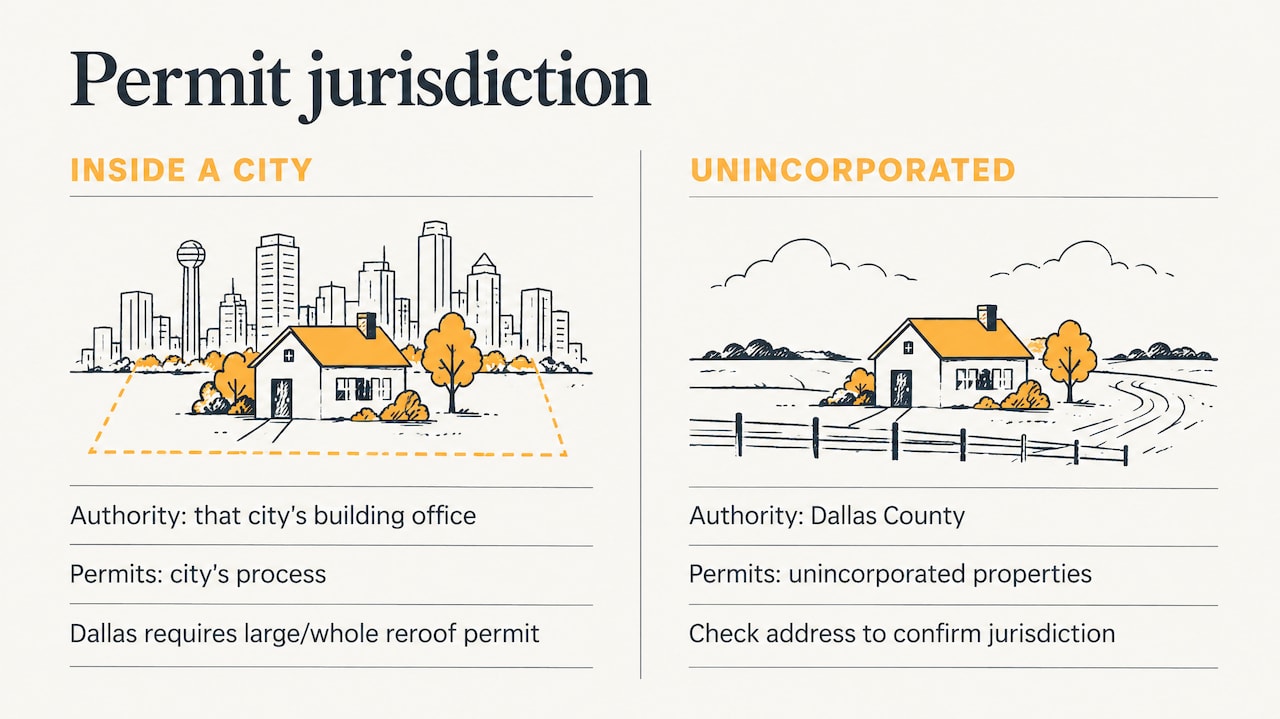
For the City of Dallas, a reroof permit is required when you replace a large area or the whole roof, according to a summary of Texas roofing rules. The same summary notes that Texas has no statewide roofing license, though local governments may require contractor registration and permits. One contractor licensing guide reports that Dallas charges contractors an annual registration fee of roughly $120 and expects proof of general liability insurance of at least $300,000 per occurrence. Fees and limits change, so confirm them with your city’s building inspection office before relying on them.
A contractor who handles permits as a matter of routine is a good sign. One who suggests skipping the permit is not.
How to vet a roofing contractor in Texas
Because there is no state license to look up, the Roofing Contractors Association of Texas gives a practical checklist in its guide to selecting a roofing contractor. Use it like this.
1. Hire local and research the company
A company with a real address nearby can come back for a warranty visit after the next storm. Search the business name, read recent reviews, and ask for addresses of recent jobs in your part of the county. Out-of-town crews that arrive right after a hailstorm often leave once the work dries up.
2. Verify insurance with the carrier
Do not rely on a photocopied certificate alone. RCAT advises confirming proof of liability and workers’ compensation coverage with the insurance carrier. If an uninsured worker falls from your roof, or a crew damages your property, that coverage decides who pays.
3. Ask about RCAT licensing
RCAT runs a voluntary licensing program for contractors who meet its screening and professional standards. It is optional, but it gives you one more way to separate established companies from newcomers.
4. Check manufacturer credentials
Shingle manufacturers certify contractors on their own standards. We are a GAF Master Elite® contractor, have received the GAF President’s Club Award, and hold IKO Craftsman Premier Contractor status. Ask any contractor which credentials they hold, then check them on the manufacturer’s own contractor locator.
5. Ask for references you can visit
A good contractor can name homeowners nearby who will talk about how the job went, how the crew handled cleanup, and whether questions got answered.
What a roof inspection should include
An inspection should tell you the condition of the roof, not only whether you need a new one. A thorough one covers:
- Shingles or surface: cracking, granule loss, lifted tabs, hail bruising, and missing pieces.
- Flashing: around chimneys, skylights, walls and valleys, where most leaks start.
- Penetrations: plumbing vents, exhaust fans and satellite mounts.
- Gutters and drainage: clogs, loose sections, and signs that water is backing up under the edge.
- Decking and attic: soft spots, stains, daylight, damp insulation or poor ventilation.
- Photos: pictures of every problem area that you keep.
Commercial roofs add other checks: seams and membrane condition on TPO, PVC, modified bitumen and built-up systems, ponding water, drains and coating wear.
Our inspections are free, and our instant roofing quote tool looks at historical weather data for your address to show whether severe storms may have affected your roof. For a closer look, you can schedule a home roof inspection or request a commercial roof inspection.
What a written estimate should include
Compare estimates line by line, not by bottom-line number. Each one should state:
- Scope: tear-off or overlay, decking repair allowances, flashing, vents, underlayment and ridge work.
- Materials: manufacturer, product line and color, not just “architectural shingles.”
- Permit: who pulls it and who pays.
- Schedule: a start window and expected duration, with a plan for weather delays.
- Price and payment terms: the total, the deposit, and when the balance is due.
- Cleanup: debris removal and magnetic sweeping for nails.
- Warranty: the workmanship warranty, who backs it, and whether it transfers when you sell.
Two estimates that differ by thousands of dollars usually differ in these lines, such as decking allowances, underlayment, or whether old flashing is replaced. Ask each contractor to explain the gaps.
What the contract must say
RCAT says a roofing contract should be in writing and include the scope of work, payment terms and project timelines. Add the points from the estimate list, and read the cancellation language closely. RCAT notes that in Texas you have only three days to cancel a contract, so do not sign the same day you meet a salesperson if you still have questions.
Also confirm these before signing:
- Change orders must be written and priced before extra work begins.
- The warranty terms are on paper, including what is covered and for how long.
- The contract names the same company that carries the insurance you verified.
For residential replacements, we back our work with a transferable 15-year workmanship warranty. Transferability matters in a county where many homes change hands, because the next buyer can inherit the coverage.
Storm damage, insurance and avoiding storm chasers
After hail or high wind, the order of steps matters.
- Stay safe. Stay off a damaged roof. Look from the ground and take photos of dented gutters, damaged siding, and shingle pieces in the yard.
- Document everything. Date-stamped photos and notes on the storm date help your claim. Our guides on identifying hailstorm damage and how to check, document and decide walk through what to capture.
- Get an inspection. A roofer can find damage that does not show from the ground. See our hail damage guide for signs and repairs.
- Call your insurer. Review your deductible and policy terms. Our Texas roof insurance claims guide explains the process for DFW homeowners.
- Stop active leaks. Temporary measures such as tarping are reasonable while the claim moves. Reasonable temporary steps are covered in our guide to temporarily patching a roof hole from the inside.
One warning sign deserves its own line. Per RCAT, waiving an insurance deductible is against the law in Texas. A contractor who promises to cover or absorb your deductible is offering something illegal, and that offer can put your claim at risk. Other red flags: door knocking right after a storm, pressure to sign immediately, a request for full payment upfront, and no local address.
Maintenance that protects the roof
Most expensive roof failures begin as small, cheap ones. A simple routine helps:
- Twice a year, in spring and fall, look over the roof from the ground and the attic.
- After every significant hail or wind event, even if nothing leaks yet.
- Keep gutters clear so water does not back up under the shingle edge.
- Trim branches that touch or hang over the roof.
- Reseal flashing and vent boots before they crack.
- For commercial roofs, schedule seam checks, drain clearing and coating reviews, and keep a written log of each visit.
The log helps with warranty claims and insurance conversations later. We offer preventative maintenance for homes and commercial properties, including coatings for commercial roofs.
Residential or commercial: what to ask
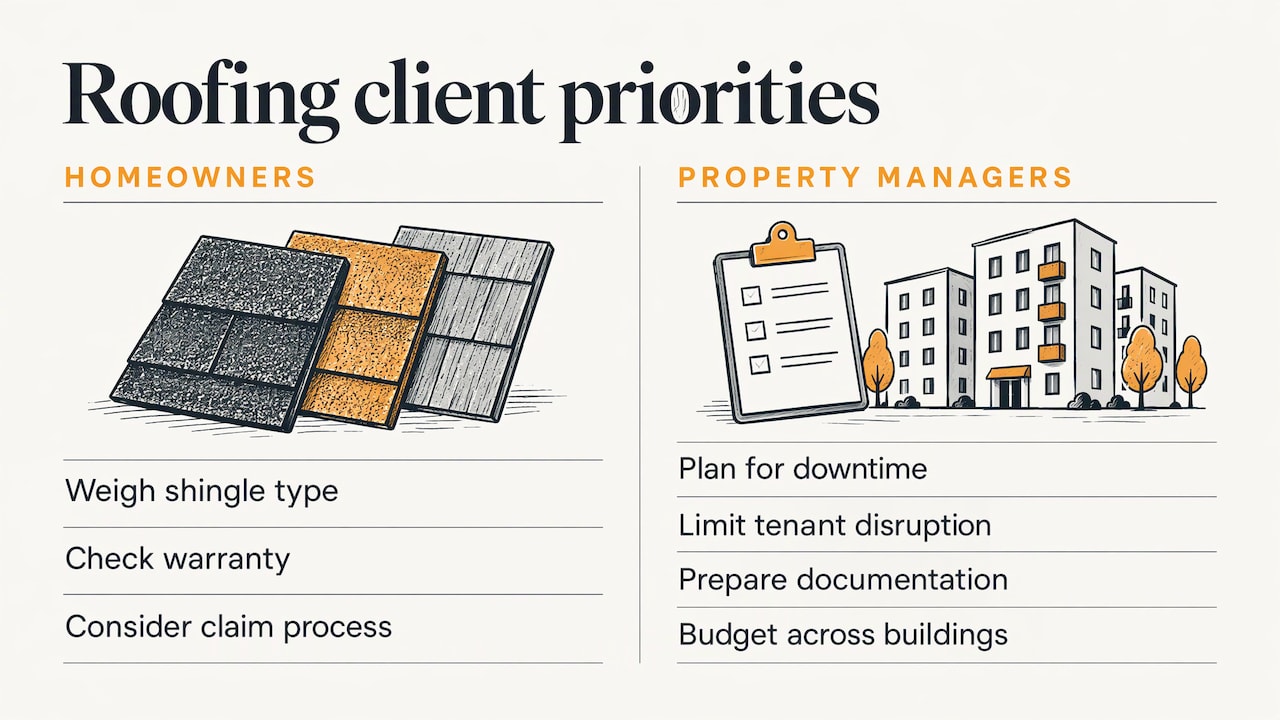
Homeowners mostly weigh shingle type, warranty, and how the claim will go. Property managers usually care about downtime, tenant disruption, documentation and budgeting across several buildings. Ask any contractor you are considering whether they work on your roof type: asphalt shingles, metal, tile, TPO, PVC, modified bitumen or built-up. We install and repair all of these.
Our perspective
Most roof problems we see in Dallas County started with a small defect that went unnoticed after a storm, or with a hire made in a rush. Our approach is to start with data. Our instant quote tool looks at your address against historical weather, and a free inspection confirms what is on the roof.
We believe an honest assessment should come before any sales conversation. Sometimes the answer is a repair. Sometimes it is replacement. Either way you should see the photos, understand the scope, and have everything in writing.
Manufacturer certification, such as GAF Master Elite®, is one signal that a contractor meets the manufacturer’s standards. Combine it with verified insurance, a clear contract and a workmanship warranty that moves with the house, and you can feel secure in the decision.
Dustin Eatman
Talk to us about your roof
We serve homeowners, commercial owners and property managers across North Texas, including Dallas County. Our services include inspections, repairs, emergency roofing, maintenance, and residential and commercial replacement. Start with a free inspection and estimate on our roofing services page, or find commercial options on our commercial roofing page.

If you have a leak right now, our emergency roof repair page shows how to reach us. For a wider read on the region, see our DFW roofing guide.
FAQ
Do I need a license to hire a roofer in Dallas County?
Texas has no statewide roofing license. Local governments may require contractor registration and permits, and a whole-roof replacement inside the City of Dallas needs a reroof permit. Ask your contractor which rules apply to your city and who will pull the permit.
Does Dallas County issue my roofing permit?
Only if your property is in an unincorporated area. Inside a city, you follow that city’s permit process, so contact the building department for your address.
How do I check a contractor’s insurance?
Ask for proof of liability and workers’ compensation coverage, then confirm it directly with the carrier, as RCAT recommends. Make sure the policy names the company on your contract.
Can a roofer cover my insurance deductible?
No. Waiving an insurance deductible is illegal in Texas. Ask for the full price in writing and pay your deductible as your policy requires.
How long do I have to cancel a roofing contract?
RCAT states that Texas gives you only three days to cancel. Read the cancellation terms before you sign and take time to compare estimates first.
Sources
- Selecting a Roofing Contractor, Roofing Contractors Association of Texas
- Applications and Permits, Dallas County Unincorporated Area Services
- Texas Roofing License Requirements (2026)
- Texas Contractor License 2026
- Dallas County, Texas Hail Map and History
Recommended
- Top Residential Roofing Contractors
- Dallas Fort Worth Roofing Companies: Who to Trust with Your Roof
- Ultimate Guide to Roof Replacement Costs & Financing in DFW
- Useful Tips to Choose the Right Arlington Roofing Contractor
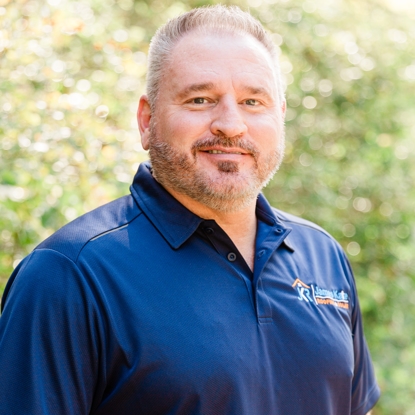
Dustin Eatman is a seasoned roofing professional with deep, hands-on expertise that spans residential and commercial roofing, insurance solar, and long-term roof asset management. As the owner of James Kate Roofing & solar in the Dallas–Fort Worth metroplex, he’s built a reputation for diagnosing roof systems accurately, communicating clearly, and executing projects with a high standard of workmanship and documentation. Dustin understands the technical details that make roofs perform—proper underlayment selection, slope and drainage considerations, ventilation strategy, flashing and penetration detailing, and manufacturer-specific installation requirements—because he’s worked through the real-world challenges that cause leaks, premature wear, and warranty issues. He’s equally fluent in the operational side of roofing: jobsite planning, quality control, safety, material ordering, crew coordination, and customer experience from inspection to closeout. In insurance-related projects, Dustin brings practical knowledge of claim workflows, adjuster meetings, scope alignment, supplements, and the importance of photo evidence and thorough records, helping property owners navigate stressful situations with confidence. For commercial clients—especially property and facility managers—he emphasizes proactive maintenance and targeted repairs that reduce disruption, extend roof life, and prevent expensive interior damage. Dustin also stays focused on doing things the right way: educating customers on realistic options, setting expectations, and prioritizing solutions that hold up over time rather than quick fixes. That blend of technical skill, field experience, process discipline, and owner-level accountability is what makes Dustin Eatman a trusted expert in the roofing industry.