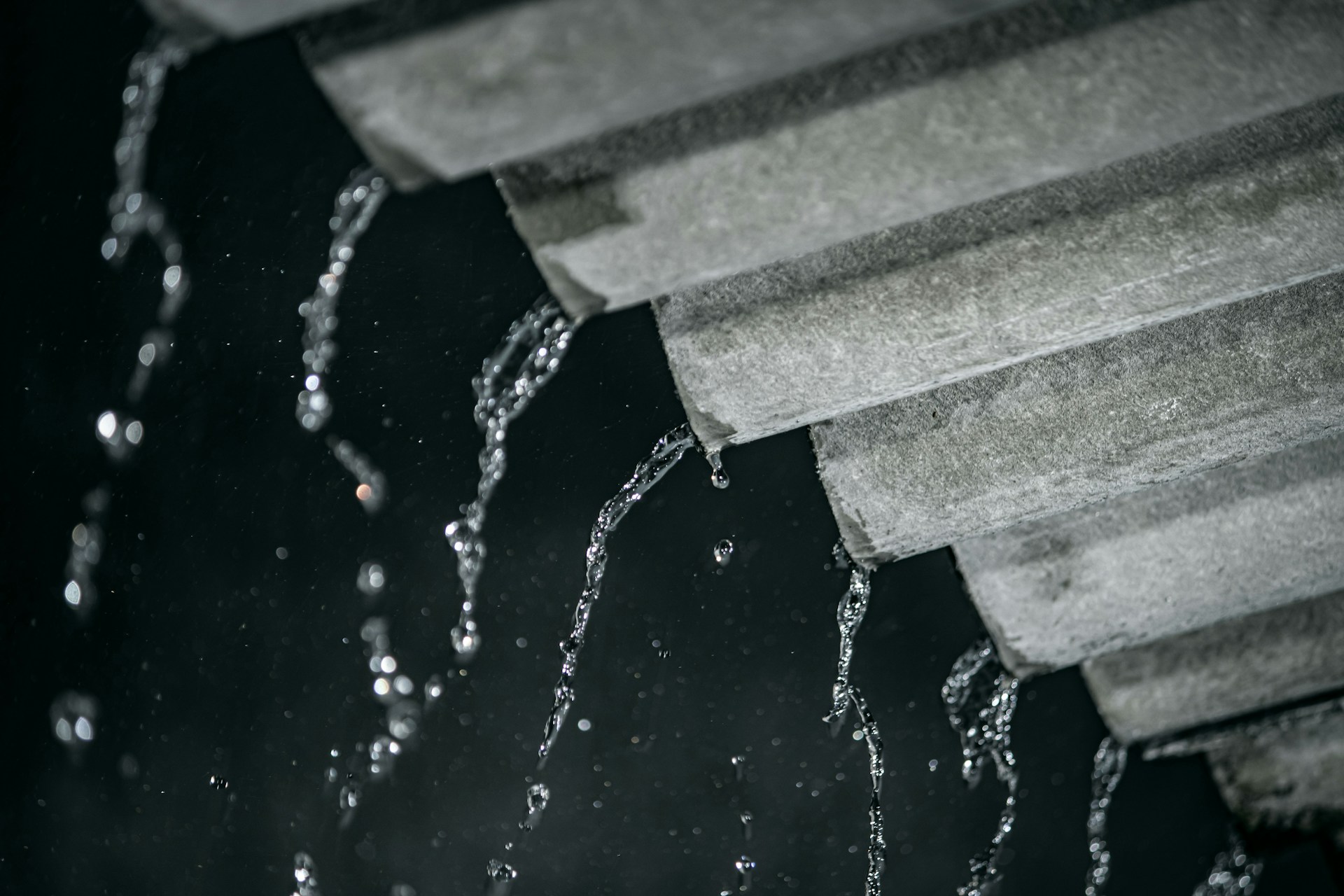
Imagine looking up at your commercial roof after a heavy rainfall only to see pools of water scattered across the surface. This scenario is more common than you might think, especially for flat or low-slope roofs commonly found on commercial structures. The term “ponding water” describes this accumulation of water that fails to drain within 48 hours. While it may seem like a minor inconvenience at first, ponding can cause significant structural and aesthetic issues if not addressed promptly.
Ignoring those puddles can lead to the weakening of roofing materials, increased leak risks, and even structural stress. Many building owners overlook the damage ponding water causes because it doesn’t always result in immediate problems. However, understanding why it happens and how to fix it can save you from costly repairs down the road.
Signs of Ponding Water on Your Commercial Roof
Recognizing the signs of ponding water early can prevent serious problems. Here are some red flags to watch for:
- Visible Patches of Standing Water: This is the most obvious sign. If water remains stagnant on your roof two days after a rainstorm, it’s time to investigate.
- Discoloration or Algae Growth: Not only does pooling water promote unwanted plant growth, but changes in the color of your roofing material can also indicate water retention and damage.
- Damage to Roofing Materials or Membrane: Look for blistering, cracking, or bubbling on the roof surface, which points to prolonged water exposure.
- Draining Issues or Clogged Gutters: If water overflows from gutters or if you notice debris blocking the drainage paths, this could indicate drainage problems that lead to ponding.
These signs suggest it’s time to call in professionals to evaluate the condition of your roof. Ponding isn’t just a surface problem; it can indicate deeper issues with drainage or structural integrity.
Causes of Ponding Water
Several factors contribute to why some roofs suffer from ponding more than others. Understanding these causes helps address the root of the issue:
- Inadequate Roof Slope or Poor Design: A roof that doesn’t have the proper slope can trap water, leading to those pesky puddles. Sometimes, it’s just a matter of redesigning the slope to solve the issue.
- Blocked or Insufficient Drainage Systems: If drains are clogged with debris or they’re not large enough to handle the job, water will remain on the roof.
- Roof Surface Damage or Wear and Tear: Over time, the roof surface may develop low spots due to natural wear or damage, making it prone to collecting water.
- Heavy Rainfall or Snow Accumulation: Especially in regions prone to sudden downpours or heavy snow, this natural occurrence can exacerbate ponding issues.
- Structural Issues or Sagging Areas: A roof that sags could be a sign of structural troubles, causing uneven surfaces where water can easily gather.
By addressing these potential causes, you can develop a strategy to prevent ponding water from affecting your commercial property. Regular maintenance and professional inspections can help catch problems before they grow, ensuring the roof remains dry and intact.
Potential Consequences of Ignoring Ponding Water
When water sits on your roof for too long, it can start to wear down the materials that make up your roofing. Picture how a wet sponge slowly falls apart the more you use it. Similar wear and tear can happen when water doesn’t get off the roof surface quickly enough.
Another big worry is leaks. When water sticks around, it can start finding its way through small cracks and gaps in the roof. These leaks can do more than just stain ceilings; they can damage the inside structure and create an environment where mold and mildew thrive. Imagine a damp towel left in a bag too long — you’ll soon notice a musty smell and possibly some mold spots.
Perhaps the most serious consequence is the added weight water brings. It doesn’t take a huge puddle for the weight of water to start putting stress on your roof structure. Over time, this can lead to sagging or even worse, like portions of the roof beginning to buckle under pressure.
Solutions for Addressing Ponding Water
Tackling ponding water requires a mix of routine care and some smart fixes. Here’s how you can approach it effectively:
- Regular Maintenance and Roof Inspections: By keeping up with regular roof check-ups, you can catch issues early. Checking for debris or any early signs of ponding can save your roof down the road.
- Improving Drainage Systems: If drainage is the issue, adding more drains or making existing ones more efficient can help. This step stops water from sitting around and causing problems.
- Re-sloping the Roof or Adding Insulation: Sometimes, changing the slope of your roof or adding some tapered insulation can help direct water where it needs to go. This might be more of an undertaking, but it can solve persistent ponding.
- Repairing Roof Damage: Quick fixes on cracks or other damage to the roof membrane can keep water out and reduce the chance of leaks.
- Consulting Experts: Sometimes, the best solution is getting advice from professionals who know exactly how to handle these problems. They can offer guidance tailored specifically to your building’s needs.
Keeping Your Roof Healthy
Addressing the causes of ponding water is a smart move to protect your investment. Being proactive and recognizing signs early can prevent major hassles down the line. By treating roof maintenance as a crucial part of building care, you’re less likely to run into costly repairs or unexpected surprises.
Remember, it’s always wise to consult with experts who can provide targeted solutions for maintaining a healthy roof. Whether it’s tweaking the design to improve drainage or implementing more robust maintenance strategies, keeping your roof in top shape is crucial for the long-term health of any commercial building.
Managing ponding water on your commercial roof can help safeguard your investment and prevent major headaches. To explore targeted solutions for commercial roof repairs, consider reaching out to James Kate Roofing & Sola. Our experts understand the intricacies of roofing systems and can offer guidance for lasting protection.
