
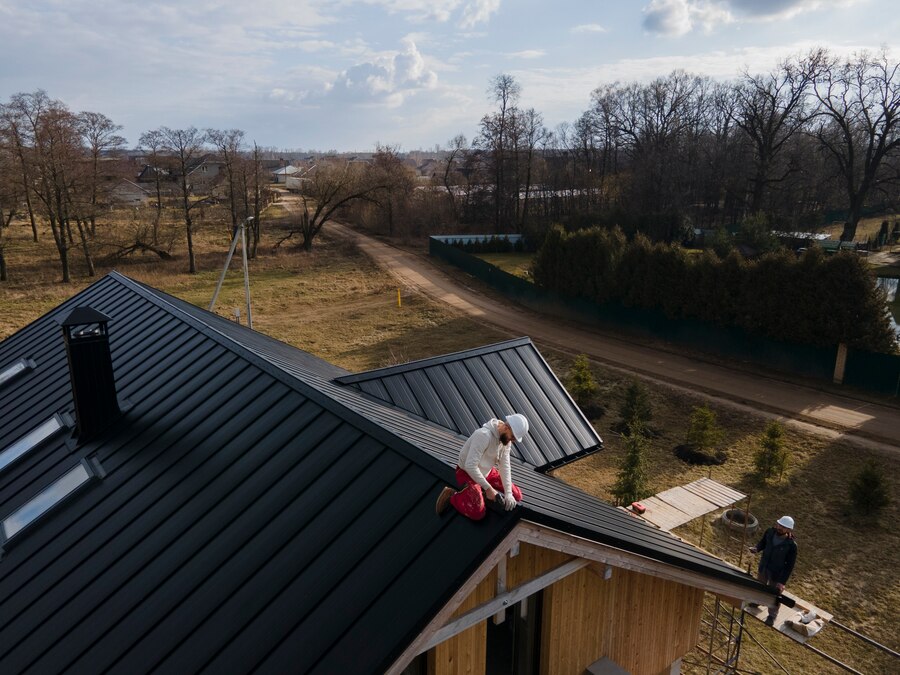
Wind can be a powerful force that wreaks havoc on your home, especially your roof. With strong gusts capable of lifting shingles and causing severe damage, protecting your roof from wind damage is crucial. Understanding how to fortify your roof helps you avoid costly repairs and maintain the integrity of your home’s structure.
A little preparation goes a long way toward ensuring your roof withstands the challenges posed by severe weather. From assessing vulnerabilities to taking preventative steps, being proactive is key. Whether it’s reinforcing existing materials or scheduling routine maintenance, simple actions can make your roof safer.
Keeping your home safe from wind damage involves more than just hoping for the best. By identifying potential weaknesses and taking steps to strengthen your roof, you ensure that your home remains secure and intact, even during the fiercest storms.
Assessing Your Roof’s Vulnerability to Wind
To effectively protect your roof from wind damage, you first need to identify its vulnerabilities. Start by examining your roof for any weak spots or potential hazards that could become problematic during high winds.
- Identifying Weak Spots and Potential Hazards: Look for lifted shingles, loose tiles, or worn sealant around vents and chimneys. Pay attention to areas where materials have deteriorated, as these are more likely to fail in strong winds. Check for overhanging tree branches or nearby structures that could pose a threat if dislodged by the wind.
- Evaluating Roof Design and Materials: Consider the slope and shape of your roof, as certain designs, such as flat or low-pitched roofs, are more prone to wind damage. The materials used also play a role in vulnerability. For example, lightweight materials like asphalt shingles might not withstand strong gusts, and heavier options like tiles or metal roofing might not.
By understanding these factors, you can pinpoint areas that require attention. Knowing where your weaknesses lie helps you create a plan to reinforce and protect your roof against future wind events.
Strengthening Your Roof Against Wind Damage
Once you’ve identified potential vulnerabilities, the next step is strengthening your roof against wind damage. Fortifying your roof can greatly reduce the likelihood of experiencing severe problems during storms.
- Reinforcing Shingles and Roof Fasteners: Ensure all roof shingles are properly nailed down. Utilize roofing cement for added security, focusing on areas where shingles appear loose. Roof fasteners should be checked to confirm they are tight and secure. Adding hurricane ties or clips can further stabilize your roof structure, providing additional strength against wind forces.
- Upgrading to Impact-Resistant Materials: Consider replacing traditional roofing materials with impact-resistant options. These are designed to withstand severe weather conditions and reduce damage. Materials like laminated shingles or metal roofing offer durability and enhanced protection, making them worthwhile investments for homeowners in wind-prone areas.
By reinforcing existing materials and upgrading when necessary, you can enhance the durability of your roof. Taking these proactive measures safeguards your property, ensuring that it can stand strong against the challenges posed by harsh weather conditions.
Regular Maintenance Practices
Keeping your roof well-maintained is essential for minimizing wind damage and ensuring long-term durability. Regular maintenance checks help identify and address potential issues before they become major problems.
- Scheduling Roof Inspections and Repairs: Regularly inspect your roof for signs of wear, damage, or loose elements. Aim for at least two inspections per year—preferably before and after storm seasons. Fix any issues promptly to prevent them from worsening, as small problems can quickly escalate with strong winds.
- Clearing Gutters and Drains: Ensure that gutters and drains are clear from leaves, debris, and other obstructions. Clogged gutters can lead to water buildup and cause damage not just to the roof, but to the home’s foundation as well. Regular cleaning helps maintain efficient water flow, reducing the risk of leaks and structural damage.
These maintenance practices not only help in keeping your roof ready for unexpected events but also prolong its lifespan. Consistent upkeep can significantly decrease the chances of wind-related issues, saving you time and money in the long run.
Protective Measures Prior to Storms
Taking protective measures before a storm hits can greatly reduce the risk of wind damage to your roof. By ensuring that your home and surroundings are prepared, you enhance the safety of your property.
- Securing Loose Outdoor Items: Items in your yard such as patio furniture, grills, and lawn decorations should be secured or stored indoors. Unsecured items can become dangerous projectiles in high winds, potentially causing damage to your roof or home.
- Installing Storm Shutters and Bracing Attachments: Consider installing storm shutters to protect windows and doors from debris. Additionally, use bracing accessories to reinforce garage doors and other large entry points. These measures prevent wind from penetrating your home, minimizing the risk of roof uplift and damage.
By implementing these precautionary steps, you ensure that your property remains intact through severe weather. Proper planning and preparation are crucial in safeguarding your roof and keeping your family safe during storms.
Conclusion
Protecting your roof from wind damage involves a combination of proactive measures and ongoing care. From assessing vulnerabilities to implementing protective steps before storms, each action strengthens your home’s defenses. Maintaining your roof’s integrity not only protects your property but also ensures your safety and peace of mind.
If you’re looking to enhance your roof’s wind resistance before the next storm season, contact James Kate Roofing & Solar. Our experts provide the best storm damage roof solutions to fortify your roof and keep your home safe. Get in touch today to learn how we can help protect your investment and improve your home’s durability!
