
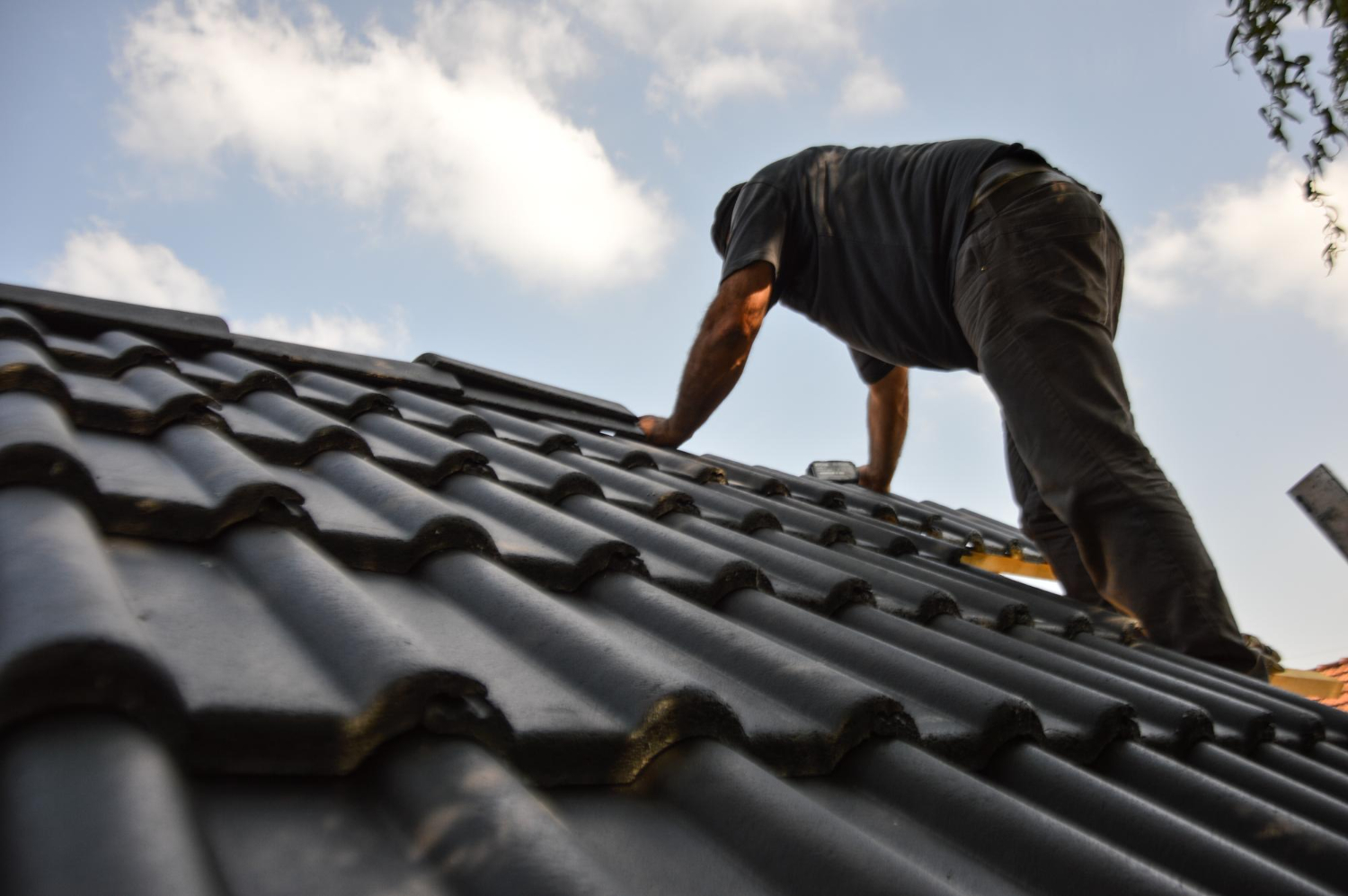
A sturdy roof is key to keeping your home safe and dry. Over time, roofs can develop issues that need attention. Whether it’s damage from a storm or regular wear and tear, spotting problems early can help prevent bigger headaches down the road.
As a homeowner, understanding basic roof repair tips can save you time and money. Some minor fixes are easy enough to handle on your own with the right tools and know-how. But it’s also important to know when to call in a pro to avoid safety risks.
Maintaining your roof can extend its lifespan and keep your home in great shape. By performing regular inspections and seasonal maintenance, you can tackle potential issues before they become major problems. Let’s dive into some practical tips for caring for your roof and ensuring it continues to protect your home year after year.
Identifying Common Roof Problems
Being able to identify common roof problems can save you from costly repairs later on. The first step is spotting signs of damage, which can appear in various forms. Look for missing or damaged shingles; they might be curled, cracked, or completely gone. These issues can lead to leaks and should be addressed promptly. Check for sagging areas on the roof, as these could indicate structural damage. Inside your home, water stains on the ceiling or walls are a clear sign of roof problems.
Understanding the role of weather in roof damage is crucial. Weather-related issues are one of the most common causes of roof deterioration. High winds can lift and tear shingles while hail can cause dents and weaken materials. Additionally, heavy rain and snow can lead to water pooling, which may seep into your home. Being aware of your local climate conditions and inspecting your roof after extreme weather can help you stay ahead of potential issues.
Use a binocular to spot problems from the ground if climbing on the roof feels unsafe. Regularly checking both the interior and exterior can catch small issues before they become big headaches. Keeping an eye out for these signs ensures your roof stays in top shape.
DIY Roof Repair Tips
Some roof repairs are simple enough to tackle yourself. DIY roof repair can be a cost-effective solution for minor problems. Before starting, gather the essential tools and materials. You’ll need a sturdy ladder, a hammer, roofing nails, replacement shingles, a sealant to fix leaks, and a trowel to apply it. Safety gear like gloves and non-slip shoes are also a must-have.
For minor damages, there are simple fixes you can perform. Replacing a few damaged or missing shingles is a straightforward task. Gently lift the shingle above, remove the damaged one, and nail a new shingle in place. Apply sealant under the edges to secure it well. Small leaks can be fixed by applying roof sealant to the damaged area. Press firmly for a good seal and let it dry completely.
While these repairs seem easy, always prioritize safety. Don’t attempt repairs in bad weather or if you feel unsure about your roofing skills. Remember, small jobs like these can extend the life of your roof, but knowing your limits is important. If a task feels beyond your expertise, it may be time to reach out for professional help.
When to Call a Professional
Some roof problems demand professional expertise. Recognizing serious damage is vital to prevent further issues. Large areas of missing or damaged shingles indicate structural issues that need expert attention. If a storm has caused significant leaks or the roof is sagging, it’s best to contact a professional quickly.
Beyond visible damage, safety concerns and risks also require calling in the pros. Roofing work involves heights and potential hazards. Climbing onto a steep roof or dealing with electrical components poses serious risks. If you are unsure about the condition of your roof or feel unsafe handling certain repairs, it is best to leave the job to those experienced in handling such situations.
Hiring a professional ensures not just safety but also peace of mind. Experts can diagnose the root cause of roofing issues, providing long-term solutions rather than short-term fixes. Investing in professional help can save both time and money, especially if it helps avoid future repairs.
Preventive Maintenance and Care
Taking a proactive approach to roof maintenance can save a lot of trouble. Regular roof inspections are a great start. Inspect your roof twice a year—once in the spring and once in the fall. Look for any issues like broken shingles, debris accumulation, or signs of wear and tear. Early detection of issues can prevent them from becoming bigger problems.
Seasonal maintenance tasks further help keep your roof in top condition. In the fall, clear leaves and branches from gutters to prevent clogs and water damage. In the winter, watch for ice dams and clear excess snow to reduce weight on the roof. During spring, examine for any damage roofs may have suffered during harsh winters. Addressing these seasonal requirements ensures your roof remains in good health throughout the year.
Routine care extends a roof’s lifespan and maintains its performance. Implementing simple maintenance practices is an easy way to ensure your home stays safe and protected from the elements. With consistent attention, your roof will continue to serve its purpose effectively.
Conclusion
Taking care of your roof is essential to maintaining your home’s safety and comfort. From identifying signs of damage to deciding when professional help is necessary, being proactive helps prevent costly repairs and extends the life of your roof. Regular maintenance and timely repairs keep your roof robust against weather challenges all year round.
If your roof needs some professional love, James Kate Roofing & Sola is here to help. Our team of experienced experts in the Dallas-Fort Worth area can handle any roofing repair needs, big or small. Don’t wait for minor problems to turn into major headaches—reach out to us today for a consultation and keep your roof in great shape.
