
Why Rooftop Solar Is More Than Just an Energy Decision
Roof-top solar systems are a fast-growing energy source for Dallas-Fort Worth homeowners. These photovoltaic (PV) systems use roof-mounted panels to convert sunlight into electricity, offering significant financial and environmental benefits. Residential systems typically range from 5–20 kW, with options for grid-tied, off-grid, or hybrid battery backup configurations. Homeowners can save an average of $50,000 over 25 years, and homes with solar sell for 4.1% more.
The growth is undeniable: U.S. residential solar capacity jumped 27-fold between 2010 and 2020, while installation costs have been cut in half. Choosing solar is a move toward energy independence, protection from rising utility rates, and a smaller environmental footprint. However, it’s a major property investment that demands careful planning.
I’m Dustin Eatman, owner of James Kate Roofing & Solar. I’ve dedicated my career to helping DFW homeowners steer the crucial link between quality roofing and roof top solar systems. A solar installation is only as reliable as the roof it sits on. This guide will provide the essential information you need to make a confident decision.
Understanding Your Roof Top Solar Systems
At its core, a roof top solar system uses photovoltaic (PV) technology to convert sunlight directly into electricity for your home or business. This happens through the photovoltaic effect: when sunlight strikes solar cells made of semiconductor materials, it creates an electric current. Individual cells are grouped into modules (panels), and panels are combined into arrays to generate sufficient power.
PV systems are modular and scalable. Residential roof top solar systems typically have a capacity of 5–20 kilowatts (kW), enough to greatly reduce or eliminate an electricity bill. Commercial systems are larger, ranging from 100 kW to over 1 megawatt (MW).
To learn more about the science, the Department of Energy offers a great resource on Solar Photovoltaic Technology Basics.
Types of Solar Systems
When considering a roof top solar system, you’ll encounter three main types:
Grid-Tied Systems: The most common type in the DFW area. The system is connected to the local utility grid. Excess power you generate is sent to the grid for credit, and you draw power from the grid when your panels aren’t producing enough (like at night).
Off-Grid Systems: These are completely independent of the utility grid and are best for remote locations. They require a battery bank to store energy for use at night or on cloudy days.
Hybrid Systems with Battery Storage: A hybrid system combines the benefits of grid-tied and off-grid setups. It’s connected to the grid but also includes a battery. This allows you to store excess solar energy for later use, providing backup power during outages and increasing your energy resilience.
Key Components of Roof Top Solar Systems
Photovoltaic (PV) Panels: These modules capture sunlight and convert it into direct current (DC) electricity. Most panels today use silicon-based solar cells.
Inverters: Convert DC electricity into AC electricity used by your home and the grid.
- String Inverters: Cost-effective but affected by shading.
- Microinverters: Panel-level optimization, ideal for shaded or complex roofs.
Racking and Mounting Hardware: Securely attaches panels to your roof while maintaining watertight integrity.
Solar Battery (Optional): Stores excess solar energy for nighttime use or outages.
Monitoring System: Tracks real-time energy production and system performance.
The Financial Case for Solar
Installing a roof top solar system is a strong financial investment.
Key benefits include:
- Cost Reduction
- Increased Home Value (4.1% on average)
- Long-Term Savings (≈ $50,000 over 25 years)
- Fast Energy Payback (≈ 2 years)
Incentives and Tax Credits
The Federal Solar Investment Tax Credit (ITC) allows you to deduct a percentage of your system cost from your federal taxes. Local Texas utility incentives may also apply.
Your roof top solar system can also generate Renewable Energy Credits (RECs).
Buying vs. Leasing Roof Top Solar Systems
Buying (Cash or Loan):
- Highest lifetime savings
- Eligible for tax credits
- You own the system
Leasing / PPA:
- Low upfront cost
- Lower long-term savings
- No tax credit eligibility
Is Your Home a Good Candidate for Solar?
A solar installation is only as good as the roof beneath it.
Key factors include:
- Roof condition and lifespan
- Structural integrity
- Roof material
- Orientation and shading
- Energy usage patterns
Roof Assessment Factors
- Roof Age & Structure: Solar panels last 25–30+ years; your roof should too.
- Roof Material: Asphalt, metal, and tile all require different mounting approaches.
- Orientation & Pitch: South-facing is optimal, but east and west perform well.
- Shading: Trees and structures can reduce output without mitigation.
Tools for Preliminary Assessment
- Google Project Sunroof
- PVWatts Calculator (NREL)
- Utility Bill Analysis
Choosing the Right Solar Technology and Provider
Latest Solar Advancements:
- Monocrystalline panels
- High-efficiency modules
- Half-cut cells
- Solar shingles (BIPV)
- Battery storage integration
Warranties Matter:
- 20–25 year product & performance warranties
- Inverter warranties up to 25 years
- 25-year workmanship warranty from James Kate Roofing & Solar
How to Select a Reputable Solar Installer
- Get multiple quotes
- Verify licensing & insurance
- Understand warranties
- Confirm permitting & utility handling
- Choose local experience
Net Metering Explained
Excess solar power is sent to the grid and credited to your utility bill, allowing you to offset nighttime or low-production usage.
Environmental & Community Benefits
- Reduced carbon footprint
- Stronger, more resilient grid
- Local job creation
- Energy independence
Conclusion
Roof top solar systems provide long-term savings, energy independence, and environmental benefits. Choosing the right roof, system, and installer is critical.
At James Kate Roofing & Solar, we combine roofing excellence with trusted solar expertise—backed by GAF President’s Club recognition and a 25-year workmanship warranty.
Ready to explore solar for your home?
Contact us today for a free consultation and personalized solar proposal.
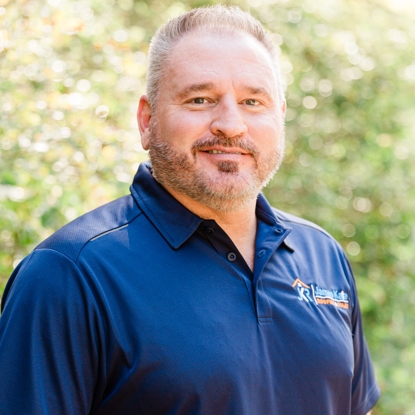
Dustin Eatman is a seasoned roofing professional with deep, hands-on expertise that spans residential and commercial roofing, insurance solar, and long-term roof asset management. As the owner of James Kate Roofing & solar in the Dallas–Fort Worth metroplex, he’s built a reputation for diagnosing roof systems accurately, communicating clearly, and executing projects with a high standard of workmanship and documentation. Dustin understands the technical details that make roofs perform—proper underlayment selection, slope and drainage considerations, ventilation strategy, flashing and penetration detailing, and manufacturer-specific installation requirements—because he’s worked through the real-world challenges that cause leaks, premature wear, and warranty issues. He’s equally fluent in the operational side of roofing: jobsite planning, quality control, safety, material ordering, crew coordination, and customer experience from inspection to closeout. In insurance-related projects, Dustin brings practical knowledge of claim workflows, adjuster meetings, scope alignment, supplements, and the importance of photo evidence and thorough records, helping property owners navigate stressful situations with confidence. For commercial clients—especially property and facility managers—he emphasizes proactive maintenance and targeted repairs that reduce disruption, extend roof life, and prevent expensive interior damage. Dustin also stays focused on doing things the right way: educating customers on realistic options, setting expectations, and prioritizing solutions that hold up over time rather than quick fixes. That blend of technical skill, field experience, process discipline, and owner-level accountability is what makes Dustin Eatman a trusted expert in the roofing industry.