Your roof is a vital part of your home, keeping everyone under it safe from the elements. When it starts showing signs of wear or damage, it’s crucial to pay attention and take action swiftly. Ignoring these signs can lead to bigger problems and costlier repairs down the line.
Recognizing the warning signals is key to maintaining a healthy roof. This includes visible damage on the roof’s surface, but also tells within your home that could point to roof issues. Water stains or unexpected energy bill hikes might seem minor, but they often indicate underlying roof problems.
Getting to know these signs helps in protecting your investment and ensuring your family’s comfort and safety. Addressing roof issues promptly prevents small problems from turning into major headaches. Stay vigilant and keep an eye out for the signs that your roof needs some TLC.
Visible Damage on Roof Surface
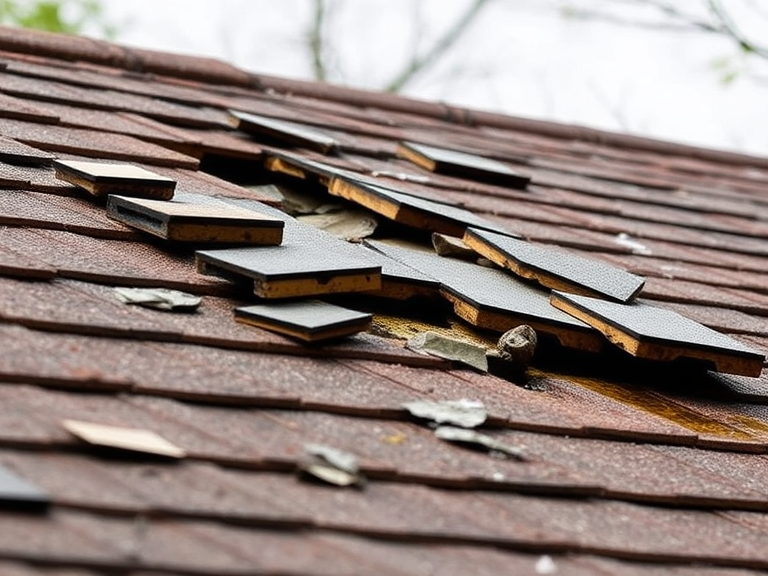
Pay close attention to anything that looks amiss on your roof’s surface. Cracked, curled, or missing shingles are common indicators of roof problems. Shingles protect your roof from the elements, and when they’re damaged, water can seep in, causing leaks and more extensive damage. Regular inspections can help spot these issues early, so you can replace damaged shingles before problems escalate.
Another sign to watch for is the presence of moss or algae on your roof. While a little moss might seem harmless, it traps moisture against the roof surface. Over time, this can weaken the shingles and lead to rot. Removing moss and keeping the roof clean helps prevent these issues and extends your roof’s life.
Flashing is another key element to check. This material acts as a sealant around joints, chimneys, and skylights, preventing water from penetrating. When flashing is rusted or damaged, it leaves your roof vulnerable to leaks. Regularly inspect the flashing and promptly repair or replace any parts that show signs of wear. By staying vigilant, you can ensure your roof is solid and secure.
Interior Issues Indicating Roof Problems
Your home’s interior often reveals hidden roof issues. One clear warning sign is water stains or leaks on your ceilings. These may point to leaks from damaged shingles or faulty flashing. If you spot them, investigate the cause sooner rather than later. Ignoring them can lead to mold growth and structural issues.
Peeling paint or wallpaper is another clue. Moisture from leaky roofs can cause paint to bubble or wallpaper to peel, often indicating water intrusion. Check the roof and attic for signs of leaks if you notice these changes inside your home.
You might also detect dampness or musty odors. These smells are usually a result of moisture accumulation, which is a breeding ground for mold. Regularly inspecting attics and ceilings for signs of dampness can help nip these problems in the bud. Addressing interior indications of roof problems swiftly helps prevent damage from spreading and ensures a safer home environment.
Roof Sagging or Structural Concerns
Structural changes in your roof are major red flags that demand immediate attention. If you notice uneven roof lines or any portion of the roof sagging, it could indicate serious underlying problems. These issues often arise from prolonged moisture exposure, support failure, or excessive load from snow or debris. A sagging roof may signal weakened structural integrity, which can lead to costly repairs if not addressed right away.
Bowing or sagging areas can sometimes be seen in the attic. These areas might show signs of stress, such as bent rafters or trusses. Regularly inspect the attic for any sagging and consult a professional if you spot something unusual, as leaving it unchecked could result in a collapsed roof.
Additionally, inspect walls and ceilings for cracks. Cracks in these areas may suggest that the roof’s shifting is causing stress on your home’s structure. They can start small but expand over time if the root problem is ignored. Recognizing these structural concerns early is key to stopping further damage and preserving your home’s safety.
Unexpected Increases in Energy Bills
An unexpected rise in energy bills might indicate a problem with your roof’s insulation or ventilation. When a roof has poor insulation, it allows heat to escape during winter and lets in hot air during summer. This forces your HVAC system to work harder, driving up energy costs. Ensuring proper insulation can help maintain the desired indoor temperature and save money on energy bills.
Check for drafts and noticeable temperature fluctuations in different parts of the house. These can signal that your roof isn’t adequately insulating and protecting your home. Drafts often come from gaps or damage in the roofing structure, making it crucial to identify and seal them.
An inefficient heating or cooling system could also result from inadequate roof ventilation. When your roof lacks proper ventilation, it traps heat and moisture, affecting the overall efficiency of HVAC systems. Improving ventilation allows air to circulate freely, reducing the burden on your heating and cooling units. Monitoring your energy bills and addressing these issues can lead to a more comfortable home and energy savings.
Conclusion
It’s essential to keep a close eye on your roof to ensure your home’s safety and comfort. From visible exterior damage to subtle internal signs, there are many indicators that your roof may need immediate attention. Regular inspections and proactive maintenance can prevent minor problems from escalating into significant issues.
A healthy roof not only protects your home from the elements but also helps in maintaining energy efficiency, thus saving costs in the long run. By addressing warning signs early, you can avoid expensive repairs and extend the life of your roofing system.
If you notice signs of roof damage, don’t wait until it’s too late. Contact James Kate Roofing & Sola today for a professional inspection and expert solutions tailored to your needs. Our team is ready to help you keep your roof in top shape, ensuring safety and peace of mind for years to come.
