Recognizing the signs that your roof needs attention can help you avoid small issues from progressing into costly repairs. Quickly fixing visible damage, and looking out for internal warning signs or unexpected increases in energy costs can keep your home safe and comfortable.
Here are some of the common signs of roof damage you need to watch out for.
Visible Damage on Roof Surface
Spotting physical damage on your roof is often the first sign that it requires immediate attention. Shingles play a pivotal role in protecting the roof. When they become cracked, curled, or go missing, it opens up your roof to potential leaks. Such damage is often a result of severe weather conditions or prolonged sun exposure, gradually wearing out the shingles.
Another thing to look out for is the presence of moss or algae. While these might seem harmless, they hold moisture against the roof surface, which can lead to more serious issues. Moss can lift shingles as it grows, allowing water to seep underneath.
Don’t forget to check the flashing, the metal strips that seal roof joints. Damaged or rusted flashing can compromise the roof’s waterproof integrity. This can be particularly problematic around chimneys, vents, and skylights. Regular inspections from ground level with binoculars or climbing a ladder can help catch these issues early and prevent extensive damage.
Interior Issues Indicating Roof Problems
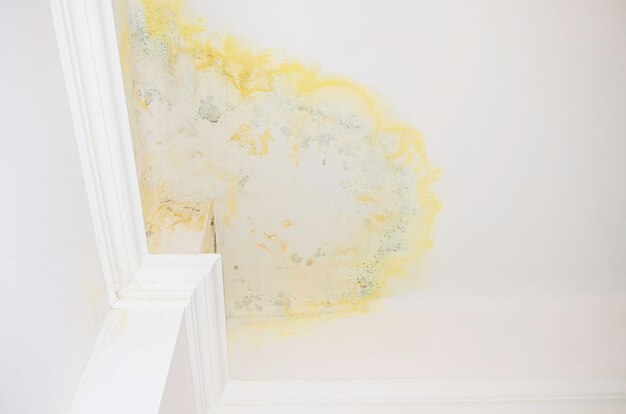
Sometimes the signs that your roof needs help are inside your home. Water stains or leaks on your ceilings are glaring indicators that your roof isn’t keeping moisture out. They suggest that water has penetrated the roofing materials, and if not addressed, can lead to structural damage over time.
Peeling paint or wallpaper might not be something you immediately associate with roof trouble, but they can be caused by excess moisture from roof leaks. The moisture can also create a conducive environment for mold and mildew, affecting both your health and home aesthetics.
Musty odors often signal hidden moisture issues. If you notice a persistent damp smell, it’s time to investigate further. These smells usually suggest water entry and could mean damaged insulation or trapped moisture within walls. Identifying these interior signs promptly can help tackle roof problems at their source, preventing further damage and costly repairs.
Roof Sagging or Structural Concerns
Beyond the visible and indoor clues, structural issues like sagging or uneven roof lines are clear signs that need immediate attention. A sagging roof typically points to problems with the roof’s support system. This can happen due to prolonged leaks, excess weight from accumulated snow, or compromised structural materials.
Check for bowing or sagging areas by examining the roof from a distance. If you notice any dips or uneven spots, prompt action is necessary to avoid further structural weakening, which might otherwise lead to a complete roof failure.
Additionally, pay attention to any cracks in walls or ceilings inside your home. These may not always seem directly related to the roof but often link back to structural issues caused by the roofing system. Addressing these concerns quickly not only prevents future damage but also ensures the overall safety of your home.
Unexpected Increases in Energy Bills
An unexplained spike in energy bills can often be traced back to your roof. Poor insulation or ventilation might be the culprit. Proper roof insulation and ventilation work together to keep your home’s temperature stable, reducing the energy needed for heating and cooling.
Drafts or uneven temperatures in different rooms might indicate that your roof is not functioning optimally. Loss of conditioned air can result in your HVAC system working harder, thus increasing energy costs.
Using energy-efficient practices can help manage these costs, but addressing the root cause—such as poor roof insulation or ventilation—is more effective. If your roof is inefficient, it’s a signal that a professional assessment might be needed to identify areas that could be improved. Monitoring your energy use can help spot these inefficiencies early.
Conclusion
Identifying the signs that your roof needs immediate attention can prevent minor issues from developing into major repairs. Taking action on visible damage, internal warnings, or even sudden energy cost increases helps in keeping your home safe and comfortable. Regular inspections and maintenance are crucial to maintaining a healthy roof.
By staying vigilant and addressing concerns quickly, you protect both your home and your investment. Whether it’s fixing a missing shingle or addressing sagging roofs, prioritizing roof care pays off in the long run.
To ensure your roof is in top shape, consider reaching out to James Kate Roofing & Sola. Our team specializes in comprehensive assessments and can help address any roofing concerns you may have. Get in touch to learn more about how we can help safeguard your home with expert roof repair and replacement solutions.
