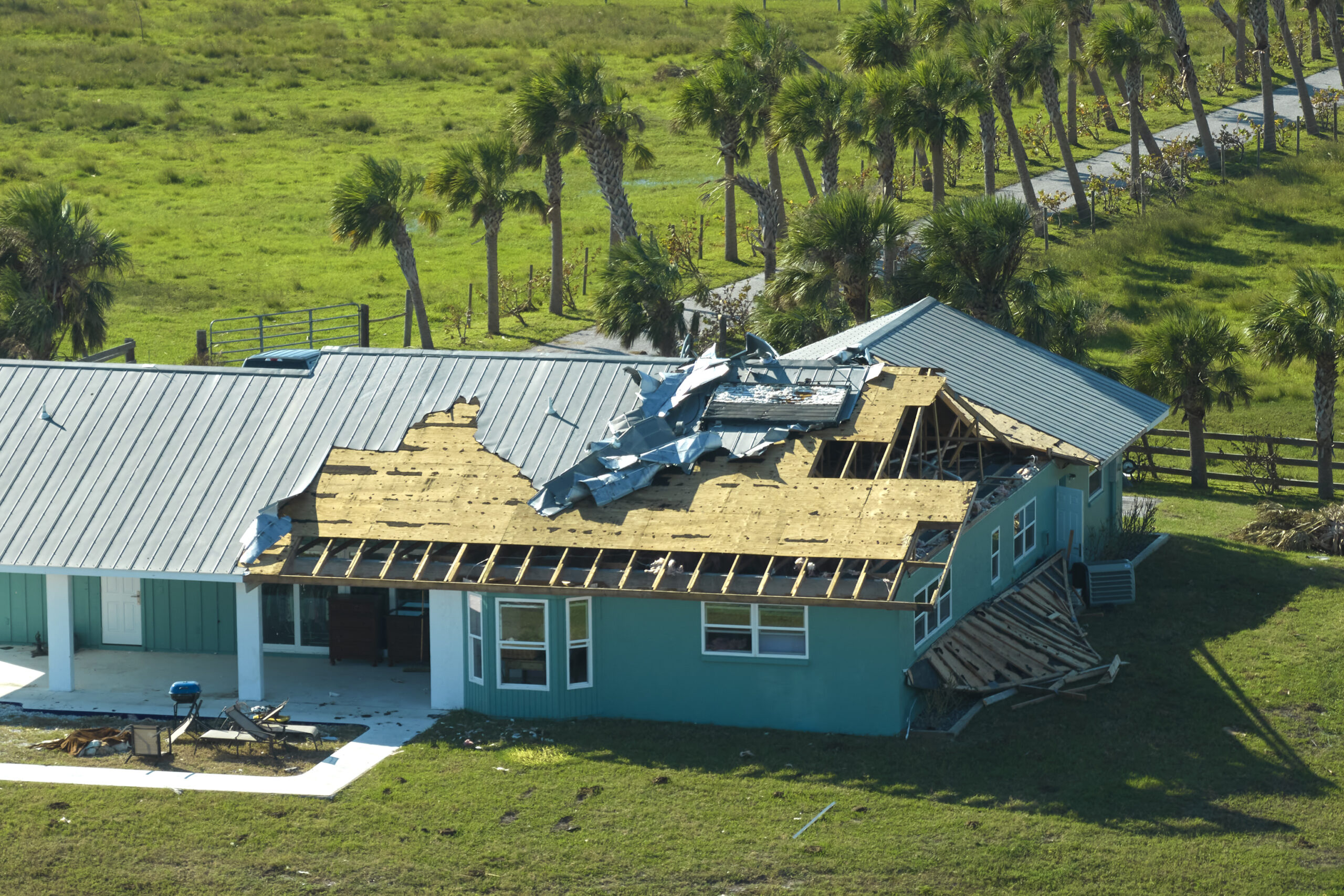
Storms can leave a lot of damage in their wake, especially to your roof. After a storm passes, it’s crucial to inspect your roof for any signs of harm. Identifying damage early can prevent bigger problems later, like leaks or structural issues. Keeping your roof in good shape helps to protect your home and everyone inside it.
When checking your roof after a storm, look for visible signs like missing shingles or dents from hail. These are clear indicators that your roof needs attention. It’s not just the roof itself you should check. Gutters and downspouts also need inspection, as they can show signs of trouble, like shingle granules or poor drainage.
Also, inspect the inside of your home for any signs of water damage, which might suggest a leaky roof. Looking for problems like water stains or mold growth can help you catch issues early. Choosing to inspect safely and knowing when to call a professional can make all the difference in keeping your roof and home secure.
Visible Signs of Roof Damage
After a storm, the first step in checking for roof damage is to inspect the exterior for any visible signs. Missing or damaged shingles are some of the most obvious indicators. High winds can easily tear shingles off, and heavy rain or hail can create cracks. Look for shingles that are curled, cracked, or missing entirely. These need prompt attention to prevent leaks and further deterioration of your roof.
Hailstorms present a unique challenge to roofing materials. Dents and impact marks are common in areas pummeled by hailstones. Inspect your roof for these telltale signs. Dark spots or bruises on shingles often point to hail damage. These areas might not leak immediately but can weaken the material over time, making future problems more likely.
Cracks and tears in the roofing materials are another red flag. These can occur when debris like limbs or other objects hit your roof during a storm. Carefully check your roof’s surface, especially where materials overlap or near valleys and ridges where debris might have collected. Spotting these signs early can help you address issues before they escalate into more serious and costly repairs.
Inspecting Gutters and Downspouts
Once you’ve checked the roof itself for damage, turn your attention to gutters and downspouts. When shingles begin to fail, part of the evidence often ends up in your gutters. Look for granules in the gutters. These tiny pieces come from the surface of asphalt shingles and a buildup in gutters is a sign that shingles are deteriorating or have been damaged in the storm.
Ensure that your gutters and downspouts are functioning correctly to prevent water damage to your home’s foundation and siding. If you notice water pooling or spilling over the sides, it might signal clogs or improper drainage. Check that downspouts direct water away from the foundation properly. Poor water flow can lead to serious structural issues.
Also, inspect the areas around the roof edges. Pay particular attention to fascia and soffit boards, as they are often overlooked. Damage in these areas can affect the entire roofing system’s integrity. Ensuring that roof edges remain intact helps protect your home from potential water entry and additional damage. Regular inspections after storms can help keep your roofing system in peak condition.
Interior Signs of Roof Damage
After checking your roof and gutters, it’s time to inspect the interior for any damage signs. Water stains on ceilings and walls are a significant indicator of roof leaks. Brown, damp spots suggest that water has made its way through the roofing material. These spots often expand if not promptly addressed, leading to bigger repair issues.
Mold or mildew growth inside your home can also signify roof damage. These thrive in moist environments, so their presence indicates persistent water intrusion. Mold can appear as dark spots on walls and ceilings, sometimes accompanied by a musty smell. Addressing leaks quickly can help prevent these unwanted growths.
Another telltale sign is peeling paint or wallpaper. Excess moisture from a leaking roof can cause paint to bubble and peel away from the walls, or wallpaper to start coming off. These signs demand your attention, as ignoring them can lead to more extensive structural damage. Regular monitoring of your home’s interior can help catch roof issues early and protect the integrity of your home.
Conducting a Safe Roof Inspection
When inspecting your roof, safety should always come first. Climbing onto your roof can be dangerous, so if possible, conduct your inspection from the ground using binoculars to spot visible damage. If you decide to use a ladder, ensure it is stable and placed on an even surface.
Knowing when to call a professional roofer is crucial. While you may spot certain issues, some damage requires an expert’s eye. Professional roofers have the training and tools to assess and repair any damage accurately. Don’t hesitate to contact a roofer if you feel uncomfortable or unsure about your inspection.
For a thorough check, you might need some essential tools. Binoculars, a flashlight for checking the attic, and a sturdy ladder are helpful. Use a notebook to document any damage, including descriptions and photos if possible. These records can be useful if you decide to hire a professional roofer for repairs.
Conclusion
Keeping your roof in top condition after a storm is key to protecting your home. By paying attention to both the exterior and interior signs of damage, you can catch issues early and prevent more significant problems. Regular inspections help maintain your roof’s integrity and safeguard against unexpected leaks or structural damage.
A safe inspection process and knowing when to hire professionals are vital steps in roof care. With these proactive measures, your home remains a safe haven for you and your family. Storms may be unpredictable, but how you prepare for and respond to them can make a big difference in the well-being of your house.
Need professional help with spotting or fixing roof damage after a storm? Reach out to James Kate Roofing & Sola for expert advice and quality roofing service. Our team is ready to assist with your roofing needs and ensure your home remains safe and secure. Contact us today to schedule an inspection or discuss your concerns!
