
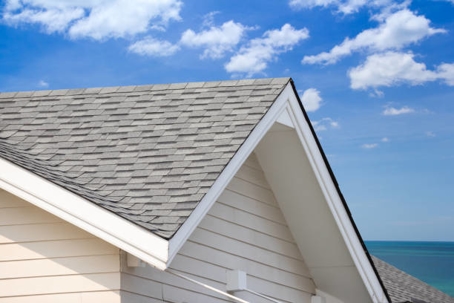
When choosing the ideal roofing material for your home, making an informed decision is crucial. In this blog post, we will delve into the factors that should be considered to select the perfect roofing material that suits your needs.
Key Factors to Consider When Choosing a Roofing Material
Before delving into the specific types of roofing materials available, several key factors should be taken into account:
Climate Considerations
The weather conditions in your area play a significant role in determining the most suitable roofing material. Different materials perform better in various climates, so choosing one that can withstand the local weather patterns effectively is essential.
Architectural Compatibility
It is important to ensure that the roofing material you choose harmonizes with the architectural style of your home. Opting for a material that complements the overall aesthetic of your house enhances its visual appeal and adds to its value.
Budgetary Constraints
The financial aspect is another vital consideration. The cost of roofing materials can vary significantly, so it’s important to determine how much you are willing to invest. Additionally, it’s crucial to factor in the long-term costs associated with maintenance, repairs, and potential replacements.
Common Roofing Materials
Let’s explore some popular roofing materials along with their respective advantages and disadvantages:
- Asphalt Shingles: Asphalt shingles are the most widely used and affordable option for residential roofs. They are durable, available in various colors, and relatively easy to install. However, their lifespan may be shorter than other materials and require periodic maintenance.
- Metal Roofing: Metal roofs are known for their exceptional strength and longevity. They are available in a wide range of styles and colors, offering versatility in design. While metal roofs tend to be more expensive than asphalt shingles upfront, their durability and low maintenance requirements can result in long-term cost savings.
- Solar panels: Installing Solar panels on your roof allows you to harness the sun’s energy, reducing reliance on conventional energy sources. This benefits the environment, lowers energy consumption, and saves money on electricity bills in the long run.
Maintenance and Lifespan Considerations
Different roofing materials require varying levels of maintenance and have different lifespans. Understanding your chosen material’s maintenance requirements and expected longevity is crucial for planning future repairs or replacements.
Hiring a Professional Roofing Contractor
When it comes to installing or repairing your roof, it is highly recommended to enlist the services of professional roofing contractors. They possess the necessary expertise and knowledge to ensure the job is done correctly and efficiently. When selecting a contractor, prioritize licensed professionals with a proven reliability and trustworthiness track record.
By considering the weather conditions, architectural style, and budgetary constraints, you can make an informed decision when choosing the right roofing material for your home. Exploring the options, including sustainable choices such as Solar panels, allows you to align your roofing selection with your environmental values. Additionally, relying on professional roofing contractors ensures the installation or repair process is handled with expertise. With careful consideration and the appropriate choice of roofing material, your home will be well protected and aesthetically pleasing.
