Roofing issues are something that every homeowner might encounter at some point. Whether it’s a small leak creeping in during a heavy rainstorm or a couple of shingles blowing off in a gusty wind, these problems can arise unexpectedly. The important thing to remember is that addressing these troubles promptly can save you a lot of hassle down the road. When left unattended, small issues can quickly escalate into major headaches, leading to complicated repairs and costly damage.
Imagine a roof as the first shield protecting your home from the unpredictability of weather. With roofs often being “out of sight, out of mind,” it’s easy to overlook minor issues until they become significant. Taking the time to understand common problems and their warning signs is crucial for maintaining the health of your roof. Let’s explore some of the most frequent roofing issues and how you can tackle them effectively.
Identifying Roof Leaks
Spotting roof leaks early can save you from dealing with water damage that might harm your home’s interior. Here are a few signs that might indicate a leak:
- Water stains on ceilings or walls, often yellowish or brown.
- Damp spots or dripping water during heavy rain.
- An unexplained musty smell inside your home, suggesting moisture buildup.
If any of these signs catch your attention, taking swift action is important. Begin by locating the source of the water intrusion. This might be directly above the stain or elsewhere, as water may travel along beams or insulation before settling. Once you’ve pinpointed the problem area, temporarily catching the water with a bucket or container can help protect your belongings.
For a more lasting solution, consider consulting a professional. They can provide a thorough inspection and fix the underlying issue. It’s also beneficial to schedule regular checks of your roof, especially after severe weather conditions, to detect leaks before they grow.
By staying aware and proactive, you can ensure that minor leaks don’t turn into major disruptions. Addressing these early signs will keep your home comfortable and your mind at ease.
Dealing with Missing or Damaged Shingles
Shingles often take the brunt of weather changes, facing everything from high winds to scorching sun. It’s not uncommon for them to become damaged over time. Many things can harm shingles, including harsh weather, age, and even debris from nearby trees or other structures. When shingles go missing or get damaged, the roof’s defense weakens, making it easier for water and critters to get inside.
It’s vital to address issues with shingles right away. Damaged shingles can lead to leaks, and a single missing shingle might soon cause several more to loosen. The glue or nails holding them together start to fail, and before you know it, a small problem has turned into a big one. When you notice shingle issues, have them replaced quickly to prevent widespread damage.
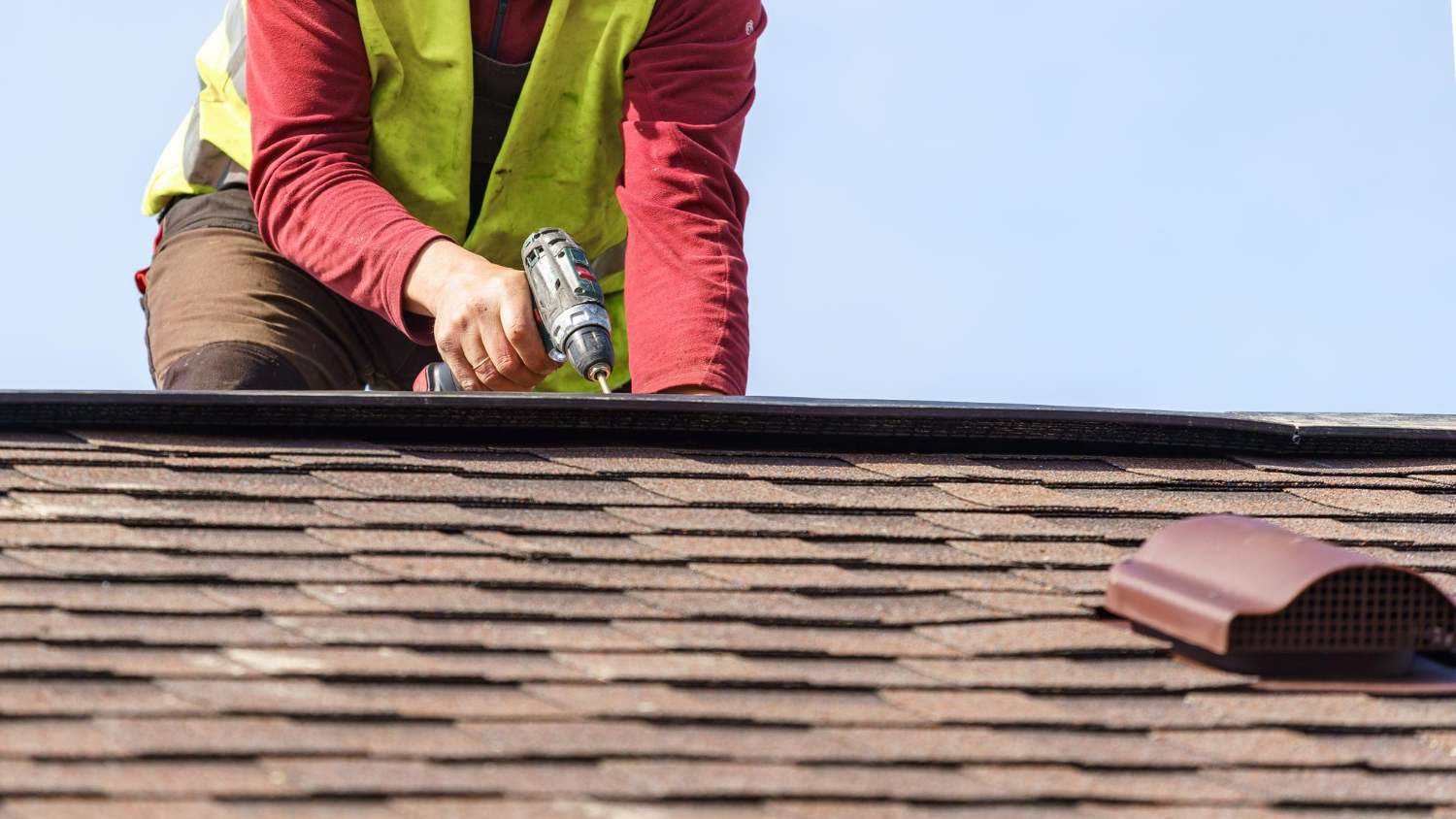
To replace shingles, you’ll need to remove the damaged one carefully without harming surrounding ones. Then, slide a new shingle into place, securing it with suitable roofing nails. While it’s possible to do this yourself, calling a professional ensures it’s done correctly and safely.
Fixing Flashing Problems
Roof flashing plays a critical role in directing water away from key areas like chimneys, vents, and skylights. Made from materials like aluminum or galvanized steel, flashing is designed to seal and protect joints and seams where water could sneak in. Problems arise when flashing rusts or gaps form due to wear or improper installation.
Common flashing issues include corrosion and detachment, which can occur over time. If you start seeing rust or find gaps, it’s likely time to fix or replace the flashing. Here’s a simple way to address this:
- Carefully remove old or damaged flashing, being mindful of nearby shingles.
- Clean the area to ensure no debris or old caulking hinders the fit of new flashing.
- Measure and cut the new flashing so it fits snugly around the problem area.
- Secure it with the correct fasteners and seal with roof-grade caulk to ensure watertight protection.
Always assess the extent before proceeding with repairs. In cases where flashing installation seems daunting, seeking professional help ensures the problem is resolved effectively.
Addressing Roof Ventilation Issues
Good roof ventilation is key to a healthy home. Poor airflow can lead to increased temperatures in your attic, moisture buildup, and even mold growth. These problems often stem from blocked vents or insufficient ventilation designs.
Signs of poor ventilation might include:
- Uncomfortably warm attic spaces.
- Condensation or mold forming in attics or upper rooms.
- Higher energy bills as cooling systems work overtime.
To improve ventilation, ensure that vents are clear of blockages like leaves or nests. Installing ridge vents or additional exhaust vents in the attic can significantly help improve airflow. This ensures that hot air escapes and cool air circulates, keeping things balanced and healthy.
Understanding these roofing aspects can help you keep your home in top shape. Regular attention to things like shingles, flashing, and ventilation protects your roof and extends its life. Staying on top of these issues means fewer surprises and more peace of mind, knowing your home is safe and sound.
Keeping your roof in top condition is crucial for a safe and comfortable home. If you’re facing issues with leaks, missing shingles, or ventilation, don’t wait until the problems worsen. Connect with professional roofer contractors to address these concerns effectively. Visit James Kate Roofing & Sola to explore more about maintaining your roof’s health and to ensure it serves you well for years to come.
