What You Need to Know About Household Mold Removal
Household mold removal is something every DFW homeowner should know how to handle — and fast.
Here’s a quick overview of how to remove mold safely:
- Assess the area — Less than 10 sq ft? You can likely DIY it. Larger? Call a pro.
- Put on PPE — N-95 respirator, non-latex gloves, and sealed goggles before you start.
- Fix the moisture source first — Mold will return if you don’t stop what caused it.
- Clean the mold — Scrub hard surfaces with detergent and water, or use a bleach solution (1 cup bleach per gallon of water). Never mix bleach with ammonia.
- Dry everything completely — Within 24–48 hours to stop regrowth.
- Ventilate — Open windows and run exhaust fans during and after cleanup.
- Dispose of porous materials — Drywall, ceiling tiles, and carpet that can’t be fully dried should be replaced.
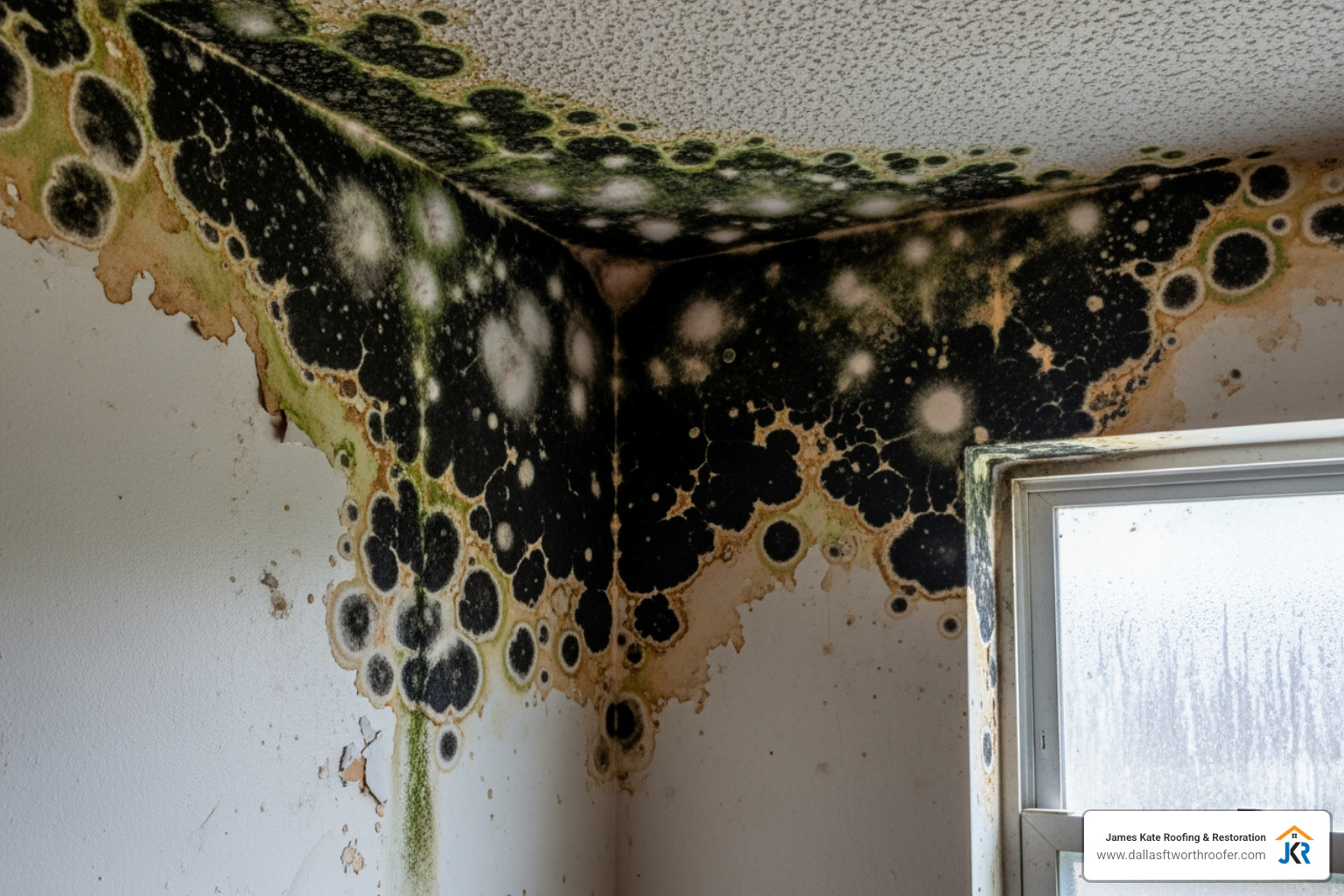
Mold is more than an eyesore. It damages the surfaces it grows on, and the longer it sits, the worse the damage gets. According to the CDC, mold can trigger stuffy noses, sore throats, coughing, wheezing, and skin rashes — and for people with asthma or weakened immune systems, the risks are even more serious.
The good news? Most small mold problems can be handled at home with the right approach.
I’m Dustin Eatman, owner of James Kate Roofing & solar in the Dallas–Fort Worth area, and through years of hands-on solar work — including water damage and household mold removal — I’ve seen how quickly mold can escalate when moisture isn’t controlled. This guide walks you through everything you need to safely remove mold and keep it from coming back.
Assessing the Scope of Household Mold Removal
Before you grab a scrub brush, you need to know exactly what you’re up against. As of May 2026, the standard industry guideline remains consistent: size matters. We generally categorize mold infestations into two groups: those you can handle yourself and those that require a professional team like ours here in Mansfield or Arlington.
The 10-Square-Foot Rule
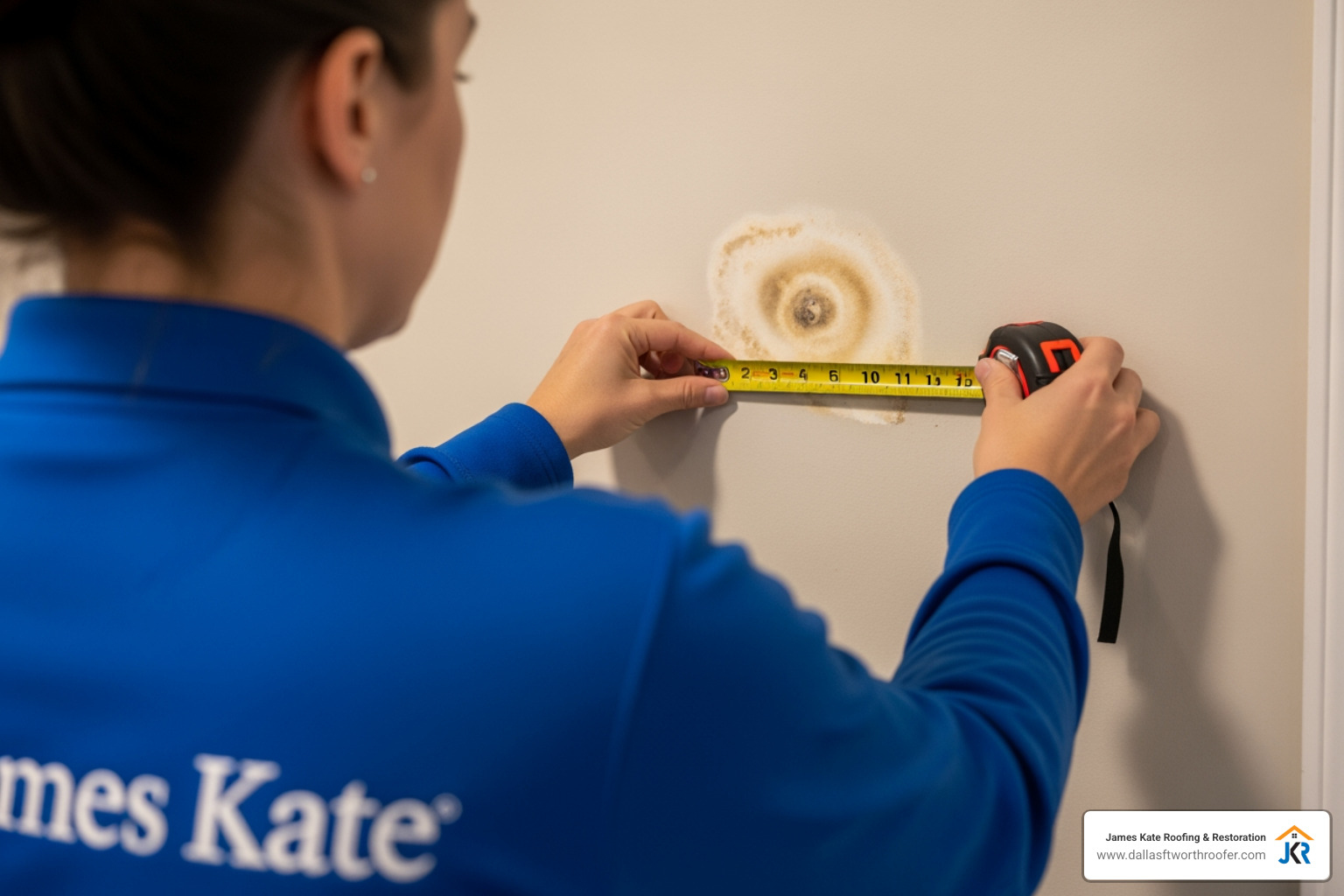
The Mold Cleanup in Your Home | US EPA guidelines state that if the affected area is less than roughly 10 square feet (about a 3-foot by 3-foot patch), you can typically manage the cleanup on your own. However, if the patch is larger than that, or if the mold was caused by contaminated water (like sewage or “black water”), it’s time to call in the experts.
Identifying the Source and Hidden Mold
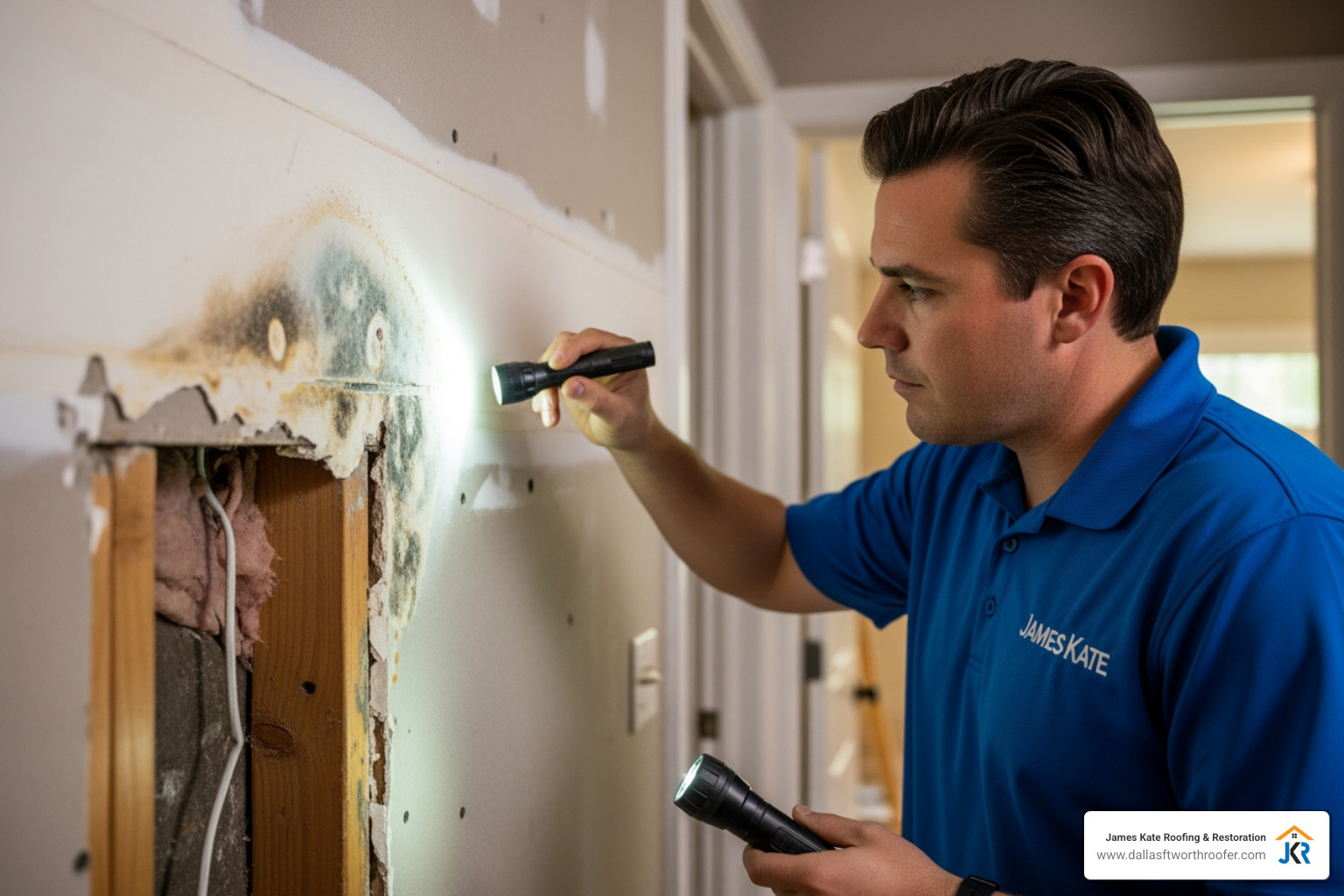
Mold doesn’t just appear; it’s a symptom of a moisture problem. Whether it’s a leaky pipe, roof damage from a North Texas storm, or high humidity in a poorly ventilated bathroom, you must fix the water source first. If you smell a persistent musty odor but can’t see the growth, you might have “hidden mold” behind wallpaper, under floorboards, or inside wall cavities.
Understanding the type of water that caused the issue is also vital. Check out The Essential Guide to Identifying Your Category of Water Loss to see if you are dealing with clean water or something more hazardous. If the mold has already caused structural damage—like soft, rotting wood or crumbling drywall—the remediation process becomes significantly more complex.
Essential Safety Gear and PPE for Cleanup
We cannot stress this enough: safety first. When you disturb mold during the household mold removal process, you release millions of spores into the air. Inhaling these can cause immediate respiratory irritation, even in healthy individuals.
The PPE Checklist
According to the Mold | Mold | CDC guidelines, you should never attempt mold removal without the following:
- N-95 Respirator: This is essential to prevent breathing in spores. A simple paper mask won’t cut it; it must be NIOSH-approved.
- Non-Latex Gloves: Long rubber or nitrile gloves that extend to the mid-forearm protect your skin from both mold and harsh cleaning chemicals.
- Sealed Goggles: Use goggles without ventilation holes to ensure spores don’t reach your eyes.
Vulnerable Populations
Certain groups should avoid being in the house entirely during mold cleanup. This includes people with:
- Asthma or COPD
- Immune suppression (from transplant, cancer treatment, or illness)
- Chronic lung disease
- Severe mold allergies
To prevent cross-contamination, we recommend sealing off the work area with plastic sheeting and using a “negative air” setup where a fan blows air out of a window. For more on staying safe during home repairs, see our Water Damage solar Survival Guide.
Effective Cleaning Solutions and Methods
Once you are suited up and the area is contained, it’s time to clean. The method you choose depends on the surface and your personal preference for natural vs. chemical solutions.
| Solution | Best For | Pros | Cons |
|---|---|---|---|
| Bleach Solution | Non-porous (tile, glass) | Kills surface mold fast | Toxic fumes; doesn’t kill roots in porous materials |
| Vinegar | Most surfaces | Natural; kills 80%+ of species | Strong smell; takes time to work |
| Hydrogen Peroxide | Porous & non-porous | Effervescent action lifts mold | Can bleach colored fabrics/wood |
| Detergent & Water | Initial cleaning | Safe; removes physical debris | Doesn’t always “kill” the mold |
The Removing Mold in Your Home | CAES Field Report emphasizes that for many hard surfaces, simple detergent and water are enough to remove the mold, provided the area is dried immediately. For deeper issues, such as those following a plumbing failure, refer to The Ultimate Guide to Cleaning Up After Appliance Leaks.
Natural Alternatives for Household Mold Removal
If you prefer to avoid harsh chemicals, several household items are surprisingly effective:
- Undiluted White Vinegar: Spray it on, let it sit for an hour, then wipe clean. It’s effective against the vast majority of mold species.
- Baking Soda: Mix a quarter tablespoon with water in a spray bottle. It kills mold and helps absorb those funky odors.
- Tea Tree Oil: A natural fungicide. Mix two teaspoons with two cups of water. It’s expensive but very powerful.
- 3% Hydrogen Peroxide: Spray it on the mold and let it bubble for 10-15 minutes before scrubbing.
Safe Bleach Application
If you choose to use bleach, follow the CDC recommendation: no more than 1 cup of bleach per 1 gallon of water.
- NEVER mix bleach with ammonia or other household cleaners; this creates lethal mustard gas.
- Ensure the room is well-ventilated with open windows.
- Apply to non-porous surfaces and allow a 10-minute “dwell time” before rinsing and drying.
Surface-Specific Remediation Strategies
Not all surfaces are treated equally. The “porosity” of the material—how many tiny holes it has—determines whether it can be saved.
Non-Porous vs. Porous
- Tile and Grout: These are usually salvageable. Use a stiff brush and a mold-killing solution. If the grout is deeply stained, it may need to be scraped out and replaced.
- Wood: If mold is on a wooden beam, you can often sand the surface to remove the growth. However, you must use a HEPA vacuum immediately to catch the sawdust and spores.
- Carpeting: Unfortunately, if carpet or padding gets moldy, it usually has to go. It is nearly impossible to remove spores from the deep fibers. Check our From Puddle to Plush: A Guide to Flooded Carpet Cleanup for more details.
- Drywall: If mold has penetrated the paper backing of drywall, the affected section must be cut out and replaced. Painting over it is a recipe for disaster.
- Fabrics: Clothing and linens can often be saved by washing them in hot water with a cup of vinegar or a specialized mold-wash detergent.
Preventing Recurrence and Controlling Spores
The secret to household mold removal isn’t just the cleaning—it’s making sure the mold doesn’t want to come back. Mold spores are everywhere in the DFW air; they just need a drop of water to start a colony.
The 24-48 Hour Window
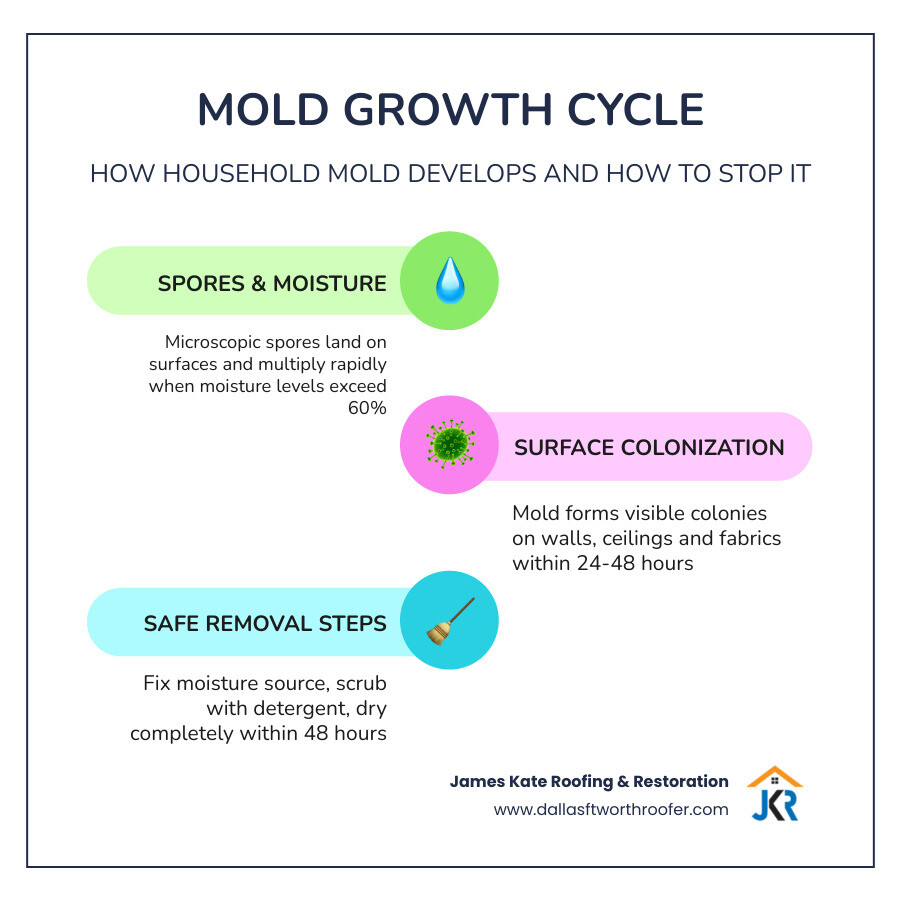
Mold can begin growing in as little as 24 hours. If you have a leak or a spill, you must dry the area completely within two days. Use high-powered fans and dehumidifiers to pull moisture out of the air and the building materials.
Long-Term Moisture Control
- Maintain Humidity: Keep your home’s relative humidity between 30% and 50%. You can monitor this with an inexpensive tool called a hygrometer.
- Ventilation: Always run exhaust fans in the bathroom when showering and in the kitchen when cooking. Ensure your clothes dryer vents to the outside of the house, not into the attic.
- HEPA Filtration: Use an air purifier with a HEPA filter to capture airborne spores (which range from 2 to 100 microns).
- Roof and Gutter Maintenance: In places like Midlothian and Grand Prairie, heavy rains can lead to roof leaks. Keep your gutters clean to ensure water flows away from your foundation.
For more tips on maintaining a healthy home environment, read Restoring Your Sanity and Your Home After Damage.
Frequently Asked Questions about Mold
When to Hire Professionals for Household Mold Removal
While DIY is great for small spots, you should call James Kate Roofing & solar if:
- The mold covers more than 10 square feet.
- You suspect mold is inside your HVAC system (running the AC could spread spores everywhere!).
- The water damage came from a sewage backup.
- You have health issues that make exposure dangerous.
- The mold keeps returning after you’ve cleaned it.
Choosing the right partner is crucial; learn more at From Fire to Flood: How to Choose Your Emergency Remediation Partner.
Can I paint or caulk over mold?
No! This is a common mistake. Painting over mold merely hides it while the fungus continues to eat away at the drywall or wood underneath. Eventually, the paint will bubble and peel, and the mold will resurface. You must remove the mold and fix the moisture source before applying any primer or paint. Once clean, use a primer with a mold inhibitor to provide an extra layer of protection.
How long do mold spores stay in the air?
Spores are incredibly light and can stay airborne indefinitely if there is even a slight breeze or activity in the room. They only settle when the air is perfectly still. Because they can enter a dormant state and survive for years in dry conditions, they are ready to reactivate the moment moisture returns. This is why HEPA vacuuming and air filtration are so important after the physical scrubbing is done.
Conclusion
Household mold removal can feel like a daunting task, but by acting quickly and following safety protocols, you can protect both your home and your family’s health. The key is moisture control—without water, mold cannot survive.
At James Kate Roofing & solar, we’ve built our reputation across Mansfield, Arlington, and the entire DFW metroplex on honesty, integrity, and Biblical principles. Whether you need a roof repair to stop a leak or professional Mold Mitigation Services, our family-owned team is here to help. We don’t just clean up the mess; we handle the build-back construction to make your home feel like new again, all backed by our GAF President’s Club recognition and industry-leading warranties.
If you’re dealing with a mold problem that feels out of control, don’t wait for the damage to spread. Reach out to us today—we’ll get your home dry, safe, and mold-free fast.

Dustin Eatman is a seasoned roofing professional with deep, hands-on expertise that spans residential and commercial roofing, insurance solar, and long-term roof asset management. As the owner of James Kate Roofing & solar in the Dallas–Fort Worth metroplex, he’s built a reputation for diagnosing roof systems accurately, communicating clearly, and executing projects with a high standard of workmanship and documentation. Dustin understands the technical details that make roofs perform—proper underlayment selection, slope and drainage considerations, ventilation strategy, flashing and penetration detailing, and manufacturer-specific installation requirements—because he’s worked through the real-world challenges that cause leaks, premature wear, and warranty issues. He’s equally fluent in the operational side of roofing: jobsite planning, quality control, safety, material ordering, crew coordination, and customer experience from inspection to closeout. In insurance-related projects, Dustin brings practical knowledge of claim workflows, adjuster meetings, scope alignment, supplements, and the importance of photo evidence and thorough records, helping property owners navigate stressful situations with confidence. For commercial clients—especially property and facility managers—he emphasizes proactive maintenance and targeted repairs that reduce disruption, extend roof life, and prevent expensive interior damage. Dustin also stays focused on doing things the right way: educating customers on realistic options, setting expectations, and prioritizing solutions that hold up over time rather than quick fixes. That blend of technical skill, field experience, process discipline, and owner-level accountability is what makes Dustin Eatman a trusted expert in the roofing industry.