What You’re Really Getting With 25-Year Asphalt Shingles
25-year asphalt shingles are one of the most common roofing products sold in North America — but the “25-year” label causes a lot of confusion. Here’s the short version:
| Question | Quick Answer |
|---|---|
| Does “25-year” mean the shingles last 25 years? | No. It refers to the warranty period, not a guaranteed lifespan. |
| How long do they actually last? | Typically 15 to 25 years, depending on climate, installation, and maintenance. |
| What type of shingle carries a 25-year rating? | Mostly 3-tab shingles, like the CertainTeed XT 25. |
| Is the warranty fully covered for 25 years? | No. Coverage is usually prorated after the first 5-10 years. |
| Can I make them last longer? | Yes — ventilation, installation quality, and regular maintenance make a real difference. |
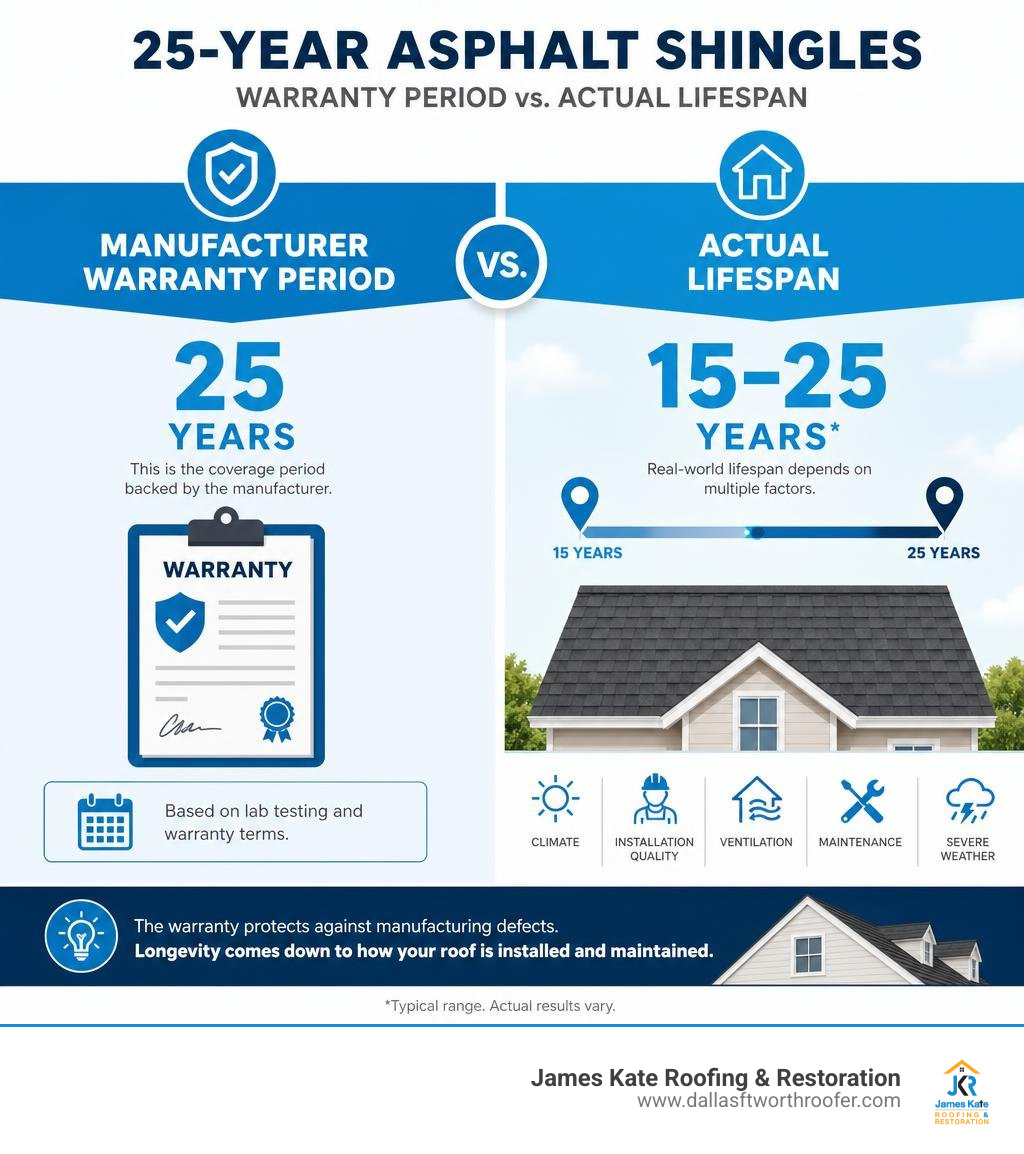
The number on the package is a warranty period, not a performance promise. It’s based on accelerated lab testing under controlled conditions — not your actual roof, in your actual climate, with your actual contractor.
In the real world, a 25-year rated shingle might last 18 years on one home and 24 years on another. The difference usually comes down to factors most homeowners don’t think about until something goes wrong.
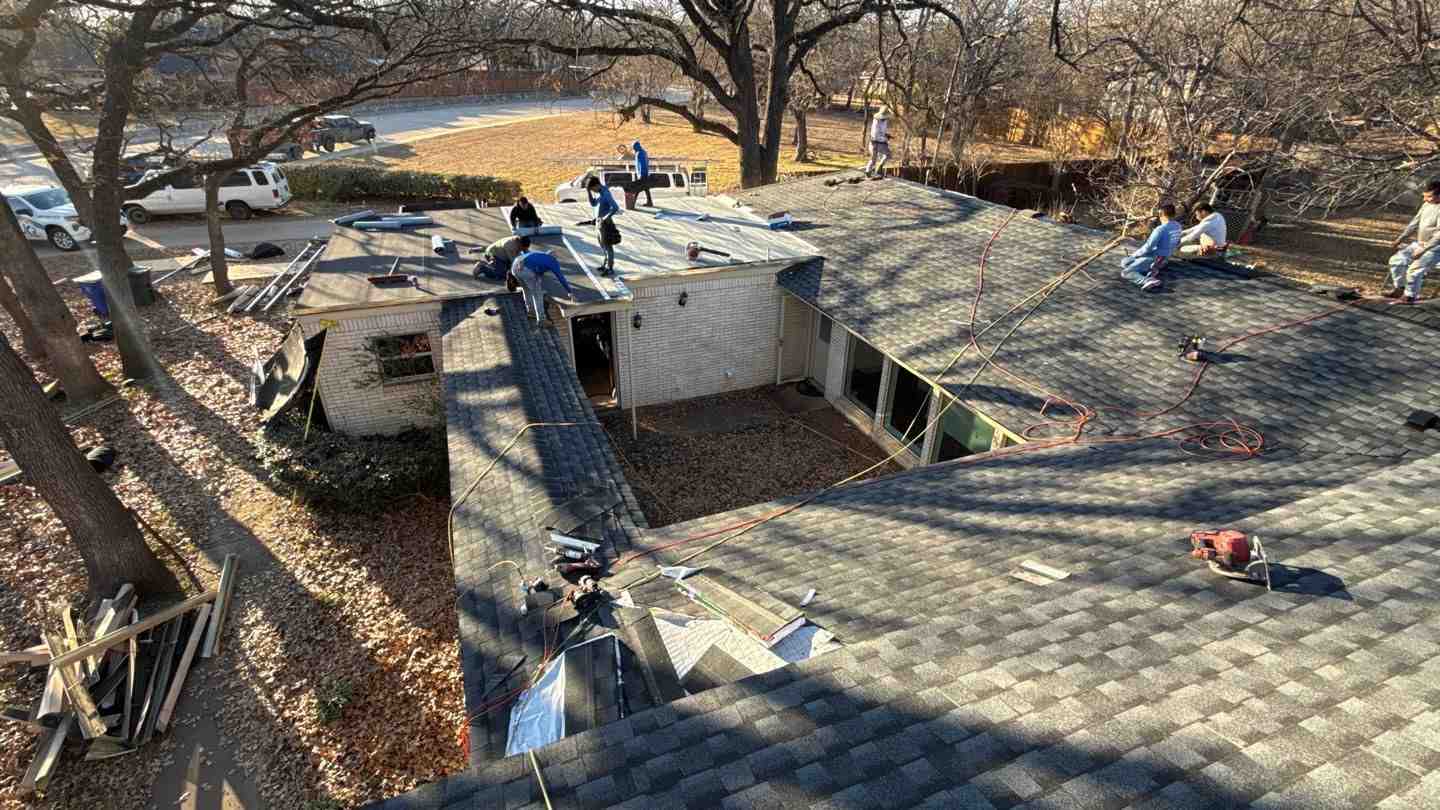
I’m Dustin Eatman, owner of James Kate Roofing & solar in the Dallas–Fort Worth area, and I’ve inspected and replaced hundreds of roofs where 25-year asphalt shingles failed well before their rated lifespan — almost always for preventable reasons. In this guide, I’ll walk you through exactly what that warranty covers, what it doesn’t, and how to get the most out of your roof.
Glossary for 25 year asphalt shingles:
Demystifying 25 Year Asphalt Shingles and Their Real Lifespan
When you buy a package of 25 year asphalt shingles, it is easy to assume you are buying 25 years of worry-free protection. However, there is a significant gap between manufacturer marketing and real-world performance.
To understand why, we have to look at how these shingles are rated. Manufacturers test their products in highly controlled laboratories using accelerated weathering machines. These machines use intense UV lamps, simulated rainfall, and temperature swings to mimic years of wear in a matter of weeks. If the shingle survives the test without manufacturing defects, it earns its rating.
But a laboratory in Ohio is very different from a hot summer afternoon in Mansfield or Arlington, TX.
The minimum quality standard for these products is governed by ASTM D3462, which regulates physical properties like tear strength and fastener pull-through resistance. While products like CertainTeed XT-25 Shingles easily meet and exceed these standards, the real-world environment introduces variables that lab tests simply cannot account for.
Another critical detail is how the warranty is structured. A 25-year warranty is almost never a 100% replacement guarantee for the full 25 years. Instead, it is a prorated agreement.
Typically, the manufacturer offers 100% coverage (often called a “non-prorated” or “SureStart” period) for the first 5 to 10 years. During this initial window, if the shingles fail due to a confirmed manufacturing defect, the company will cover the cost of materials and sometimes labor.
Once that initial period ends, the warranty value depreciates rapidly. By year 15 or 20, the warranty may only cover 20% of the material cost, leaving you to foot the bill for labor, disposal, and the remaining material costs. To get a realistic picture of what to expect, check out our guide on the Composite Shingle Lifespan What to Expect From Your Roof.
Comparing Shingle Types: 3-Tab vs. Architectural vs. Premium
Not all asphalt shingles are created equal. If you are planning a roof replacement in the DFW metroplex, you will generally choose between three main categories: 3-tab, architectural (also called dimensional or laminated), and premium/designer shingles.
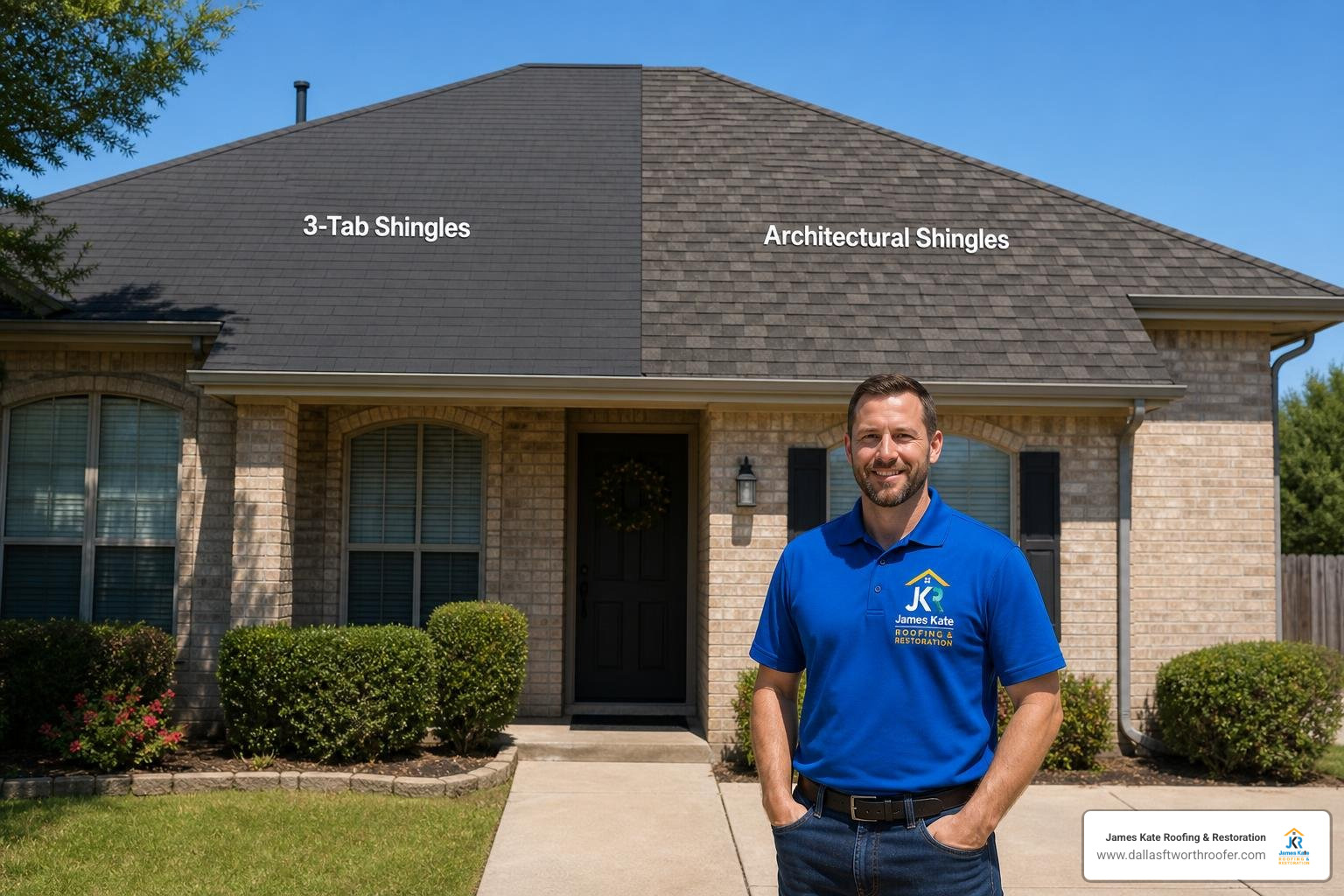
To help you visualize the differences in cost, wind resistance, and actual performance, we have put together this comparison table:
| Shingle Category | Typical Rated Warranty | Real-World Lifespan in DFW | Wind Resistance Rating | Average Cost Profile | Best Use Case |
|---|---|---|---|---|---|
| 3-Tab Shingles (e.g., CertainTeed XT 25) | 20 to 25 Years | 12 to 18 Years | 60 mph | Budget-Friendly ($) | Rental properties, starter homes, tight budgets |
| Architectural Shingles (e.g., GAF Timberline HDZ) | 30 Years to Lifetime | 18 to 25 Years | 110 to 130 mph | Moderate ($$) | Standard residential homes, long-term value |
| Premium / Designer Shingles (e.g., GAF Camelot II) | Lifetime | 25 to 35 Years | 130+ mph | High-End ($$$) | Luxury homes, maximum curb appeal, storm resistance |
When selecting the right product, you can explore the full range of GAF Asphalt Shingles to see how different styles fit your home’s architecture. For a deeper dive into how these materials stack up, read Your Guide to Asphalt Shingles Types Benefits and Durability.
The Lifespan of 3-Tab 25 Year Asphalt Shingles
Traditional 3-tab shingles are the classic, flat roofing option that dominated neighborhoods for decades. They are constructed from a single layer of fiberglass mat coated with asphalt and topped with ceramic granules. They get their name from the three distinct tabs cut into the lower half of each shingle, creating a uniform, brick-like pattern across the roof.
While they are highly budget-friendly, their single-layer construction makes them thin and lightweight (typically around 205 to 220 pounds per square). This thin profile means they have lower wind resistance, usually rated for up to 60 mph. In storm-prone areas like Grand Prairie or Midlothian, a strong spring thunderstorm can easily lift or tear these tabs.
If you are wondering how these budget options hold up over time, read our article on How Long Do 3 Tab Shingles Last.
Upgrading Beyond 25 Year Asphalt Shingles to Architectural Options
If you want a roof that can handle the unpredictable North Texas weather, upgrading to architectural shingles is highly recommended. Unlike flat 3-tab shingles, architectural shingles feature laminated layers of asphalt and fiberglass bonded together. This multi-layered construction gives them a thick, dimensional look that mimics the texture of wood shakes or natural slate.
Because they are significantly heavier and thicker, they offer vastly superior wind resistance (often up to 130 mph when installed with qualifying starter strips and ridge caps). They also resist impact from hail much better than thin 3-tab alternatives. While the upfront cost is higher, the extended lifespan and reduced risk of storm damage make them a much better financial investment. Learn more about these benefits in our article on The Benefits of Laminated Composition Shingles.
Key Factors That Cause Premature Shingle Failure
It is a frustrating experience: your roof is only 12 years into its “25-year” lifespan, and suddenly you are dealing with leaks, curled corners, or bald spots. In our years serving DFW homeowners, we have found that premature failure is rarely due to bad luck. Instead, it is almost always caused by a few specific, manageable factors.

1. Inadequate Attic Ventilation
This is the single biggest killer of asphalt shingles. Your attic needs a balanced system of intake vents (usually under the soffits) and exhaust vents (along the ridge). This balance allows cool air to enter at the bottom and hot, moist air to escape at the top.
If your ventilation is blocked or poorly designed, your attic becomes a giant oven. In Texas summers, attic temperatures can easily soar past 150°F. This extreme heat literally cooks the shingles from underneath, causing the asphalt to dry out, lose its flexibility, and blister. This leads to rapid granule loss and premature cracking.
2. Poor Installation Quality
A shingle is only as good as the hand that installs it. High-quality manufacturers like Atlas Roofing design excellent products, but if a contractor cuts corners, the roof will fail. Common installation mistakes include:
- High-Nailing: Placing nails above the manufacturer’s designated nail line. This misses the double-coverage area, meaning the shingle is only held by a single layer of material and can easily blow off in high winds.
- Under-Nailing: Using only three nails per shingle instead of the recommended four (or six for high-wind areas).
- Improper Sealing: Installing shingles in freezing temperatures without manually applying asphalt cement. Shingles rely on solar heat to activate their self-sealing adhesive strips; if they don’t seal properly, wind can get underneath them.
3. The Harsh DFW Climate
Our local weather is incredibly tough on building materials. We experience extreme temperature swings, going from freezing winter nights to blistering summer days. This causes shingles to expand and contract rapidly, a process called thermal shock, which degrades the asphalt over time.
Additionally, spring storm season regularly brings straight-line winds and severe hail. If your shingles are already weakened by heat, a single hail storm can knock loose the protective granules, exposing the underlying fiberglass mat to damaging UV rays. To protect your home from these elements, read about The Best Asphalt Shingles for High Winds and Hail.
How Homeowners Can Maximize Roof Longevity
While you cannot control the Texas weather, you can take active steps to extend the life of your roof. With a little proactive maintenance, you can push a standard roof closer to its maximum potential lifespan.
- Keep Your Gutters Clean: Clogged gutters cause water to back up under the eave shingles and behind the fascia boards. This leads to rotted roof decking, mold, and interior water leaks. Clean your gutters at least twice a year, especially after the autumn leaves fall and spring storms wrap up.
- Trim Overhanging Tree Branches: Heavy branches hanging over your roof pose a double threat. First, they can scrape against the shingles during high winds, physically rubbing off the protective granules. Second, they cast constant shade, which prevents moisture from evaporating and encourages the growth of destructive moss and algae. Keep branches trimmed back at least 6 to 8 feet from your roofline.
- Schedule Annual Inspections: Don’t wait for a water stain to appear on your ceiling before checking your roof. Walk your property after major storms to look for lifted shingles, exposed nails, or damaged flashing around chimneys and vents. Having a professional inspect your roof once a year can catch minor issues before they turn into costly repairs.
- Treat Algae Safely: If you notice dark, unsightly streaks on your shingles, it is likely blue-green algae (Gloeocapsa magma). While algae is mostly an aesthetic issue, heavy moss growth can trap moisture and cause shingle edges to curl. Never use a high-pressure washer to clean your roof, as this will blast away the protective granules and ruin the shingles. Instead, use a gentle, manufacturer-approved chemical treatment.
For more detailed advice on choosing and maintaining the right materials for your home, take a look at The Ultimate Guide to Picking Composition Roof Shingles.
Frequently Asked Questions About 25-Year Roofs
How much do 25-year shingles cost to install?
The total cost of a roof replacement depends on several factors, including the size of your home, the pitch (slope) of your roof, and the specific materials you choose. On average, installing standard 25-year asphalt shingles (3-tab) is the most economical upfront option.
However, because 3-tab shingles have a shorter lifespan and are highly susceptible to wind and hail damage in the DFW area, they often cost more in the long run due to frequent repairs and earlier replacement. Upgrading to architectural shingles typically costs only 15% to 20% more upfront but can deliver up to 50% more service life, making it a much smarter investment. For a detailed breakdown of pricing, check out The Real Cost of Asphalt Shingles for Your Home.
What is the difference between a manufacturer warranty and a workmanship warranty?
This is one of the most important distinctions in residential roofing:
- Manufacturer Warranty: This covers defects in the physical materials themselves. If your shingles begin to blister or lose granules prematurely due to a chemical flaw in the asphalt, the manufacturer’s warranty applies. It does not cover leaks caused by poor installation.
- Workmanship Warranty: This is provided by your roofing contractor and covers errors made during the installation process. If a technician improperly installs the flashing around your chimney or high-nails your shingles, causing a leak, the workmanship warranty covers the repair.
At James Kate Roofing & solar, we back our installations with up to a 25-year workmanship warranty, giving you complete peace of mind that your roof is protected from both material defects and human error.
Can you install new shingles over an existing shingle layer?
While local building codes in many DFW municipalities technically allow for up to two layers of asphalt shingles (often called a “nail-over” or “overlay”), we strongly advise against it.
Installing a second layer of shingles adds tremendous weight to your home’s structural framing. It also traps heat between the two layers, which significantly shortens the lifespan of the new shingles. Furthermore, a second layer prevents us from inspecting the underlying roof decking for wood rot, and most manufacturers will void or severely limit their wind warranties if their shingles are installed over an old roof. A clean tear-off is always the best path forward.
Conclusion
Your roof is your home’s first line of defense against the elements. While 25-year asphalt shingles offer an affordable entry point, understanding the difference between warranty marketing and real-world performance is key to making a smart investment.
At James Kate Roofing & solar, we believe in complete honesty, integrity, and operating our family-owned business on solid Biblical principles. As a GAF President’s Club contractor, we have earned the highest level of recognition in the industry, allowing us to offer top-tier materials and workmanship warranties up to 25 years.
Beyond residential and commercial roofing, we are a full-service solar company. If your home suffers from storm, water, fire, or mold damage, our experienced crews handle everything from initial water mitigation and mold remediation to complete build-back construction.
Whether you are in Mansfield, Arlington, Granbury, Grand Prairie, or Midlothian, TX, we are here to help protect your home. Contact us today to schedule a professional roof inspection, or explore our James Kate Roofing Services to find the perfect solution for your home.

Dustin Eatman is a seasoned roofing professional with deep, hands-on expertise that spans residential and commercial roofing, insurance solar, and long-term roof asset management. As the owner of James Kate Roofing & solar in the Dallas–Fort Worth metroplex, he’s built a reputation for diagnosing roof systems accurately, communicating clearly, and executing projects with a high standard of workmanship and documentation. Dustin understands the technical details that make roofs perform—proper underlayment selection, slope and drainage considerations, ventilation strategy, flashing and penetration detailing, and manufacturer-specific installation requirements—because he’s worked through the real-world challenges that cause leaks, premature wear, and warranty issues. He’s equally fluent in the operational side of roofing: jobsite planning, quality control, safety, material ordering, crew coordination, and customer experience from inspection to closeout. In insurance-related projects, Dustin brings practical knowledge of claim workflows, adjuster meetings, scope alignment, supplements, and the importance of photo evidence and thorough records, helping property owners navigate stressful situations with confidence. For commercial clients—especially property and facility managers—he emphasizes proactive maintenance and targeted repairs that reduce disruption, extend roof life, and prevent expensive interior damage. Dustin also stays focused on doing things the right way: educating customers on realistic options, setting expectations, and prioritizing solutions that hold up over time rather than quick fixes. That blend of technical skill, field experience, process discipline, and owner-level accountability is what makes Dustin Eatman a trusted expert in the roofing industry.