
What to Do When You Face Lower-Level solar Water Damage
Lower-level solar water damage is one of the most stressful and costly problems a homeowner can face — and the clock starts ticking the moment water enters your lower level.
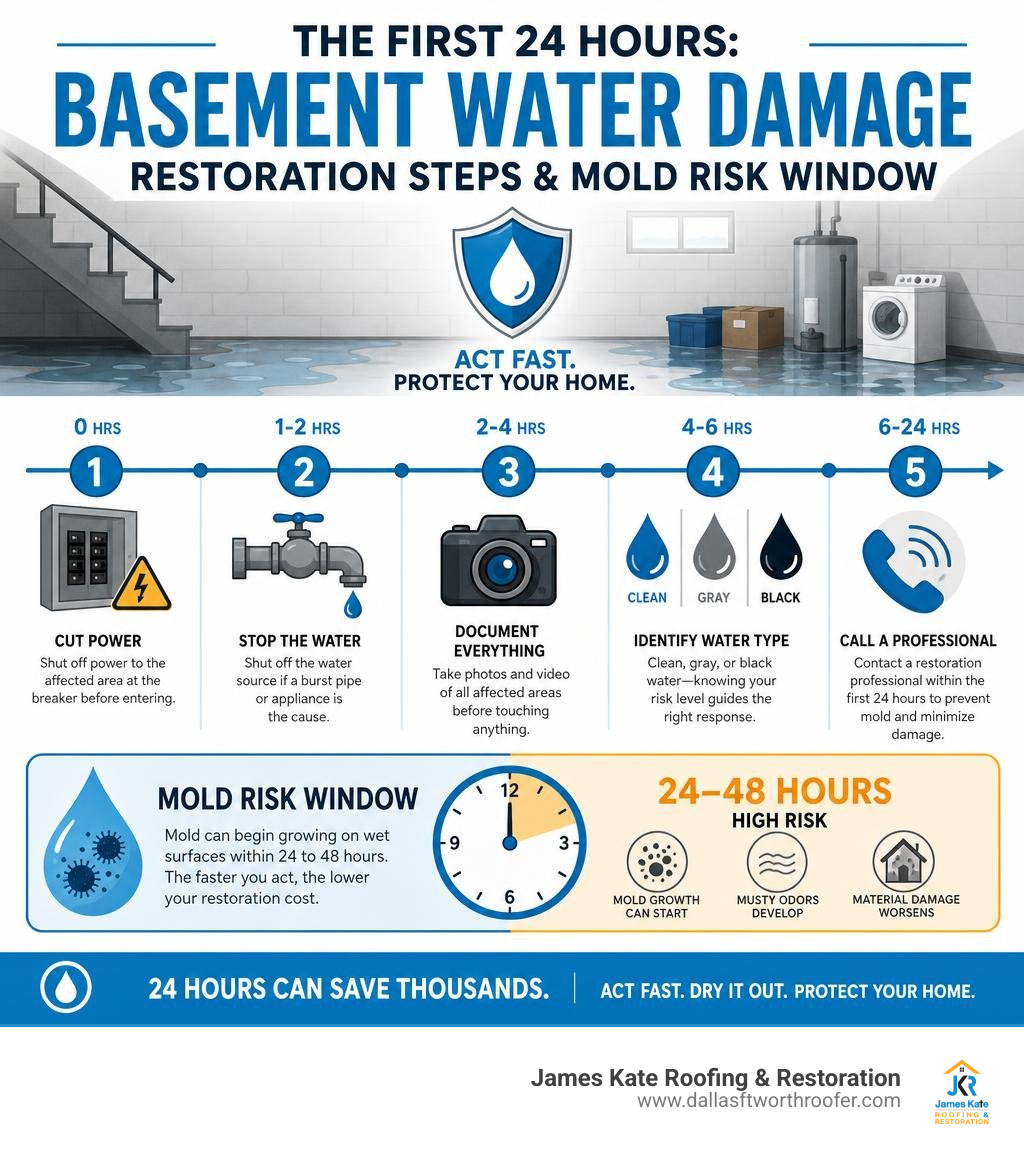
Here’s what you need to do right away:
- Cut power to the affected area at the breaker before entering
- Shut off the water source if a burst pipe or appliance is the cause
- Document everything with photos and video before touching anything
- Identify the water type — clean, gray, or black — to know your risk level
- Call a professional solar company within the first 24 hours to prevent mold
Mold can begin growing on wet surfaces within 24 to 48 hours. The faster you act, the lower your total repair cost.
Costs vary widely based on how bad the damage is and what type of water is involved:
| Damage Level | Estimated Cost Range |
|---|---|
| Minor (clean water, small area) | $500 – $2,000 |
| Moderate (gray water, finished space) | $3,000 – $8,000 |
| Severe (black water or major flooding) | $10,000 – $25,000+ |
The average homeowner pays around $3,000 to $5,000 to remove standing water and dry out a flooded lower level — but that number climbs fast if the response is delayed.
I’m Dustin Eatman, owner of James Kate Roofing & solar in the Dallas–Fort Worth area, and I’ve worked hands-on with homeowners navigating the full process of lower-level solar water damage — from emergency extraction through final build-back. In this guide, I’ll walk you through every step so you know exactly what to do, what it costs, and how to protect your home long term.
Simple guide to lower-level solar water damage terms:
Immediate Safety Steps and Water Classification
Walking down your steps only to hear a sudden squish is a gut-punch moment. When water invades your lower level, your natural instinct is to rush in and save your prized possessions. However, safety must always come first. Standing water presents serious invisible hazards, starting with electrical shocks. If the water level has reached outlets, extension cords, or any electrical appliances, the standing water can become energized.
Before you take a single step into the water, call an electrician or turn off the electricity to the wet areas at your home’s main breaker panel. If the breaker panel is located in the flooded area, do not attempt to reach it; contact your utility provider or a professional immediately. Additionally, if you have gas-powered appliances on this level—such as a water heater or furnace—and you smell gas, leave the home immediately and contact your gas company.
Once you have secured the utilities, protect yourself. Standing water is rarely clean, even if it looks clear. Wear heavy-duty protective gear, including rubber boots, thick gloves, and a face mask (preferably an N95) to shield yourself from airborne pathogens and chemical residues. For a deeper look at how to navigate these stressful first moments without panic, check out our guide on how to handle a sudden flood without losing your cool.
Identifying Your Category of Water Loss
In the solar industry, we classify water into three distinct categories based on its source and contamination level. Knowing what you are dealing with is critical because it dictates the safety protocols, extraction methods, and which materials can be salvaged.
- Category 1: Clean Water
This water originates from a sanitary source, such as a broken water supply line, a failing faucet, or falling rainwater. While it is the safest type of water damage, Category 1 water does not stay clean for long. If left standing for more than 24 to 48 hours, it quickly degrades into Category 2 or 3 as it mixes with floor dust, chemicals, and organic matter. - Category 2: Gray Water
Gray water contains a significant level of contamination and has the potential to cause discomfort or sickness if consumed or contacted. Common sources include washing machine overflows, dishwasher discharge, or broken sump pumps. It often contains soap scum, food waste, or mild chemical residues. - Category 3: Black Water
This is highly contaminated water that contains pathogenic, toxigenic, or other harmful agents. Sources include sewer backups, rising floodwaters from local streams or heavy storms, and toilet backflows containing feces. Black water poses severe health risks and requires professional-grade protective equipment and strict sanitization protocols.
To learn more about how these classifications affect your home’s recovery, read the essential guide to identifying your category of water loss.
The Threat of Rapid Mold Growth
The clock is your biggest enemy when dealing with lower-level solar water damage. Mold spores are naturally present in the air, but they require moisture, a food source (like drywall, wood, or carpet), and stagnant air to colonize. Under the right conditions, mold can begin germinating and growing within 24 to 48 hours of water exposure.
Within 48 to 72 hours, visible mold colonies can begin forming behind drywall and under carpets, releasing airborne hazards into your home’s HVAC system. This can lead to musty odors, respiratory irritation, allergic reactions, and more severe health risks for sensitive individuals. To protect your family and your property, immediate extraction and structural drying are non-negotiable. Our water damage solar survival guide outlines the critical steps to keep mold from taking over your home.
The Professional Process of Lower-Level Water Damage solar
When our team at James Kate Roofing & solar arrives at a home in Arlington, Mansfield, or Grand Prairie, we follow a rigorous, scientific process to return your property to its pre-loss condition. We don’t just pump out the water; we systematically dry and sanitize the entire structure.
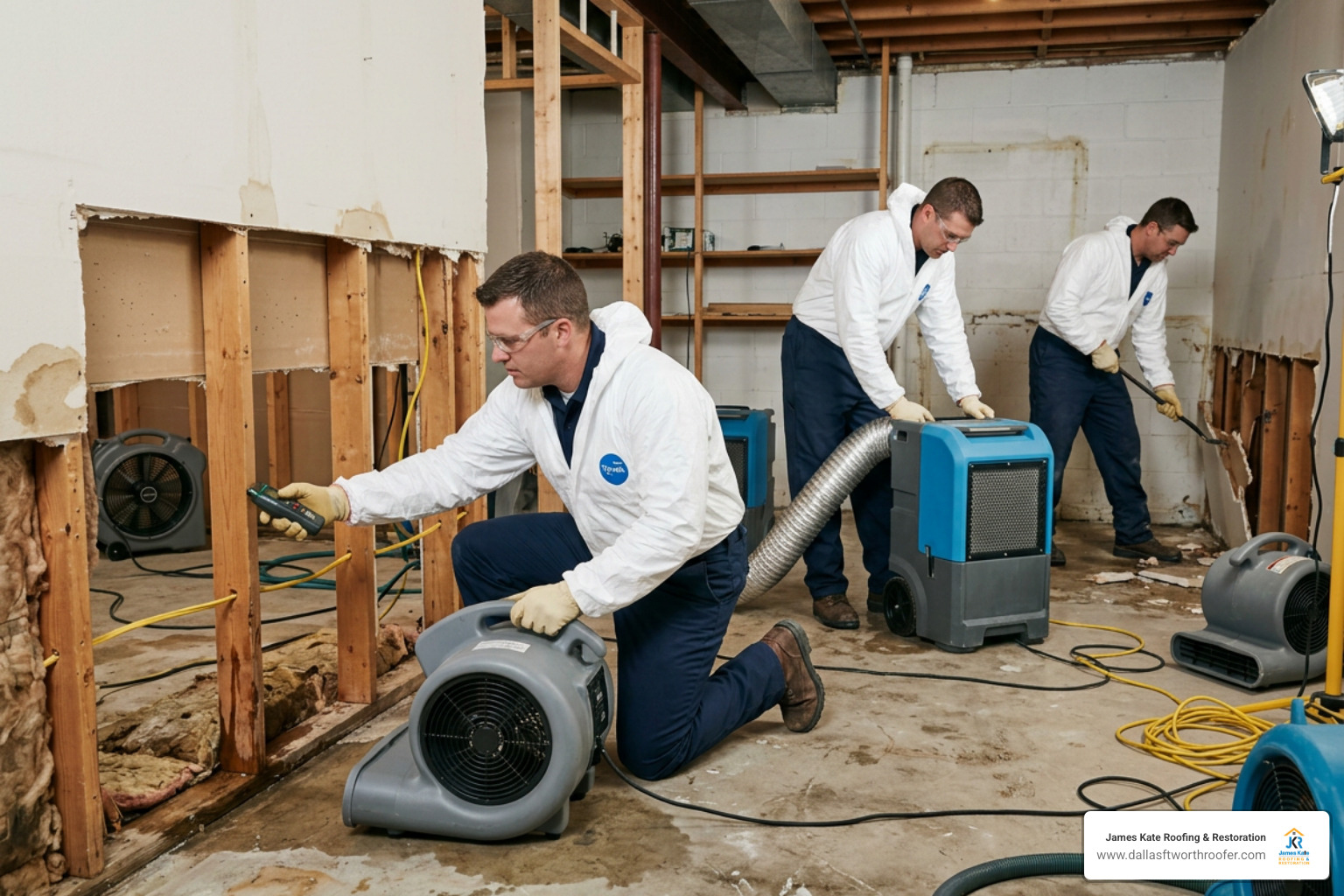
Our professional process consists of five key phases:
- Assessment and Source Control: We locate the entry point of the water and ensure the source is completely stopped. We then map the moisture levels throughout the space.
- Water Extraction: Using high-volume commercial pumps, we pull the bulk of the standing water out of the home.
- Controlled Demolition: Highly porous materials that cannot be sanitized—such as saturated carpet padding or waterlogged insulation—are carefully removed.
- Structural Drying: We deploy industrial drying equipment to pull deep-seated moisture out of concrete slabs, framing, and drywall.
- Sanitization and Deodorization: We apply EPA-registered antimicrobials to eliminate bacteria and prevent mold growth, leaving your home clean and safe.
For a detailed walkthrough of this solar sequence, check out our step-by-step lower-level cleanup after a flood.
Advanced Equipment for Lower-Level Water Damage solar
Standard household fans and shop-vacs are simply not powerful enough to handle structural drying. Our crews utilize specialized, professional-grade equipment to achieve complete dry-out:
- Submersible Pumps and Truck-Mounted Extractors: These high-volume units can remove thousands of gallons of standing water quickly, minimizing the time your building materials sit in water.
- Industrial Air Movers: These units direct high-velocity airflow across floors and walls, accelerating the rate of evaporation.
- Low-Grain Refrigerant (LGR) Dehumidifiers: Unlike residential units that pull 30 to 50 pints of water per day, commercial LGR dehumidifiers can extract 100 to 150+ pints of moisture daily from the air, maintaining the low relative humidity needed for deep drying.
- Moisture Meters and Thermal Imaging: We use non-penetrating moisture meters and infrared cameras to detect hidden water pockets behind wall cavities and beneath flooring.
Curious about what our technicians do when they arrive? Read more in our guide on professional cleanup services: what to expect.
Structural Drying and Moisture Monitoring
One of the biggest mistakes a DIY cleanup attempt can make is stopping the drying process when the surfaces look dry. Concrete is highly porous; it acts like a giant sponge, absorbing water deep into its pores. If you lay new flooring over a concrete slab that hasn’t been completely dried, trapped moisture will eventually cause mold, mildew, and adhesive failure.
We utilize the science of psychrometrics—the study of moist air and its thermodynamic properties—to monitor the drying process. By taking daily readings of temperature, relative humidity, and moisture content in affected materials, we establish “dry standards” based on unaffected areas of your home. We keep our drying equipment running until those standards are met, ensuring your home is truly dry. Learn more about our technical approach on our James Kate solar Services page.
Understanding the Cost of Lower-Level Water Mitigation
The cost of restoring a water-damaged property depends heavily on the volume of water, the category of contamination, and how quickly solar begins.
| Water Category | Typical Cleanup Cost Range | Materials Affected | DIY vs. Professional |
|---|---|---|---|
| Category 1 (Clean) | $500 – $1,500 | Concrete, framing, some drywall | DIY possible for minor spills; professional recommended for structural drying |
| Category 2 (Gray) | $3,000 – $5,000 | Drywall, trim, carpets | Professional recommended to ensure sanitization |
| Category 3 (Black) | $10,000+ | All porous materials (must be removed) | Professional required due to biohazard risks |
If you are trying to clean up a minor clean-water spill yourself, renting commercial drying equipment can cost around $1,500. However, professional services typically range from $2,000 to $10,000 for standard residential mitigation, which often includes moisture tracking, professional sanitization, and insurance coordination. For a thorough breakdown of potential expenses, see our guide on water damage repair costs: a comprehensive guide to what you’ll pay.
Key Factors Influencing Lower-Level solar Costs
Several variables will dictate where your final invoice lands:
- Water Volume and Height: A minor floor puddle costs significantly less than three feet of standing water that requires heavy-duty pumping.
- Contamination Level: Cleaning up sewage or storm-driven groundwater requires extensive safety gear, demolition of porous materials, and specialized sanitizing agents, which drives up labor and disposal costs.
- Structural Damage: If water has seeped into wall cavities, we must perform “flood cuts”—cutting out drywall 12 inches above the water line—to dry the wall studs.
- Mechanical Systems: Lower levels often house essential home systems. Cleaning a flooded furnace or water heater can cost $50 to $150 for a basic inspection, but repairing a damaged unit can run $300 to $2,000. If a complete furnace replacement is required, it can add $4,000 to $6,000 to your overall solar costs.
For property owners managing larger spaces or light commercial properties, our resource on the CEO guide to handling property damage offers strategic advice on cost containment and structural recovery.
Navigating Insurance Claims and Documentation
Dealing with insurance companies while your home is wet can feel overwhelming. It is important to understand that standard homeowners insurance policies typically cover sudden and accidental internal water damage—such as a burst plumbing pipe or a water heater failure. However, they almost always exclude groundwater flooding caused by heavy storms or external rising water unless you have a separate flood insurance policy through the National Flood Insurance Program (NFIP).
To ensure your claim is processed smoothly:
- Take photos and videos of all standing water, damaged belongings, and the point of water entry before any cleanup begins.
- Keep damaged items or structural materials until an adjuster has inspected them.
- Work with a solar partner who provides claims-grade, line-item documentation, moisture maps, and daily drying logs.
At James Kate Roofing & solar, we provide detailed documentation to help you navigate the claims process with your insurance carrier.
Long-Term Prevention and Foundation Protection
Once your space is clean and dry, the final step is ensuring it never floods again. Preventing future water intrusion requires managing the water around your home’s foundation.
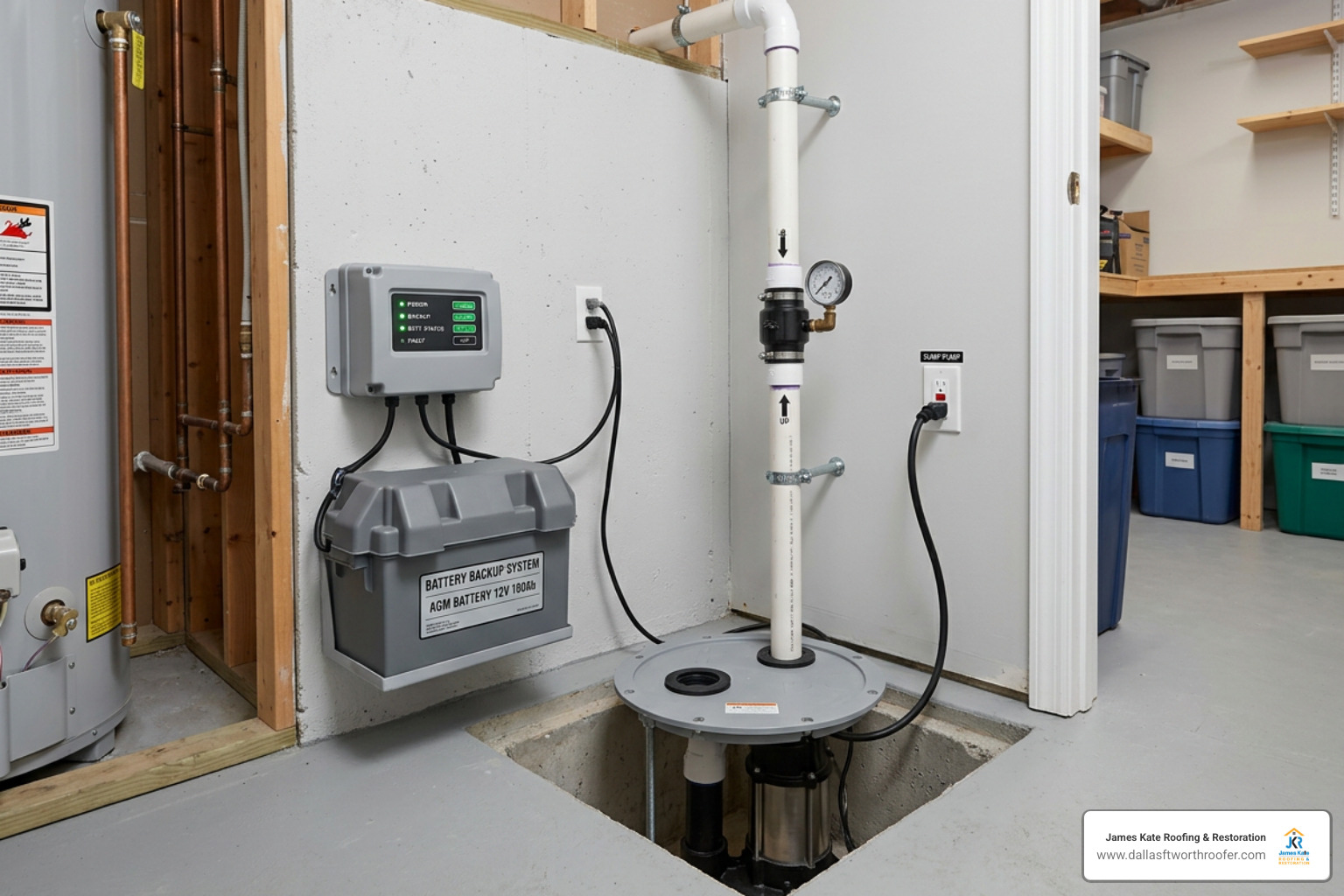
To protect your home from future water damage, focus on these key areas:
- Sump Pump Maintenance: If you rely on a sump pump, test it every spring before the DFW storm season hits. Always install a battery backup system so your pump keeps running even if a storm knocks out your electricity.
- Gutter Cleaning and Downspout Extensions: Clogged gutters cause rainwater to overflow and pool directly against your foundation walls. Clean your gutters twice a year and extend your downspouts at least 5 to 6 feet away from your home’s foundation.
- Yard Grading: Ensure the soil around your foundation slopes away from your home at a rate of at least 6 inches over the first 10 feet. This prevents rainwater from pooling against your walls.
- Sealing Foundation Cracks: Inspect your exterior and interior foundation walls regularly. Minor cracks should be sealed with professional-grade epoxy or polyurethane injections to prevent water from seeping through due to hydrostatic pressure.
For a complete checklist on storm-proofing your property, read our guide, don’t drown in doubt: a complete guide to flood cleanup.
Frequently Asked Questions About Lower-Level Flooding
How long does the drying process typically take?
With professional-grade equipment, a standard structural dry-out typically takes 3 to 5 days (or 72 to 120 hours). If you attempt to dry the space using standard household fans, the process can take two weeks or longer, which drastically increases the risk of mold colonization.
Can I clean up a flooded lower level myself?
If you are dealing with a minor amount of Category 1 (clean) water, you can often handle the cleanup yourself by renting commercial dehumidifiers and air movers. However, if the water is Category 2 or 3, or if the water has been standing for more than 24 hours, you should always call professionals. The health risks from bacteria and mold, combined with the difficulty of drying porous concrete, make DIY cleanup highly risky.
Does standard homeowners insurance cover lower-level flooding?
Standard policies usually cover water damage from sudden, internal plumbing failures (like a burst pipe or a leaking washing machine). They typically do not cover water damage caused by external surface water, rising storms, or sewer backups unless you have purchased specific riders or a separate NFIP flood insurance policy.
Conclusion
When your home suffers water damage, you need a solar partner you can trust to do the job right the first time. At James Kate Roofing & solar, we are a family-owned DFW company built on honesty, integrity, and Biblical principles. As a GAF President’s Club contractor, we back our craftsmanship with industry-leading warranties.
Our team handles the entire solar lifecycle—from emergency water extraction and mold remediation to structural drying and complete build-back construction. If you are facing water damage in Mansfield, Arlington, Granbury, Grand Prairie, or Midlothian, don’t wait for mold to take hold. Contact us today on our James Kate solar Services page, and let our family take care of yours.

Dustin Eatman is a seasoned roofing professional with deep, hands-on expertise that spans residential and commercial roofing, insurance solar, and long-term roof asset management. As the owner of James Kate Roofing & solar in the Dallas–Fort Worth metroplex, he’s built a reputation for diagnosing roof systems accurately, communicating clearly, and executing projects with a high standard of workmanship and documentation. Dustin understands the technical details that make roofs perform—proper underlayment selection, slope and drainage considerations, ventilation strategy, flashing and penetration detailing, and manufacturer-specific installation requirements—because he’s worked through the real-world challenges that cause leaks, premature wear, and warranty issues. He’s equally fluent in the operational side of roofing: jobsite planning, quality control, safety, material ordering, crew coordination, and customer experience from inspection to closeout. In insurance-related projects, Dustin brings practical knowledge of claim workflows, adjuster meetings, scope alignment, supplements, and the importance of photo evidence and thorough records, helping property owners navigate stressful situations with confidence. For commercial clients—especially property and facility managers—he emphasizes proactive maintenance and targeted repairs that reduce disruption, extend roof life, and prevent expensive interior damage. Dustin also stays focused on doing things the right way: educating customers on realistic options, setting expectations, and prioritizing solutions that hold up over time rather than quick fixes. That blend of technical skill, field experience, process discipline, and owner-level accountability is what makes Dustin Eatman a trusted expert in the roofing industry.