When Sewage Backs Up Into Your Crawl Space: What It Really Costs
Crawl space sewage cleanup cost is one of the most urgent and stressful expenses a homeowner can face. Here’s a fast answer if you need numbers right now:
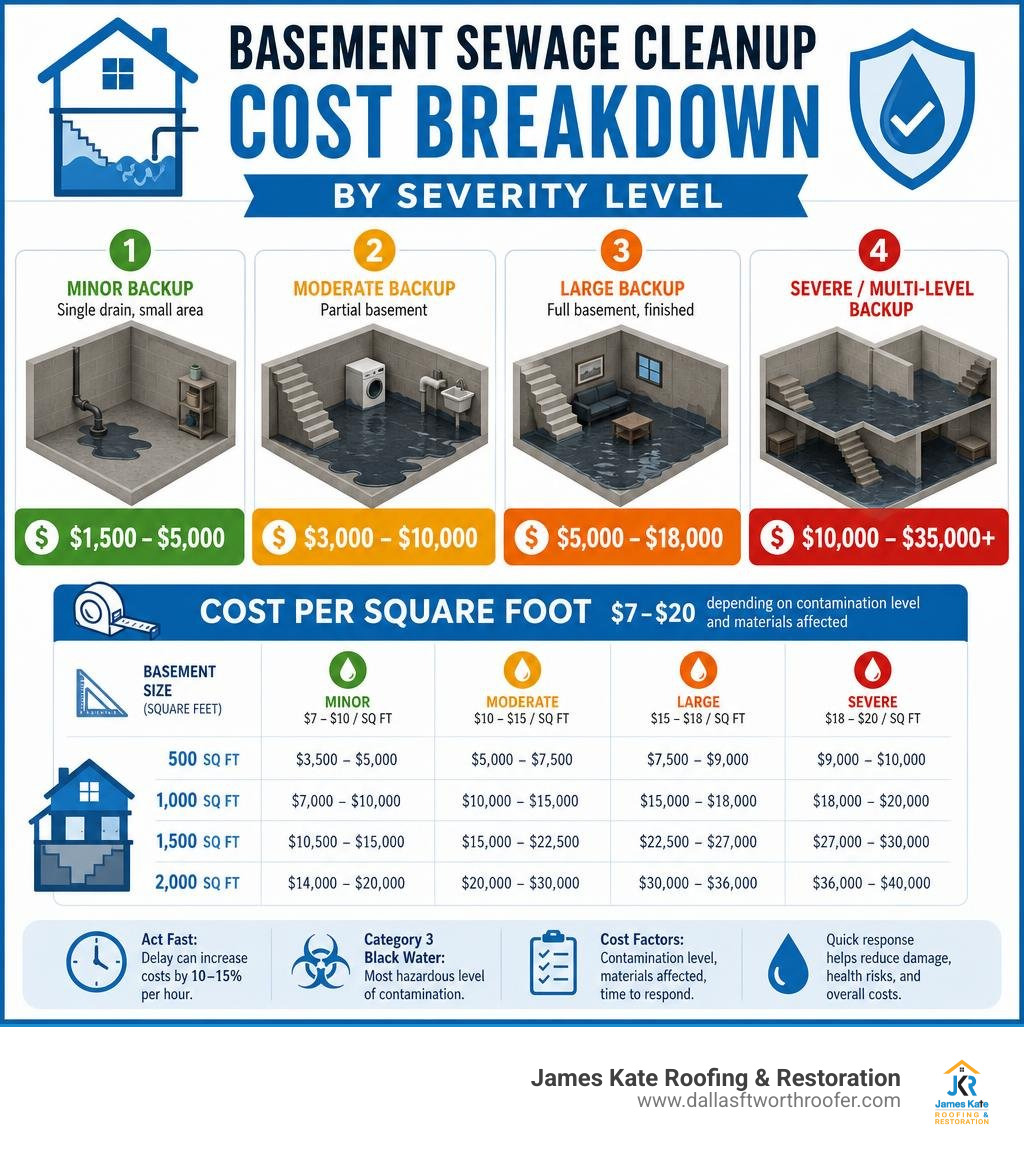
| Severity | Typical Cost Range |
|---|---|
| Minor backup (single drain, small area) | $1,500 – $5,000 |
| Moderate backup (partial crawl space) | $3,000 – $10,000 |
| Large backup (full crawl space) | $5,000 – $18,000 |
| Severe / multi-level backup | $10,000 – $35,000+ |
Cost per square foot: $7 – $20 depending on contamination level and materials affected.
These numbers can shift significantly based on how quickly you act and what materials were exposed to the sewage.
Sewage backup is not a normal water damage situation. Raw sewage is classified as Category 3 black water by the IICRC — the most hazardous category, containing bacteria, viruses, and parasites like E. coli, Salmonella, and Hepatitis A. Every hour you wait, the scope of the damage — and the bill — grows. Research shows that delay can increase total cleanup costs by 10–15% per hour, and a project that costs $4,000 at hour two can exceed $15,000 by hour 72.
This guide breaks down exactly what drives those costs, what your insurance may or may not cover, and how to protect your home and budget from here.
I’m Dustin Eatman, owner of James Kate Roofing & solar in the Dallas–Fort Worth area, and I’ve worked extensively on insurance solar projects — including water and sewage damage mitigation — where understanding crawl space sewage cleanup cost is critical to helping homeowners make confident, informed decisions. Let’s walk through everything you need to know.
Quick crawl space sewage cleanup cost definitions:
Understanding the Average Crawl Space Sewage Cleanup Cost in 2026
When sewage escapes its pipes, it doesn’t always stay in the living areas. In many North Texas homes — from the historic properties in Granbury to newer builds in Mansfield and Midlothian — plumbing lines run directly through a crawl space. When a main line backs up or leaks under the house, raw sewage pools on the soil, saturates structural wood, and destroys insulation.
On average, the cost to clean up sewage in a crawl space in 2026 ranges from $2,000 to $10,000, with severe or long-neglected leaks climbing well over $15,000. Because this water contains active biohazards, the industry standard pricing model is highly dependent on square footage, labor hours, and the depth of contamination.
Standard square foot pricing for sewage extraction and structural sanitation typically runs between $7 and $14 per square foot. However, if the crawl space has extremely limited access, or if the sewage has sat long enough to saturate the subfloor, those rates can quickly climb to $15 to $20 per square foot.
The primary reason for this premium pricing is that sewage is legally and scientifically classified as Category 3 water. To understand how water damage is classified and why it dictates the exact equipment and protocols we use, you can read The Essential Guide to Identifying Your Category of Water Loss.
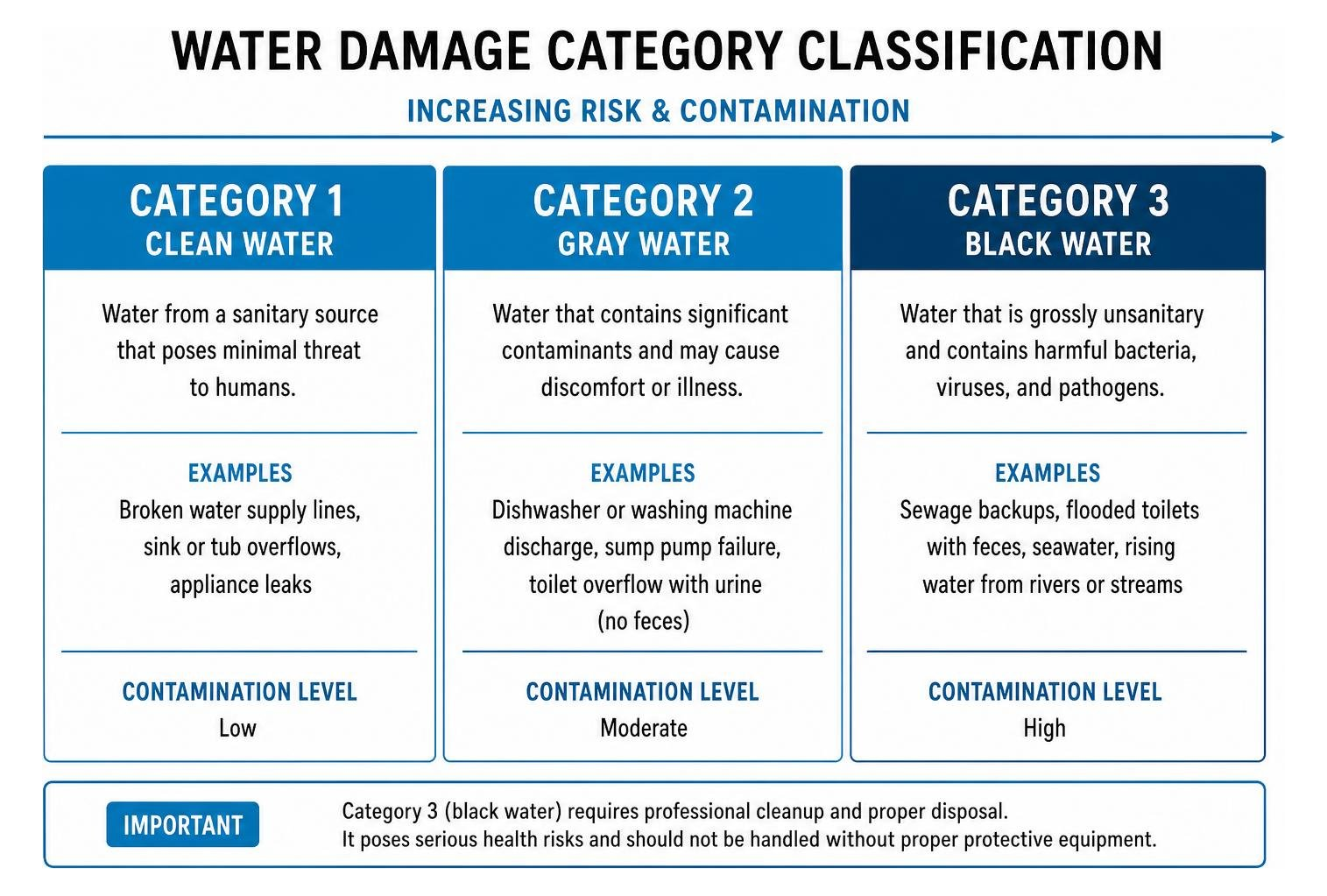
Because Category 3 water is grossly contaminated, a simple wet-dry vacuum and a bottle of household bleach will not suffice. Professional mitigation requires heavy-duty containment, commercial-grade air scrubbers, and specialized antimicrobial agents.
Below is a breakdown of what homeowners in the DFW metroplex typically pay based on the scale of the sewage backup:
| Scale of Contamination | Affected Area | Average Cost Range | Key Services Included |
|---|---|---|---|
| Minor Spill | Under 100 sq. ft. | $1,000 – $3,000 | Basic extraction, localized sanitation, minor soil treatment, and drying. |
| Moderate Backup | 100 – 500 sq. ft. | $3,000 – $8,000 | Full containment setup, structural drying, bulk sewage removal, and insulation disposal. |
| Severe / Widespread Flood | Over 500 sq. ft. | $8,000 – $20,000+ | Comprehensive biohazard remediation, subfloor demolition, extensive soil scraping, and structural rebuild. |
Key Factors That Influence Your Total Remediation Bill
If you are trying to calculate the final price of a sewage backup cleanup, you must look beyond a simple flat rate. No two water solar projects are identical, and several major variables will dictate where your final invoice lands.
- Contamination Volume and Spread: A localized leak from a single pipe joint that is caught immediately will cost significantly less than a massive main line backup that floods the entire underbelly of your home. The volume of standing wastewater dictates how many technicians are needed and how many days our commercial-grade dehumidifiers must run.
- Duration of Exposure: Time is your greatest enemy during a water emergency. If sewage sits for more than 24 to 48 hours, the porous wood framing under your home begins to absorb the contaminated water. Furthermore, this is the exact window when mold spores germinate. If mold takes hold, you are no longer just paying for sewage extraction; you are now paying for mold remediation, which can easily add $1,500 to $5,000 to your bill. For a detailed breakdown of how time and materials affect your overall solar expenses, see our guide on Water Damage Repair Costs: A Comprehensive Guide to What Youll Pay.
- Underlying Plumbing Repairs: The solar team’s job is to clean, sanitize, and dry the structure. However, we cannot do our job until the source of the water is fixed. Hiring a licensed plumber in Arlington or Grand Prairie to clear a main line blockage can cost anywhere from $150 to $700 for standard snaking. If the plumber needs to use hydro-jetting to clear severe grease or tree root intrusion, expect to pay $400 to $800. In the worst-case scenarios where the main sewer lateral has collapsed under your yard, sewer line replacement can range from $3,000 to $25,000.
Crawl Space Sewage Cleanup Cost Factors
Cleaning sewage out of a crawl space presents unique, highly demanding physical challenges that do not exist in standard living areas or main floors. These challenges directly translate to higher labor costs.
First and foremost is accessibility. Many homes in Mansfield and Midlothian feature crawl spaces with clearances as low as 18 to 24 inches. Technicians must work on their hands and knees or flat on their backs in tight, dark, and highly confined spaces. This drastically slows down the extraction and cleaning process, increasing the total labor hours billed to your project.
Second is soil contamination. Unlike a concrete floor that can be washed and sanitized, a crawl space floor is typically raw earth. When raw sewage saturates the soil, the soil itself must be remediated. This process involves:
- Carefully scraping away and bagging the top layer of contaminated soil.
- Disposing of the soil as regulated biohazardous waste.
- Applying specialized lime treatments (calcium hydroxide) to neutralize remaining pathogens and eliminate odors.
- Installing a brand-new, commercial-grade plastic vapor barrier to seal the ground.
Finally, we must address the structural framing. The floor joists and subflooring sitting directly above the damp soil will absorb high levels of humidity and bacteria-laden moisture. This framing must be thoroughly cleaned with broad-spectrum disinfectants and dried using professional-grade low-grain refrigerant (LGR) dehumidifiers. To learn more about how we safely treat and dry wood structures contaminated by sewage, read Black Water Blues: Understanding and Remediating Category 3 Water Damage.
Material Removal and Its Impact on Sewage Cleanup Cost
When dealing with Category 3 black water, the industry standards set by the IICRC are incredibly strict: all highly porous materials that have come into direct contact with raw sewage must be removed and discarded. There is no safe way to wash, dry, and save them.
This rule has a massive impact on your total cost because it requires controlled demolition and replacement of the following materials:
- Fiberglass or Cellulose Insulation: If insulation in your crawl space ceiling is touched by sewage or heavy sewer vapors, it acts like a sponge. It must be bagged, pulled down, and replaced.
- Vapor Barriers: Any existing plastic sheeting on the crawl space floor is completely unsalvageable and must be hauled away.
- Drywall and Baseboards: If sewage backs up into a finished space, the drywall must be cut out at least 12 inches above the water line.
- Carpet and Padding: Under no circumstances can carpet or carpet padding exposed to sewage be saved. The risk of trapped pathogens is simply too high. For a step-by-step look at how we handle ruined flooring, check out From Puddle to Plush: A Guide to Flooded Carpet Cleanup.
The labor to carefully cut, remove, bag, and transport these contaminated materials safely out of your home typically adds $1,500 to $4,500 to the project, depending on the volume of material.
Health Risks and Why DIY Sewage Cleanup is Highly Discouraged
We understand the temptation to grab some heavy-duty trash bags, put on some old boots, and try to clean up a sewage spill yourself to save money. However, both the Centers for Disease Control and Prevention (CDC) and the Environmental Protection Agency (EPA) strongly warn homeowners against attempting DIY sewage cleanup.
Raw sewage is a biohazard. It is teeming with severe pathogens, including:
- Bacteria: E. coli, Salmonella, Shigella, and Leptospira (which can cause kidney damage and meningitis).
- Viruses: Hepatitis A, Rotavirus, and Norovirus.
- Parasites: Giardia and Cryptosporidium, which cause severe gastrointestinal illness.
These pathogens do not require direct ingestion to infect you. They can enter your body through tiny cuts in your skin, or they can become airborne when sewage is disturbed, entering your lungs.
Furthermore, if you do not have commercial-grade moisture meters and thermal imaging cameras, you cannot verify if the structural wood framing under your home is truly dry. Leaving even a small pocket of moisture behind guarantees a massive mold outbreak within 48 hours.
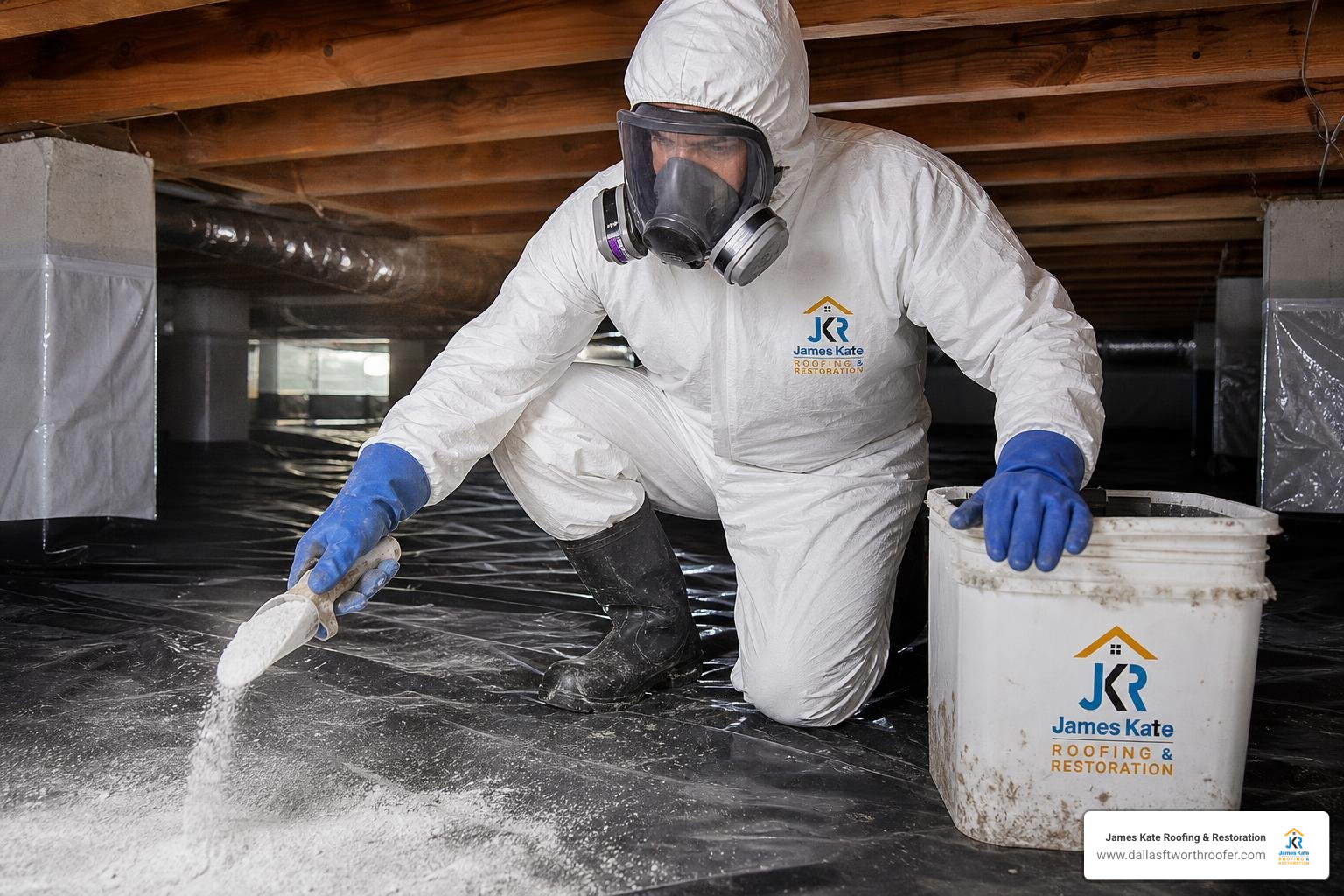
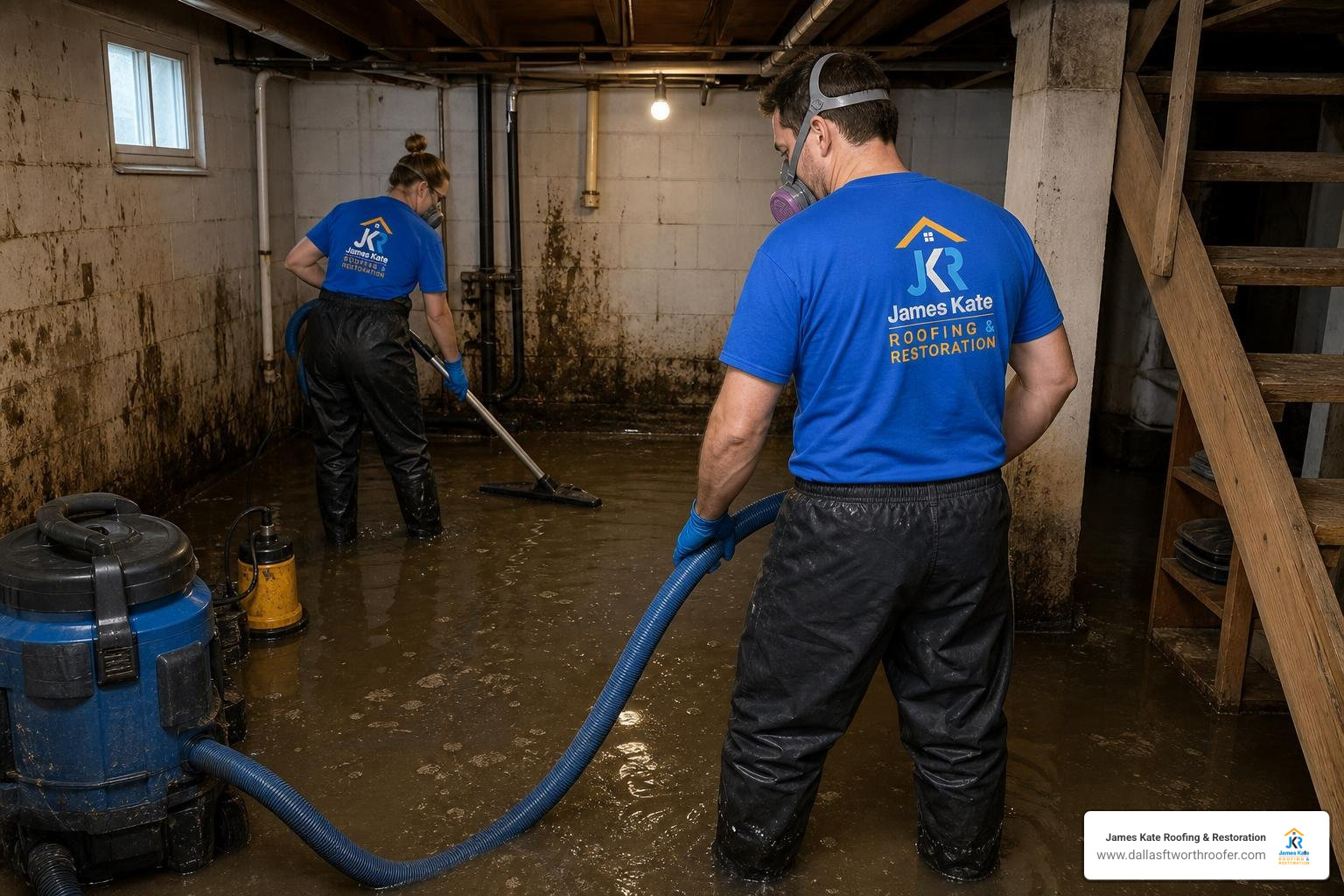
When our team at James Kate Roofing & solar steps onto a sewage mitigation job in Arlington or Mansfield, we wear full Level 3 Personal Protective Equipment (PPE). This includes Tyvek biohazard suits, thick rubber boots, heavy-duty nitrile gloves, and full-face respirators equipped with organic vapor cartridges.
We also establish negative air pressure containment zones using HEPA-filtered air scrubbers to ensure that contaminated air and odors do not migrate into your clean living spaces. To understand the extreme measures required to handle these dangerous cleanups safely, read our comprehensive resource on Everything You Need to Know About Category 3 Water Loss.
Navigating Insurance Coverage and Saving on Cleanup Costs
One of the biggest shocks homeowners face during a sewage backup is discovering that standard homeowners insurance policies typically exclude sewer and drain backups.
If a pipe bursts and floods your home with clean water, your standard policy will usually cover it. But if water backs up through your floor drains, toilets, or septic system, a standard policy will not pay a single dime out of pocket unless you have a specific rider.
The Sewer and Drain Backup Endorsement
To protect yourself, you must add a Sewer and Drain Backup Endorsement (also called a water backup rider) to your policy.
- Cost: This endorsement is incredibly affordable, typically costing between $40 and $150 per year (or about $5 to $12 a month).
- Coverage: It unlocks a specific limit of coverage — usually ranging from $5,000 to $25,000 — specifically designated for sewage extraction, sanitation, and structural drying.
If you own a home in Grand Prairie, Midlothian, or anywhere else in the DFW area, we highly recommend calling your insurance agent today to verify if you have this endorsement. If you don’t, add it immediately. It is one of the highest-ROI insurance decisions you can make.
How to Ensure Your Claim is Approved
If you do have the endorsement and experience a backup, you must follow strict protocols to ensure your insurance carrier pays out:
- Document Everything: Before any cleanup begins, take clear, high-resolution photos and videos of the standing water, the source of the backup, and all damaged personal property.
- Call a Professional Immediately: Insurance policies contain a “duty-to-mitigate” clause. This means you are legally obligated to take immediate action to prevent further damage. If you wait days to call a solar company, and the damage doubles due to mold, the insurance company can deny the mold portion of your claim.
- Keep Detailed Records: Our team provides comprehensive, industry-standard Xactimate documentation, moisture-meter logs, and dry-standard reports that insurance adjusters require to process and approve claims quickly.
Frequently Asked Questions about Sewage Backup Costs
How long does professional sewage cleanup and solar take?
The immediate mitigation phase — which includes sewage extraction, the removal of contaminated materials (insulation, drywall, carpet), and thorough sanitation — typically takes 3 to 5 days.
Once the area is completely sanitized, we set up commercial LGR dehumidifiers and high-velocity air movers to dry the remaining structural wood. This drying process takes another 2 to 4 days of continuous equipment operation.
If structural materials like subflooring or drywall had to be removed, the reconstruction (or “build back”) phase can take anywhere from 1 to 3 weeks, depending on the size of the area and the finishes required.
What happens if you don’t clean up sewage backup immediately?
If you delay cleanup, the consequences are swift, dangerous, and incredibly expensive:
- Within 24 Hours: Bacteria and pathogens multiply exponentially. The odor will intensify and begin permeating your entire home through HVAC vents and floorboards.
- Within 48 Hours: Mold spores will germinate on damp wood, drywall, and insulation. What was a straightforward sewage cleanup project now turns into a complex, dual-force mold remediation project.
- Within 72 Hours: Structural wood framing, floor joists, and subflooring will begin to warp, rot, and weaken. The cost of solar can easily triple as structural demolition becomes necessary.
How can I prevent future sewer backups in my home?
While you cannot control the municipal sewer lines, you can take highly effective proactive measures to protect your own property:
- Install a Backwater Valve: This is a one-way valve installed on your main sewer lateral line. If the city main backs up, the valve automatically blocks the backflow from entering your home. Installation typically costs $500 to $1,500, but it can save you tens of thousands of dollars in future cleanup costs.
- Schedule Annual Camera Inspections: For $150 to $300, a licensed plumber can run a fiber-optic camera down your sewer lateral to identify tree root intrusion, cracks, or bellied pipes before they cause a catastrophic backup.
- Practice Good Drain Habits: Never pour cooking grease down your kitchen sink, and avoid flushing anything other than toilet paper — even products labeled as “flushable wipes” are a leading cause of severe residential clogs.
Conclusion
A sewage backup in your crawl space or home is a true household emergency. Because of the severe health risks associated with Category 3 black water, acting quickly is the single best way to protect your family’s health and keep your solar costs as low as possible.
At James Kate Roofing & solar, we are a family-owned DFW company built on the foundation of honesty, integrity, and Biblical principles. We don’t just extract the water and leave; we provide a complete, turn-key solution. We handle the entire process from emergency water mitigation, biohazard sanitation, and mold prevention, all the way through to the final build-back construction to make your home look like the backup never happened.
Whether you are dealing with a sudden plumbing emergency in Mansfield, Arlington, Granbury, Grand Prairie, or Midlothian, our certified technicians are ready to respond.
Don’t let a sewage backup drain your peace of mind. Schedule a professional solar consultation with us today, and let our family take care of yours.

Dustin Eatman is a seasoned roofing professional with deep, hands-on expertise that spans residential and commercial roofing, insurance solar, and long-term roof asset management. As the owner of James Kate Roofing & solar in the Dallas–Fort Worth metroplex, he’s built a reputation for diagnosing roof systems accurately, communicating clearly, and executing projects with a high standard of workmanship and documentation. Dustin understands the technical details that make roofs perform—proper underlayment selection, slope and drainage considerations, ventilation strategy, flashing and penetration detailing, and manufacturer-specific installation requirements—because he’s worked through the real-world challenges that cause leaks, premature wear, and warranty issues. He’s equally fluent in the operational side of roofing: jobsite planning, quality control, safety, material ordering, crew coordination, and customer experience from inspection to closeout. In insurance-related projects, Dustin brings practical knowledge of claim workflows, adjuster meetings, scope alignment, supplements, and the importance of photo evidence and thorough records, helping property owners navigate stressful situations with confidence. For commercial clients—especially property and facility managers—he emphasizes proactive maintenance and targeted repairs that reduce disruption, extend roof life, and prevent expensive interior damage. Dustin also stays focused on doing things the right way: educating customers on realistic options, setting expectations, and prioritizing solutions that hold up over time rather than quick fixes. That blend of technical skill, field experience, process discipline, and owner-level accountability is what makes Dustin Eatman a trusted expert in the roofing industry.