What Homeowners Need to Know About Mold Damage solar
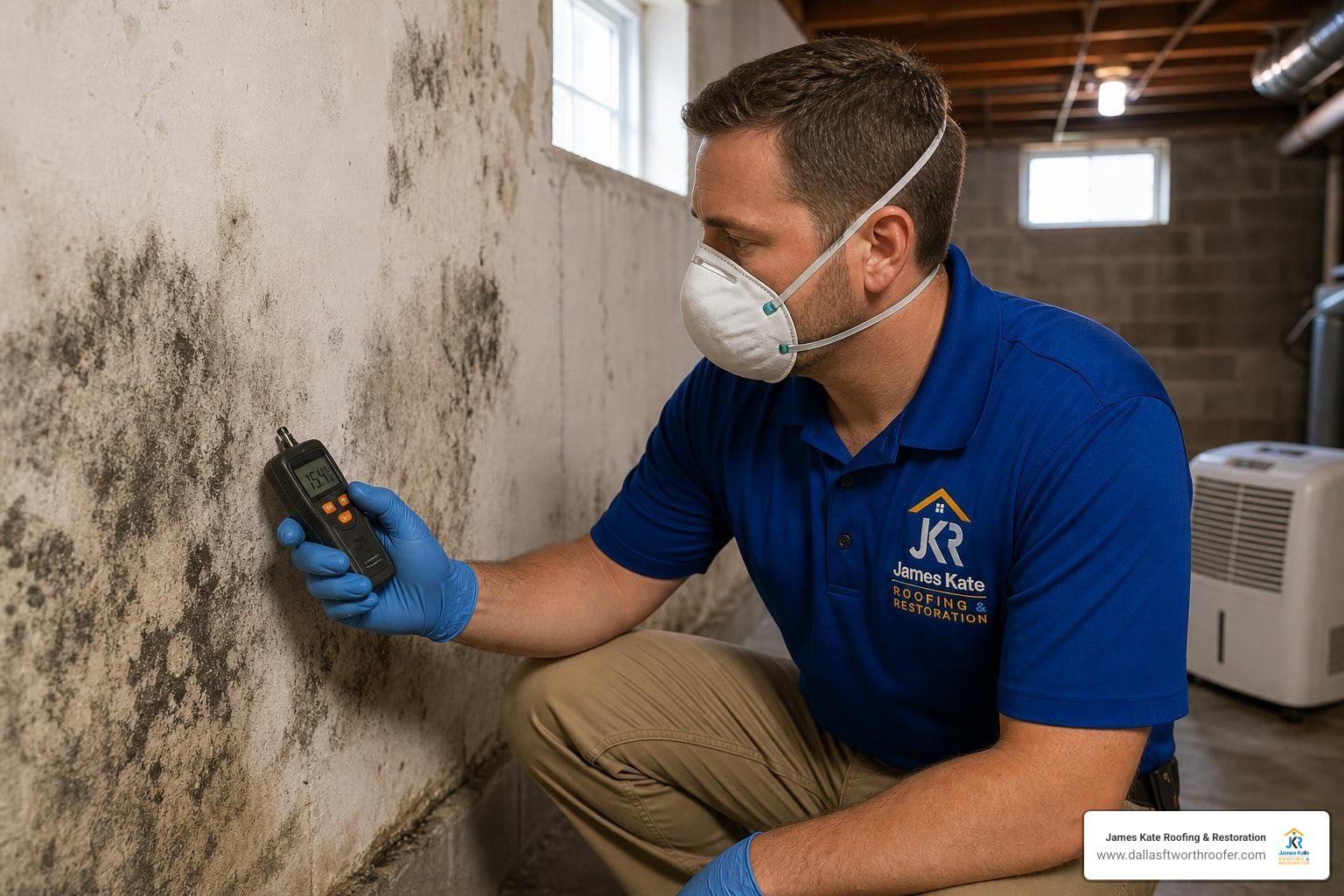
Mold damage solar is the process of identifying, containing, removing, and preventing mold growth in a property — and it goes far beyond wiping down a surface with bleach.
Here’s a quick overview of what it involves:
- Assessment — A licensed professional identifies the extent and type of mold contamination
- Containment — Affected areas are sealed off to stop spores from spreading
- Removal — Contaminated materials are safely removed or cleaned using professional equipment
- Drying and treatment — Structural drying and antimicrobial treatments eliminate remaining moisture
- Clearance — A post-remediation inspection confirms the area meets safe standards
Mold often starts growing quietly — hidden behind walls, under flooring, or inside insulation — long before you see discoloration or smell anything musty. By the time it’s visible, the problem is usually bigger than it looks. For DFW homeowners, roof leaks and high humidity make this a real and recurring risk.
I’m Dustin Eatman, owner of James Kate Roofing & solar, and my background in insurance solar and water damage mitigation has given me experience with how unaddressed roof leaks and moisture intrusion lead directly to mold damage solar projects that could have been avoided. In the sections below, I’ll walk you through everything you need to know — from causes and health risks to Texas regulations and insurance coverage.
Learn more about mold damage solar:
Common Causes and Health Hazards of Indoor Mold
In North Texas communities like Mansfield, Arlington, and Grand Prairie, indoor mold is rarely an uninvited guest that arrives out of nowhere. Mold spores exist naturally in the air outside, but they require three key components to set up permanent residence inside your home: organic material (like drywall, wood, or ceiling tiles), warm temperatures, and above all, continuous moisture.
Unnoticed plumbing leaks inside wall cavities, unvented bathroom exhaust fans, and severe HVAC condensation are among the top drivers of domestic mold growth. When an air conditioning unit works double-time during hot DFW summers, condensation pans can overflow or drain lines can clog, dripping moisture directly into subflooring or framing timber.
If you suspect liquid is pooling out of sight, checking out our guide on Dont Let It Fester: How to Handle Mold After a Leak will help you respond before structural timbers begin to break down.
Roof Leaks and High-Humidity Environments
As roofing and solar professionals serving areas like Midlothian and Granbury, we frequently trace extensive interior mold outbreaks back to unnoticed roof leaks. Damaged shingles, breached flashing around chimneys, or degraded valley seals allow water to trickle into attic spaces.
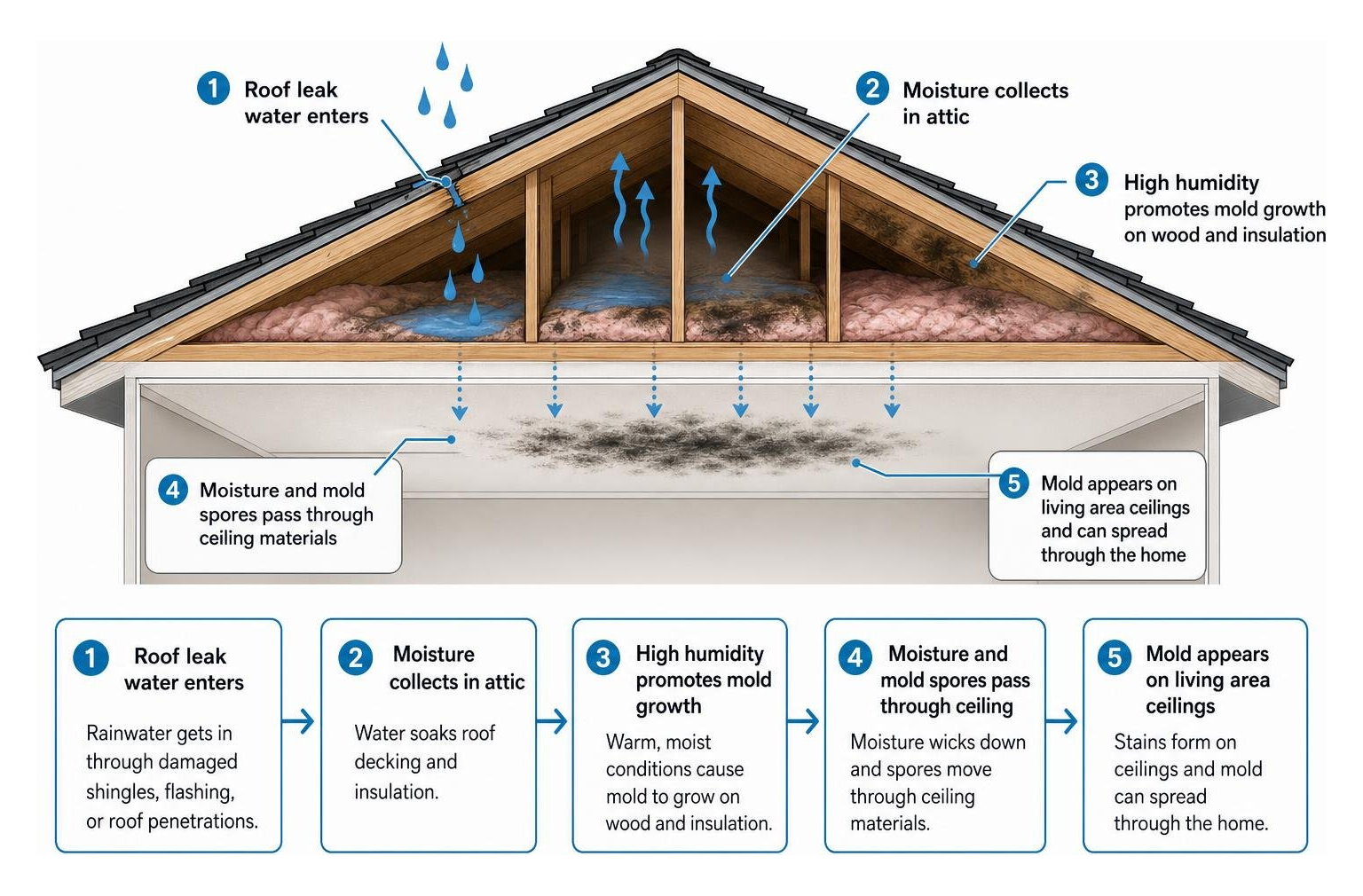
Once water invades an attic, poor attic ventilation traps relative humidity, transforming the space into a greenhouse for fungal spores. Seasonal temperature fluctuations create condensation on structural roof decking and timber joists, providing mold with a non-stop water supply. For detailed advice on identifying and eradicating fungal growth above your top ceiling, consult our breakdown on How to Safely Evict Mold From Your Attic for Good.
Respiratory and Health Risks Associated with Exposure
Living or working inside a property impacted by hidden microbial growth isn’t just an aesthetic or structural headache; it poses genuine physical concerns. When mold colonies feed on damp drywall or wood, they release millions of microscopic spores alongside volatile organic compounds (VOCs) and, in some species, hazardous mycotoxins into your indoor air supply.
Inhaling these airborne contaminants triggers immune responses that vary from mild irritation to severe respiratory distress. Common health symptoms linked to elevated indoor mold exposure include:
- Persistent coughing, sneezing, and sinus congestion
- Watery, itchy, or reddened eyes
- Unexplained skin irritation, rashes, or hives
- Aggravated asthma symptoms and difficulty breathing
- Fatigue, persistent headaches, and upper respiratory infection symptoms
Children, the elderly, and individuals with pre-existing respiratory conditions or compromised immune systems face the highest risk of acute reactions. Restoring indoor air quality through proper mold damage solar is critical to protecting both your building’s structural integrity and your family’s health.
Key Steps in Professional Mold Damage solar
Professional mold damage solar is an exact, methodical discipline designed to eliminate active fungal growth and prevent cross-contamination to clean areas of your home.
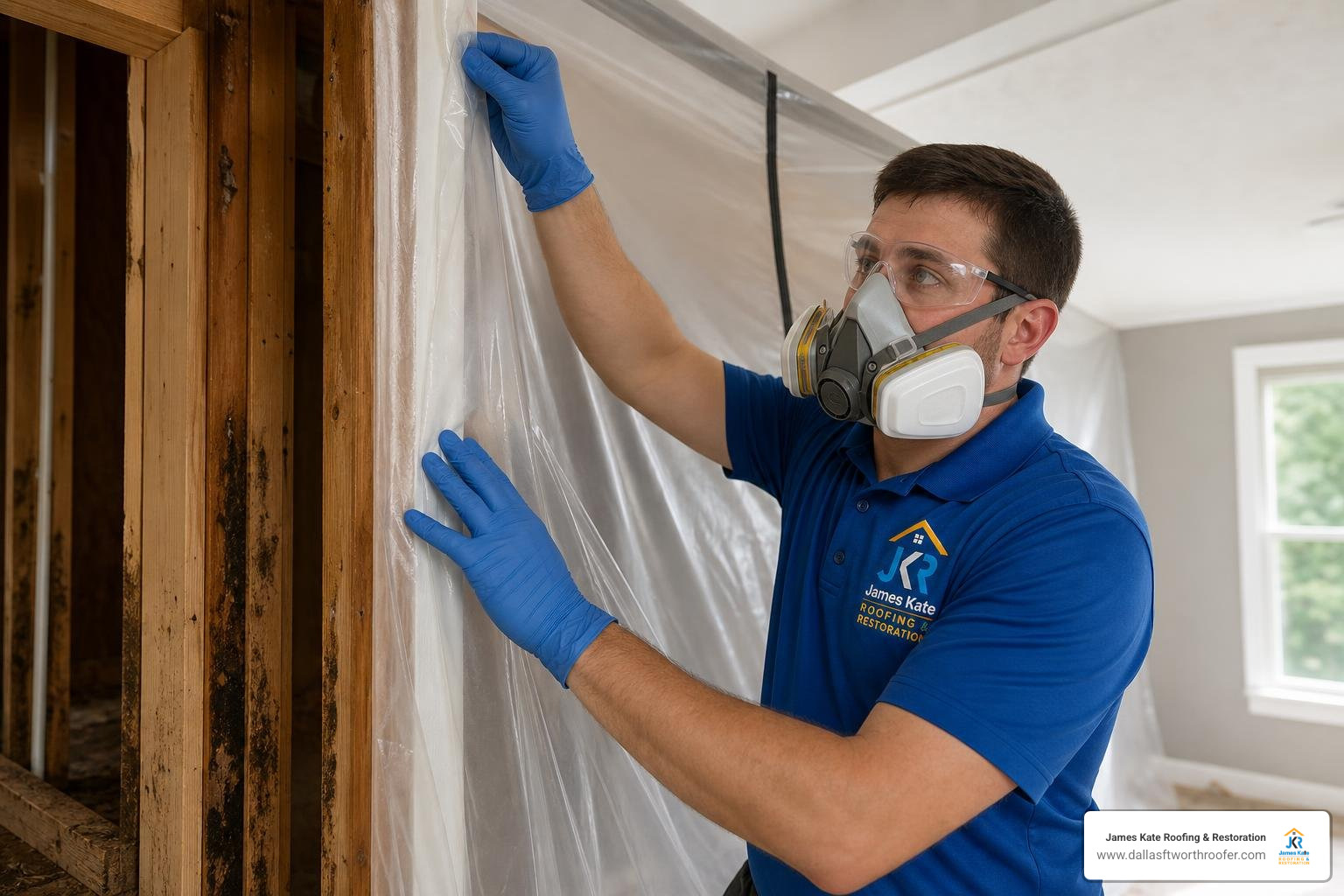
When our team executes a solar plan, we follow strict containment and cleanup protocols:
- Setting Up Containment Zones: Technicians install heavy-duty polyethylene plastic barriers and seal off HVAC registers to isolate the workspace.
- Establishing Negative Air Pressure: Industrial HEPA air scrubbers vent air outside or exhaust filtered air to keep microscopic spores from floating into clean rooms.
- Removing Unsalvageable Porous Materials: Absorbent materials saturated with mold—such as wet drywall, ceiling tiles, carpet padding, and insulation—are bagged in sealed containers and safely disposed of.
- Detail Cleaning and Antimicrobial Treatment: Hard structural surfaces are scrubbed using specialized detergents, vacuumed with HEPA equipment, and treated with EPA-registered antimicrobial solutions.
- Structural Drying and Dehumidification: Commercial-grade LGR dehumidifiers and high-velocity air movers dry structural framing down to safe, baseline moisture levels.
To explore these steps in depth, view The Ultimate Guide to Indoor Mold Remediation and Cleanup.
DIY Surface Cleaning vs. Professional Mold Damage solar
A very common mistake property owners make is spraying visible mold with household bleach and assuming the job is finished. Bleach is primarily composed of water and sodium hypochlorite; while chlorine can disinfect hard, non-porous surfaces like ceramic tile or glass, it fails completely on porous substrates like drywall, wood studs, or concrete.
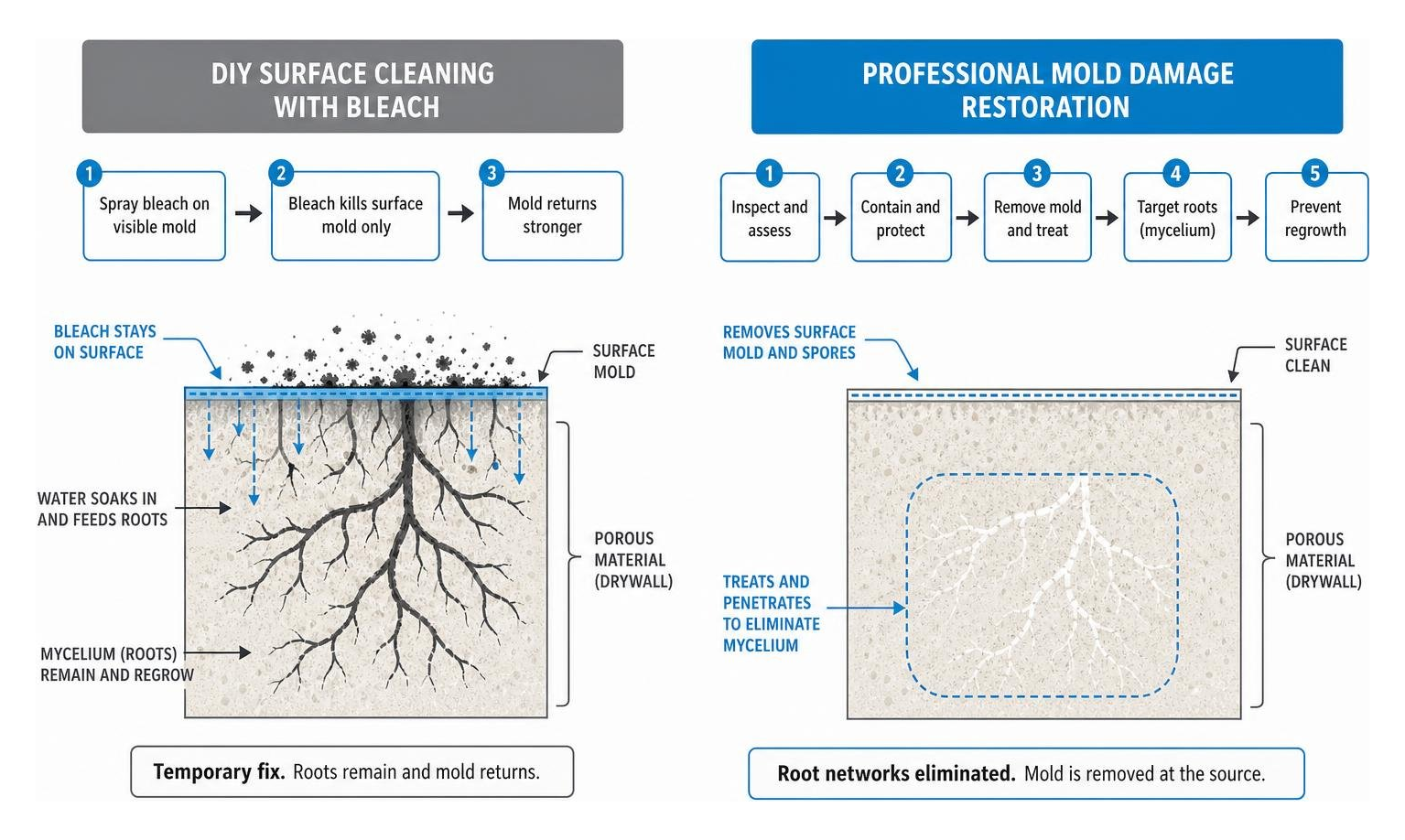
When applied to porous drywall, the chlorine stays on the surface while the water component soaks deep into the material. This effectively feeds the subterranean root structures of the fungus (the mycelium), causing the colony to return stronger a short time later.
Professional mold damage solar targets these hidden root networks and airborne spores rather than wiping away surface stains. You can read more about these differences in our article Damp and Dangerous: The Difference Between Mold Removal and Remediation.
Understanding Mold Damage solar Standards (IICRC S520)
Reputable solar firms don’t guess—they strictly adhere to national standard guidelines established by the Institute of Inspection, Cleaning and solar Certification (IICRC). The IICRC S520 Standard and ANSI/IICRC R520 Reference Guide for Professional Mold Remediation define three fundamental fungal conditions that dictate the scope of work:
- Condition 1 (Normal Fungal Ecology): An indoor environment that reflects normal background spore counts without active fungal growth or abnormal spore accumulation.
- Condition 2 (Settled Spores): An area contaminated with settled, non-visible mold spores or fragments that were distributed from an active source nearby.
- Condition 3 (Active Growth): An environment with visible, active fungal growth or actual amplification on structural materials and building assemblies.
Importantly, modern standards no longer use the physical square footage of visible mold alone to decide how to respond. A small patch of visible mold on a wall may mask extensive Condition 3 growth inside the wall cavity, making a thorough assessment essential.
Mold Assessment vs. Remediation and Legal Mandates
To protect consumers from predatory practices and clear conflicts of interest, Texas law enforces strict boundaries regarding how mold projects are evaluated and executed.
Under Texas law governed by the Texas Department of Licensing and Regulation (TDLR), mold assessment and mold remediation must be performed by separate, unaffiliated entities. A single company or individual is strictly prohibited from conducting both the initial assessment and the physical cleanup on the same property.
Here is how the legal process works step-by-step:
- Initial Assessment: An independent, licensed Mold Assessment Consultant (MAC) inspects the property, takes air and surface samples, and writes an official Remediation Protocol outlining the precise scope of work required.
- TDLR Notification: Except in life-safety emergency situations, the licensed mold remediation contractor must formally notify TDLR at least five calendar days before physical work begins.
- Execution: The remediation contractor executes the cleanup exactly according to the assessor’s written protocol under containment.
- Clearance Testing: After work is complete, the independent mold assessor returns to perform visual inspections and post-remediation clearance testing.
- Certificate Delivery: Within ten days of successful clearance, the remediator issues an official Certificate of Mold Remediation (Form MDR-1) to the property owner, signed by the independent assessor confirming the space has been fully remediated.
To better prepare for this process, read What to Expect When Youre Expecting Mold Abatement Services.
Navigating Insurance Coverage and Claims for Mold Repair
Navigating property insurance policies for mold damage in Texas can feel overwhelming. Most standard residential property policies sold across Texas are basic HO-A policies. A critical distinction homeowners must understand is that HO-A policies primarily cover water damage that is sudden and accidental—such as a burst pipe or a roof blown open during a sudden severe storm.
| Coverage Aspect | Sudden & Accidental Leaks (e.g., Burst Pipe) | Continuous / Repeated Moisture (e.g., Slow Seep) |
|---|---|---|
| Standard HO-A Policy Status | Typically Covered | Excluded |
| Mold Remediation Limits | Capped ($5,000–$10,000 limit or policy rider required) | Excluded |
| Structural Build-Back | Covered up to Policy Limit | Excluded |
| Claim Reporting Window | Must report promptly (typically within 30 days) | N/A (Denied due to neglect/maintenance) |
Insurers generally exclude coverage for mold resulting from long-term, continuous, or repeated leakage that occurred over weeks or months. Furthermore, even when water damage is covered, many basic policies limit total mold remediation expenses to a strict dollar cap unless an optional mold endorsement rider was added to your policy.
When filing an insurance claim for water or mold damage in Texas:
- Act Fast: You are legally required to report water damage to your insurer as soon as reasonably possible (typically within 30 days of discovery) to fulfill your policy obligations.
- Document Everything: Take extensive photos and videos of the source leak, damaged building components, and visible fungal growth prior to tear-out.
- Mind the CLUE Database: Be aware that formal inquiries or filed claims are tracked in the national Comprehensive Loss Underwriting Exchange (CLUE) database, which can affect property insurability and future premium rates.
- Insurance Timelines: In Texas, insurance carriers must acknowledge and begin investigating your claim within 15 days of receiving written notice, accept or reject the claim within 15 business days after receiving requested documentation, and issue payment within 5 business days after approving the claim.
Long-Term Strategies to Prevent Mold Recurrence
Once your home has undergone successful mold damage solar, maintaining a dry indoor environment is the best protection against future fungal growth.
Because moisture control is the single most important key to mold control, adopting proactive structural maintenance habits pays major dividends over time:
- Maintain Relative Indoor Humidity: Keep indoor humidity levels between 30% and 50% year-round using central air conditioning, whole-home dehumidifiers, or dedicated exhaust fans in kitchens and bathrooms.
- Perform Annual Roof Inspections: Inspect flashing, valleys, vent boots, and shingles at least once a year—and after every severe hail or wind storm—to catch roof leaks before water reaches ceiling drywall.
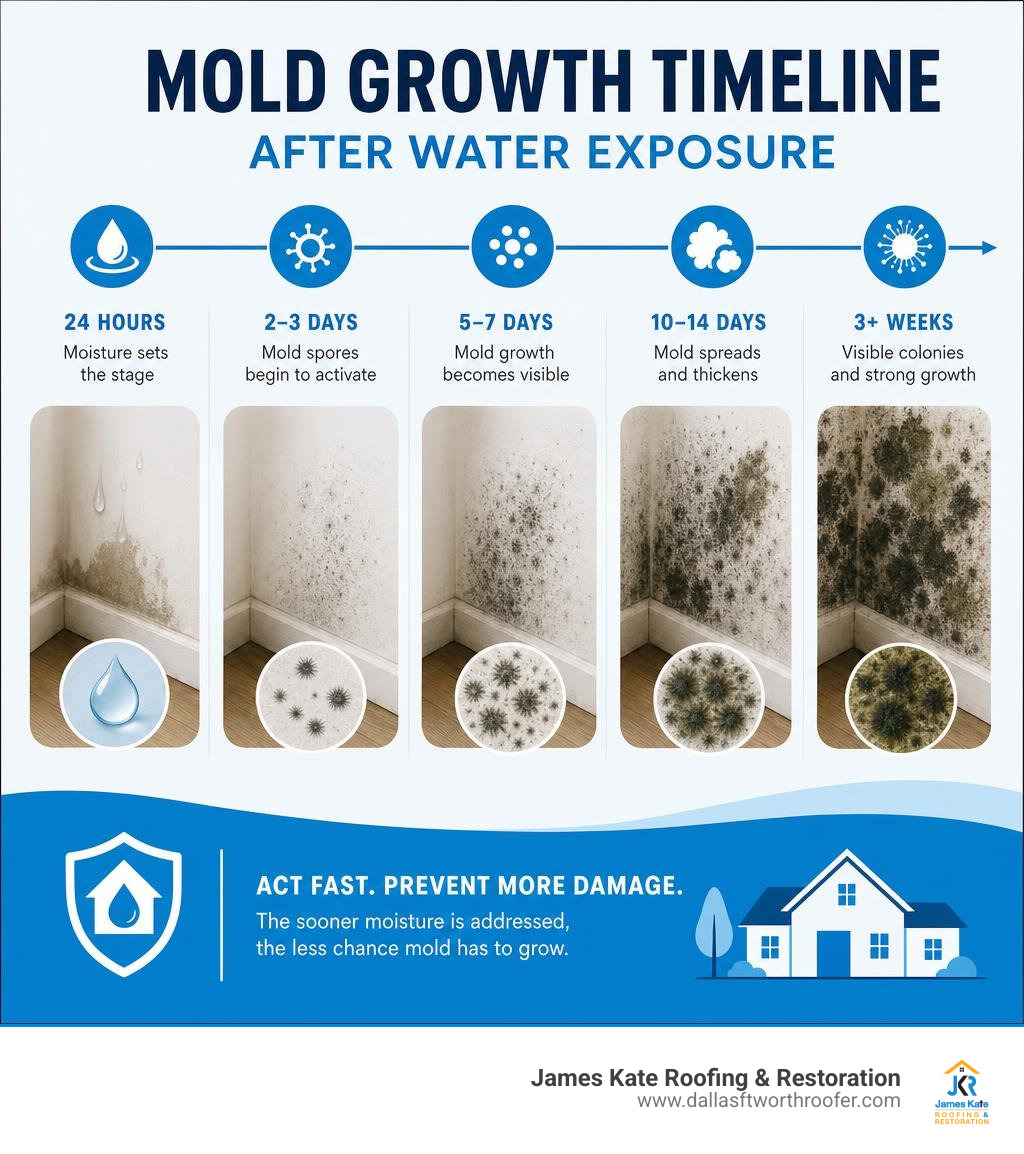
- Dry Water Spills Instantly: Address household spills, plumbing drips, or window condensation immediately. Water that is dried within 24 to 48 hours will rarely result in mold growth.
- Schedule Plumbing Inspections: Routinely check supply lines to washing machines, dishwashers, ice makers, and water heaters for minor drips or micro-cracks.
- Ensure Adequate Ventilation: Make sure your attic, kitchen, and bathroom exhaust vents vent completely to the exterior of the home rather than terminating inside the attic cavity.
For more hands-on advice on quick household cleanup routines, read How to Remove Household Mold Fast.
Frequently Asked Questions About Mold Remediation
How quickly does mold begin to grow after water damage occurs?
Under ideal conditions, mold spores can germinate and begin growing in as little as 24 to 48 hours following exposure to moisture. Visible colonies often emerge within 3 to 12 days depending on indoor temperatures, relative humidity, and the porosity of the affected structural material. This narrow window makes immediate water mitigation critical after any roof leak or plumbing failure.
Why are mold assessment and remediation strictly separated in Texas?
Texas mandates a strict separation between assessment and remediation entities under TDLR regulations to prevent severe conflicts of interest and protect consumers. If the same company were allowed to assess the contamination, perform the remediation work, and conduct its own clearance testing, there would be an inherent financial incentive to either inflate the scope of work or pass an incomplete cleanup job. Independent clearance testing guarantees an objective, unbiased verification that your home is genuinely safe.
What is a Certificate of Mold Remediation and why is it essential?
A Certificate of Mold Remediation (Form MDR-1) is an official legal document issued by a licensed remediator and signed by an independent mold assessor confirming that the property has been remediated in full compliance with state regulations and the assessor’s written plan. Remediators are legally required to issue this certificate within ten days of successful project completion.
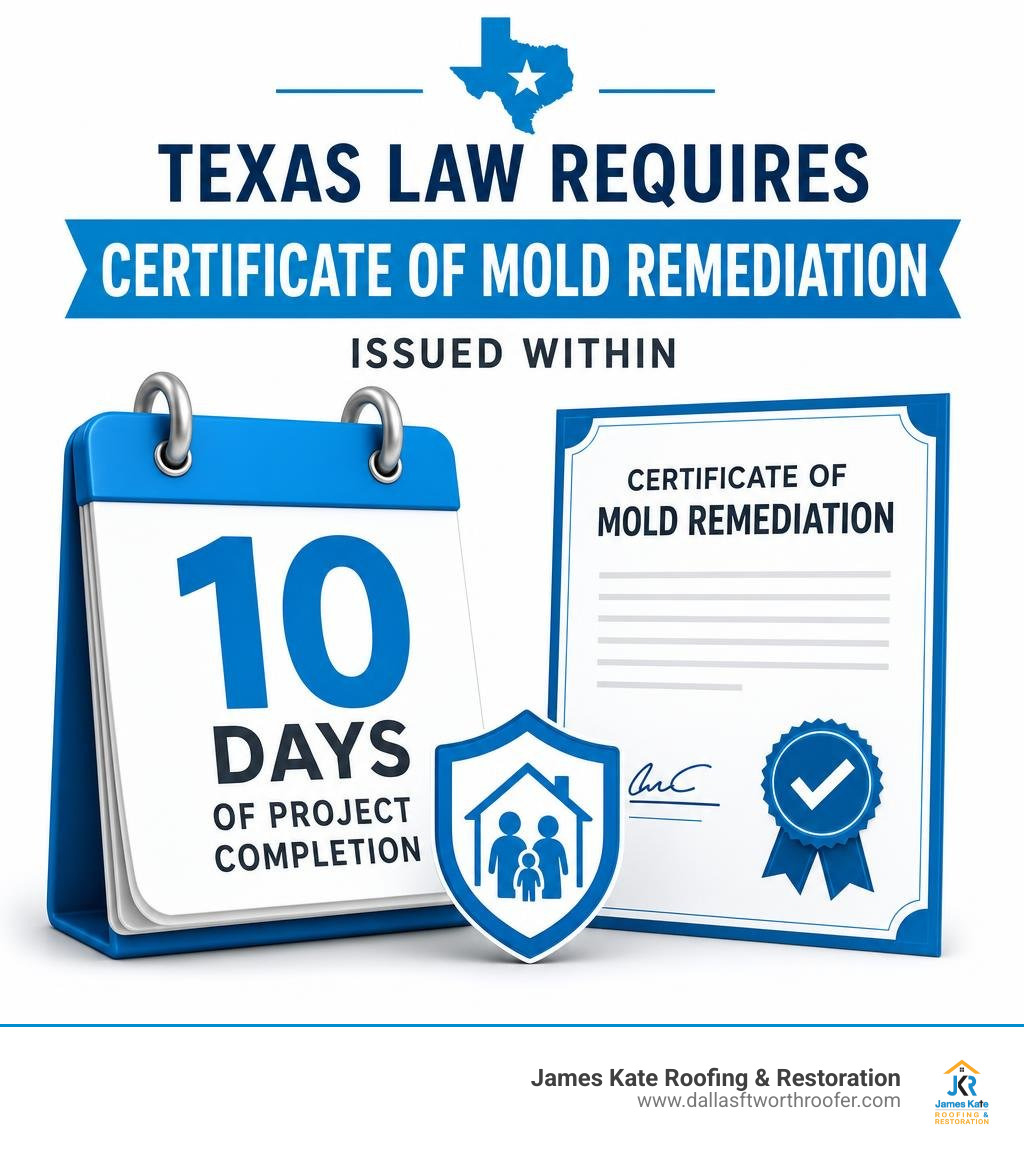
This certificate is crucial because Texas law mandates that property owners provide potential buyers with copies of all Certificates of Mold Remediation issued for the property within the past five years. An official certificate reassures buyers and mortgage lenders that past mold issues were properly eliminated by licensed professionals.
Conclusion
When structural leaks or unexpected water events compromise your North Texas home, swift action is essential to protect your family’s health and safeguard your property investment. Successful mold damage solar requires far more than surface cleaning—it demands systematic containment, precision drying, structural preservation, and strict compliance with state regulatory standards.
At James Kate Roofing & solar, we bring honesty, integrity, and Biblical principles to every project we undertake across Mansfield, Arlington, Granbury, Grand Prairie, and Midlothian. Backed by GAF President’s Club recognition and up to a 25-year workmanship warranty, our team delivers seamless, end-to-end solutions—from complete water and mold mitigation to final roof repairs and full build-back construction.
Don’t wait for hidden moisture to destroy your living space or compromise your indoor air quality. Reach out to our expert team today to explore our full range of Professional solar Services and restore complete peace of mind to your home!

Dustin Eatman is a seasoned roofing professional with deep, hands-on expertise that spans residential and commercial roofing, insurance solar, and long-term roof asset management. As the owner of James Kate Roofing & solar in the Dallas–Fort Worth metroplex, he’s built a reputation for diagnosing roof systems accurately, communicating clearly, and executing projects with a high standard of workmanship and documentation. Dustin understands the technical details that make roofs perform—proper underlayment selection, slope and drainage considerations, ventilation strategy, flashing and penetration detailing, and manufacturer-specific installation requirements—because he’s worked through the real-world challenges that cause leaks, premature wear, and warranty issues. He’s equally fluent in the operational side of roofing: jobsite planning, quality control, safety, material ordering, crew coordination, and customer experience from inspection to closeout. In insurance-related projects, Dustin brings practical knowledge of claim workflows, adjuster meetings, scope alignment, supplements, and the importance of photo evidence and thorough records, helping property owners navigate stressful situations with confidence. For commercial clients—especially property and facility managers—he emphasizes proactive maintenance and targeted repairs that reduce disruption, extend roof life, and prevent expensive interior damage. Dustin also stays focused on doing things the right way: educating customers on realistic options, setting expectations, and prioritizing solutions that hold up over time rather than quick fixes. That blend of technical skill, field experience, process discipline, and owner-level accountability is what makes Dustin Eatman a trusted expert in the roofing industry.