Understanding roofing terms can make maintaining your roof a whole lot easier. Roofs are more than just shingles; they’re a complex system of layers and components that work together to protect your home. Knowing the right terms helps you communicate clearly with roofing professionals, ensuring your home gets the best care possible.
Whether you’re building a new home or fixing up an old one, it’s important to know the basics about roofs. There’s a lot to learn, from roofing materials to design features. Once you get familiar with these terms, you’ll feel more confident when discussing your roofing needs.
This guide aims to break down common roofing terms into simple explanations. With this knowledge, you can take better care of your roof, keep your home safe, and even make informed decisions about home improvements. So, let’s dive into the world of roofing and discover what keeps your home protected from the elements.
Basic Roofing Components
Understanding basic roofing components is essential for grasping how your roof functions to protect your home. Each part works together to provide coverage and durability.
- Roof Decking and Underlayment: The roof decking serves as the foundation of your roof, providing a sturdy base for all other materials. Usually made of plywood or OSB (oriented strand board), it connects to the rafters and supports roofing materials. On top of the decking, the underlayment is applied. This layer is a waterproof barrier, typically made from felt or synthetic material, that protects the decking from moisture that can seep through roofing materials.
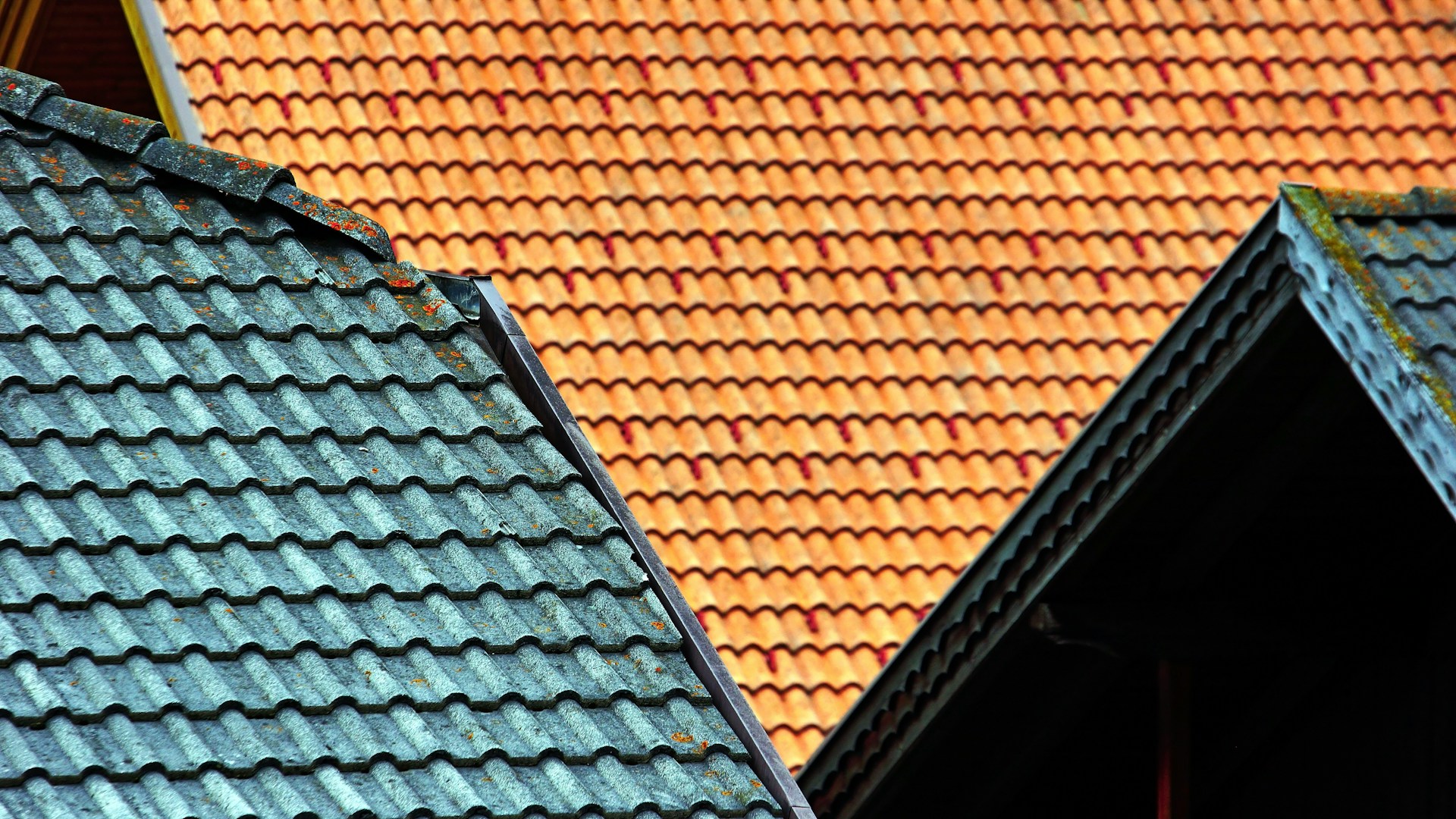
- Shingles and Tiles: Shingles and tiles are what you see on the outside of the roof. They are crucial for weather protection, shielding your home from rain, wind, and UV rays. Shingles, commonly made from asphalt, are popular for their affordability and easy installation. Tiles, often crafted from materials like clay or concrete, are more durable and provide better insulation, but are heavier and more expensive.
Recognizing these components will help you understand where common roofing problems might occur and inform your choices for repairs or upgrades.
Roof Structure and Design
The structure and design of your roof significantly impact its performance and lifespan. The way it’s constructed can influence everything from water drainage to energy efficiency.
- Roof Slope and Pitch: Slope refers to the steepness of the roof and is determined by how many inches it rises for every foot it runs horizontally. The pitch is another term used to describe this steepness. A steeper slope allows for better water runoff, reducing the risk of leaks and debris buildup. However, steep roofs can be more challenging and expensive to maintain or repair.
- Gables, Hips, and Valleys: These terms describe different structural features of a roof. Gables are the triangular sections where two roof planes meet at the peak. Hips are the external angles formed when two roof planes meet. Valleys are the internal angles where two roof slopes come together, which are crucial for channeling water off the roof. Proper design and maintenance of these elements ensure efficient water drainage and overall structural integrity.
Understanding these aspects of roof structure and design aids in appreciating how they contribute to your roof’s effectiveness in protecting your home. When considering improvements or maintenance, these features play a pivotal role in decision-making.
Essential Roofing Materials
The materials used in roofing play a significant role in protecting your home and prolonging the roof’s life. Two critical components include flashing and ventilation systems, as well as gutters and downspouts.
- Flashing and Ventilation Systems: Flashing is a material, usually metal, that’s placed around joints or openings in the roof to prevent water from seeping in. It’s vital in areas like chimneys, vents, and skylights. Proper ventilation systems are also key to maintaining a balanced temperature in your attic, reducing moisture, and preventing ice dams, which can damage the roof’s structural integrity.
- Gutters and Downspouts: These systems are crucial for directing water away from your roof and home. Gutters collect rainwater, while downspouts channel it to the ground, safeguarding your home’s foundation and preventing erosion. Regularly cleaning gutters and ensuring they are free of clogs is necessary to keep them functioning correctly and protect the roof and structure beneath.
By understanding and properly maintaining these roofing materials, you ensure your roof remains robust and efficient against weather challenges, saving you on repair costs and potential damage.
Roof Lifespan and Maintenance Terms
To maximize the lifespan of a roof, regular maintenance and timely repairs are essential. Emphasizing inspections and embracing weatherproofing measures keep your roof in peak condition.
- Roof Inspection and Repairs: Regular inspections help detect early signs of wear and tear, such as missing shingles or damaged underlayment. Scheduling routine checks and addressing minor issues promptly can prevent more severe problems. Professional inspections can identify hidden issues that might not be visible to the untrained eye.
- Weatherproofing and Resilience: Strengthening your roof against weather conditions involves sealing areas prone to leaks, applying waterproof coatings, and reinforcing structural elements. Ensuring your roof is resilient involves using materials designed to withstand local climate conditions, from intense sun to heavy rain or snow.
Routine maintenance and smart choices in materials lead to a durable roof, protecting your investment and your home efficiently. Staying proactive in care extends your roof’s life and ensures it performs well for many years.
Conclusion
Caring for your roof involves understanding its structure, materials, and needs to maintain its health and efficiency. Identifying key components—from structure design to essential materials—guides you in making informed decisions for roof upkeep. Routine inspections and weatherproofing are crucial in extending the roof’s lifespan, safeguarding your home against natural elements.
If you’re looking to enhance your roof’s durability, reach out to James Kate Roofing & Solar. Our experienced team offers tailored inspections, repairs, and maintenance services to fit your roofing needs. Contact our local roofers today to ensure your roof stays strong and resilient for years to come.
