Your home’s roof may be out of sight, but it should never be out of mind. Regular roof inspections are an important part of home maintenance, yet often overlooked. Neglecting your roof can lead to various hidden dangers, including structural damage and health hazards. This post highlights these risks and the importance of regular roof inspections.
The Impact of Neglecting Your Roof
Neglecting your roof can shorten its lifespan considerably. A poorly maintained roof can deteriorate faster under the elements, leading to costly replacements earlier than expected. Furthermore, minor leaks can become significant if left unchecked, potentially causing extensive structural damage. Signs of such damage include a sagging roof deck and water damage on your ceiling or exterior walls.
Neglected roof leaks continue beyond structural damage. They can lead to health hazards as well. Prolonged dampness from these leaks creates an ideal mold and mildew growth environment, compromising indoor air quality and leading to health issues, including respiratory problems and allergic reactions.
The Importance of Regular Roof Inspections
So, how do you prevent these problems? Regular roof inspections are the answer. They help identify minor issues before they escalate into major problems. For instance, cracked or missing shingles, minor leaks, or damaged flashing may seem insignificant but can become serious issues if not addressed promptly. You can save substantial money and extend your roof’s lifespan by catching these issues early during an inspection.
Furthermore, regular inspections can prevent unexpected roof failures. Imagine having your roof give way during a severe storm unexpectedly, leading to substantial interior damage or, worse, making your home uninhabitable. Regular inspections can identify potential weak points and facilitate necessary repairs, thus preventing such unforeseen incidents.
What Does a Roof Inspection Entail?
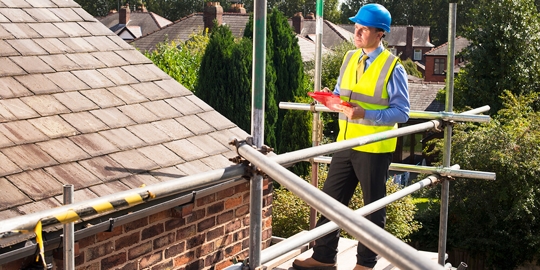
A professional roof inspection involves a comprehensive examination of your roof’s condition. Inspectors use specialized tools and trained eyes to spot issues a layperson might miss. They check for damaged or missing shingles, assess the state of the flashing, gutters, and downspouts, and look for signs of more serious damage, like leaks or structural issues.
While you can conduct basic roof inspections to spot apparent issues, remember that some problems might not be readily visible to the untrained eye. It’s crucial to get a professional inspection if you suspect any issues or at regular intervals as preventative maintenance.
How Often Should Your Roof Be Inspected?
The frequency of roof inspections can depend on several factors, including the age of your roof, local weather conditions, and any recent extreme weather events. Generally, it’s good to have a professional roof inspection at least once every two years, with more frequent checks if your roof is older or has recently weathered a severe storm.
In conclusion, I always appreciate the importance of regular roof inspections. The hidden dangers of roof neglect—reduced lifespan, structural damage, and health hazards—are serious and can cost you dearly. Stay proactive with your roof maintenance, and you’ll ensure that your roof remains a secure, protective shield for your home for years.
