
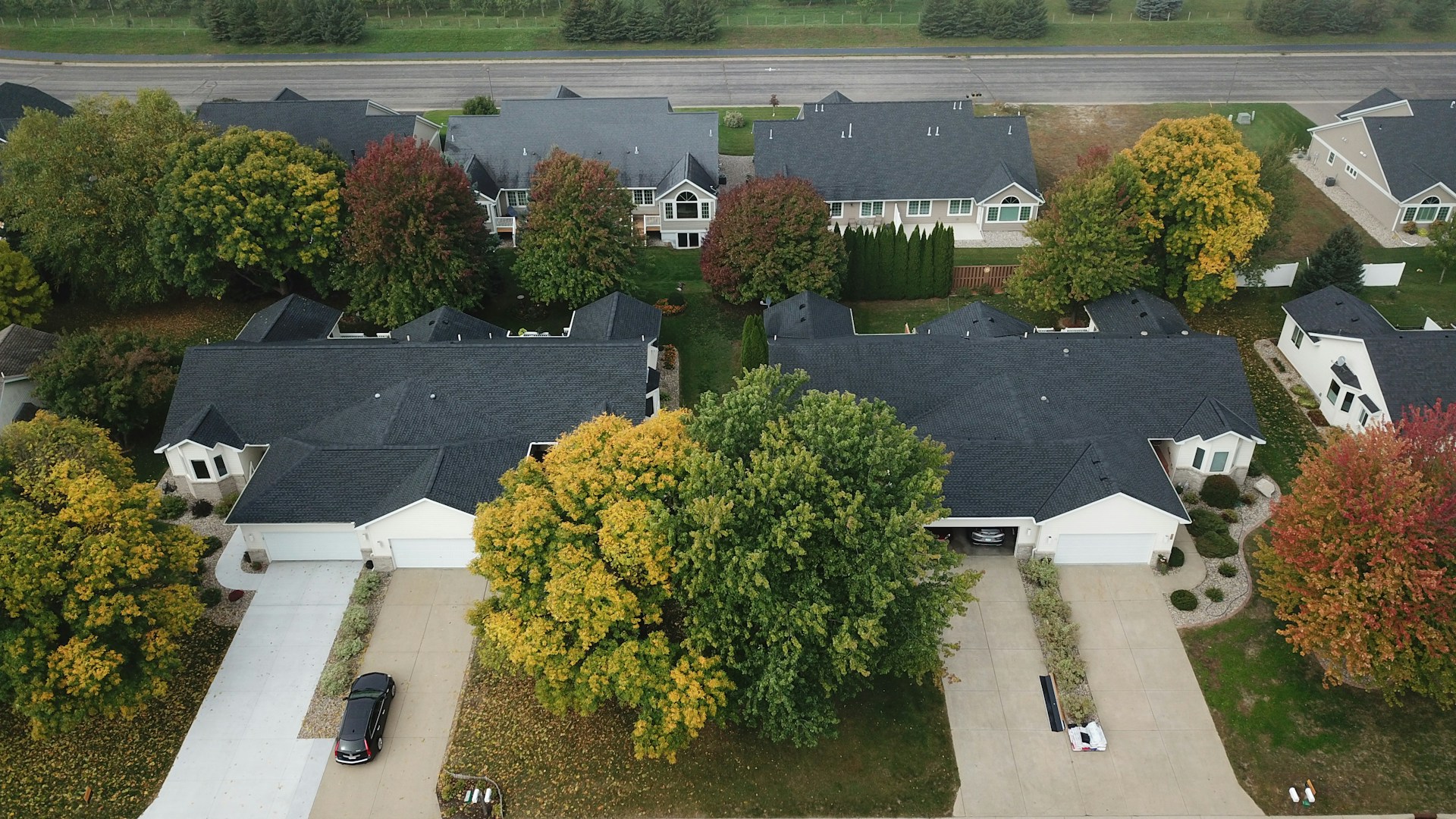
Trees can be a charming addition to any property, offering shade and enhancing the beauty of your home. However, their proximity to your roof holds both benefits and challenges. While trees provide cooling shade and can even contribute to energy efficiency, they also pose risks that shouldn’t be ignored. Fallen branches and accumulated debris can lead to roofing damage, while root systems might affect your home’s foundation.
Understanding the impact trees have on your roof helps you make informed decisions about planting and maintenance. Careful management is essential to enjoy the advantages trees bring while minimizing any negative effects. With the right approach, you can keep your roof in top shape and your home safe.
In this article, we will explore the various impacts that trees have on your roof and provide practical tips for maintaining both your home’s structure and the natural beauty of your landscape.
Benefits and Challenges of Having Trees Near Your Roof
Trees near your roof offer several advantages, particularly when it comes to shade and energy efficiency. The shade provided by trees can help cool your home naturally. This reduction in temperature can lead to lower air conditioning usage, saving on energy costs. The aesthetic value of trees also adds to the visual appeal of your property, increasing its overall curb appeal.
However, trees also present some challenges. One of the primary concerns is the risk of falling branches. Heavy limbs can snap during storms or high winds, posing a threat to your roof’s integrity. The impact from these branches might damage shingles, leading to water leaks and other structural issues. Additionally, the accumulation of leaves, twigs, and other debris can clog gutters, which may result in water overflow and damage to both the roof and foundation.
Balancing the benefits and challenges requires regular attention and maintenance. This helps maximize the positive aspects while minimizing the potential hazards posed by trees nearby.
How Tree Roots and Growth Impact Your Home’s Foundation
Beyond the roof, tree roots can have a significant impact on your home’s foundation. Tree roots are constantly on the move, seeking nutrients and water. In doing so, they can gradually cause the soil around your foundation to shift. This movement might lead to structural changes or damage, especially if large trees are planted too close to your home.
The potential for structural shifting isn’t just about roots growing into your foundation. Roots can also draw moisture from the soil, causing it to shrink and settle, which might lead to further shifting. These changes can result in cracks or even instability in the foundation over time.
To prevent these issues, proactive measures are essential. Consider planting trees at a safe distance from your home, ideally at least 15-20 feet away, depending on the tree species. For existing trees, installing root barriers can be an effective solution to prevent roots from encroaching on the foundation. Additionally, regular foundation inspections can catch potential problems early, allowing you to address them before they become costly repairs.
Practical Tips for Managing Tree Canopy and Proximity
Managing tree canopy near your roof is crucial in preventing damage and enhancing safety. Implementing regular trimming practices keeps branches at a manageable length and away from your roof. This reduces the chance of falling limbs during storms, which can cause significant roof damage.
Here are some tips for effectively managing tree canopy and proximity:
- Regular Trimming Practices: Schedule regular pruning sessions to keep branches from overhanging your roof. Seasonal trimming ensures that trees maintain a safe distance and reduces debris buildup.
- Ideal Distance Between Trees and Roof: Maintain at least ten feet of clearance between the roof and the nearest branches. This gap minimizes the risk of branch-related damage and offers a buffer for growth.
- Watch for Signs of Overgrowth: Look out for branches that lean toward the roof or seem weighted. Address these issues quickly to prevent potential hazards.
Through consistency in these practices, you can enjoy the benefits of trees while ensuring your roof remains secure and in excellent condition.
Professional Assessment and Maintenance
While regular management can go a long way, sometimes you need a professional assessment to ensure everything is in top shape. Knowing when to call in the experts helps in keeping both your roof and trees healthy.
- When to Call in the Experts: If you notice cracked branches, visible root systems near your foundation, or if trees haven’t been professionally assessed in years, it’s time to consider expert help. Professionals can evaluate potential risks and provide solutions tailored to your property needs.
- Routine Checks and Professional Pruning Services: Schedule routine inspections to catch any issues early. Professional services can provide precise pruning, which promotes healthy tree growth and prevents future problems. These checks also help in identifying trees that may need removal before they become a threat.
Bringing in experts for assessment and maintenance protects your investment and ensures long-term safety. Regular professional intervention complements your efforts and secures peace of mind.
Conclusion
Trees offer both beauty and benefits to your property, but careful management is needed to avoid damage to your roof and home. By balancing the advantages with potential risks, you can keep your home safe and enjoy the charm and energy-saving potential that trees provide. Regular maintenance, informed planting, and professional assessments are key to enjoying the full benefits without compromising your home’s structure.
For expert roofing services and professional guidance, contact James Kate Roofing & Solar. Our team is ready to help safeguard your roof and enhance your home’s resilience against nature’s challenges. Don’t let tree-related issues compromise your property’s integrity—reach out to our local roofers today for peace of mind and a secure home.
